There’s a specific kind of clarity that comes from working with a mountain view outside your window and absolutely no commute. No fluorescent lights. No open-plan office noise. Just your laptop, your coffee, and whatever stretch of road or coastline you decided to wake up beside this week.
That version of RV life has become increasingly real for remote workers over the last several years. Faster mobile internet, better campground infrastructure, and more flexible careers have made working from the road far more realistic than it once was. But anyone who has actually tried it knows the lifestyle depends heavily on where you park.
The best RV parks for remote workers are rarely just the most scenic ones. They are the places where the WiFi holds up during meetings, the hookups remain reliable during long workdays, and the overall environment makes it possible to stay productive without feeling trapped inside the camper all day.
This guide draws on firsthand experiences from full-time RVers, digital nomads, and long-term travelers who have tested campgrounds across the country, not just for scenery, but for actual day-to-day functionality while working remotely.
Key Takeaways
- The best RV parks for remote workers combine reliable internet access, full hookups, and quieter environments that support productivity.
- Campground WiFi should usually be treated as backup internet rather than a primary work connection.
- Longer stays often create a healthier balance between work and travel than constantly moving every few days.
- Private land stays through platforms like Hookhub are becoming increasingly popular with digital nomads who want more privacy and flexibility.
- Infrastructure matters more than aesthetics when you are working remotely from the road full-time.
Jamaica Beach RV Resort, Galveston, Texas
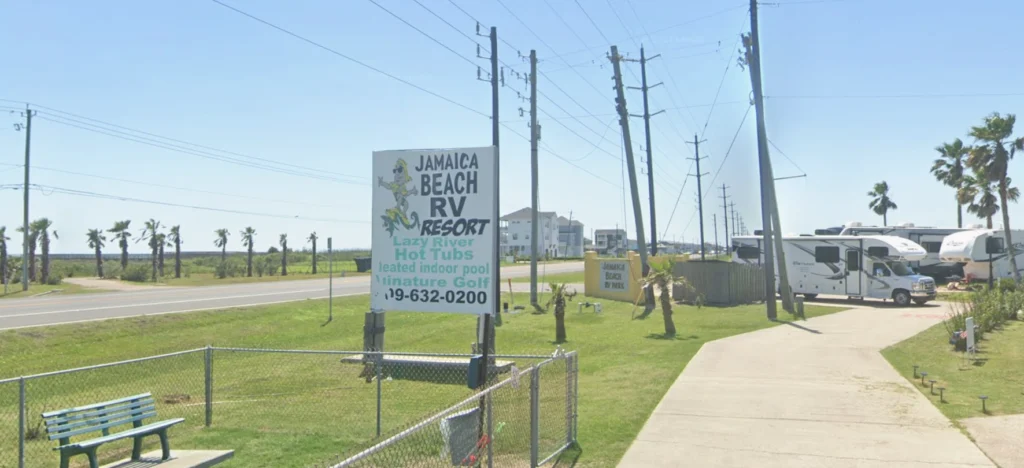
Right on the water along the Gulf Coast, Jamaica Beach RV Resort has become a favorite among people working remotely who want beachfront RV access without giving up reliable infrastructure. The park feels designed for longer stays rather than quick overnight turnover, which changes the atmosphere immediately.
The sites are spacious enough for large rigs, the full hookups are dependable, and the surrounding infrastructure in Galveston makes everyday work life easier than many beach RV parks further down the coast. Cellular coverage is strong throughout the area, which matters because campground WiFi, even in well-maintained parks, can still slow down during busy evenings.
One of the biggest advantages here is balance. You can spend the morning on calls, close the laptop in the afternoon, and walk directly onto the beach without needing to relocate the camper or drive across town. That slower rhythm tends to work well for people blending work and travel long-term.
The nearby coffee shops also help. After a while, many people working from the road simply need a different place to work for a few hours, especially during longer stays. Having actual town infrastructure nearby makes a noticeable difference once the novelty of working from the RV itself wears off.
For digital nomads looking for Gulf Coast scenery alongside reliable infrastructure, Jamaica Beach RV Resort offers a strong mix of comfort, connectivity, and accessibility.
Estes Park Campgrounds, Colorado
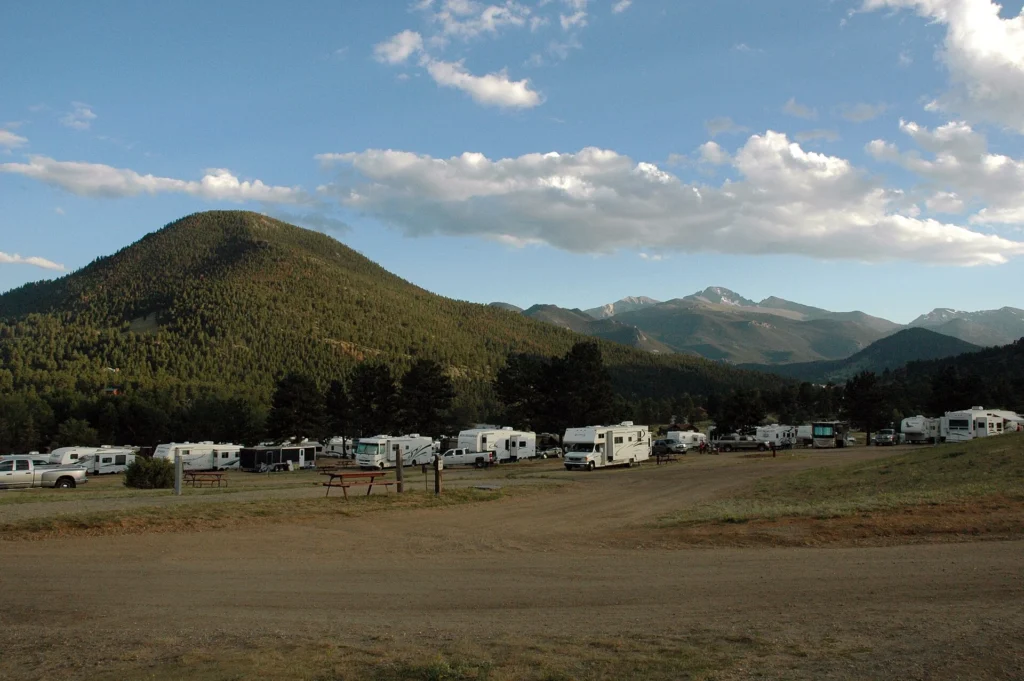
Sitting at the gateway to Rocky Mountain National Park, Estes Park offers the kind of scenery people usually associate with vacation photos, but with enough infrastructure to support real workdays too.
The campground options around Estes Park range from wooded campground setups near the river to larger full-service RV parks with reliable hookups and internet access. Some sites feel far more peaceful than others, so researching individual campgrounds carefully matters here.
Working remotely in Estes Park often means early mornings with mountain views, afternoons spent inside Zoom calls, and evenings hiking trails only minutes from the campground. The balance between outdoor access and practical functionality is what makes the area appealing for longer stays.
Cell signal can still vary depending on elevation and tree coverage, so experienced RVers usually check carrier maps before booking. A cellular booster also helps considerably in some wooded sites around the national forest corridor.
The town itself plays a major role too. There are coffee shops, grocery stores, restaurants, and enough infrastructure that you do not feel isolated after several weeks in one place. That combination matters more than most people expect once remote work becomes part of daily life instead of a temporary experiment.
Travelers who enjoy combining strong infrastructure with outdoor access often end up researching the best RV parks in Tucson for winter stays once colder mountain weather arrives.
Remote travelers looking for scenic mountain access without completely sacrificing modern convenience often end up returning to Estes Park repeatedly.
Valley RV Park, Texas Hill Country
Texas Hill Country has become increasingly popular with digital nomads who want quieter surroundings without feeling disconnected from civilization. Valley RV Park fits naturally into that environment.
Compared to busier coastal campgrounds and larger RV resorts, the atmosphere here feels calmer and slower. The wooded sites create more privacy between campers, evenings stay relatively peaceful, and the overall pace tends to attract longer-term travelers rather than weekend crowds.
That quieter environment matters when you are working remotely from the road. Constant campground traffic, generators, loud family activity near amenity areas, and crowded common spaces become mentally exhausting over time, especially during longer work stretches.
The infrastructure across Texas Hill Country has also improved significantly in recent years. Internet access throughout the region is far better than many travelers expect, and many parks have adapted to the increase in remote workers by improving WiFi systems and upgrading utility hookups.
The local attractions lean toward scenic drives, wineries, swimming holes, and smaller towns rather than major tourist corridors. For many full-time RVers, that balance works surprisingly well. There is enough nearby to unwind after work without feeling overstimulated every day.
This area also tends to appeal to people intentionally slowing down their travel style. Instead of hitting the road every couple of days, travelers often settle into the region for several weeks at a time and build routines around work, local adventures, and nearby places to explore.
What WiFi Should You Actually Expect at an RV Park?
One of the biggest misconceptions about RV life is that “free WiFi” automatically means reliable internet for remote work.
In reality, most campground WiFi networks are shared across dozens or even hundreds of people simultaneously. During peak evening hours, speeds often slow dramatically, especially in larger RV resorts where streaming traffic increases at night.
Most experienced RVers eventually stop treating park WiFi as their primary internet source. Instead, they rely on hotspot devices, cellular data plans, and backup connectivity systems while using campground internet as supplemental support.
Many remote workers also use Campendium reviews to check firsthand carrier coverage reports before booking longer stays, especially in remote campsites where internet access can vary significantly depending on location.
Platforms like The Dyrt also help travelers compare campground reviews, campsite conditions, and connectivity feedback before arriving at a new location.
The parks that work best for remote work are usually not the ones advertising the flashiest amenities. They are the ones where the infrastructure has actually been upgraded to support modern internet demand.
Before booking, it helps to ask more practical questions.
Which carriers perform best in the area?
Are wooded campsites weaker for signal strength?
Does the park throttle bandwidth during busy seasons?
Those answers usually tell you far more about whether a campground can support full-time work than a generic “free WiFi” label on the website.
Grand Lake Campgrounds, Colorado
Grand Lake sits on the quieter western side of Rocky Mountain National Park and tends to attract a different pace of traveler than Estes Park. The atmosphere feels less crowded, less commercialized, and noticeably calmer during peak travel months.
For people balancing work and travel, that difference becomes important quickly.
The campgrounds around Grand Lake range from national forest campsites to more developed RV campground options with full hookups and better internet access. Several private parks near the lake offer wooded campground environments that still maintain enough connectivity for consistent remote work.
The town itself remains small, but functional. There are restaurants, small stores, and enough infrastructure to support longer stays without feeling completely isolated. More importantly, cellular coverage throughout the area is often better than visitors expect for a location that feels this remote.
The quieter surroundings also make it easier to focus during workdays. Instead of constant campground traffic or crowded amenity areas, the environment feels more tranquil overall. Early mornings near the lake are especially quiet, particularly outside peak summer weekends when fog hangs low across the water before most campers wake up.
For travelers looking for the best of both worlds, mountain access without the heavier tourism traffic around Estes Park, Grand Lake offers a strong alternative.
Lake Placid Campgrounds, New York
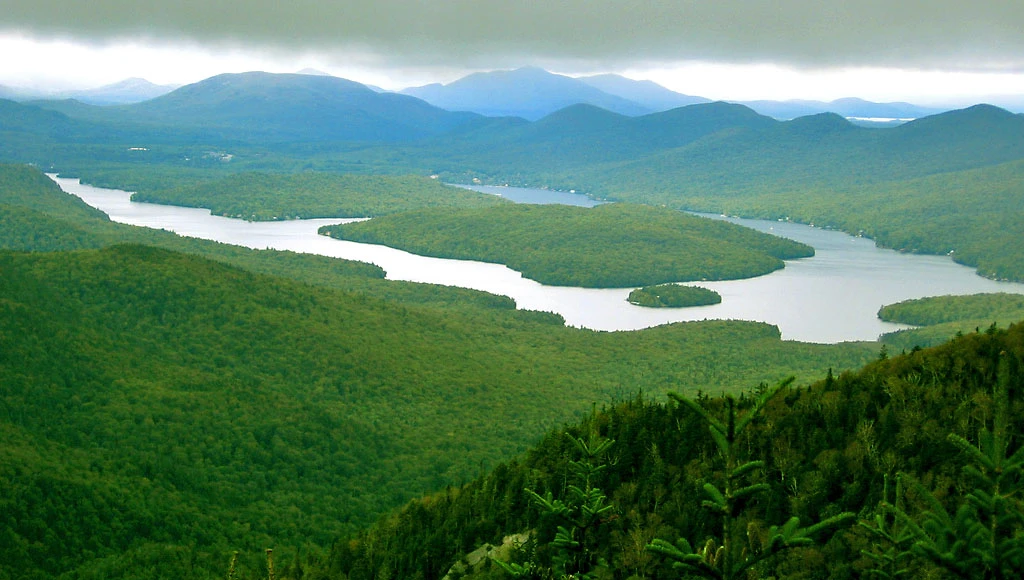
Lake Placid has become one of the more functional remote-work hubs in the Northeast for people traveling in an RV. The Adirondacks already attract outdoor-focused travelers, but Lake Placid stands out because it combines scenic surroundings with practical infrastructure that supports longer stays.
Unlike more isolated remote campsites deeper inside the Adirondack region, Lake Placid gives remote workers access to restaurants, grocery stores, healthcare, coffee shops, and dependable internet access within the same area. That balance matters significantly once work deadlines become part of daily travel life.
The campgrounds themselves vary widely. Some focus more on traditional family camping, while others cater better to long-term RV travelers with full hookups, quieter wooded sites, and stronger utility infrastructure. Choosing carefully makes a difference here.
The surrounding hiking trails, lakes, and local attractions also help prevent burnout during longer work stretches. Many digital nomads eventually realize that sustainable RV life depends partly on having meaningful ways to unwind outside the camper itself.
That balance between productivity and recovery is part of what makes Lake Placid appealing for extended stays.
Private Land Stays Through Hookhub
Not everyone working remotely wants a traditional campground environment. In fact, many full-time travelers eventually start looking for quieter alternatives altogether.
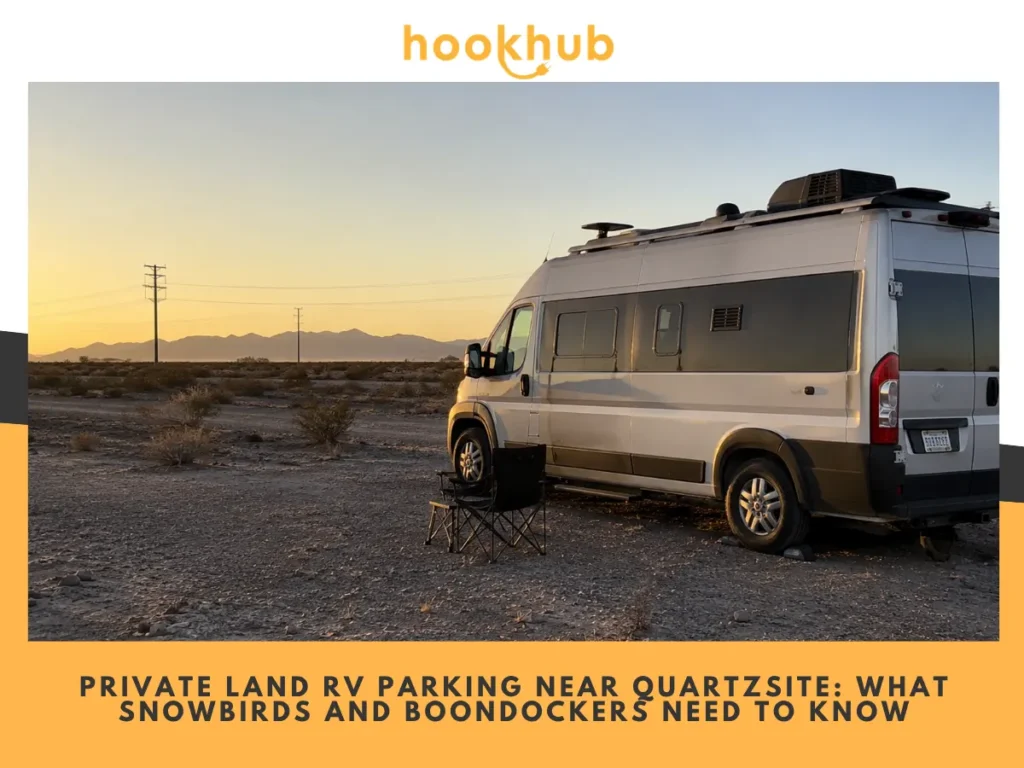
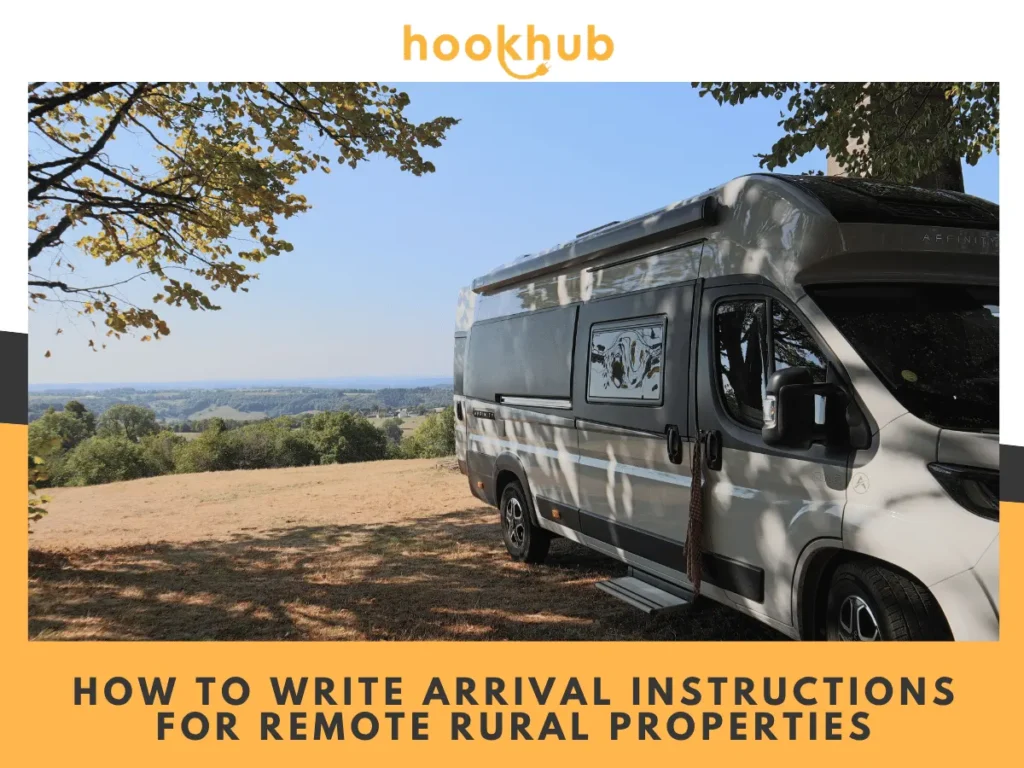
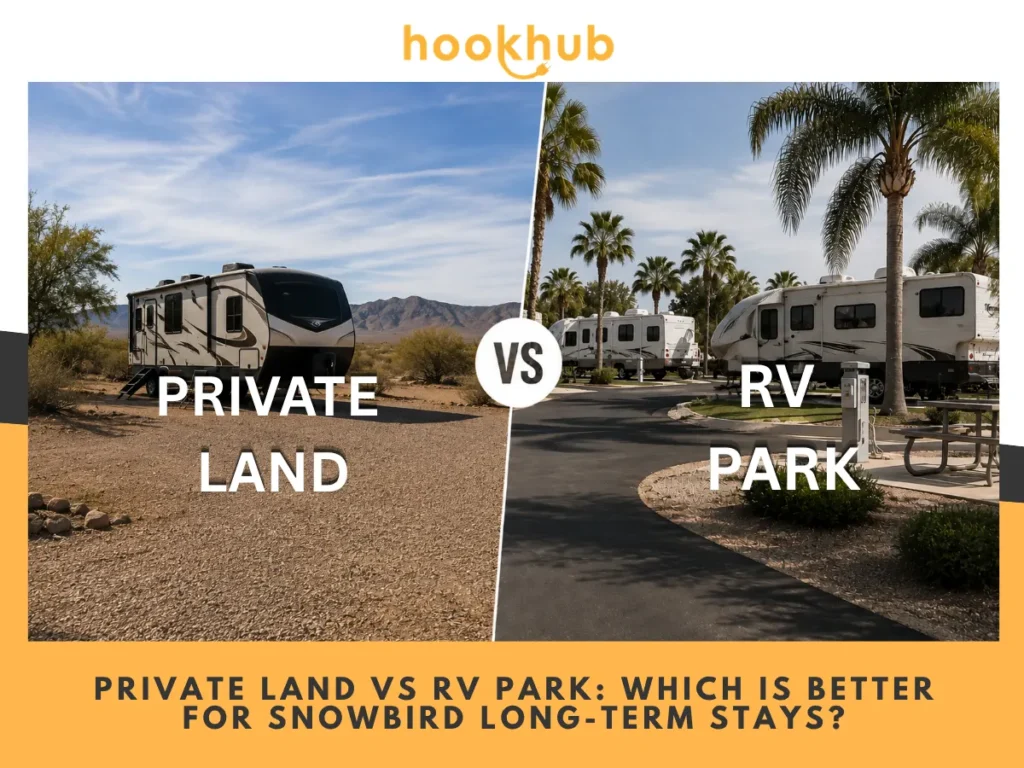
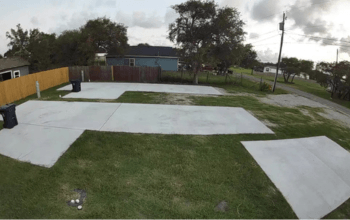
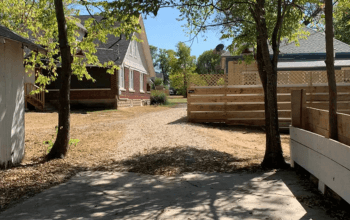
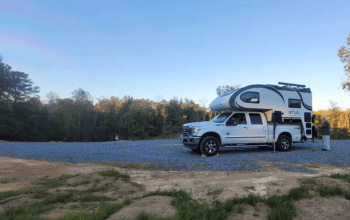
Private land stays have become increasingly popular with digital nomads for exactly that reason. Farms, ranches, and rural acreage often provide more space, less noise, fewer campground distractions, and a slower overall atmosphere than crowded RV resorts.
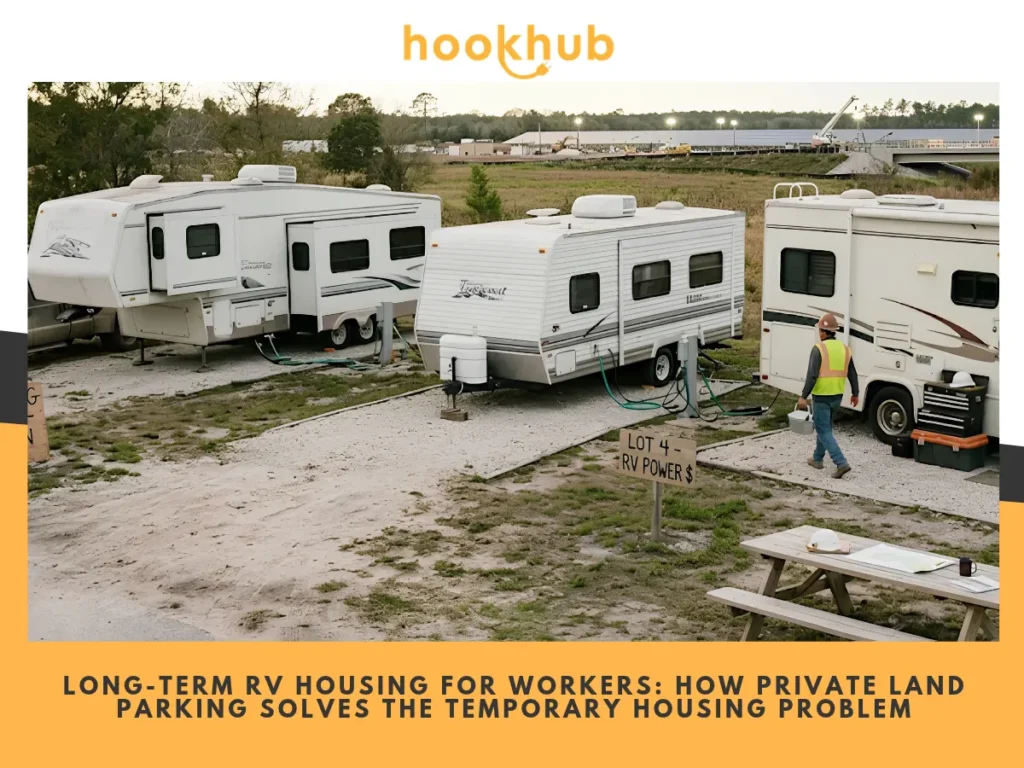
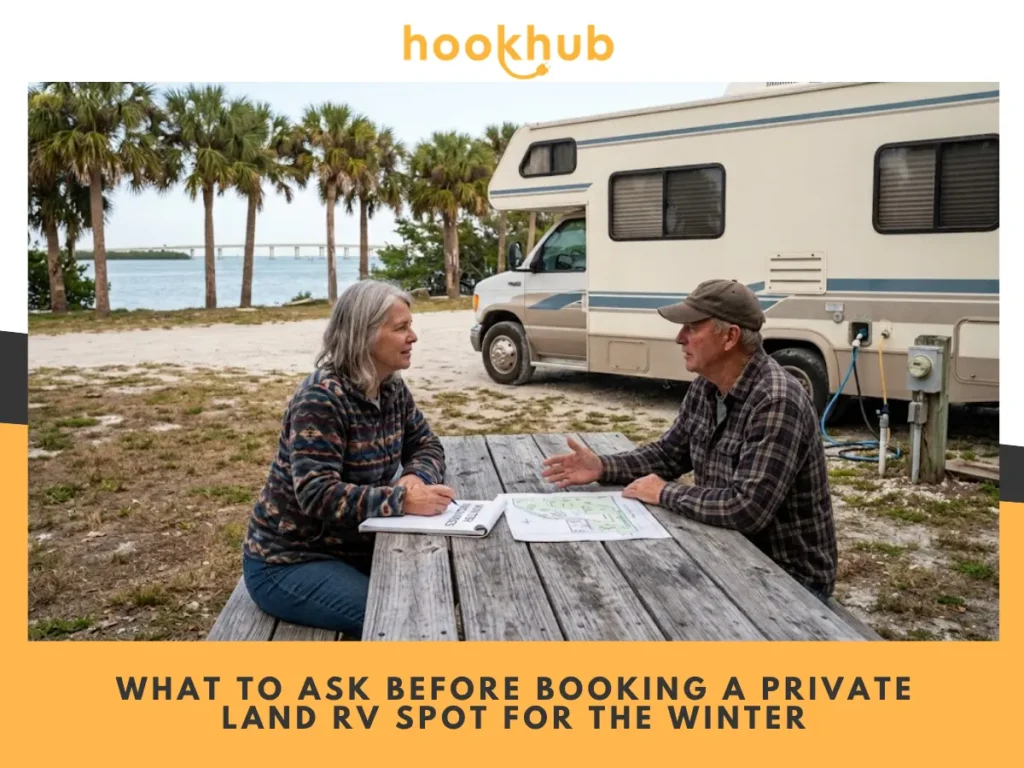
Platforms like Hookhub connect RV travelers with private landowners across the country, creating more flexible options for people who want longer stays without the constant turnover common in busy campgrounds.
For many travelers, the appeal comes down to environment. A quiet and peaceful property with reliable cellular coverage can often create a far better work experience than a packed luxury RV resort with overloaded WiFi and nonstop activity nearby.
Private land stays also work particularly well for large rigs, pets, and flexible schedules. Instead of squeezing into tightly packed campsites beside dozens of other campers, travelers often have more breathing room and fewer interruptions overall.
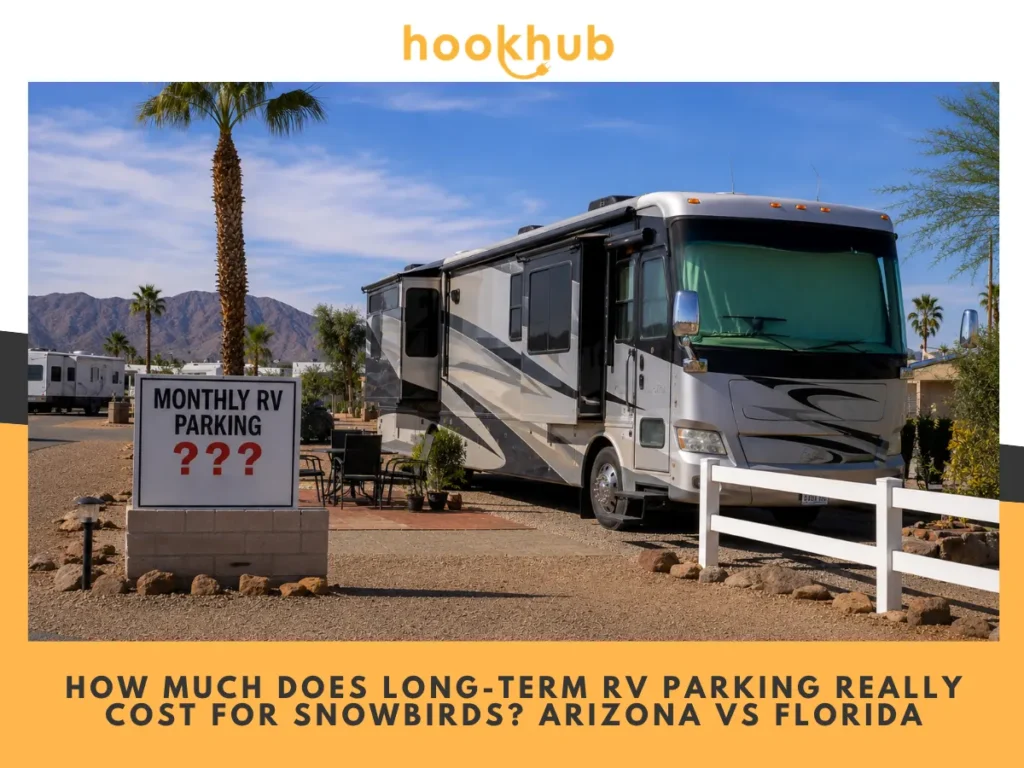
Arizona, especially, has become increasingly popular among winter remote workers looking for warmer weather and quieter long-term RV setups, particularly in areas offering flexible Arizona RV parking options for longer stays.
Beachfront RV Parks Along Florida’s Gulf Coast
The Gulf Coast of Florida continues to attract remote workers looking for warmer weather, beachfront RV access, and longer-term winter stays. For many people working remotely full-time, this part of the country offers one of the easier transitions into RV life.
The infrastructure across many Gulf Coast RV parks has improved significantly over the last decade. Full hookups, stronger internet systems, larger sites with sewer access, and upgraded amenities have become more common as parks adapt to long-term travelers and digital nomads.
Many luxury RV resorts in this corridor now cater specifically to extended-stay guests. Laundry facilities, dog parks, game rooms, camp stores, and larger amenity spaces help make longer work periods feel less restrictive.
The weather also plays a role. Being able to work outside during winter months or unwind near the water after a long day changes the overall experience of RV life considerably.
Of course, beachfront RV living comes with tradeoffs too. Humidity, busier tourist seasons, and louder campground activity during peak months can affect productivity if you choose the wrong location. The best RV parks for remote work are usually the ones that balance atmosphere with infrastructure rather than relying entirely on scenery.
That distinction becomes easier to recognize after enough time on the road.
For remote workers who prefer desert scenery and quieter red rock landscapes over beachfront settings, exploring the best RV parks in Sedona can offer a very different kind of long-term work environment.
Near the Grand Canyon, Arizona
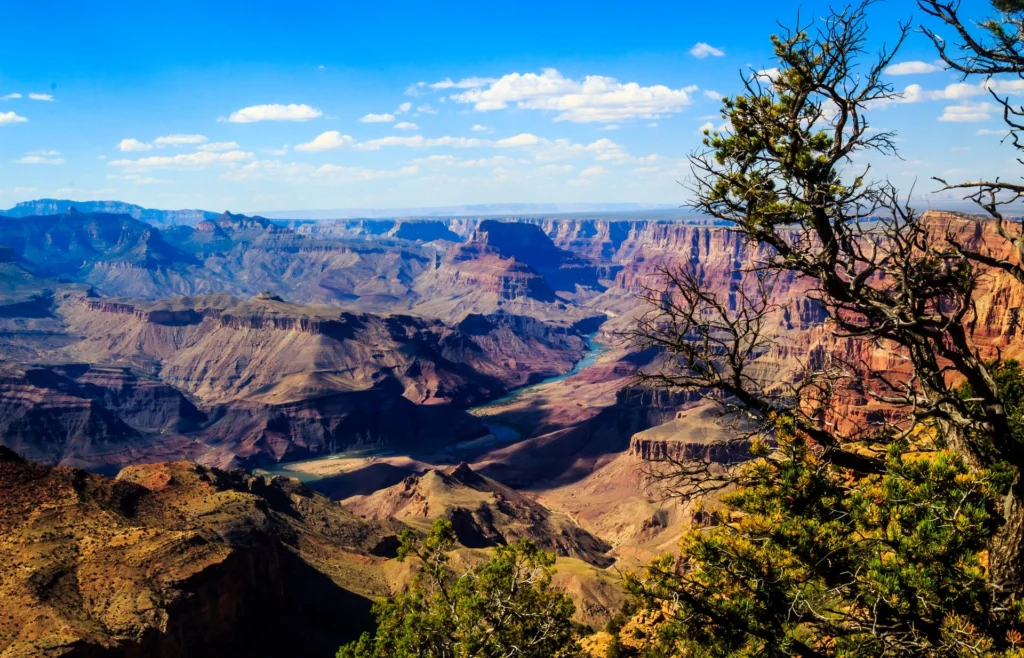
The area surrounding the Grand Canyon offers one of the most visually dramatic places in the country to work remotely, but the experience varies heavily depending on where you stay.
Inside the national park itself, connectivity remains limited and campsites book quickly. But nearby towns like Flagstaff and Williams provide far more practical infrastructure for remote workers while still keeping the canyon within reach for weekends and lighter workdays.
Flagstaff, in particular, has become increasingly attractive for digital nomads. The city has coffee shops, coworking spaces, stronger internet infrastructure, and enough year-round activity that extended stays feel sustainable instead of isolated.
The surrounding campgrounds and RV parks near the south rim also tend to provide better hookups and more reliable utility systems than sites located directly inside park boundaries.
Northern Arizona as a whole has seen growing demand from people working remotely while traveling full-time, especially during colder months when RVers migrate south for warmer weather. That demand has expanded both campground infrastructure and private land hosting options throughout the region.
For travelers wanting access to state and national park landscapes without completely giving up everyday functionality, northern Arizona remains one of the stronger long-term choices in the western United States.
Working Remotely From the Road Comes Down to Infrastructure
The campgrounds people remember most are rarely the ones with the flashiest amenities. More often, they are the places where the internet stayed stable, the hookups worked consistently, and the overall environment made it easier to focus.
That pattern shows up repeatedly across full-time RV life.
Long-term travelers who sustain remote work successfully usually prioritize infrastructure before aesthetics. Reliable internet in your RV, stable power, quieter surroundings, and enough space to actually work matter far more over time than novelty alone.
Many full-time RVers eventually realize that slower travel and long-term RV stays create far more stability for both productivity and mental recovery than constantly relocating every few days. Instead of constantly hitting the road, they stay long enough to build routines, explore nearby attractions gradually, and create a healthier balance between productivity and travel.
Private land stays through platforms like Hookhub are expanding those options even further, especially for people looking for quieter alternatives to crowded campground rotations.
Research from the RV Industry Association also reflects how quickly this lifestyle is evolving, particularly as younger RV owners and remote workers continue reshaping demand for longer stays, stronger connectivity, and more functional campground infrastructure.
Where to Go From Here
If you are planning your first extended work-and-travel stretch, choosing one region and staying there for several weeks usually works far better than constantly moving between campgrounds every few days.
The adjustment period is real. Rainy travel days, unexpected road closures, overloaded campground networks, and sudden connectivity drops all become easier to manage once your schedule has enough flexibility built into it.
Over time, the appeal of RV life stops being about nonstop movement. For many remote workers, it becomes something quieter and more sustainable: the freedom to work, travel, and build routines in places that would normally only fit into a short vacation.
Sometimes that means a beachfront RV park on the Gulf Coast. Sometimes it means a wooded campground outside Rocky Mountain National Park. And sometimes it means parking on quiet private land with enough space around you to finally focus without distraction.
That flexibility is what keeps so many people coming back to this lifestyle long after the novelty wears off.
FAQs
What is the best RV park setup for remote workers?
The best RV parks for remote workers usually combine reliable internet access, full hookups, quieter surroundings, and enough space to work comfortably during long stays. Many full-time RVers prioritize stable cellular coverage and campground infrastructure over luxury amenities alone.
Is campground WiFi reliable enough for remote work?
Sometimes, but most experienced RVers treat campground WiFi as a backup rather than their primary internet source. Shared networks often slow down during busy hours, especially in larger RV resorts. Many remote workers rely on cellular hotspots, Starlink, or backup carriers to stay connected consistently.
Are private land stays better than traditional RV parks for remote work?
For many digital nomads, yes. Private land stays often provide quieter environments, fewer campground distractions, and more flexibility for longer stays. Platforms like Hookhub have become increasingly popular with remote workers looking for calmer, less crowded places to work from the road.
How long should remote workers stay at one RV park?
Many people working remotely full-time find that staying two to four weeks at a time creates a healthier balance between productivity and travel. Longer stays reduce setup fatigue, improve routine stability, and make it easier to enjoy nearby attractions without constantly relocating.
What should remote workers look for before booking an RV park?
Before booking, it helps to research cellular signal strength, internet access, hookup reliability, campground noise levels, and proximity to nearby amenities like grocery stores or coffee shops. Remote workers often find that infrastructure and environment matter far more than flashy amenities once daily work routines begin.