If you’ve ever set your nightly rate, waited, and wondered whether you priced too high or too low, you’re not alone. Pricing is one of the most important decisions in any RV park business, yet it’s often treated as guesswork.
In practice, effective pricing strategies follow a clear system. Start with your local market, define a pricing structure that reflects your value, and make informed adjustments based on real booking behavior. When done right, pricing becomes a tool to optimize occupancy, improve guest satisfaction, and maximize long-term profitability.
If you’re just getting started, review how hosting works on Hookhub before applying these strategies.
Key Takeaways
- Price your RV site using market data, not assumptions
- Strong pricing strategies balance occupancy and revenue per night
- Dynamic pricing helps you stay aligned with real market demand
- Seasonal adjustments should reflect peak and off-peak trends
- A clear pricing structure improves booking flow and guest experience
- Small, consistent adjustments outperform large, reactive changes
Start With Your Market, Not Your Gut
A strong RV park pricing strategy starts with understanding your local competition. You are not competing with every campground in the country. You are competing with the options available to guests within your immediate market.
This is the foundation of how to price your RV site competitively without relying on guesswork.
Focus on listings with similar:
- Hookup level, especially full hookup vs partial
- Site type, such as pull-through or back-in
- Accessibility, including big rig access and road conditions
- Stay options, including nightly, weekly, or monthly rates
- Amenities like Wi-Fi, shade, privacy, or laundry
Your goal is not to find a perfect number but to identify a realistic pricing range based on current market conditions. Reviewing RV industry statistics and market data can also help you validate your pricing against broader trends in the RV park industry.
If your site offers better access, location, or amenities, you can command higher rates. If not, pricing slightly below comparable listings can help attract bookings early and improve occupancy.
Define Your Pricing Structure Before Setting Rates
Many RV park owners jump straight to a nightly rate, but a clear pricing structure improves both booking flow and revenue management.
A practical pricing model includes:
- A base daily rate that reflects your core value
- Weekend or high-demand premiums
- Weekly or monthly rates for long-term stays
- Additional charges for extra guests, vehicles, or services
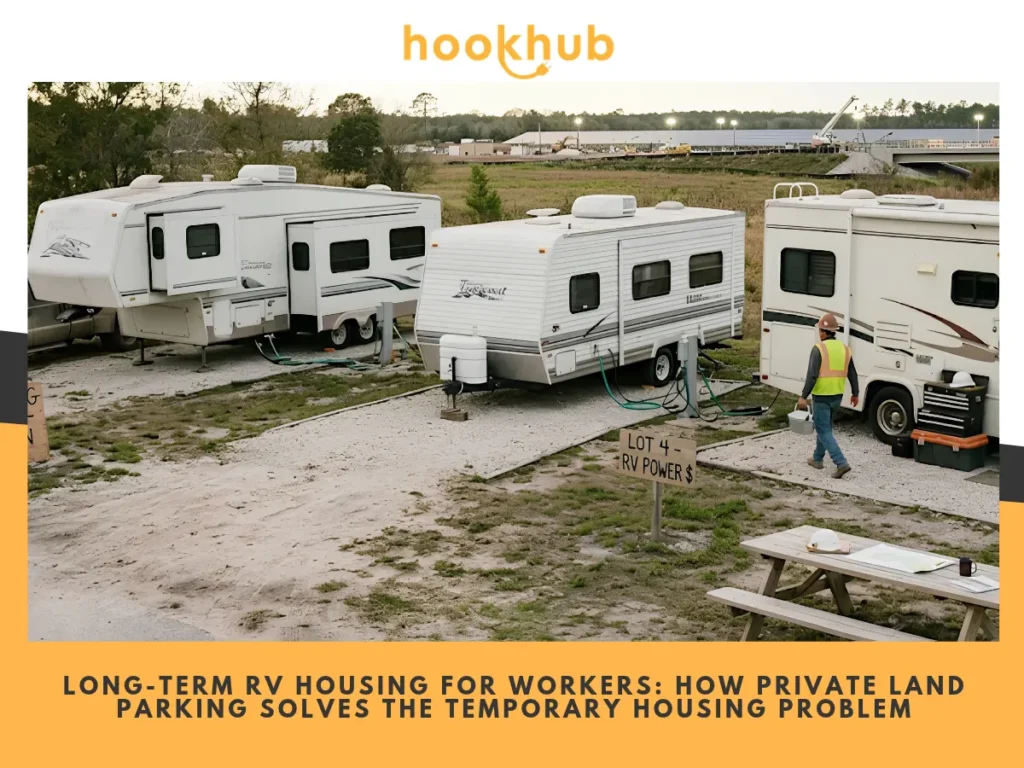
For long-term stays, avoid relying on heavy discounts. Instead, set weekly or monthly rates that reflect actual usage, utilities, and management effort. Long-term guests often come with higher expectations, so your pricing should account for the added responsibility.
If you’re setting this up for the first time, you can list your RV site on Hookhub and apply a structured pricing model from the start.
Align Pricing With Market Demand and Seasonality
Demand for RV parks fluctuates throughout the year. Pricing strategies based on market demand allow you to stay competitive while maximizing revenue during periods of increased demand.
Reviewing RV travel demand trends and industry data on RV travel and campground performance can help you understand broader shifts in traveler behavior, pricing expectations, and booking patterns.
Break your calendar into:
- Peak season, where demand is highest and guests are willing to pay more
- Shoulder season, where pricing must balance value and availability
- Off-peak times, where flexibility and discounted rates help maintain occupancy
Local events also influence pricing. Festivals, holidays, and travel seasons can create short-term spikes in demand that justify higher rates, especially in areas near major attractions or travel routes.
Looking at broader consumer travel behavior insights can help you anticipate when demand is likely to increase and adjust your pricing ahead of time. If you consistently reach maximum occupancy early, it’s a clear signal your pricing is too low for that period.
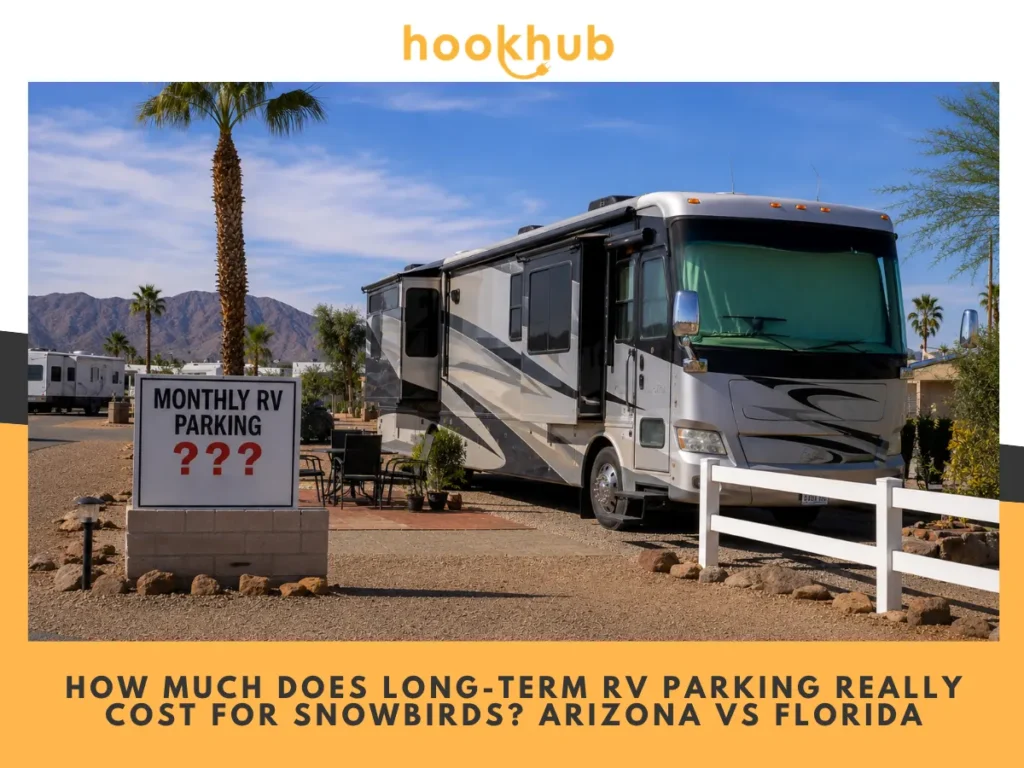
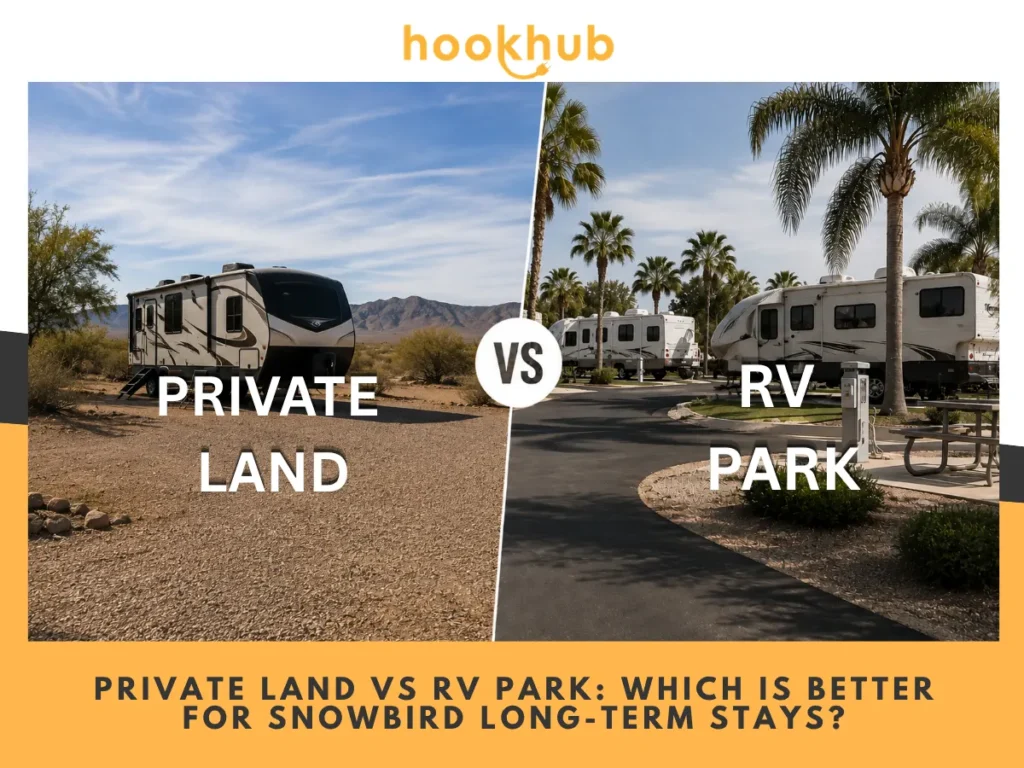
In markets like Arizona, demand patterns are often more pronounced. Snowbird season typically drives peak demand from November through March, while extreme summer heat leads to lower occupancy and more competitive pricing during off-peak months.
Use Amenity-Based Pricing to Justify Higher Rates
Guests are often willing to pay more when they clearly understand the value they’re receiving. Amenity-based pricing allows you to align your rates with what guests actually care about.
High-value features that support higher pricing include:
- Full hookup access with reliable utilities
- Easy entry for large RVs and stress-free navigation
- Privacy, quiet surroundings, and space between sites
- Proximity to major routes or attractions
Make sure your listing clearly communicates these benefits. Understanding what RV guests look for in a campsite helps you present your offer in a way that justifies your pricing. Pricing is not just about numbers. It’s about how clearly your value is communicated and perceived.
Apply Dynamic Pricing Without Losing Control
Dynamic pricing strategies allow RV park owners to adjust rates based on demand, booking patterns, and real-time market trends. When used correctly, this approach helps optimize occupancy and maximize revenue without sacrificing consistency.
However, your pricing model should remain controlled and predictable. Without structure, frequent changes can create confusion and reduce guest trust.
Set clear guardrails:
- A minimum price that protects profitability
- A maximum price that remains competitive within your market
- Defined rules for last-minute discounts and off-peak pricing
These guardrails help you avoid overreacting to short-term demand changes while keeping your pricing consistent and credible for guests.
Dynamic pricing should help you stay aligned with market conditions, not create uncertainty for guests. In most cases, a few well-timed price adjustments outperform constant fluctuations.
A common mistake is adjusting prices too frequently in response to short-term demand shifts. While it may seem strategic, constant changes can make your listing feel unstable and discourage bookings.
A more effective approach is to make informed, intentional price adjustments based on performance and market data. This keeps your pricing strategy consistent while still allowing you to respond to increased demand when it matters most.
Watch this video guide for a deep dive into dynamic pricing strategies.
Use Discounts Strategically to Protect Revenue
Discounted rates can help increase occupancy, but overusing them can reduce your overall revenue per available site and lower perceived value over time.
Effective pricing tactics include:
- Weekly discounts to encourage longer bookings
- Monthly rates that support stable, long-term stays
- Off-peak discounts tied to clearly defined low-demand periods
Instead of lowering prices too aggressively, consider offering value-added services. Small upgrades, bundled amenities, or flexible check-in options can improve guest satisfaction while protecting your average daily rate.
Many RV park owners rely too heavily on discounts to fill gaps in their calendar. Over time, this can train guests to delay booking in anticipation of lower prices, making it harder to maintain consistent revenue.
A more effective approach is to use discounts selectively and align them with your overall pricing strategy. This allows you to maintain strong occupancy while preserving profitability and positioning your site at the right price within your market.
Track the Metrics That Actually Matter
You don’t need complex property management systems to make informed decisions. A small set of key metrics is enough to help you adjust your pricing strategies effectively and stay aligned with market demand.
Focus on:
- Occupancy rate by month
- Average daily rate
- Revenue per available site
- Booking lead time
- Conversion rate from views to bookings
If demand is high but bookings are low, your pricing may be too high or your listing needs improvement. Understanding how to improve your RV booking performance can help you identify whether the issue comes from pricing, positioning, or overall listing clarity.
If your site fills quickly, it’s a strong signal that your pricing may be too low for current market conditions, especially during peak season or periods of increased demand.
In practice, many RV park owners hesitate to raise prices even when demand is strong. This often leads to full occupancy but lower overall revenue than the market would support. Strategic pricing adjustments allow you to capture that missed value without sacrificing guest satisfaction.
Common Pricing Mistakes RV Park Owners Make
Most pricing issues come from predictable habits.
Underpricing is the most common. Many RV park owners set lower prices to attract bookings but fail to adjust as demand increases. Over time, this limits park revenue and undervalues the property.
These pricing strategies become even more important when targeting long-term stays, such as 30 to 90 nights, where consistency, guest experience, and perceived value matter more than short-term price fluctuations.
Another mistake is copying the lowest-priced campground in the area. Reviewing campground pricing benchmarks can help you understand how established operators structure their pricing and avoid undercutting your own value.
Competitive campground pricing should reflect your amenities, location, and overall guest experience, not just the lowest available rate in your market.
Finally, unclear pricing structures can confuse guests. If your rates are not transparent or aligned with expectations, potential guests may leave before completing a booking.
Where Hookhub Fits Into Your Pricing Strategy
Platforms like Hookhub help simplify pricing management by giving you clearer visibility into booking behavior, demand trends, and guest preferences.
Instead of relying on guesswork, you can:
- Adjust your pricing based on real booking performance
- Align your rates with market demand and seasonality
- Test different pricing strategies without disrupting your listing
This kind of structured approach allows RV park owners to stay competitive while maintaining control over their pricing decisions. It also supports a better guest experience by keeping pricing consistent and predictable.
If you’re ready to put this into practice, explore start hosting on Hookhub and begin refining your pricing using real booking data.
Practical Pricing Plan for Your First 30 Days
If you’re launching a new RV listing, start with a rate slightly below the median of comparable listings. This helps generate early bookings and build initial momentum.
After your first 30 days:
- Increase peak season pricing if you reach high occupancy early
- Introduce weekend premiums if demand is stronger on specific days
- Adjust discounts if they begin attracting low-value bookings
Small, consistent adjustments help you stay aligned with market conditions while improving long-term profitability.
FAQs
What is the best pricing strategy for RV parks?
The most effective pricing strategy combines market research, seasonal adjustments, and dynamic pricing. Rates should reflect market demand, amenities, and guest expectations while maintaining a balance between occupancy and profitability.
How do RV park owners determine the right price?
The right price comes from analyzing local competition, understanding guest willingness to pay, and tracking performance metrics like occupancy rate and average daily rate.
Should RV parks offer monthly rates?
Monthly rates work well for long-term stays, especially when priced correctly. They should account for utilities, maintenance, and operational costs while still providing value to guests.
How often should pricing be adjusted?
Pricing adjustments should be based on performance and demand. Most RV park owners benefit from reviewing pricing monthly and making small, strategic changes rather than frequent large adjustments.
External Resources for Market Trends
For broader insights into travel demand and pricing behavior, review:
- U.S. Travel Association travel trends and research
- Kampgrounds of America (KOA) annual reports
- RV Industry Association market data
Conclusion
Pricing is not a one-time decision. It’s an ongoing strategy that evolves with market demand, guest behavior, and your business goals.
When you treat pricing as a feedback loop rather than a fixed number, you gain control over both occupancy and revenue. Over time, this approach allows you to stay competitive, improve guest satisfaction, and build a more stable RV park business.
Start with a clear pricing structure, make informed adjustments, and let real data guide your decisions.