
Full-time RV living with kids is no longer a niche lifestyle.
Across the USA, more families are choosing to live in an RV full-time instead of remaining in traditional sticks-and-bricks homes. RV full-time families are traveling across the country, homeschooling, working remotely, and embracing the RV lifestyle as a long-term way to live.
This rise in full-time RV living creates a clear opportunity for landowners.
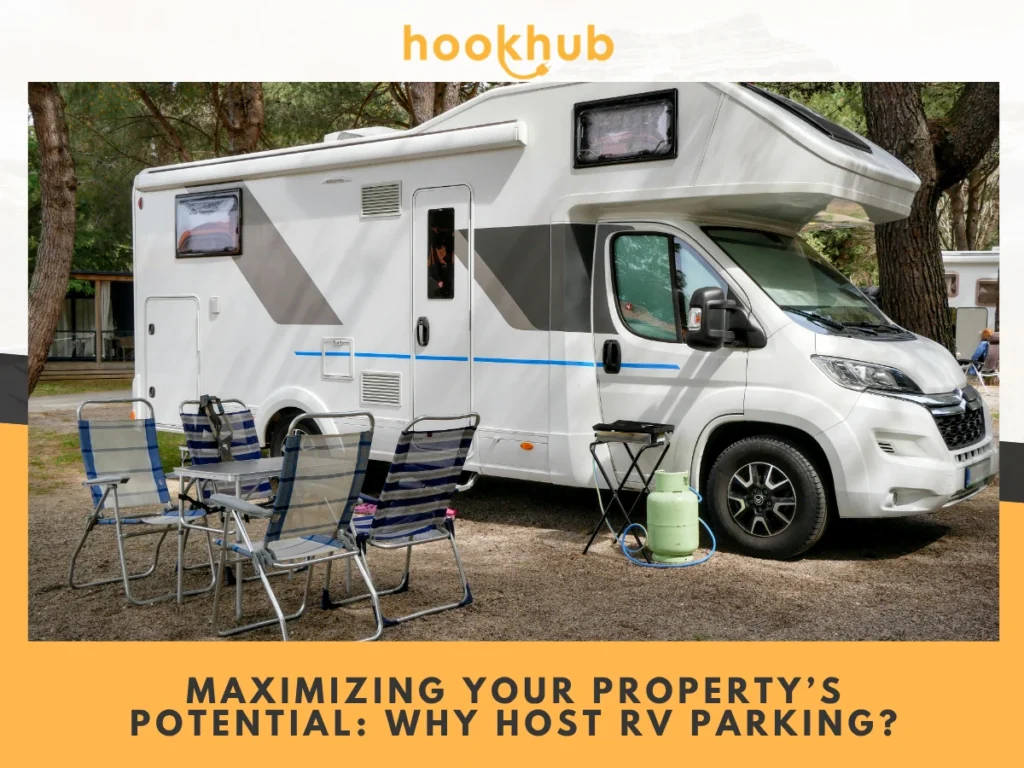
These families are not casual weekend campers. They are structured, long-term travelers looking for responsible places to park their motorhome, fifth wheel, or camper.
Understanding how RV living with kids works helps landowners host confidently.
Key Takeaways
- Full-time RV living with kids continues to grow as more families choose RV full-time lifestyles.
- RV full-time families often prefer longer stays compared to typical RV park guests.
- Private land offers space and stability, which many campgrounds cannot.
- Hosting RV families becomes predictable when structured properly.
- Platforms like Hookhub provide insurance, guest vetting, and clear agreements that protect landowners.
Why RV Full-Time Living with Kids Is Increasing
Living full-time in an RV offers flexibility that traditional housing cannot.
Families are drawn to:
- Remote work freedom
- Homeschool flexibility
- Lower fixed housing costs
- More family time
- The ability to travel around the USA
Many RV families regularly visit areas managed by the National Park Service, including educational programs like the Junior Ranger initiative, along with state and national parks and traditional RV parks or campgrounds. However, crowded RV park environments do not always suit families traveling full-time with kids.
As a result, more RV full-time families are seeking quieter, structured alternatives.
What Makes RV Families Different from Typical Campers
Not all RV travelers operate the same way.
Full-time RVers traveling with kids often:
- Stay longer in one location
- Maintain homeschool or online school schedules
- Plan travel days carefully
- Manage utilities and waste systems responsibly
- Prioritize safe outdoor space for kids
Whether driving a Class A motorhome, towing a Fifth-wheel trailer, or using a Class C motorhome, these families depend on organization.
A family of 4, a family of 6, or even families with 4 kids or 5 kids must operate with routine inside a smaller RV living space.
This structure is what separates full-time RV living from casual RV camping.
For landowners, that consistency lowers uncertainty.
Why Private Land Appeals to Full-Time RV Families
Traditional RV parks and campgrounds serve an important role. However, RV full-time families often encounter the following:
- Limited privacy
- High turnover neighbors
- Short stay limits
- Crowded communal areas
Private land offers:
- More open space for kids play
- Reduced noise
- Flexible campsite duration
- A calmer environment for RV life
For families living in an RV full-time, stability matters. Homeschool routines, remote work, and daily chores like emptying the black tank require predictability. Private land can provide that, especially when supported by clear setup strategies.
For a deeper breakdown of long-term setup considerations, see how to prepare your land for RV hosting.
Addressing Landowner Concerns About Hosting RV Full-Time Families
Private landowners naturally ask:
What about liability?
What about misuse of property?
What if expectations are unclear?
Hosting without structure increases risk.
Structured platforms like Hookhub help landowners host RV families responsibly by providing:
- Insurance-backed stays
- Guest vetting systems
- Clear booking agreements
- Transparent communication standards
- Defined expectations
Instead of informal arrangements, landowners gain structured processes. Instead of uncertainty, there is accountability.
The Daily Reality of Living Full-Time in an RV
Understanding the daily rhythm of RV full-time families builds hosting confidence.
Typical routines include:
Many of these routines align with practical systems covered in RV living setup essentials.
- Morning homeschool sessions
- Remote work hours
- Outdoor exploration
- Routine RV maintenance
- Organized storage using bins and compact systems
Living full-time in an RV requires discipline because space is limited. Families must manage:
- Living space carefully
- Water usage
- Travel schedules
- Community interactions
Many families intentionally spend more time in one location to maintain educational stability and social growth. For landowners, that often means fewer short-term turnovers and more predictable stays.
What Makes a Property Attractive to RV Full-Time Families
Private landowners do not need resort-style amenities.
Most RV families prioritize:
- Level ground for their RV, motorhome, or fifth wheel
- Clear hookup policies
- Defined parking areas
- Safe outdoor environments
- Clear rules and boundaries
Even rural properties can attract responsible, full-time RV families when expectations are transparent.
Clarity builds trust.
Property setup plays a major role, especially when following best practices for hosting RV guests on private land.
The Financial Opportunity for Private Landowners
As RV living and RV travel continue to expand, demand for alternatives to crowded RV parks grows.
Hosting RV full-time families can:
- Generate supplemental income
- Utilize underused land
- Attract long-term guests
- Support the broader RV community
For landowners evaluating hosting as a small-scale income opportunity, the U.S. Small Business Administration provides guidance on managing supplemental income and risk.
When structured properly, hosting does not need to feel risky or unpredictable.
With clear expectations, insurance coverage, and defined processes, it becomes manageable and sustainable over time.
FAQ for Landowners Considering Hosting RV Families
Do full-time RV families stay longer than typical RV park guests?
Yes. Many RV full-time families prefer extended stays to maintain homeschool schedules and daily routines.
Are families living in an RV full-time responsible for property?
Most RV full-time families rely on systems and routines. Structured agreements and insurance-backed hosting further reduce risk.
What types of RVs do families typically use?
Families commonly travel in Class A motorhomes, fifth wheels, and Class C motorhomes. Larger families often select layouts with bunk rooms and expanded living space.
Is hosting suitable for smaller properties?
Yes. Even smaller parcels can work if leveling, access, and expectations are clearly defined.
Final Thoughts
Full-time RV living with kids reflects a broader shift in how families define home, education, and community.
For private landowners, this shift is not something to fear. It is something to understand.
When approached with structure, hosting full-time RV families can be
- Predictable
- Protected
- Community-oriented
- Financially viable
Understanding the RV lifestyle is step one.
Implementing systems that protect your property is step two.
Together, they create a sustainable opportunity in a changing travel landscape.