Key Takeaways
- Hookhub is a bookable private land marketplace for RV parking, long-term stays, and storage across the United States
- iOverlander is a free community discovery app built primarily for overlanders and adventure travelers worldwide
- iOverlander has no reservation system — you find a spot, but you cannot confirm it
- Hookhub connects RVers with private landowners who have verified, available space
- iOverlander suits spontaneous travelers exploring remote or international routes
- They solve different problems — knowing which one fits your travel style saves real frustration on the road
With traditional RV parks running near full capacity on popular US routes through 2025, more RVers are turning to alternative platforms to secure reliable space. In conversations with full-timers and seasonal travelers over the past year, I’ve noticed the same question come up repeatedly: which camping app actually helps you find confirmed parking — and which one just points you toward a spot that may or may not work out?
That’s exactly where the Hookhub vs iOverlander comparison lands. Both platforms appear in searches for RV parking solutions. Both have genuine value. But they are built for fundamentally different travelers, and using the wrong tool for your situation wastes time you don’t have when you’re 90 miles from your next stop.
What iOverlander Does
iOverlander started as a resource for long-distance overland travelers — people crossing continents in 4x4s and spending weeks on unpaved roads. It grew into a global, community-driven database of campsites, wild spots, and points of interest submitted by the travelers themselves.
The app is free. Every campsite in the database was logged by another traveler, complete with GPS coordinates, photos, and notes. You can read reviews from people who slept there last month — or last year. The coverage spans everything from Bureau of Land Management clearings and United States Forest Service pullouts to urban parking lots and quiet rural roads.
For finding unique and off-the-beaten-path locations in remote areas, iOverlander performs well. It’s also the tool most van-dwelling and car camping communities rely on for spontaneous overnights. Common spots you’ll find logged include Walmart locations, Cracker Barrel parking areas, and Pilot Flying J truck stops — chain-store overnight options that RVers have used for decades.
What iOverlander does not offer: any booking or reservation functionality. There is no host relationship, no confirmed availability, and no platform agreement between you and whoever owns the land you’re parking on. You find a campsite, then show up and hope conditions match the description.
For travelers who enjoy off-the-grid experiences and prioritize flexibility over certainty, that trade-off is acceptable. For RVers pulling a large rig who need a confirmed pad with specific amenities, it’s a meaningful gap.
What Hookhub Does
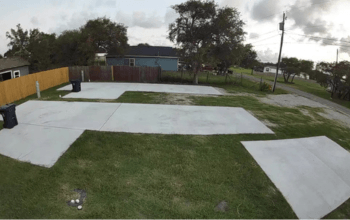
Hookhub is a private land marketplace. Property owners — ranchers, farmers, rural landowners — list unused space on their land for RV parking and stays. RVers search available listings, filter by amenities, and book confirmed stays directly through the platform.
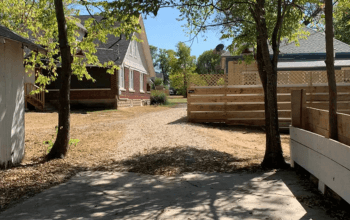
The distinction from a full-service RV park is the setting. You’re on someone’s private land, not in a row of recreational vehicles packed into a commercial campground. Listings tend to offer more space, more solitude, and more flexibility on length of stay than what’s available in traditional RV parks.
Hookhub is built for the US market, with listings across the country in Arizona, Texas, Florida, Tennessee, Colorado, Virginia, and more. The platform manages the booking, the payment, and the host-guest agreement — so both sides have clarity before anyone arrives.For RVers who need long-term RV parking — a monthly stay, a winter season, or an ongoing arrangement near work or family — Hookhub is built specifically for that use case. iOverlander is not.
How They Compare Side by Side
| Feature | Hookhub | iOverlander |
|---|---|---|
| Reservations / Booking | ✅ Yes | ❌ No |
| Private land access | ✅ Yes | ❌ Mostly public or community-reported |
| Long-term stays | ✅ Yes | ❌ Intended for short-term stays |
| US coverage | ✅ Strong | ⚠️ Available, not primary focus |
| International coverage | ❌ US only | ✅ Strong globally |
| Free campsites | ❌ Paid listings | ✅ Many free locations |
| Filter by amenities | ✅ Yes | ⚠️ Limited |
| RV storage options | ✅ Yes | ❌ No |
| Host income opportunity | ✅ Yes | ❌ No |
| Confirmed availability | ✅ Yes | ❌ No guarantee |
When iOverlander Makes Sense
iOverlander works well for RV travelers who move frequently and value spontaneity over certainty.
You prefer free camping on public land. The app surfaces a wide range of boondocking sites on public lands managed by federal agencies. If that's your primary approach, the community database is a practical resource.
You travel internationally. iOverlander's strongest coverage sits outside the US — particularly across Canada, South America, and Europe. For overlanders heading across borders, it fills a gap that US-focused platforms do not.
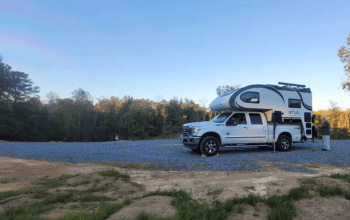
You drive a smaller rig. Van dwellers and truck campers who can fit into a wider range of low-cost spots get more value from iOverlander's database than someone in a 42-foot Class A who needs a longer pad and electrical hookup.
You want a personalized and community-oriented option for discovery. iOverlander functions as a living record of traveler experience. If finding hidden gems through crowd-sourced knowledge appeals to you, the platform delivers that well — just not with any booking layer underneath it.
When Hookhub Is the Better Fit
Hookhub is especially useful for RVers who need more than a map pin.
You need confirmed space. Parking an RV on private land through Hookhub means you've communicated with a real host, agreed on terms, and know the space is ready when you arrive. That reliability is something no community-submitted app provides.
You're looking for a long-term or monthly stay. This is where Hookhub has no direct competition in the private land space. Landowners who welcome 30, 60, or 90-night stays are listed and searchable. Monthly rates on private land typically run well below what's available in traditional RV parks — and the experience is considerably less crowded.
You travel with a large recreational vehicle. Hosts can confirm pad dimensions, access road clearance, and whether your rig fits before you commit. That information is often absent or outdated in community databases.
You want a secluded experience away from the campground atmosphere. Private land stays on Hookhub offer a quieter, more spacious alternative to the full-service RV park environment where sites are dense and neighbors are close. For RVers who want to socialize with fellow travelers, traditional parks work fine — but for those who prefer space and quiet, private land is the better fit.
You need storage. iOverlander has no storage listings. Hookhub hosts can offer RV storage on their property, which is a category that simply doesn't exist on community discovery apps.
Do You Need to Choose?
Many RVers keep both on their phone. iOverlander works for spontaneous discovery en route — particularly across remote stretches where boondocking on public land makes sense. Hookhub works when you need reliability, amenity filters, a confirmed host, and the option to stay for an extended period.
They cater to different needs at different moments in a trip. The most adaptable full-timers treat them as separate tools rather than competing ones.
The distinction worth holding onto: iOverlander helps you find a spot. Hookhub helps you book one.
FAQ
Is iOverlander free to use?
Yes, iOverlander is a free app available on iOS and Android. All spots are community-submitted and accessible without a subscription or membership-based fee. There is no booking system — it is a discovery and logging tool only. You can learn more at ioverlander.com.
Does Hookhub have free camping options?
HookHub is a paid platform where hosts set their own rates for private land stays. It is not designed for finding free campsites. The value is confirmed, bookable access to private property with a host relationship — not zero-cost parking. For free options, public lands managed by the Bureau of Land Management are a separate resource worth bookmarking.
What is the best app for long-term RV parking in the US?
For monthly or extended stays on private land across the US, Hookhub is the better-suited platform. Community apps like iOverlander are best suited for short-term discovery and do not support the booking, communication, or flexible stay lengths that long-term RVers need. Search long-term private RV parking near you directly on Hookhub to see what's available on your route.
If your travel style involves planned routes, a larger rig, extended stays, or the need for confirmed amenities and space, consider using Hookhub as your primary parking platform. iOverlander fills a different role — and it fills it well for the travelers it was designed to serve. Find private RV parking near you and see what hosts are available in your area.