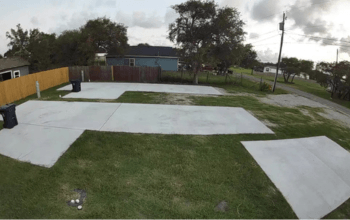
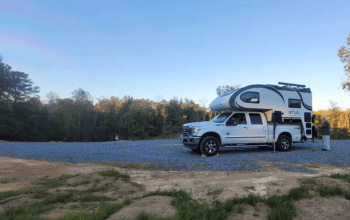
Landowners often wonder if property without water, electricity, or sewer hookups can attract RV guests. The answer is a resounding yes. Many RV travelers actively seek off-grid experiences where they can camp without traditional utilities. With the right preparation, land without hookups can become a profitable hosting opportunity that appeals to a growing segment of adventurous travelers looking for authentic boondocking locations.
“Off-grid hosts don’t compete on amenities—they compete on story, space, and solitude. The real opportunity isn’t adding utilities; it’s curating the uninterrupted experience that modern travelers struggle to find elsewhere.” – Caylee Shea Harrington, CEO of Hookhub
Understand What Boondocking Means to RV Travelers
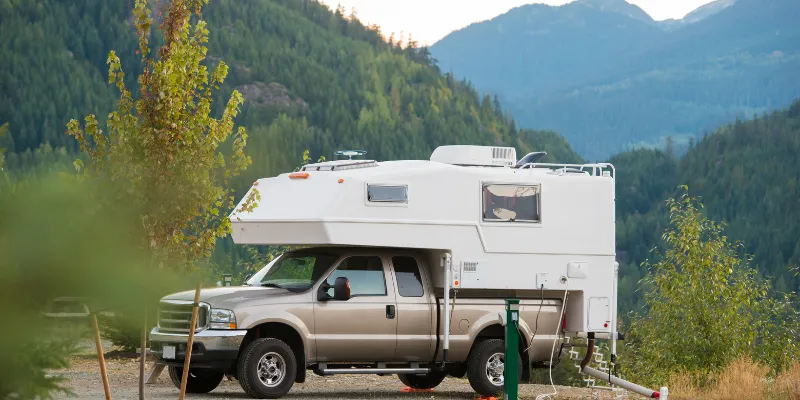
Boondocking, also known as dry camping, represents a beloved approach to RV travel. This camping style involves staying in locations without hookups for electricity, water, or sewage disposal. RVers rely entirely on their vehicle’s built-in systems to meet their needs during these overnight RV stays.
The appeal of boondocking centers on self-sufficiency and adventure. RV travelers who choose this style appreciate the challenge of managing their resources while enjoying natural settings far from crowded campgrounds.
Public lands managed by the Bureau of Land Management (BLM) and national forests traditionally offer these opportunities through dispersed camping, but private landowners increasingly provide secluded alternatives that boondockers value as unique destinations.
Mastering the Essentials of Dry Camping
Successful boondocking requires RVers to master their vehicle’s capabilities and limitations. The freshwater tank typically holds between 20 and 100 gallons, depending on whether it’s a compact camper or a large travel trailer, while deep-cycle batteries store electrical power for 12V systems. The gray water tank collects wastewater from the shower and sink, while the black tank handles sewage until it becomes necessary to dispose of it at a dump station. RV travelers who pursue camping without hookups develop habits and systems that extend their self-sufficiency for days or even weeks at a time.
| Aspect | Description | Considerations |
| Water Management | Relying on the RV’s water tank | Conserving water, finding refill stations |
| Power Generation | Using batteries, generators, or solar panels | Power consumption, recharging methods |
| Waste Management | Managing waste holding tanks | Finding dump stations, tank capacity |
Recognizing the Growing Demand for Off-Grid Experiences
The popularity of dispersed camping and boondocking continues to rise among RV travelers. This growth stems from multiple factors, including the freedom these stays provide, the stunning natural settings they access, and the cost-effective nature compared to traditional RV parks. As more RVers embrace this travel style, the demand for private land offering camping without hookups opportunities increases steadily, with travelers using apps and websites to discover new boondocking locations.
Landowners positioned to meet this demand can create income streams while helping travelers connect with nature in meaningful ways. The key lies in understanding what boondockers need and preparing land to accommodate those requirements for overnight RV parking.
Discover Why RVers Choose Hookup-Free Camping
The preference for RV camping without utilities extends beyond simply avoiding campground fees. RV travelers who seek boondocking opportunities pursue specific benefits that hookup-free campsites uniquely provide.
Finding Privacy in Secluded Natural Settings
Boondocking allows RV travelers to immerse themselves in undisturbed natural environments. The tranquility of remote boondocking locations and the beauty of unspoiled landscapes create powerful draws for these adventurers. Waking to bird songs rather than generator noise or highway traffic represents the essence of what many campers seek when they camp without hookups in nature.
This deep connection to nature motivates countless RVers to choose off-grid camping over conventional RV parks. Land that offers solitude, scenic views near a national park, or proximity to natural features holds tremendous appeal for this audience seeking authentic rving experiences.
Saving Money Through Budget-Conscious Travel
Financial considerations significantly influence the appeal of camping without hookups. RV travelers can dramatically reduce their travel costs by choosing free or low-cost campsites instead of paying daily hookup fees at traditional campgrounds. Many destinations, like Cracker Barrel, allow overnight parking for RVers, though private land offers more privacy and amenities.
For travelers who prefer longer stays in single locations, these savings compound quickly. Budget-conscious RVers actively search through apps like Campendium for affordable camping options that allow them to extend their journeys without depleting their funds.
Utilizing Self-Sufficient Off-Grid Capabilities
Many modern RVs, travel trailers, and campers come equipped with substantial off-grid capabilities. Solar panel systems generate electricity from sunlight to power the refrigerator, microwave, and other appliances, while large freshwater tanks store water for extended periods.
Advanced waste management systems with gray water tanks and black tanks allow for longer intervals between dump station visits. RV owners who invest in these systems specifically seek opportunities to use them and are ready to go off-grid.
| Off-Grid Capability | Description | Benefits |
| Solar Panels | Generate electricity from sunlight | Renewable energy, less generator use |
| Water Tanks | Store fresh water for drinking, cooking, and hygiene | Allows for longer stays without water hookups |
| Waste Management Systems | Manage waste through holding tanks and composting toilets | Less need for dump station visits |
Hosting RVs without hookups attracts these self-sufficient travelers who value the independence their equipment provides. Land that accommodates their off-grid lifestyle offers exactly what they seek for authentic dry camping experiences.
For creative ways to manage this setup, read our full guide on RV waste solutions for sites with no sewer.
How RVers Manage Without Traditional Utilities
RV travelers who boondock employ proven strategies for managing their essential needs. Understanding these methods helps landowners appreciate how well-prepared boondockers handle overnight RV camping without hookups at remote campsites.
Managing Water Resources Effectively
Water management forms a critical skill for successful dry camping. The typical water tank holds between 20 and 100 gallons depending on rig size and tank capacity. To extend this supply, experienced boondockers employ conservation techniques including:
- Turning off taps while brushing teeth
- Taking brief showers in their RV’s shower facility
- Using low-flow fixtures throughout the rig
- Using paper plates to minimize dishwashing needs and conserve precious fresh water
Some RVers carry portable water filters, allowing them to refill tanks from natural water sources like streams when safe to do so. The water pump efficiently distributes stored water throughout the RV to the shower, fridge, and other fixtures. Others plan routes that include stops at rest areas, local parks, or locations with potable water sources for tank refilling between boondocking locations.
Generating Power Through Multiple Solutions
Power management for RV camping without hookups involves combining several approaches. Deep cycle batteries store energy and provide reliable 12V power for lights, fans, and small appliances throughout the rig. The refrigerator and microwave can run on battery power, though high-demand appliances drain reserves quickly and require strategies to recharge the batteries.
Generators running on gasoline, diesel, or propane can quickly recharge the batteries and power the compressor for air conditioning, though their noise and fuel consumption limit their appeal for extended use at quiet boondocking locations. Learn more about choosing the right generator for off-grid camping.
Solar panel systems have become increasingly popular among boondockers ready to go off-grid. These systems harness sunlight to generate electricity continuously during daylight hours, offering an eco-friendly and cost-effective power solution for rving without hookups. Many newer RVs include solar panels as standard equipment, while older models and travel trailers can be retrofitted with these systems.
| Power Solution | Advantages | Disadvantages |
| Deep Cycle Batteries | Reliable, long-lasting | Requires regular maintenance |
| Generators | Can charge batteries quickly | Noise, fuel consumption |
| Solar Panels | Eco-friendly, cost-effective | Dependent on sunlight |
Handling Waste Disposal Responsibly
Waste management requires planning and discipline from boondockers. RVs contain holding tanks—the gray water tank and black tank—that collect sewage and wastewater from sinks and showers. When these tanks approach capacity, travelers must locate a dump station to empty them properly and maintain their ability to camp without hookups.
RVers find dump stations through multiple resources:
- Online resources and mobile apps designed for locating facilities
- Recommendations from fellow travelers in the RVing community
- Rest areas offering free or low-cost dump stations
- RV parks and dedicated facilities (some free, others for a nominal fee)
Some campers also use portable toilets as supplemental waste management solutions to extend time between dump visits at busy boondocking locations.
Prepare Land to Welcome Off-Grid RV Guests
Creating an appealing boondocking destination requires thoughtful preparation. Land must be safe, accessible, and suitable for accommodating RVs without traditional hookups, from compact campers to large travel trailers.
Creating Accessible and Level Parking Areas
Providing adequate parking space represents the most critical preparation step for those wanting to camp on private land. RVs range significantly in size, from compact campervans to 40-foot motorhomes, and all require level ground for safe parking during overnight rv stays.
Preparing parking areas involves clearing debris, rocks, and obstacles that could damage RVs. Grading creates a level surface, while adding gravel or crushed stone improves traction and drainage. Clear signage helps guests identify designated parking areas and understand site-specific instructions.
| Parking Area Features | Benefits | Considerations |
| Level Ground | Prevents RVs from tilting or becoming unstable | May require grading or excavation |
| Gravel or Crushed Stone | Improves traction and drainage | May need periodic replenishment |
| Clear Signage | Helps guests identify designated parking areas | Should be visible and easy to understand |
Adding Value Through Optional Amenities
Even without utilities, landowners can enhance guest experiences through thoughtful amenities. Picnic tables and benches provide outdoor seating, while a grill or fire pit enables cooking and socializing. Portable toilets offer convenient facilities for guests whose RV tanks reach capacity. Fresh water sources, if available, provide valuable refilling options that extend stays and reduce trips to find water sources.
These additions differentiate a property from basic boondocking locations found on BLM land or in national forests while maintaining the off-grid character that attracts dry camping enthusiasts.
Navigating Legal Requirements and Regulations
Before hosting overnight RV parking, landowners must verify that zoning laws allow overnight stays on private property. Call ahead to local officials to confirm regulations and understand any health, safety, or environmental requirements that apply to the campsite. For a comprehensive guide on legal considerations, review the essential information about parking RVs on private land.
Consulting with local officials or legal counsel ensures compliance with all applicable rules. Some landowners also choose liability insurance for added protection.
Marketing and Monetizing Your Hookup-Free Property
To make money from your land, list it on sites for RVers wanting off-grid spots. This is key to drawing in the right visitors and making hosting a success.
Listing on Platforms Designed for Off-Grid Properties
Specialized platforms and apps connect landowners with boondockers seeking unique camping locations. Apps like Campendium help travelers discover new boondocking locations and read reviews. Services like Harvest Hosts connect farms, wineries, and landowners with travelers seeking overnight stays on private property. When selecting platforms, consider listing fees, audience demographics, and control over listing presentations.
Setting Competitive Pricing for No-Hookup Stays
Research comparable listings to understand market rates for similar off-grid camping opportunities. Consider unique features like level parking areas, scenic views, proximity to national parks or national forests, and optional amenities when determining rates.
Offering discounts for extended stays attracts travelers preferring longer destinations while reducing turnover and ensuring consistent occupancy, making it more cost-effective for both landowners and guests.
Highlighting Natural Features and Nearby Attractions
The natural beauty of land forms its primary selling point for boondockers. Listing descriptions should emphasize nearby hiking trails, fishing lakes, mountain views, wildlife watching, or proximity to a national park or local park. High-quality photographs showcasing these features generate interest from nature-loving travelers.
Mention proximity to dump stations, water sources for refilling tanks, and grocery stores. Even noting nearby rest areas adds helpful context for journey planning.
Creating Clear Expectations in Listing Descriptions
Transparent communication prevents misunderstandings and ensures satisfied guests. Explicitly state that the property offers no utility hookups. Include parking area dimensions, whether the site accommodates large travel trailers, road conditions, property rules, and available amenities like a grill, portable toilets, or fresh water access.
Mention whether the location requires a generator or if solar panels work well due to sun exposure. Clarify the distance to the nearest dump station for gray water tank and black tank disposal. Clear expectations allow RV travelers to determine if they’re ready to go off-grid at this destination before booking, building trust and leading to positive reviews.
Watch our video guide to see how long-stay hosts handle this setup: No Sewer? 3 Guest-Approved RV Waste Solutions.
Start Earning From Your Land Today—No Utilities Required
Listing land for overnight RV parking without utilities presents a real, profitable opportunity. The boondocking market is expanding rapidly, with RVers actively seeking authentic dry camping experiences on private property. Success requires proper preparation, legal compliance, strategic marketing, and clear communication—but the potential returns make it worthwhile. Discover more ways to make money with your land beyond RV hosting.
Hookhub streamlines the entire hosting process, connecting landowners with RV travelers while handling technology, insurance, payments, and renter vetting. The platform has expanded across nine states, demonstrating strong demand from travelers seeking alternatives to crowded RV parks.
Ready to turn unused property into income?
Discover your land’s earning potential with Hookhub’s [15-Minute Property Assessment]. This quick evaluation identifies what appeals to boondockers, highlights preparation needs, and estimates potential income based on your location and features.Complete your assessment at Hookhub.co and start welcoming RV guests who camp without hookups. The opportunity is waiting—take the first step today.