
Operating an RV park goes beyond providing a parking space—it’s about building trust through safety and creating memorable experiences that keep guests coming back. A well-prepared property protects both the business and its visitors while establishing a reputation for quality and care.

The RV travel market continues to grow, and hosts who prioritize safety alongside comfort position themselves for success. Creating a secure environment for RV travelers builds community, generates positive reviews, and drives repeat bookings.
“The difference between an ordinary RV parking spot and a destination guests rave about lies in the freedom that strong safety measures create. When travelers feel secure, they stay longer, explore more, and build lasting connections that keep them coming back.” – Caylee Shea Harrington, CEO of Hookhub
The Essentials of Preparing Property for RV Guest Stays
RV travelers arrive with specific expectations based on their setup and travel style. Meeting these needs starts with understanding the different accommodation types and what each requires.
Types of RV Accommodations
Full Hookups: These sites include electrical, water, and sewage connections—essential for larger RVs and families who need full amenities. Full hookups are the most sought-after option and command premium rates.
Dry Camping: Also called boondocking, this option attracts self-sufficient travelers who prefer off-grid experiences. While requiring less infrastructure, these sites still need safe, level parking areas and accessible dump stations.
To get a deeper grasp of what guests look for in hookups and amenities, explore this guide to RV park hookups.
Key Guest Expectations
Self-Contained Systems: Most modern RVs have onboard toilets, showers, and waste holding tanks. However, guests still require convenient, sanitary dump stations with clear instructions.
Basic Amenities: Depending on their setup, guests expect reliable access to potable water, electrical power, and waste disposal facilities.
Clear Communication: Posted signage for facilities, detailed property information, and guidance on local amenities prevent confusion and enhance the guest experience.
To meet these expectations effectively:
- Install clear, weatherproof signage throughout the property
- Maintain all shared facilities to the highest cleanliness standards
- Provide detailed arrival information, including local services and emergency contacts
- Keep facilities in working order with regular inspections.
Hosts can also share this electric jack operation guide with guests to ensure smooth arrivals.
Design Safe Parking Areas That Protect Your Investment
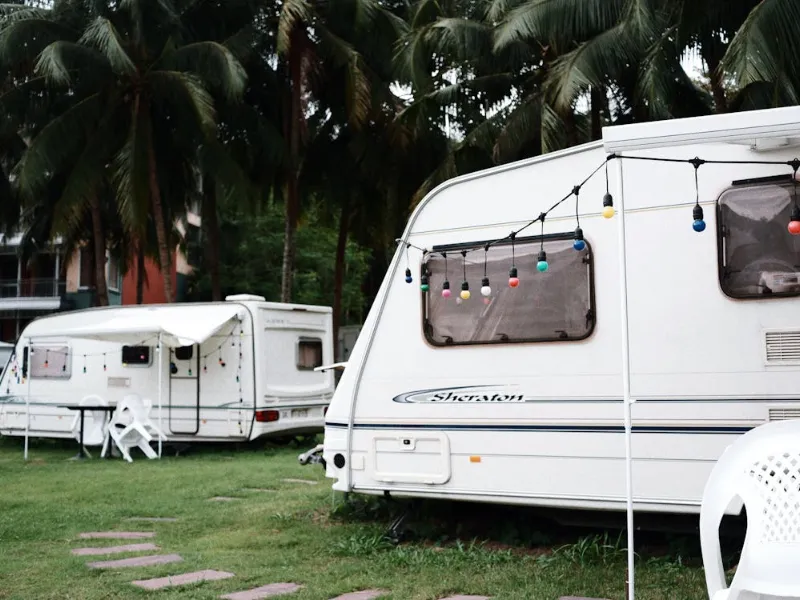
The foundation of any RV park is well-designed parking and setup areas. Proper site preparation prevents accidents, equipment damage, and liability issues.
Choosing the Right Location on the Property
Site selection requires careful evaluation of multiple factors. Position RV parking areas away from overhead power lines, flood-prone zones, and property boundaries. Sites with electrical hookups need proximity to power sources while maintaining safe clearances.
Consider environmental factors, including:
- Natural drainage patterns to prevent water accumulation
- Sun exposure throughout the day for guest comfort
- Wind patterns and natural windbreaks
- Distance from noise sources like roads or commercial areas
Ensuring Level Surfaces and Stability
Uneven parking surfaces create serious risks. RVs parked on slopes can experience:
- Appliance malfunctions (refrigerators require level operation)
- Plumbing issues with waste tank drainage
- Structural stress on the RV frame
- Safety hazards from sliding or tipping
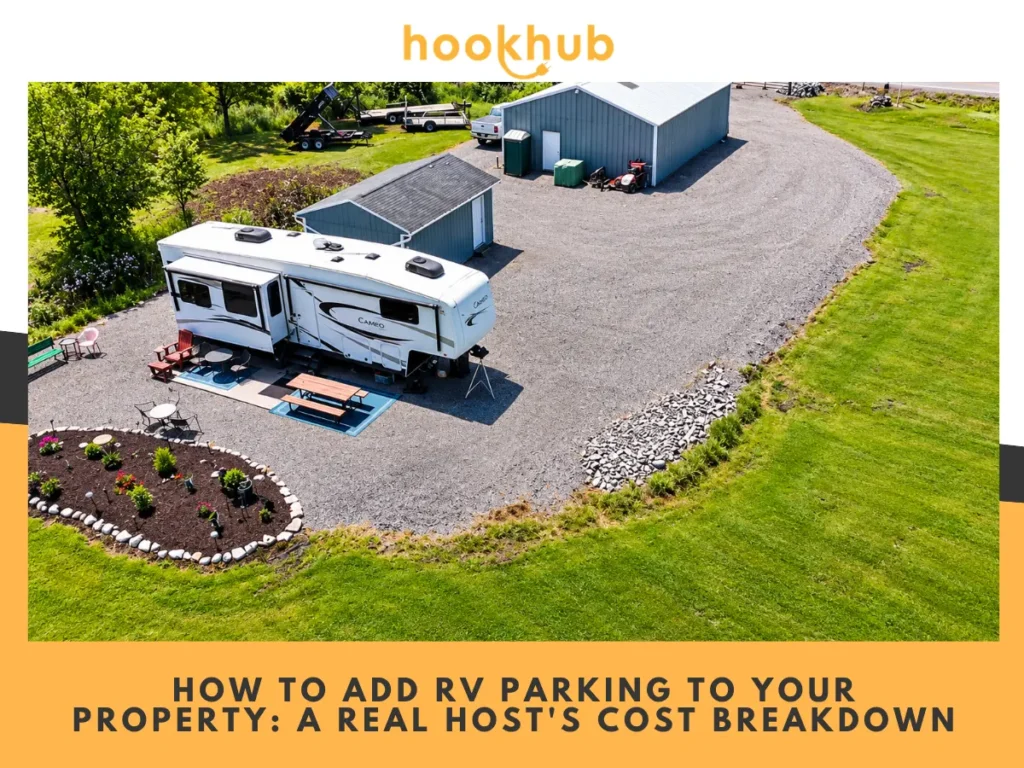
Use professional grading equipment to create level parking pads. Provide leveling blocks as a courtesy, and include leveling instructions in guest materials. Regular surface inspections catch and correct settling before it becomes problematic.
Sudden trailer shifts can stress components; keep this troubleshooting guide on handy for any mechanical or electrical issues.
Accommodating Different RV Sizes Maximizes Occupancy
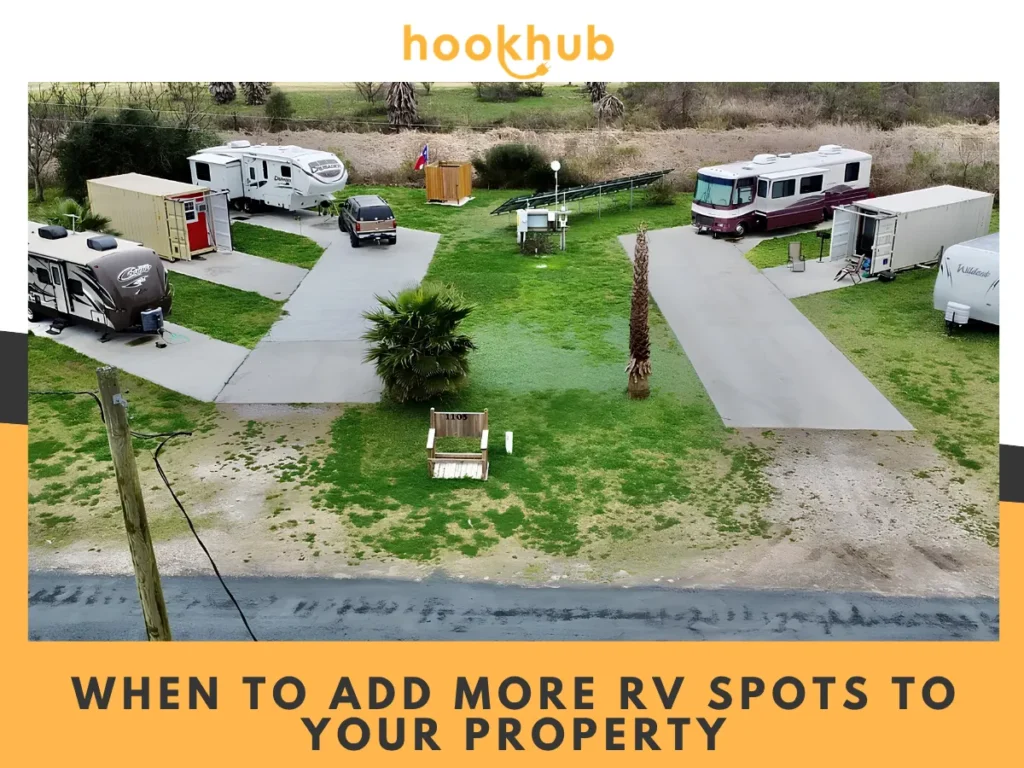
RV sizes range from compact camper vans to 45-foot luxury motorhomes with slideouts. Properly sized sites prevent guest frustration and potential property damage during maneuvering.
| RV Size | Recommended Site Dimensions | Access Requirements |
| Small RVs (under 25 feet) | 12 feet wide, 30 feet long | Minimal turning radius, standard access |
| Medium RVs (25-35 feet) | 14 feet wide, 40 feet long | Wider access roads, moderate maneuvering space |
| Large RVs (over 35 feet) | 16 feet wide, 50+ feet long | Pull-through sites preferred, substantial clearance |
Pull-through sites eliminate backing challenges for large RVs and are worth the premium pricing they command.
For more guidance on layout and maximizing site capacity, check out 9 RV parking factors every host should consider.
Install Safety Features That Reduce Liability and Build Trust
Safety equipment protects lives and shields property owners from liability. These installations demonstrate professional-level hosting and meet insurance requirements.
Life-Saving Detection Equipment
Install smoke and carbon monoxide detectors in all enclosed guest-accessible spaces: bathhouses, laundry facilities, and covered common areas. Ensure monthly testing, battery backups, and clear audible alerts.
Position fire extinguishers at key locations: electrical hookup stations, dump stations, common buildings, and property entrances. Conduct monthly visual inspections and schedule annual professional servicing. Post usage instructions at each location.
Quick Reference: Fire Extinguisher Types
| Type | Use For | Inspection |
| Class A | Wood, paper, cloth | Monthly + Annual |
| Class B | Gasoline, oil, grease | Monthly + Annual |
| Class C | Electrical fires | Monthly + Annual |
| Class ABC | All-purpose | Monthly + Annual |
Property Security and Lighting
Motion-activated LED lighting illuminates pathways, deters unauthorized access, and provides guest reassurance during nighttime hours while maintaining energy efficiency.
Additional security measures include gated access with keypads, security cameras at entrances (with posted notices), prominently displayed emergency contacts, and clear property boundary signage.
Setting Up Utility Hookups for Guest Convenience
When hosting RV guests, it’s key to offer access to important utilities. This makes their stay comfortable and convenient. Utility hookups are a must for a welcoming RV environment.
Power Connections Done Right
Most RVs require 30-amp or 50-amp service. Install weather-resistant NEMA TT-30 and NEMA 14-50 receptacles with GFCI protection, mounted 18-24 inches above ground. Clearly label amperage at each pedestal and hire licensed electricians for all installations to prevent fires, equipment damage, and code violations.
Learn more about proper installations and safety standards in this comprehensive guide to RV hookups.
Clean Water and Waste Management
Install frost-proof spigots within 20 feet of each pad with backflow prevention devices. Mark all spigots clearly as “potable water” and test water quality quarterly.
For dump stations, use 3-inch minimum waste lines with proper slope (1/4 inch per foot), fresh water rinse connections, and adequate lighting. Post clear usage instructions, maintain regular cleaning schedules, and keep disposable gloves available.
For more detailed guidance on proper waste disposal and system maintenance, visit the EPA’s guide to septic system best practices.
Propane Access and Safety
While most guests carry propane supplies, providing nearby access information adds value. Post “No Smoking” signs, maintain 10-foot clearances from ignition sources, ensure proper ventilation, and include propane safety guidelines in guest materials.
Add Comfort Amenities That Make Guests Feel at Home

Comfort is a key differentiator in RV hosting. Thoughtful amenities transform a basic stay into a memorable experience that earns glowing reviews and repeat bookings.
Provide Essential Linens, Toiletries, and Supplies
Guests appreciate clean, high-quality essentials that make their stay feel effortless.
Stock each site or rental with:
- Fresh linens – Towels, sheets, and blankets
- Toiletries – Shampoo, conditioner, and body wash
- Basic supplies – Toilet paper, paper towels, and other daily necessities
These simple touches elevate the guest experience while signaling professionalism and care.
Offer Kitchen and Pantry Basics for Longer Stays
For travelers staying multiple nights, kitchen access adds major value.
Equip kitchens or shared spaces with:
| Kitchen Essentials | Pantry Staples |
| Plates, bowls, cups | Coffee, tea |
| Utensils (forks, knives, spoons) | Snacks (nuts, dried fruit) |
| Cookware (pots, pans) | Spices (salt, pepper, basics) |
Well-stocked kitchens make guests feel at home and encourage longer stays.
Add Personal Touches That Leave a Lasting Impression
Small, thoughtful details go a long way.
Consider:
- A welcome basket with local treats or essentials
- A printed guide to nearby attractions and services
- Cozy touches like throw blankets, books, or magazines
These gestures create warmth and help your property stand out from generic RV stops.
Manage Your RV Business Smoothly for Consistent Growth
Behind every successful RV property is efficient, thoughtful management. From pricing to check-out, well-run operations build trust and drive repeat business.
Set Competitive Rates and Streamline Reservations
Determine pricing based on RV type, seasonal demand, and local market trends. Use a simple, reliable booking system and respond promptly to inquiries to avoid losing potential guests.
Establish Clear Guest Guidelines
Transparent rules help prevent misunderstandings and ensure smooth stays.
Cover essentials like:
- Check-in and check-out times
- Site usage instructions
- Emergency contacts and procedures
Clarity upfront leads to fewer issues later.
Prepare for Arrivals and Departures
A clean, organized setup sets the tone for the stay. Provide a welcome packet with site details and local tips, and use a departure checklist to ensure everything is returned in good condition. A polished process leaves a positive final impression.
Build a Standout RV Destination That Lasts
Safety, comfort, and smart management are the cornerstones of a successful RV property. Hosts who prioritize these elements not only provide memorable experiences for their guests but also build sustainable businesses that thrive year after year.
Every detail counts—whether it’s the safety of your parking areas, the reliability of your hookups, or the thoughtful amenities that make guests feel at home. When combined, these efforts transform a simple RV stop into a destination guests rave about and return to.
👉Download the guide today to see “The Full Picture”and discover how Hookhub can help you create a rock-solid protection plan—one that safeguards your property, delights your guests, and sets your RV business up for long-term success.