Running an RV park or campground can be a great business idea. The rise in RV travel and full-time RV living in the U.S. shows it’s a growing market. But setting up and running such a place comes with big costs. These costs depend on many factors.
The total cost to start an RV park can be between $500,000 and $2+ million. If you’re thinking about this investment, an understanding of costs is crucial. We’ll look at all the expenses, from purchasing the land to operating costs associated with daily needs. This will help you make a smart choice.
The Growing RV Park Industry
The RV park industry is booming, thanks to new travel trends and demographics.
Current Trends in RV Travel
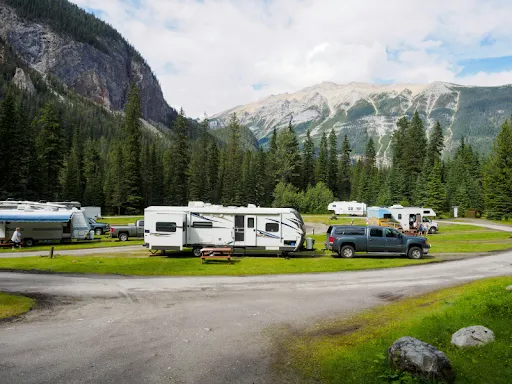
RV travel is on the rise, with 8.1 million U.S. households currently owning an RV (6.7% of vehicle‑owning households). People love the freedom, adventure, and nature connection it offers. RV parks and campgrounds are seeing a big increase in visitors.
Several factors contribute to RV travel’s popularity. It’s flexible and lets you explore new places without the cost of hotels. The RV community also values friendship, making it appealing for those looking for social connections on the road.
Profit Potential and Occupancy Rates
RV parks can be very profitable, thanks to high occupancy rates. These rates depend on location, amenities, and management. Parks in peak seasons can fill up quickly.
To make more money, RV park owners need to find the right balance. They should offer good prices and quality amenities. A great camping experience means an RV park includes clean bathrooms, laundry, and fun activities.
For a closer look at the responsibilities and rewards of running an RV park, read our guide on owning an RV park.
| Occupancy Rate | Average Daily Rate (ADR) | Revenue Per Available Site (RevPAS) |
| 60% | $40 | $24 |
| 80% | $60 | $48 |
| 90% | $100 | $90 |
The Average Annual Revenue for an RV park
The average annual revenue for an RV park varies significantly, but a median figure for reported revenues is around $241,593, though this can range widely from smaller parks with potentially less than $60,000 to larger, resort-style parks generating over $1 million. Revenue depends heavily on the park’s size, location, amenities, occupancy rates, and the mix of short-term versus long-term guests.
Factors influencing revenue
- Park Size and Occupancy:
- Larger parks with high occupancy rates will naturally generate more revenue, but are also subject to higher operating costs.
- Location: Prime locations with high demand and unique attractions will command higher nightly rates and potentially higher revenue.
- Amenities and Services: Parks offering premium amenities like Wi-Fi, laundry, planned activities, or even on-site stores can generate additional income.
- Guest Mix: A mix of short-term vacationers and longer-term residents can provide a stable revenue stream.
Example of revenue breakdown
- A 100-spot park in this example generated revenue in a single year from:
- Peak Season (June-August): 80% occupancy at $50/night = $120,000
- Shoulder Season (April-May, Sept-Oct): 50% occupancy at $40/night = $48,000
- Off-Season (Nov-March): 20% occupancy at $30/night = $18,000
- Extra Income (Store/Events): $24,000
- Total Revenue: $210,000 in this example
What Makes a Successful RV Park
A successful RV park offers a welcoming and well-kept place for travelers. It’s not just about the amenities but also the service and community feeling.
“The most successful RV parks aren’t built on amenities alone—they’re built on the recognition that you’re creating a community, not just renting spaces. When hosts understand this distinction, they naturally shift from thinking about ‘facilities management’ to ‘experience design.’
What might seem like small details—the community fire pit positioned to catch the sunset, the hand-drawn map highlighting local gems, the welcome basket with regional treats—these aren’t expenses, they’re investments in the stories your guests will tell long after they’ve unhooked. True success comes when your land becomes a character in their journey, not just a coordinate on their GPS.” – Caylee Shea Harrington, HookHub CEO and Founder
Great facilities of an RV park can vary. But the key elements include clean facilities, fun activities, and excellent service. By focusing on these, RV park owners can build a loyal customer base and encourage repeat visits.
Land Acquisition: The First Major Expense
Buying land for RVs is the first big step. The overall cost can change a lot based on where it is, how big it is, and the local real estate market.
Land prices for RV parks may cost from $2,000 to $20,000 per acre. This shows how important it is to plan well and do your research when picking a site.
Average Cost Per Acre for RV Park Land
The cost per acre of RVs depends on many things. For example, how close it is to tourist spots, cities, and the land’s quality.
Here are some general prices:
| Location Type | Average Cost per Acre |
| Rural Areas | $2,000 – $5,000 |
| Suburban Areas | $5,000 – $10,000 |
| Urban Areas | $10,000 – $20,000 |
Location Factors That Affect Price
Many things can change how much land costs for an RV park.
These include:
- Proximity to Attractions: Land near tourist spots or natural beauty costs more.
- Accessibility: Being close to highways and major roads can raise the price.
- Local Economy: Places with a strong economy and growing population have higher land prices.
- Zoning and Land Use: Land for commercial or recreational use costs more than agricultural land.
Zoning Requirements and Restrictions
Zoning rules and restrictions are key in choosing and pricing RV park land. It’s crucial to check local zoning laws before buying.
Important zoning things to consider include:
- Minimum Acreage: Some places require a minimum size for RV parks.
- Setback Requirements: Rules on how close structures can be to property lines or water.
- Environmental Regulations: Places with sensitive ecosystems have strict rules.
Knowing these factors and rules helps make a smart choice when buying land for your RV park. It ensures your investment is good and will make money.
Permits, Legal Fees, and Initial Planning Costs
Starting an RV park involves a lot of work with permits, legal fees, and planning costs. These costs are key to following the rules and laying a strong base for your project.
Required Permits and Approvals
Getting the right permits and approvals is a big step in starting an RV park construction process. These costs can be from $10,000 to $50,000. The type and number of permits needed depend on your park’s location, size, and type.
- Zoning permits
- Environmental permits
- Building permits for facilities like bathrooms and laundry rooms
- Health department permits
Environmental Impact Assessments
Environmental impact assessments are a big part of getting permits. They check how your RV park might affect the environment, like water use, waste, and wildlife.
Key parts of environmental impact assessments include:
- Evaluating water sources and usage
- Assessing waste management needs
- Identifying potential impacts on local ecosystems
Experts say, “Doing thorough environmental impact assessments is not just about following rules. It’s about making sure your RV park is sustainable in the long run.”
“The goal is to minimize your footprint while maximizing the guest experience,” says River, an environmental consultant.
Professional Services (Surveyors, Engineers, Attorneys)
Professional services are crucial in the early stages of planning an RV park. Surveyors define property lines, engineers design the setup, and attorneys check legal needs.
The overall cost for these services can vary a lot, depending on the project’s complexity and the professionals’ rates.
Here are some estimated costs:
| Service | Estimated Cost |
| Surveying | $5,000 – $15,000 |
| Engineering | $10,000 – $50,000 |
| Legal Fees | $5,000 – $20,000 |
Knowing about permits, legal fees, and planning costs is key for budgeting and planning your RV park. By understanding these costs, you can better prepare for the challenges and ensure your project’s success.
The Total Cost to Build an RV Park: Site Development
Preparing land for an RV park is complex and expensive. It includes several key steps that add up to the total cost. Knowing these costs helps plan the investment needed for an RV park.
1. Site Preparation and Grading
Site preparation is the first step. It means clearing the land, removing debris, and leveling it. The cost depends on the land’s state and the work needed. For example, land with steep slopes or thick plants costs more.
Expect to spend between $10,000 to $50,000 or more on site preparation. This depends on the RV park’s size and the terrain’s complexity.
2. Utility Installations (Water, Sewer, Electric)
Installing utilities is a big part of the cost. This includes water, sewer, and electric systems. The price varies based on existing infrastructure and distance to connections.
- Water might need wells or municipal connections.
- Sewer systems could be septic tanks or municipal lines.
- Electric needs might include grid connections or solar panels.
These utilities are essential for RV guests. They can cost from $50,000 to over $200,000. When planning utilities, check our guide that explains RV hookups for water, sewer, and electrical systems.
3. Road Construction (Paved vs. Gravel)
Road construction is crucial. The choice between paved and gravel roads affects costs and maintenance. Paved roads are durable but expensive. Gravel roads are cheaper but need more upkeep.
Choosing between paved and gravel roads depends on traffic, climate, and look. Paved roads cost more but need less maintenance. Budget for $20,000 to over $100,000, based on park size and road type.
In summary, site development for an RV park involves preparation, utilities, and roads. Each part is vital for a good RV park. By understanding and budgeting for these costs, developers can plan and execute their projects well.
Amenities and Facilities: Investment Breakdown
Creating a welcoming RV park needs careful thought in amenities and facilities. These elements improve the guest experience. They also help increase occupancy rates and make your park stand out.
Essential Facilities
Essential facilities are the secret of a comfortable stay. They include:
- Bathrooms: Clean bathrooms with showers, toilets, and sinks are essential.
- Laundry Facilities: Laundry facilities are a big plus, helping guests with long stays.
- Office and Reception: A well-equipped office is vital for managing the park.
The cost of these facilities varies. High-end bathroom fixtures can be expensive. But, simpler installations are more affordable.
| Facility | Low-End Cost Estimate | High-End Cost Estimate |
| Bathrooms | $20,000 | $50,000 |
| Laundry Facilities | $15,000 | $30,000 |
| Office and Reception | $10,000 | $25,000 |
Recreational Amenities and Their Costs
Recreational amenities make your RV park more appealing. They offer guests activities and services.
Some popular options include:
- Swimming Pools: A swimming pool attracts families.
- Clubhouses: A clubhouse is a social center for guests.
- Dog Parks: Dog parks are great for pet-friendly parks.
These amenities have their costs. Building a swimming pool can cost $30,000 to $100,000 or more. This depends on its size and features.
Technology Infrastructure
Technology is key in today’s world for RV parks.
This includes:
- Wi-Fi: Fast, reliable internet is a must for RV travelers.
- Security Systems: Security measures like cameras and alarms improve safety.
The cost of technology varies. But, investing in good Wi-Fi and security systems boosts guest satisfaction and keeps them coming back.
Landscaping and Aesthetic Improvements
Landscaping and aesthetic improvements enhance your RV park’s ambiance.
This includes:
- Gardening and Landscaping: Well-kept gardens and landscaping welcome guests.
- Decorative Elements: Decorative items like outdoor lighting and fountains add character.
These improvements can be pricey. But, they greatly improve the guest experience and attract more visitors.
For a complete breakdown of real-world development, watch this video on how to build an RV park from scratch.
Cost Variables: What Affects Your Bottom Line
Building an RV park comes with many cost variables. We must consider these to make a successful investment.
To better estimate costs and pricing for RV guests, try our RV living cost calculator.
Size and Number of RV Sites
The size and number of RV sites greatly affect costs. Larger parks need more land, utilities, and amenities. This increases both initial and ongoing expenses.
For example, a bigger park might need better water and sewage systems. It might also require more parking and amenities like pools. The cost per acre of land also varies by location.
A park with 50 sites is different from one with 100. The number of sites impacts construction, maintenance, and staffing costs. It’s key to balance site numbers with available land and resources.
Geographic Location and Climate Considerations
Where you build your RV park greatly affects costs. Climate, zoning, and local codes all play a role. For instance, areas prone to natural disasters might need extra construction for safety.
RV parks in coastal areas face hurricane risks, while those in cold climates must handle snow. Knowing these factors is vital for budgeting and planning. Learn more about budget planning for RV parks to guide your investment.
Target Market (Luxury vs. Basic Accommodations)
The type of RV park you aim for affects costs. Luxury parks with amenities like pools and fitness centers cost more than basic parks.
Knowing your target market helps tailor your offerings. For luxury travelers, you might need to invest in landscaping and aesthetics. This ensures a good return on investment.
Seasonal vs. Year-Round Operations
Whether your park is seasonal or open all year affects costs. Seasonal parks have lower expenses off-season but need protection. Year-round parks require constant maintenance and staffing.
Understanding your park’s operational needs is key for budgeting. For example, year-round parks might need stronger utility systems and more staff. Seasonal parks might focus on weatherproofing and security during off-seasons.
Key Takeaways
- Starting an RV park can cost between $500,000 and over $2 million.
- Land costs can add about $3,000 per acre to the startup cost.
- Adding things like electricity and water can raise the cost a lot.
- There are ongoing costs like insurance and daily expenses.
- Knowing these costs is important for a smart investment.
Balancing Investment with Potential Returns
Investing in an RV park can be very profitable. But, it needs careful planning and understanding the total cost. The cost to build an RV park can range $500,000 to $2+ million. This depends on things like buying land, developing the site, and adding amenities.
When looking at the costs of building an RV park, think about the potential returns. RV parks with amenities like swimming pools and clubhouses cost more. But, they also draw in more guests. Knowing the costs and possible earnings helps investors make smart choices.
Ready to see if the numbers work for your property?
Use our free income calculator to estimate your earning potential based on your specific situation.
FAQs
What are the initial costs involved in starting an RV park?
Starting an RV park costs money for land, permits, and building sites and amenities. The price of land changes based on where it is, zoning rules, and the local market.
How much does land cost for an RV park?
Land prices for RV parks can change a lot. They can be from $3,000 to $100,000 or more per acre. This depends on the location, how easy it is to get to, and local zoning rules.
What permits and approvals are required for an RV park?
You need permits like zoning approvals and health department permits. The exact permits needed depend on the RV park’s size and location.
How much does site development cost for an RV park?
Developing a site can cost between $15,000 to $50,000 or more per site. This includes preparing the site, installing utilities, and building roads. The cost depends on how complex the development is.
What amenities are typically included in an RV park?
RV parks usually have basic facilities like bathrooms and laundry. They also have fun stuff like pools and playgrounds. Plus, they offer Wi-Fi and improve the look of the park with landscaping.
How do the size and number of RV sites affect costs?
Bigger RV parks can save money because of economies of scale. But, they need more land, infrastructure, and amenities. This makes the total cost higher.
What are the ongoing operational expenses for an RV park?
Ongoing costs include keeping things running, paying for utilities, staff, and marketing. These costs change based on the park’s size, staff, and services offered.
How can RV park owners optimize their returns on investment?
To make more money, RV park owners should balance spending on amenities and services with keeping costs low. They should also know their market well and manage how full the park is.
What factors contribute to the success of an RV park?
Success comes from a good location, nice amenities, and smart marketing. Good management and knowing your market are also key. Staying up-to-date with trends is important too.
How do environmental impact assessments affect the cost and process of opening an RV park?
Environmental impact assessments are a big part of getting permits. They add to the upfront costs. But, they make sure the park is developed in a way that’s good for the environment.
Can the cost to build an RV park vary significantly based on geographic location?
Yes, costs can change a lot because of land prices, zoning, climate, and construction costs in different places.