
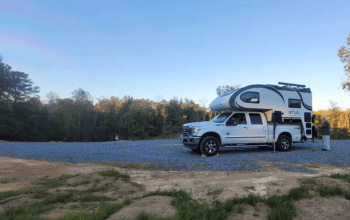
The RV lifestyle continues to grow, with over 11 million American households now owning an RV. As more people embrace this way of travel, the demand for RV parks is rising across the country.

If you own rural land, turning it into an RV park might seem like a smart move—but it’s not as simple as parking a few rigs. Developing a successful RV park involves understanding local zoning laws, securing the proper permits, and planning for infrastructure like utilities, waste management, and road access.
Before you build an RV park, it’s important to know what it takes to turn raw land into a revenue-generating destination.
What to Expect from this Blog
- Understand local zoning laws and regulations for RV parks.
- Obtain necessary permits and licenses to operate an RV park.
- Design your RV park to meet the needs of RV travelers and full-time RV-ers.
- Research local health and environmental agency requirements.
- Consult with an experienced real estate attorney to ensure compliance.
Understanding Legal Requirements to Convert Land into an RV Park
Before launching your RV park, it’s essential to understand the legal requirements that govern land use. These laws help ensure your project runs smoothly—and creates a safe, enjoyable space for travelers.
1. Research Local Zoning Laws and Regulations
Start by checking local zoning ordinances to confirm your land can legally host an RV park. Zoning laws vary by city and county, so what’s allowed in one area may be restricted in another.
- Is the land zoned for recreational or commercial use?
- Are there density limits or space requirements per RV site?
- Are there restrictions related to floodplains, historic areas, or environmental zones?
Meet with your local planning or zoning department to get specific guidance for your location.
Curious about the legalities of RV stays on private land? This guide on moochdocking and zoning laws breaks down property use rules every future RV park owner should know.
2. Secure Required Permits and Licenses

Once zoning is confirmed, apply for the necessary permits. Depending on your location, you may need:
- Building permits for new construction or upgrades
- Environmental permits for areas near wetlands or protected land
- Health and safety permits for pools, restrooms, and laundry facilities
- Wastewater or septic permits for sewage and sanitation systems
- Business licenses to operate legally in your state or county
3. Address Environmental Regulations
RV parks must comply with environmental laws related to land development. This includes:
- Stormwater management to reduce erosion and runoff
- Wetland and wildlife protection where applicable
- Proper waste disposal systems to avoid pollution
- Optional environmental studies to identify risks early
- Sustainable practices like recycling and energy efficiency
4. Engage with Local Authorities and the Community
Collaboration with local officials and neighbors can help your project succeed. Many municipalities require public hearings before granting approvals.
- Meet regularly with local planners and officials
- Host community meetings to share plans and gather feedback
- Be open to adjustments that improve local support
By understanding and following legal requirements from the start, you’ll build a park that’s not only compliant but also welcomed by the community and ready to thrive.
Planning and Developing Your RV Park
Creating a successful RV park starts with careful planning and smart development strategies. We’ll show you how to turn your land into a popular RV spot.
Create a Comprehensive Business Plan
A solid business plan is the base of your RV park. It should have a market analysis, financial forecasts, and how you’ll run things. Think about location, competition, and who you want to visit to make a plan that fits.
Market analysis means knowing how many people want RV parks near you, who else is offering them, and what makes yours special. This helps you stand out and draw in the right visitors.
Prepare Financial Considerations and Investment Requirements
Getting the financial side of your RV park right is key. You’ll need money for preparing the land, building infrastructure, and adding amenities. You also have to think about ongoing costs like upkeep, bills, and staff. A good financial plan helps you get funding and manage your money well.
Initial investment depends on how big your land is, what amenities you offer, and what you need to build. Make a detailed budget that covers all these costs.
From land prep to utility setup, check out this full breakdown of campground costs to better estimate your total investment.
Design RV Sites and infrastructure.
The design of your RV sites and infrastructure is crucial. They need to be big enough for different RV sizes and meet the needs of today’s travelers.
Important things to consider include:
- Big enough RV sites with enough room to park and move around
- Good hookups (electric, water, sewer) that work well
- Systems for handling waste, like septic and dump stations
- Well-made roads and paths for walking
See a real-world example in this 2-acre RV lot layout design walkthrough video.
Offer Essential Amenities to Attract RVers
To draw in RVers, offer amenities that make their stay better. You need full hookups, clean bathrooms, and reliable Wi-Fi. Extras like pools, laundry, and places to play can make their visit even better.
“The quality of amenities can make or break the RV experience. Investing in clean, modern facilities is crucial for attracting repeat business and positive reviews.”
By focusing on these areas, you can make an RV park that meets and goes beyond what travelers expect.
Building a Legal and Thriving RV Park Takes Planning—But It’s Worth It
Launching a successful RV park isn’t easy; it takes careful planning, compliance with local laws, and smart business management. But with the right strategy and mindset, it’s absolutely achievable.
From securing permits to maintaining clean facilities and offering modern amenities, every decision impacts guest satisfaction and long-term growth. A well-thought-out business plan, strong cash flow, and a focus on guest experience will set your park apart.
Stay informed on zoning laws, invest in improvements, and always look for ways to enhance operations. When you prioritize both legal compliance and traveler satisfaction, your RV park won’t just open—it will thrive.
Looking to list your future RV park or attract travelers?
Hookhub helps hosts connect with RVers and streamline campground bookings.
FAQs
What are the first steps to take when considering converting land into an RV park?
Start by checking local zoning laws to see if your land can be used for an RV park. You need to know the specific rules and restrictions in your area.
What kind of permits and licenses are required to operate an RV park?
You’ll need a business license, zoning permit, and health department permit. Check with local authorities to find out what you need for your RV park.
How do I ensure environmental compliance when developing an RV park?
Do an environmental assessment to find any issues like wetlands or endangered species. You must also follow rules for septic systems, water, and waste management.
What are the key elements of a comprehensive business plan for an RV park?
A good business plan has a market analysis, financial projections, and marketing strategies. It should also cover your target audience, pricing, and amenities.
What are the essential amenities that RVers look for in an RV park?
RVers want full hookups like water, sewer, and electric. They also look for Wi-Fi, laundry, and sanitary stations. Think about what your guests like when planning your park.
How do I determine the ideal number of RV sites for my park?
The right number of sites depends on your land size, zoning laws, and goals. Make a site plan that balances sites with amenities and open spaces.
What are the typical costs associated with developing an RV park?
Costs vary but include land, site prep, infrastructure, and amenities. Make a detailed budget and financial plan to ensure your project works.
How can I ensure a smooth approval process when developing an RV park?
Work closely with local authorities and neighbors. Address their concerns and provide needed documents. Building good relationships and being responsive helps get approval.
What are some strategies for managing and maintaining a successful RV park?
Focus on customer satisfaction and keep amenities high quality. Always look for ways to improve. Review your finances regularly and make changes as needed.
How can I attract and retain RVers at my park?
Offer competitive prices and great customer service. Create a welcoming atmosphere. Keep up with the latest amenities and services RVers want.