








Winter camping can be a dream come true for many RV enthusiasts, but it also presents unique challenges, particularly with moisture control. Understanding how to keep moisture out of your RV during these colder months is essential to prevent condensation, mold growth, and damage to your camper’s interior.
This article will explore practical tips for maintaining optimal humidity levels and protecting your RV from the adverse effects of winter weather.
Understanding RV Condensation and Humidity
The interaction of cold air entering your RV and the warm air inside plays a crucial role in the formation of condensation. When these contrasting air masses meet, the warm air cools rapidly, condensing moisture on cooler surfaces, such as walls, ceilings, and RV windows.
Everyday activities, including cooking, showering, and even breathing, contribute to humidity levels inside your RV. Due to the often limited insulation and absence of double-pane windows, RVs can be particularly vulnerable to condensation when temperatures drop below 50 degrees Fahrenheit.
Promptly addressing this moisture problem can prevent dampness and significant damage over time.
What Causes Condensation in Your RV?
Understanding the causes of condensation in your RV is essential for effective prevention. The primary factors include the temperature differential between the inside and outside air and moisture in the air from everyday activities.
As warm air rises and cools, it loses its ability to hold moisture, leading to condensation on surfaces like counters and cabinets. Using a small dehumidifier can help absorb moisture, significantly reducing condensation in your RV.
You can mitigate the risks of excess moisture buildup and its associated damage.

Impact of Humidity Levels Inside Your RV
Maintaining appropriate humidity levels inside your RV is crucial for preventing mold and mildew growth and preserving the integrity of your camper’s materials. Ideally, humidity should be between 30 and 50 percent to avoid issues like wood rot and electrical corrosion.
Excessive humidity can warp cabinet doors and create permanent stains from mold, leading to costly repairs and potential health risks for occupants. Regularly monitoring humidity levels and utilizing moisture absorbers or an RV dehumidifier can keep moisture out of your RV and protect your investment during storage or winter camping trips.
Signs of Moisture and Mold in Your RV
Being vigilant for signs of moisture and mold in your RV is essential for early detection and prevention of further damage. Common indicators include visible water droplets on surfaces, musty odors, and the presence of mold.
Swollen or warped furniture can signal prolonged exposure to damp conditions, necessitating immediate action. Regularly checking for these signs, especially during the winter months, can help you address moisture issues before they escalate, ensuring a comfortable and safe environment for your travels.
Effective Ways to Reduce Moisture in Your RV
Utilizing Dehumidifiers
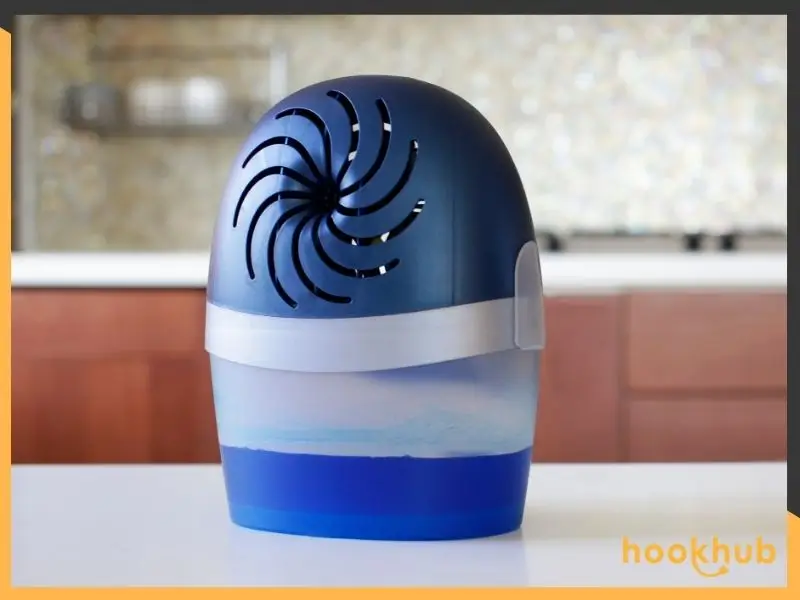
A dehumidifier is essential for preventing winter condensation damage in your RV. Using a small dehumidifier can effectively extract moisture from the air, significantly reducing humidity levels inside your RV.
These devices come in various sizes, allowing you to choose one that fits your camper’s space. For those who may not have access to 120-volt AC power during winter camping, moisture-absorbing products like DampRid can be an effective alternative.
These desiccant crystals draw moisture out of the air, and once they reach their capacity, they are simple to replace. Thus, you can keep moisture out of your RV throughout winter.
Proper Ventilation Techniques
Proper ventilation is crucial for moisture management in an RV. Although it may seem counterintuitive, cracking open windows and roof vents during winter can help moisture escape, preventing condensation.
Utilizing exhaust fans while cooking or showering can significantly reduce steam buildup, contributing to air moisture. Additionally, maintaining airflow with fans can help prevent stagnant air, which is prone to mold and mildew growth.
Keeping closets and cabinet doors open can also improve circulation, reduce moisture accumulation inside your RV, and create a healthier travel environment.
Insulating Your RV for Better Climate Control
Insulation is vital for maintaining a stable temperature inside your RV, which helps manage moisture levels effectively. However, many RVs do not have the same insulation standards as homes, making them more vulnerable to temperature fluctuations that can cause condensation.
Adding insulation to walls and thermal curtains can help keep the interior warm, minimizing the risk of excess humidity and condensation. Additionally, ensuring that your RV windows and doors are well-sealed can prevent cold drafts from entering the space, thus reducing the likelihood of condensation on surfaces and helping to prevent mold growth in your RV.
Tips on Preventing Mold and Mildew
Choosing the Right Moisture Absorber
Choosing an effective moisture absorber is key to preventing mold and mildew in your RV. Products like DampRid utilize calcium chloride crystals to pull moisture from the air, significantly reducing humidity levels.
Another viable option is Kanberra gel, which is made from tea tree oil. This gel can help prevent mold growth while infusing your RV with a fresh scent. To maximize their effectiveness, you can strategically place these moisture absorbers in closets, kitchens, and bathrooms.
Regularly checking and replacing these products ensures moisture is kept out of your RV, creating a healthier environment during winter camping.
RV Skirting: Protecting Your RV from Winter Conditions
RV skirting effectively protects your RV from winter conditions and moisture intrusion. By creating a barrier between the cold ground and the RV, skirting helps maintain a warmer underbelly, which can prevent condensation from forming.

This is particularly important during the winter months when temperatures drop significantly. Additionally, it minimizes wind exposure, which can further reduce heat loss and moisture buildup inside your camper.
Various materials are available for skirting, including insulated panels and fabric options, allowing RV owners to choose the best fit for their needs. Implementing skirting protects your RV and enhances its longevity and comfort during winter storage.
Maintaining Cabinet and Mattress Integrity
Often overlooked areas where moisture can accumulate and lead to mold in your RV are cabinets and mattresses. Keeping cabinet doors slightly ajar can enhance air circulation, which is crucial for reducing humidity levels inside the RV.
Elevating mattresses using breathable mats can also prevent condensation from forming underneath, thus maintaining their integrity. Additionally, waterproof mattress covers can protect against moisture intrusion and spills that can cause damage.
Regularly checking these areas for signs of mold or dampness is essential, especially in winter when humidity levels can rise significantly, making it easier for mold and mildew to thrive. Taking proactive steps helps ensure your RV remains a safe and comfortable space.
RV Storage Strategies to Keep Moisture Out
Preparing Your RV During Storage
Proper preparation of your RV before storage is crucial for moisture control. This includes thoroughly cleaning the interior to remove any food particles or debris that could attract moisture.
Additionally, you can minimize humidity buildup by using moisture absorbers and sealing all windows and vents. Store your RV in a climate-controlled environment to protect it from the elements if possible.
Taking these steps helps keep moisture out of your RV and prevents mold growth and other potential damage that can occur during the winter months. Staying proactive in your storage practices is vital for the longevity of your camper.
Using a Storage Unit vs. Outdoor Storage
Choosing between a storage unit and outdoor storage can significantly impact moisture levels in your RV. Indoor storage units typically offer better protection against the elements, reducing the risk of moisture intrusion and condensation in your RV.
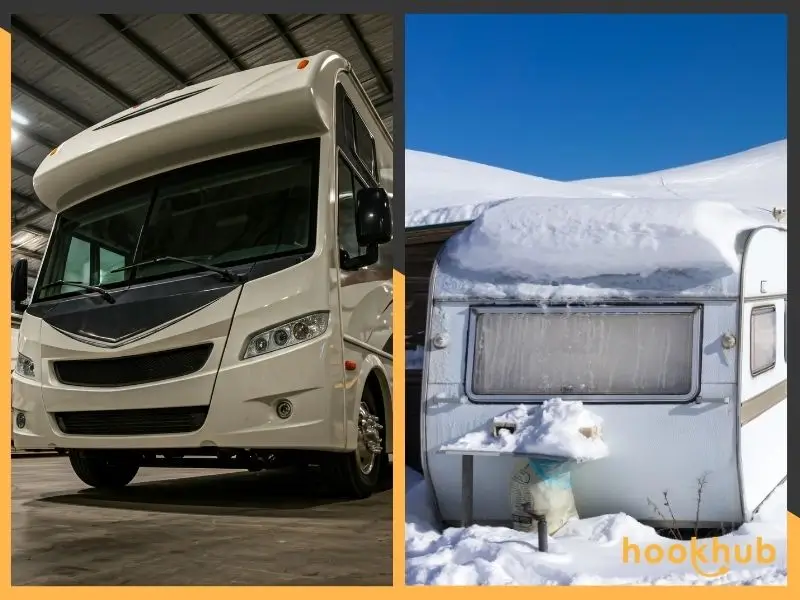
While often more affordable, outdoor storage exposes the RV to weather conditions that can lead to humidity buildup and mold growth. If outdoor storage is the only option, consider using a breathable cover that allows moisture to escape while protecting against rain and snow.
Understanding these differences can help you decide to keep your RV safe from moisture during winter storage.
Regular Checks: Preventing Winter Condensation
Regular inspections of your RV during winter storage are essential for preventing condensation issues. Check for any signs of moisture accumulation, mold growth, seals, and weather stripping damage.
If you have a dehumidifier or moisture absorbers, ensure they function correctly and replace them. Making these checks every few weeks can help you catch potential problems early, allowing for timely intervention and preventing costly damage.
By staying vigilant and proactive during winter, you can effectively keep moisture out of your RV and ensure it remains in optimal condition for your next adventure.
Conclusion:
Keeping moisture out of your RV during winter is essential to protect your vehicle and ensure a comfortable living space. Following these 10 tips, you can reduce condensation, prevent damage, and enjoy your winter adventures worry-free.
To find the best RV parking spots to enhance your travels, visit HookHub—your trusted partner for convenient and reliable RV parking solutions!