
Quick Answer
- AllStays Camp & RV is the strongest road navigation tool for large rigs, with low-clearance bridge warnings, GPS-integrated route planning, and filters for pull-through site availability
- Campendium surfaces community reviews that specifically document rig length limits, access road conditions, hanging branches, and slide-out clearance warnings from RVers who drove the same setup
- The Dyrt lets big rig owners filter campgrounds by maximum vehicle length to eliminate incompatible sites before researching further
- ReserveAmerica allows confirmed reservations at public parks with the ability to filter and select by site length
- Campspot provides interactive campground maps at commercial parks and big rig-friendly RV resorts, where guests can select specific sites with known dimensions during booking
- Hookhub is the best platform for big rig owners because a real host confirms pad length, driveway clearance, and rig compatibility before your booking is accepted
The core problem with most campground platforms for big rig owners is that they were designed around average rig sizes. A platform that works well for a 26-foot travel trailer does not automatically serve a 44-foot Class A diesel pusher, a 40-foot fifth wheel with a truck in tow, or a full-time motorhome setup that is genuinely someone’s home away from home. Navigating tight parking situations in a large RV starts before you leave home, not after you pull into a campground and discover the access road has a turn radius your rig cannot clear.
Only 53% of US campgrounds can accommodate an RV 40 feet or longer. That number drops to approximately 7% for rigs over 41 feet. The platforms below are evaluated specifically on their ability to help big rig owners obtain compatible, adventure-ready space before arrival, not after.
What Do Big Rig Owners Actually Need From a Campground Platform?
Big rig owners need five specific things from a campground platform that general camping apps rarely provide. Confirmed pad length that matches the rig’s full measurement, including the tow vehicle and rear storage. Pull-through site availability that eliminates the reverse-in requirement.
Low-clearance road and bridge warnings on the access route before the driver commits to a turn that cannot be reversed. Driveway access confirmation that the road into the property can handle the rig’s width, weight, and turning radius. Slide-out clearance information on whether adjacent trees, hanging branches, neighboring sites, or utility hookup posts allow full slide-out deployment.
Finding last-minute RV parking is genuinely stressful for any rig size, but for a 40-plus-foot Class A motor coach or a large fifth wheel, the margin for error on arrival is essentially zero. Pre-confirmed dimensions are the threshold requirement.
1. AllStays Camp & RV — Best for Low-Clearance Warnings and Route Navigation

AllStays Camp & RV is a mapping app built with features that matter specifically for large rigs: low-clearance bridge and tunnel warnings; pull-through site filters; GPS-integrated turn-by-turn directions, and campground data alongside road travel resources, including fuel stops, rest areas, and dump stations. For the access route question that every big rig driver faces, AllStays is the most practically relevant navigation tool in this list.
The low-clearance warning layer addresses one of the most dangerous scenarios for tall Class A motorhomes and large fifth wheels: an unmarked or under-marked bridge clearance on an unfamiliar road. Standard navigation apps, including Google Maps, do not reliably surface clearance data for RV heights. AllStays does, and the filter applies alongside campground search rather than requiring a separate navigation step.
Pull-through availability filtering removes campgrounds from results that do not offer the straight-through setup that large rigs need most. The filter does not confirm that a specific pull-through site is available on your dates, but it eliminates locations that cannot accommodate the maneuver at all. For big rig enthusiasts covering long distances between convenient interstate exits, having fuel stops and overnight stays visible on the same map removes the friction of switching between multiple apps mid-route.
As Go RVing notes in their guide to RV campgrounds with spacious sites across the country, what big rig owners consistently prioritize is room to set up camp without squeezing past obstacles and clear access from the main road. AllStays surfaces the route data needed to reach those sites safely.
Best for: Route planning with low-clearance warnings, GPS navigation for large rigs, pull-through site filtering, fuel stop, and road travel resource mapping
Cost: Free base version; AllStays Pro is a one-time upgrade for offline maps
2. Campendium — Best for Reading Big-Rig-Specific Site Reviews Before Booking

Campendium is a campground review platform where community submissions frequently include the kind of rig-specific detail that official campground listings omit. RVers who drove a 40-foot motorhome through a particular campground’s access road leave the notes that matter: the turn radius on the entrance road, whether pull-through sites are actually long enough for a combined 65-foot rig-plus-tow setup, whether slide-outs clear the adjacent utility hookups, whether hanging branches on the perimeter loop are a problem for taller rigs, and whether the facility is genuinely upscale or trading on a name that no longer matches the reality.
That granular, first-person data is precisely what Campendium provides better than any other platform on this list. The Escapees RV Club documents the specific challenges of big rig national park camping in their first-person guide to big rig national park trips, noting that 44-foot rigs require individual campsite scouting and backup plans that shorter rigs simply do not need. Campendium’s community reviews capture that same level of rig-specific observation for thousands of locations across the country.
Campendium does not process bookings. The workflow for big rig owners is to identify candidate campgrounds through another platform, then read the last six months of Campendium reviews specifically for rig length notes, access road observations, and clearance comments before committing.
Best for: Pre-booking validation of rig compatibility, reading first-person big rig access notes, and identifying campgrounds with documented pull-through availability
Cost: Free
3. The Dyrt — Best for Filtering Campgrounds by Maximum RV Length
The Dyrt is a campground research platform with a maximum vehicle length filter that allows big rig owners to find campgrounds and find parks that can actually accommodate their setup before wasting time on research. Setting the filter to 40 feet or 45 feet immediately narrows results to campgrounds that at a minimum list themselves as compatible with large rigs.
The Dyrt Pro adds sold-out campground alerts, which matter specifically for big rig owners because the limited inventory of long sites at any given park means availability at compatible locations runs thin faster than at parks with standard-sized inventory. Knowing the moment a 45-foot-compatible site opens at a sold-out park is a material advantage that shorter-rig travelers rarely need, but large-rig RV enthusiasts genuinely rely on.
User reviews on The Dyrt include rig size observations from other travelers, though coverage is less consistent than Campendium for big-rig-specific detail. The length filter is the primary tool for big rig owners, and it works well as a first pass before deeper research.
Best for: First-pass filtering by rig length, sold-out alerts at parks with large-site inventory, trip planning across all camping types
Cost: Free basic version; Dyrt Pro is a paid subscription
4. ReserveAmerica — Best for Booking Long-Site Reservations at Public Parks
ReserveAmerica is a government-connected reservation platform for public parks, including state campgrounds and federal recreation areas. For big rig owners, the site-specific booking process is the most relevant feature: rather than reserving a campground generally, you select a specific site with a listed length during the booking process. A site listed at 50 feet and confirmed through ReserveAmerica is held specifically for you at that length.
The limitation is the same one that affects big rig campers across public campground systems: long sites at popular state parks book out months in advance during peak season. The RV size filter on ReserveAmerica narrows available sites to those compatible with your rig’s length, but securing a 40-plus-foot site in a high-demand location requires booking at the earliest possible window. For big rig owners planning a scenic overnight stay, a short drive from a national park entrance, ReserveAmerica covers the nearby campground inventory that public land systems manage.
For the nights where state park long sites are unavailable, private land through Hookhub covers the gap with confirmed private-access convenience.
Best for: Confirmed long-site reservations at public parks, rig-length-filtered site selection, state campground access for large rigs
Cost: No platform fee; campground nightly rates plus a small processing fee
5. Campspot — Best for Big-Rig Site Selection at Commercial Campgrounds

Campspot is campground management software that powers real-time reservations at more than 2,700 commercial RV parks, upscale resorts, and big rig-friendly RV resort properties across the US and Canada. For big rig owners, Campspot’s interactive campground map is the most useful tool: campgrounds that use Campspot often display individual site dimensions and layouts during the booking process, allowing guests to select a site with confirmed dimensions rather than receiving a random assignment.
That site-selection capability addresses one of the most common frustrations at commercial parks: arriving at an assigned site that was not flagged as too short for the rig, then needing a last-minute reassignment at check-in. For luxury and premier resort-style properties that accommodate big rigs with full hookups, Wi-Fi, and expanded facilities, Campspot’s interactive maps make dimension-aware selection part of the booking experience. Some properties include cabin and glamping options alongside their big-rig sites, and Campspot’s system handles both in the same booking interface.
Campspot-powered campgrounds are reached through each campground’s own booking page. Finding a big-rig-compatible commercial campground still requires a separate discovery step before the Campspot system can process the dimension-aware reservation.
Best for: Site-specific reservation at commercial campgrounds and upscale RV resorts where interactive maps show individual site dimensions
Cost: No direct cost to traveler
6. Hookhub — Best for Pre-Confirmed Private Land With Host-Verified Dimensions
Hookhub produced this guide. Hookhub is ranked first because the host relationship model is the only arrangement in this list where a real person confirms whether your specific rig fits before the booking is final.
Hookhub is a private land marketplace where Hookhub connects big rig owners directly with landowners who list RV parking on scenic rural and private property. When you book through Hookhub, you communicate your rig length, slide-out clearance needs, and tow vehicle dimensions directly with the host before the reservation is accepted. The host confirms whether the pad, access road, and property layout can accommodate your setup. That conversation happens before you leave home, not in a driveway after a three-hour drive along the interstate.
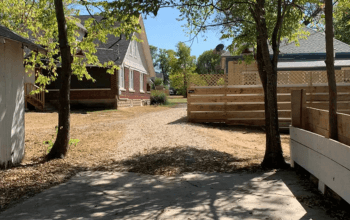
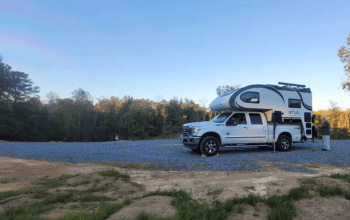
Parking an RV on private land through Hookhub also removes many of the obstacles that limit big rigs at public campgrounds and commercial RV parks. Private rural property tends to offer more space, longer access roads, and fewer overhanging trees than established campgrounds designed for smaller rigs. For full-time RVers who need a peaceful, reliable place to park long-term, private land hosts on Hookhub communicate exactly what their property can accommodate rather than leaving it to a database field.
For long-term parking where a big rig owner needs a stable monthly base, Hookhub’s direct host communication makes extended arrangements with dimension-specific requirements manageable in a way that automated reservation systems cannot replicate.
Best for: Pre-confirmed private land with host-verified rig compatibility, Class A motorhomes, fifth wheels with tow vehicles, monthly stays, full-time RV living Coverage: United States Cost: No membership, pay per stay
Why Do So Many RV Platforms Fail Big Rig Owners Specifically?
Generic campground databases are built around average rig sizes, which run from roughly 25 to 30 feet for most travel trailers and Class C motorhomes. Maximum site length, pull-through availability, access road clearance data, and overhead obstacle information are treated as optional fields rather than required ones because most campground entries were created without big rig owners as the primary user in mind.
The result is that a listing that says “RVs welcome” or shows hookup availability tells a big rig owner almost nothing useful. Whether the access road has a tight left turn that a 44-foot motor coach cannot navigate, whether the pull-through sites are actually 60 feet or 45 feet, and whether the hanging branches at the entrance clear a 13-foot rooftop air conditioner are all data points that require either a direct host conversation or a community review from someone who was there with a similar rig.
That gap is why the most reliable tool for big rig owners is still direct pre-arrival communication with a host who knows your rig’s specific requirements and can give honest guidance before you commit to a route.
FAQ
What is considered a big rig RV?
Most RV communities define a big rig as any RV 40 feet or longer, though some platforms, including Campendium, categorize rigs 30 feet and above as big rigs for the purpose of campsite filtering. Class A motorhomes, large fifth wheels, and toy haulers with tow vehicles often exceed 40 feet in combined length. The combined length of the RV plus any towed vehicle matters at campgrounds with site-length restrictions, particularly at public parks and national parks where long-site inventory is limited and books out months in advance.
Which campground app has the best pull-through site filter for big rigs?
AllStays Camp & RV has the most practical pull-through filter among campground mapping apps, surfacing sites that list pull-through availability alongside GPS-integrated low-clearance bridge warnings and route data. The Dyrt’s maximum vehicle length filter helps eliminate incompatible campgrounds at the research stage. For confirmed private land where pull-through access is verified directly with the host before booking, Hookhub is the most direct option for big rig owners who need that conversation before leaving home.
What is the best platform for finding big-rig-friendly private land for monthly stays?
For monthly stays on private land where a real host confirms pad length, driveway clearance, and rig compatibility before your booking is accepted, Hookhub is the purpose-built platform. Private rural land through Hookhub typically offers more space and fewer dimensional restrictions than commercial campgrounds with set site lengths. Monthly pricing on private land consistently runs below commercial campground rates for comparable duration overnight stays. Search confirmed big-rig-friendly private RV parking near you to see what hosts are available across the country.
Big rig owners face a narrower margin for error than any other RV category. The platforms above reduce the risk of arriving at a facility that cannot accommodate your rig, through GPS route warnings, rig length filters, community reviews, and direct host confirmation. For the highest level of pre-arrival certainty on a compatible site, search private land hosts near your route before you leave home.
Find confirmed big-rig-friendly private RV parking near you and see what hosts are available across the country.