



In today’s fast-paced world, staying connected while traveling in your RV has become a necessity rather than a luxury. As we look into the best RV internet options for 2026, we must understand the unique challenges associated with internet access on the road.
Whether camping in an RV or living a nomadic lifestyle, reliable internet connectivity is critical. This guide will explore various internet solutions tailored for RVers, helping you make the best decision for your internet needs.

Understanding RV Internet Options
What is RV Internet?
“RV Internet” refers to the various methods and technologies that enable internet connectivity while traveling in a recreational vehicle. Unlike traditional home internet, RV internet solutions must account for mobility and varying signal availability.
This can include cellular data from mobile providers like Verizon and T-Mobile, public Wi-Fi networks, and satellite internet services. RV Wi-Fi operates similarly to standard Wi-Fi; devices connect to a signal source and access the internet.
However, the challenge lies in ensuring a reliable internet connection while on the road, especially in remote areas where signal strength may be weak or non-existent. Understanding these options is vital for RVers who want to stay connected no matter where their travels take them.
Types of RV Internet Options
The primary RV internet options include mobile hotspots, satellite internet, campground Wi-Fi, and Wi-Fi extenders. Mobile hotspots utilize cellular data from providers like Verizon and AT&T, allowing users to create a personal Wi-Fi network within their RV.
Satellite internet, such as Starlink, offers coverage in remote areas but can come with a higher price tag. Campground WiFi is often available at RV parks, but its reliability can vary significantly based on location and demand.
Wi-Fi extenders can enhance weak signals from public networks, making them a popular choice for those frequently staying at campgrounds. Each of these internet options for RVs has its own unique benefits, catering to different internet needs and preferences.
Importance of Staying Connected
Staying connected while on the road is crucial for many RVers, especially those working remotely, homeschooling children, or maintaining personal and professional relationships. Reliable internet access enables video calls, streaming, and online work, making it possible to maintain a balanced life while traveling.
Additionally, connectivity enhances safety by providing access to navigation, weather updates, and emergency contacts. As more people embrace the RV lifestyle, the demand for dependable internet solutions grows, meaning that there are effective RV internet options.
In 2026, having the best RV Wi-Fi is more important than ever, ensuring you can use the internet while moving.
Mobile Hotspots for RVs
Best Mobile Hotspots for 2026
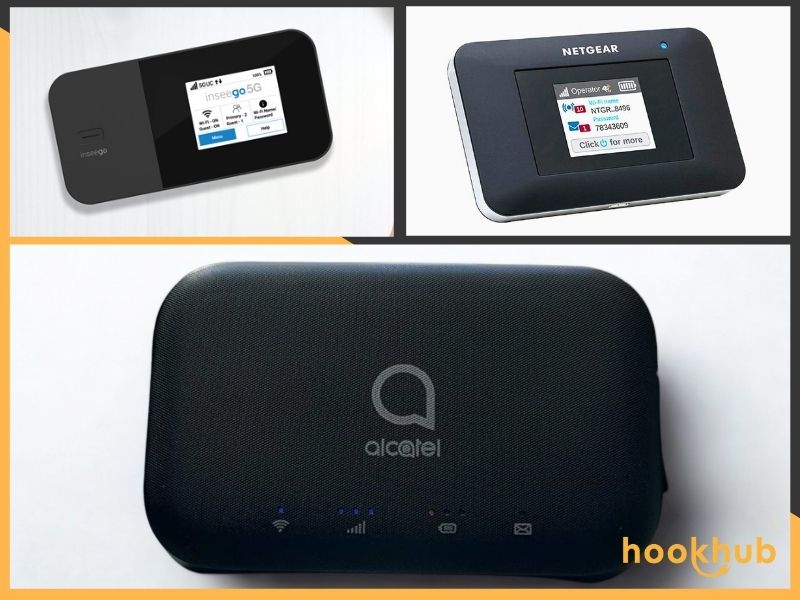
For RVers seeking reliable internet access while on the road, mobile hotspots are among the best RV internet options available in 2026. Some top mobile hotspots for RV use include the T-Mobile Inseego MiFi X PRO 5G, NETGEAR AC797 4G LTE Mobile Hotspot, and Alcatel LINKZONE.
The T-Mobile Inseego MiFi X PRO 5G stands out with its 5G capability. It allows users to connect to the internet seamlessly while supporting up to 32 devices, making it perfect for families or groups traveling together.
The NETGEAR AC797 offers flexibility with various networks, ensuring you can stay connected wherever your RV journey takes you.
For those looking for a budget-friendly option, the Alcatel LINKZONE provides basic connectivity that meets the needs of weekend travelers.
Each device caters to different user requirements, highlighting the importance of choosing the correct mobile hotspot for your RV lifestyle.
Setting Up a Mobile Hotspot
Setting up a mobile hotspot in your RV is a straightforward process that allows you to access the internet on multiple devices. To begin, you will need a compatible device, such as a smartphone or a dedicated mobile hotspot device, along with a suitable data plan from a cellular provider.
Most smartphones today have a built-in hotspot feature, allowing you to share your cellular data connection easily. If you’re using a dedicated mobile hotspot, follow the manufacturer’s instructions for activation and network connection.
To ensure optimal performance, position your hotspot in an area with strong cellular coverage. Monitoring your data usage is also essential, as activities like streaming video or heavy browsing can quickly consume your data allowance.
By understanding these steps, you can effectively connect to the internet anywhere during your RV trip.
Comparing Mobile Hotspot Providers
Consider several factors, such as coverage, data speeds, and pricing, when choosing the best mobile hotspot provider for your RV. Providers like Verizon and AT&T are frequently recognized for their extensive coverage across the United States, making them popular among RVers who often travel to remote areas.
T-Mobile is known for offering competitive pricing and attractive international features, which may benefit those traveling beyond U.S. borders. Smaller carriers like Cricket can also provide cost-effective plans, although evaluating their coverage is essential based on your specific travel routes.
By thoroughly comparing mobile hotspot providers, you can find the best internet option that aligns with your RV lifestyle and internet needs.
Satellite Internet for RVs
How Satellite Internet Works
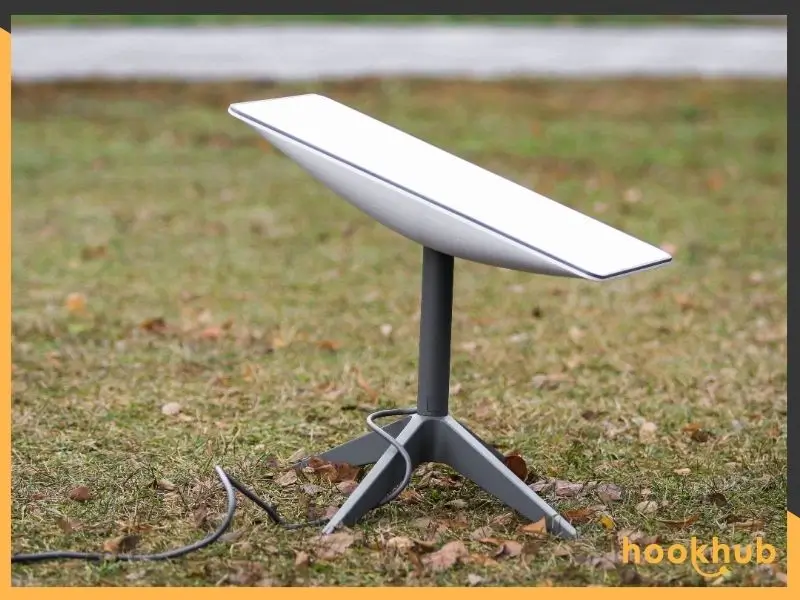
Satellite internet is an innovative solution for RVers needing reliable internet access in remote locations. A satellite orbiting the Earth transmits data to an installed dish on your RV, enabling this technology to function.
The dish receives the signal, communicates with the satellite, and relays it to an internet-connected ground station. This method allows users to access the internet even when traditional broadband services are unavailable, making it a valuable option for those camping in an RV.
However, it’s crucial to remember that satellite internet typically has higher latency and is susceptible to adverse weather, which may reduce its dependability compared to other internet options. Understanding how satellite internet operates is crucial for RVers, especially those who travel off the beaten path.
The Best Satellite Internet Providers
Leading providers include Starlink and HughesNet when exploring satellite internet options for RVs. Starlink is particularly popular among full-time RVers due to its high-speed internet capabilities and the ability to connect while in motion.
This feature allows users to maintain an internet connection while traveling, enhancing the overall RV lifestyle. On the other hand, HughesNet offers a more traditional satellite internet service with dish installation, making it a suitable choice for those who plan to stay at RV parks or campgrounds for extended periods.
Both providers have distinct pricing structures and data plans, so comparing their offerings based on your internet needs and travel habits is essential to finding the best satellite internet for your RV.
Advantages and Disadvantages of Satellite Internet
Understanding the advantages and disadvantages of satellite internet is crucial for RVers. One of the key benefits is its widespread coverage, especially in remote areas where other internet services may not reach.
This capability allows users to stay connected even in the most secluded locations while enjoying the RV lifestyle. However, satellite internet does have its drawbacks, including higher installation costs and monthly fees compared to traditional cellular data plans.
Users may also experience latency issues, affecting streaming and online gaming experiences. Additionally, weather conditions can disrupt service, leading to interruptions in internet access.
Considering these factors for RVers who prioritize speed and a reliable internet connection will help you decide whether satellite internet is the right choice for your RV internet solutions.
Using Campground Wi-Fi
Finding Campgrounds with Wi-Fi
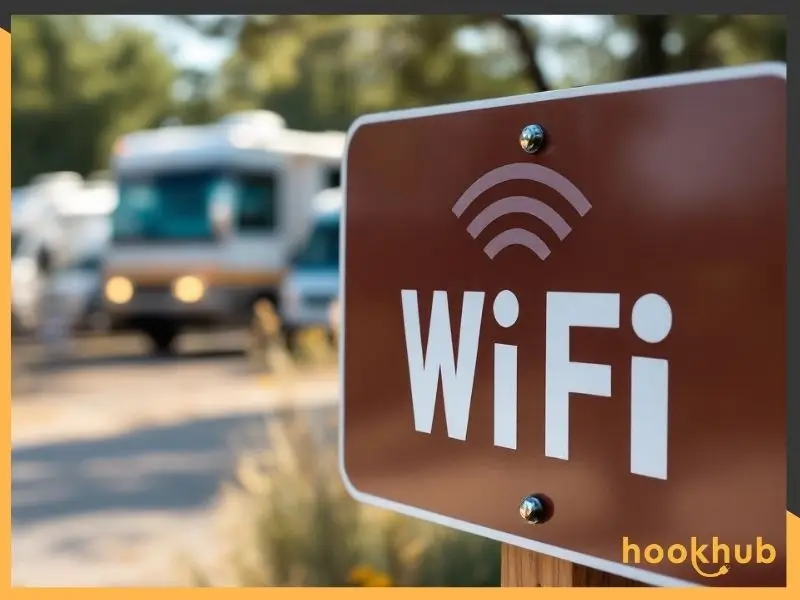
Many RV parks and campgrounds now offer Wi-Fi as part of their amenities, but the quality and reliability can vary. Check online resources like campground directories, travel apps, or RV forums to find campgrounds with Wi-Fi.
Websites such as Campendium can provide user reviews on Wi-Fi availability and performance at specific locations. It’s advisable to call ahead to confirm Wi-Fi access and inquire about signal strength, especially if you plan to rely on it for work or streaming.
Knowing where to get Wi-Fi in your RV will enhance your overall camping experience.
Improving Campground Wi-Fi Signal
Consider using a Wi-Fi extender or booster to enhance the campground Wi-Fi signal. These devices can amplify weak signals, allowing for better connectivity within your RV.
Position the extender near a window or in a clear line of sight to the campground’s Wi-Fi router. Additionally, selecting a campsite close to the Wi-Fi source can significantly improve signal strength.
If the campground offers a password-protected network, ensure you have the correct login details to access the service.
By taking these steps, you can optimize your ability to connect to the internet anywhere during your RV trip.
Alternatives If Campground Wi-Fi Is Unavailable
If campground Wi-Fi is unavailable or unreliable, alternatives include using mobile hotspots, satellite internet, or seeking out nearby public Wi-Fi locations.
Many coffee shops, fast food restaurants, and libraries offer free Wi-Fi, which can be a helpful backup option. Investing in a cellular signal booster can improve your mobile data connection when camping in remote areas.
Consider a portable 4G LTE plan or satellite internet for extended stays and consistent connectivity.
Understanding these options for getting internet will help you stay connected no matter where your RV adventure takes you.
Wi-Fi Extenders and Boosters

What is a Wi-Fi Extender?
A Wi-Fi extender is a device that amplifies and rebroadcasts an existing Wi-Fi signal, allowing users to access the internet from greater distances or through obstructions. This is particularly beneficial in RVs, where the original Wi-Fi signal from a campground may not reach all areas effectively.
Extenders can help improve connectivity by eliminating dead zones and enhancing the internet experience. They are typically simple to install and can connect to various Wi-Fi networks, making them a versatile solution for RVers who want reliable internet while living in an RV.
Choosing the Right Wi-Fi Extender for Your RV
When selecting a Wi-Fi extender for your RV, consider compatibility, range, and ease of installation factors. Look for models specifically designed for mobile use, which may offer additional features like portability and weather resistance.
Popular options include the Bearifi BearExtender and Winegard ConnecT 2.0. Evaluate user reviews to determine performance and reliability and ensure the extender can handle multiple devices if you travel with family or friends.
Finding the best RV Wi-Fi solution will enhance your ability to connect to the internet during your travels.
Installation and Setup Tips
Installing a Wi-Fi extender typically involves placing the device in a location where it can receive a strong signal from the original Wi-Fi source.
Follow the manufacturer’s instructions for setup, which usually include connecting to the extender’s network and entering the original Wi-Fi credentials.
Position the extender near a window or area with minimal interference for optimal performance. Regularly check for firmware updates to ensure the extender operates efficiently and securely.
Understanding how to set up your Wi-Fi network effectively can significantly impact your RV Wi-Fi experience.
Comparing the Best RV Internet Options

Cost Analysis of Internet Options
When evaluating RV internet options, it’s crucial to consider the upfront and ongoing costs of each solution. Mobile hotspots, which utilize cellular data networks like Verizon and T-Mobile, typically require a device and a monthly data plan, with prices ranging from $60 to $100 or more, depending on data limits and provider.
On the other hand, satellite internet services, such as Starlink, can incur significantly higher initial costs, ranging from $1,000 to $3,000 for equipment and installation.
While campground Wi-Fi may initially appear free, its reliability often leads RVers to invest in Wi-Fi extenders or boosters, elevating overall expenses.
Understanding these various pricing structures allows RVers to make informed decisions that align with their internet needs and budget.
Performance Metrics
Performance metrics are essential when comparing RV internet options, as they directly impact user experience. Mobile hotspots can deliver download speeds ranging from 4 to 35 Mbps, depending on the strength of the cellular network and congestion.
In contrast, satellite internet, particularly with Starlink, can offer speeds of up to 100 Mbps; however, users may encounter higher latency, affecting real-time applications.
Campground Wi-Fi often struggles with slow speeds and connectivity issues, primarily due to multiple users sharing the same network.
Therefore, RVers should carefully assess their internet needs and performance expectations to select the most suitable internet option for their travels.
Customer Reviews and Recommendations
Customer reviews play a vital role in understanding the effectiveness of various RV internet options. Many RVers recommend combining mobile hotspots with Wi-Fi extenders for optimal connectivity while on the road.
Reviews frequently highlight the reliability of major providers like Verizon and AT&T for mobile data plans, while Starlink garners praise for its extensive coverage in remote areas.
On the other hand, reviews of campground Wi-Fi vary, with many users cautioning against relying solely on these networks because of their inconsistent performance.
By examining user experiences, RVers can make informed decisions regarding the best internet solutions for their RV lifestyles.
Future Trends in RV Internet Connectivity

Upcoming Technologies in RV Internet
The expansion of 5G technology promises exciting advancements in RV internet connectivity. This next-generation mobile network promises faster speeds and lower latency, which could significantly enhance the performance of mobile hotspots for RVers.
Furthermore, companies such as Starlink are spearheading the continuous evolution of satellite internet technology to enhance their service offerings and curtail expenses.
Innovations in WiFi extenders and boosters are also anticipated, providing better connectivity solutions for those traveling in RVs.
These technological advancements are expected to make it easier for RVers to stay connected while exploring new destinations.
What to Expect in 2026 and Beyond
We expect RV internet connectivity to become increasingly seamless in 2026 and beyond. The wider availability of high-speed 5G networks and enhanced satellite services will likely facilitate smoother online experiences for RVers.
Furthermore, integrating innovative technologies within RVs may improve connectivity management, enabling users to optimize their internet needs efficiently.
Given the rising demand for remote work and travel flexibility, internet providers will likely develop more tailored plans and devices designed specifically for the RV lifestyle, ensuring travelers can stay connected wherever their adventures lead.
Preparing for Future Internet Needs
To effectively prepare for future internet needs while RVing, consider investing in versatile connectivity solutions capable of adapting to technological advancements.
Look for devices that support 4G and 5G networks and satellite options for remote locations. Staying informed about emerging internet technologies will empower RVers to make educated decisions regarding upgrades and new services.
Additionally, maintaining a flexible approach to your internet setup will ensure you can adjust to varying connectivity requirements as you travel, allowing you to enjoy the freedom of the RV lifestyle without sacrificing reliable internet access.
Conclusion
Staying connected while on the road is no longer a luxury but a requirement for many RV travellers. With so many RV internet options available in 2026, you can easily find a solution that matches your needs, whether you want dependable WiFi at campgrounds, a mobile hotspot for continual connectivity, or satellite internet for remote locations.
The appropriate internet setup allows you to work, stream, and communicate with loved ones regardless of your journey.To make your RV travel experience even smoother, check out HookHub for the perfect parking spot with reliable internet optionsyour next great adventure is just a click away!