


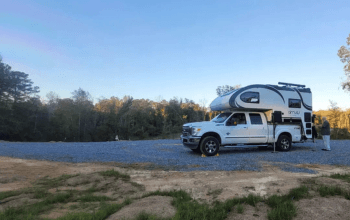
Many landowners are interested in hosting RV guests, but one of the most important questions often gets overlooked until it’s too late:
Can your septic system and well actually support the additional demand?
A septic system failure rarely starts with a dramatic warning. More often, problems develop slowly as wastewater exceeds the system’s design capacity, soil absorption rates decline, or a drain field becomes overloaded. Likewise, a well that comfortably serves a single household may struggle when additional guests increase water use throughout the day.
For private landowners considering RV hosting, understanding your infrastructure is every bit as important as preparing a site, setting pricing, or creating guest policies. A successful hosting operation depends on having a septic system and water supply that can safely support the number of guests you plan to welcome.
As demand for private RV parking continues to grow, more landowners are evaluating whether their existing infrastructure is prepared for long-term guest stays.
Before your first RV arrives, it’s worth taking the time to understand what your system was designed to handle, how additional usage affects performance, and what local regulations may require.
Why Septic and Well Capacity Matters More Than Most Hosts Realize
Many first-time hosts assume that if their septic system works for their household, it will automatically work for RV guests.
Unfortunately, septic system design doesn’t work that way.
Most residential septic systems are sized based on anticipated household occupancy. The original design may have been built around the number of bedrooms in the home, expected daily wastewater production, local soil conditions, and drain field requirements established by state and local regulations.
Adding RV guests introduces a new source of wastewater that the original system may not have been designed to accommodate.
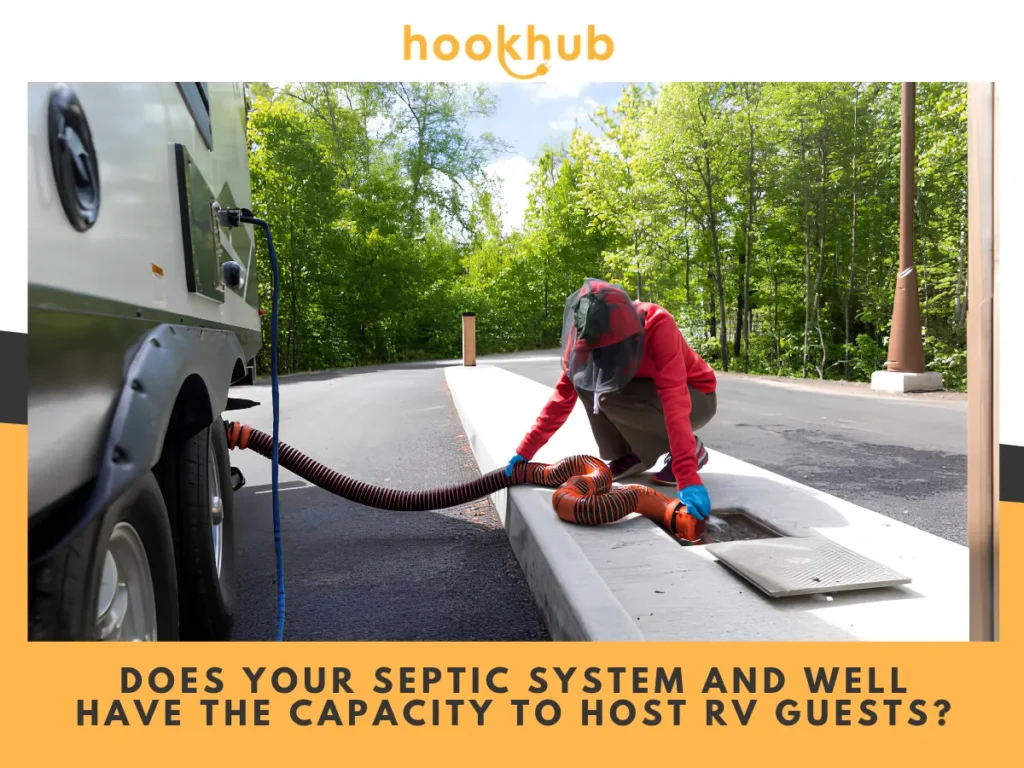
A couple staying in an RV with full hookups may use the toilet, shower, sinks, and other water fixtures throughout the day. That additional flow enters the septic tank, moves into the drain field, and increases overall demand on the treatment system.
One RV may not seem significant at first glance, but over time the impact can be substantial, particularly during long-term stays.
This is why septic system capacity should be evaluated before hosting begins rather than after problems appear.
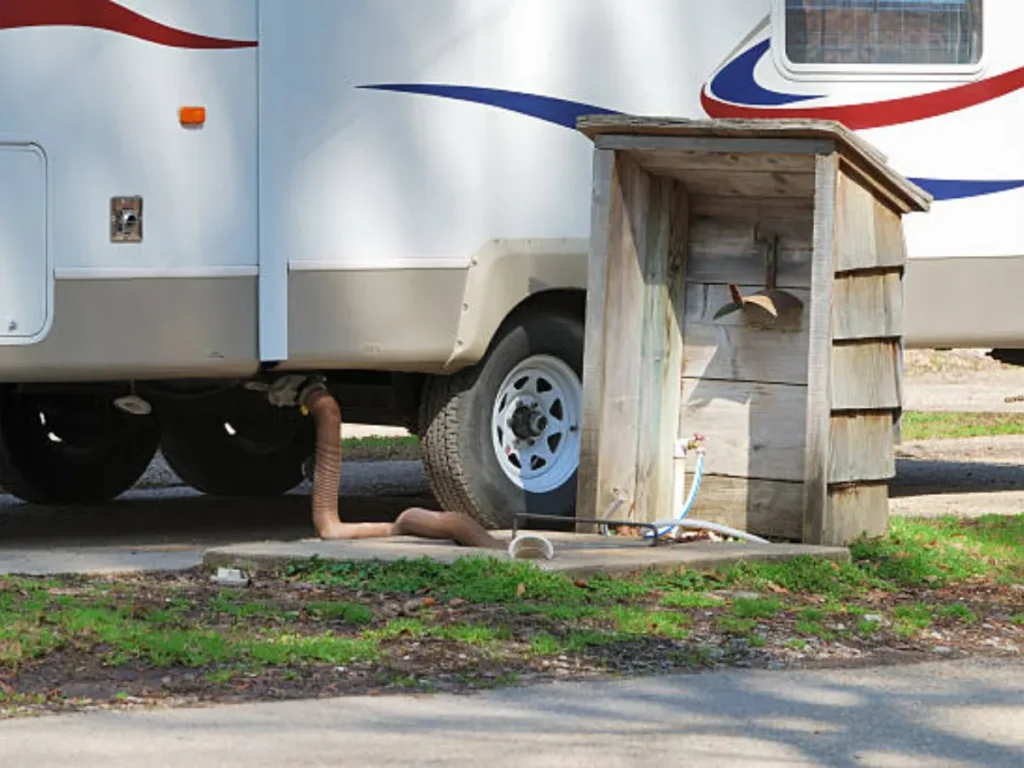
Understanding Daily Wastewater Flow
One of the most useful numbers a landowner can understand is daily wastewater flow.
Most septic system sizing calculations are based on estimated gallons per day rather than tank volume alone.
A septic system is designed around an expected amount of wastewater entering it each day. For an RV host, the important question is not simply how many gallons the tank holds, but how much additional daily flow the complete system was designed to handle.
Start by finding out:
- What daily flow the system was designed or permitted for.
- What demand the household already places on it.
- Whether RV wastewater will enter the same system.
- How many RV guests could be connected at the same time.
- Whether those guests will have full water and sewer hookups.
An RV with full hookups can behave much more like another occupied living space than an occasional campsite. Guests can shower, wash dishes, use the toilet, and run water throughout the day without being limited by the RV’s onboard tanks.
That distinction becomes especially important during long-term stays. An overnight guest creates temporary demand. A guest staying for 30, 60, or 90 days creates an additional wastewater load that the system must handle day after day.
When evaluating hosting capacity, landowners should consider both average usage and peak usage periods. Holiday weekends, multiple guests arriving simultaneously, or guests spending more time onsite can significantly increase wastewater flow.
A system that appears adequate during normal conditions may struggle during peak demand.
For landowners who want a better understanding of how residential septic systems process wastewater, the EPA septic system guidance offers a useful overview of system operation, maintenance, and long-term performance considerations.

Septic Tank Size: Important but Not the Whole Story
Many homeowners focus exclusively on septic tank size.
While tank capacity certainly matters, it is only one part of a larger septic system design.
A standard residential septic tank often ranges from 1,000 to 1,500 gallons. Larger tanks may hold 2,000 gallons or more depending on property size and intended usage.
The purpose of the tank is to separate solids from wastewater and provide enough retention time for treatment to begin before effluent enters the drain field.
Larger tanks provide additional buffering capacity, but they do not automatically increase the treatment capacity of the overall system.
A large tank connected to an undersized drain field can still experience problems.
This is why septic specialists evaluate the complete system rather than focusing solely on gallon capacity.
When assessing your property, ask:
- What is the tank size?
- When was the tank installed?
- How many users was the system designed for?
- Has the tank been inspected recently?
- Have there been any past repairs or backups?
These answers provide a useful starting point for determining whether hosting may be feasible.
How Do I Find Out What My Septic System Was Designed to Handle?
If you did not install the septic system yourself, you may not know its tank size, drain field layout, or original design capacity. Start with the records for the property rather than trying to estimate capacity from the tank alone.
Depending on where you live, septic permits, installation records, or site plans may be available through your county or local health department. These records may show the tank size, drain field location, system type, permitted capacity, and other details about the original installation.
If records are incomplete or the system has been modified since installation, a septic inspection can help identify what is actually in place.
For an RV host, the goal is to answer a practical question:
How much additional use can this existing system reasonably support before an upgrade is needed?
That answer can help you decide whether the property is ready for one RV, whether additional sites are realistic, or whether some guests should use their onboard tanks and an approved dump option instead of connecting directly to the property’s septic system.
The Drain Field Is Often the Limiting Factor
In many cases, the drain field determines hosting capacity more than the septic tank itself.
The drain field is responsible for dispersing treated effluent into the soil, where natural filtration and treatment continue.
Every drain field has a finite capacity.
If wastewater enters faster than the soil can absorb and treat it, the system begins to fail.
This is where soil conditions become critically important.
Sandy Soil
Sandy soil generally provides excellent drainage and absorbs wastewater efficiently. However, rapid drainage can reduce treatment effectiveness if the system is poorly designed.
Clay Soil
Clay-heavy soil absorbs water much more slowly.
Poor drainage can increase the likelihood of saturation, backups, and system stress during periods of heavy usage.
Rocky or Shallow Soil
Properties with shallow soil depth or extensive rock layers may require specialized system design or advanced treatment systems to achieve adequate performance.
Because soil conditions directly influence system sizing, many jurisdictions require percolation testing before approving new installations or significant modifications.
Soil survey resources can help landowners better understand drainage characteristics and soil limitations that may influence septic performance.
If you are unsure how your soil performs, consulting a septic specialist can provide valuable insight before hosting begins.
Multiple RVs Change the Equation Quickly
Many landowners begin with a single RV site and later consider expanding.
This is often where capacity concerns become more significant.
A septic system that comfortably supports one RV may not be suitable for multiple RVs without upgrades.
For example:
A system handling 100 gallons of additional wastewater per day from one RV could suddenly face 300 or 400 gallons per day if several sites are added.
That increase affects:
- Tank retention time
- Effluent flow
- Drain field loading
- Maintenance frequency
- Long-term system health
This is one reason commercial RV park septic systems are designed differently than residential systems.
RV parks often incorporate larger tanks, expanded drain fields, advanced treatment systems, or aerobic treatment technologies capable of handling higher volumes and more variable usage patterns.
Landowners considering future expansion should evaluate long-term capacity rather than focusing only on current needs.
Evaluating Your Well Capacity
While septic systems handle wastewater disposal, wells provide the drinking water that guests rely on every day.
A property with an excellent septic system can still encounter hosting challenges if the well cannot meet demand.
Well yield is commonly measured in gallons per minute (GPM), but that number alone does not tell you how many guests the property can support. Storage capacity, pump performance, pressure equipment, recovery rate, existing household demand, and periods of peak use can all affect whether guests have a reliable water supply.
Think about what happens when demand overlaps. The household may be using water while an RV guest is showering, another guest is filling a freshwater tank, and laundry or irrigation is running elsewhere on the property.
A well system that handles normal household use comfortably may behave differently under those peak conditions.
Before adding RV water hookups, identify the well’s known yield and existing equipment, then consider how much additional demand the hosting setup will create. If the property’s water supply is already inconsistent during high-use periods or dry seasons, adding guest demand deserves additional attention.
Water infrastructure is only one part of property readiness, and it’s worth evaluating your overall setup before accepting reservations. Landowners who want a more complete assessment can review Monthly RV Hosting Readiness Checklist (Access, Pad, Utilities, Safety) for guidance on evaluating access, utilities, safety, and site readiness before welcoming long-term guests.
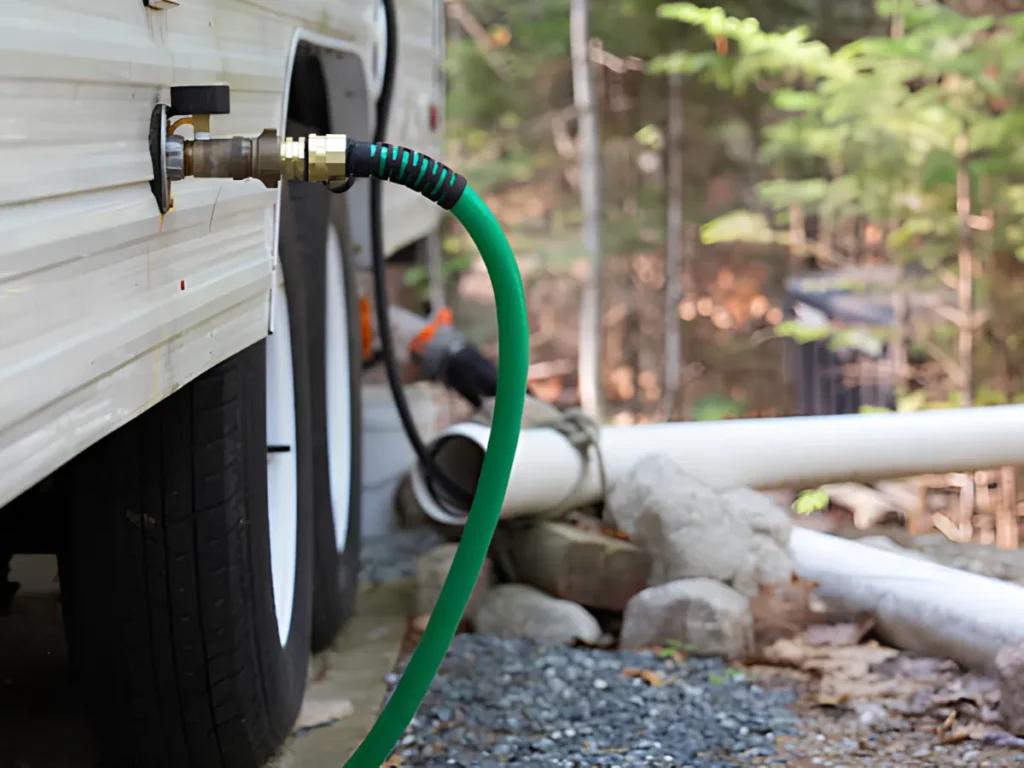
Water Quality Matters Just as Much as Water Quantity
Providing water to guests creates an obligation to ensure that supply is safe.
Even a well with excellent production capacity can become problematic if water quality issues exist.
Before hosting, consider testing for:
- Coliform bacteria
- Nitrates
- pH levels
- Mineral content
- Other contaminants identified by local authorities
Groundwater quality can change over time, particularly if nearby development, agricultural activity, or septic system issues influence local conditions.
Following well water testing recommendations can help identify issues before they affect guests.
Routine testing helps safeguard both guests and property owners.
The cost of testing is relatively small compared to the potential consequences of contaminated drinking water.
Permits, Regulations, and Local Health Department Requirements
Regulations vary considerably across jurisdictions.
Some areas allow limited RV hosting using existing residential infrastructure. Others may require permits, inspections, or additional approvals when guests connect to private septic systems or water supplies.
Before hosting begins, contact your local health department and ask:
Your local health department can explain permit requirements, inspection standards, and wastewater regulations that apply to RV hosting.
- Does paid RV hosting change permit requirements?
- Are septic system modifications required?
- Is a well inspection necessary?
- Are there restrictions on the number of RV sites allowed?
- Does the property require a commercial license or operator oversight?
The answers can significantly influence both the cost and complexity of your hosting operation. In some cases, a property may be ready to host immediately. In others, additional improvements, inspections, or approvals may be necessary before welcoming guests.
State and local regulations can affect everything from system design and site layout to maintenance schedules and long-term operating costs.
For properties without sewer access, understanding alternative wastewater management options is an important part of determining whether RV hosting is realistic.
Landowners exploring off-grid or limited-utility hosting models may also benefit from reading
My Land Has No Utilities—Is It Still Worth Listing for RV Guests?
for additional considerations and setup strategies.
Understanding these requirements early helps prevent costly surprises later and gives landowners a clearer picture of what successful long-term hosting will require.
How Much Does an Inspection Cost?
Inspection and testing costs vary by location, system type, and how much evaluation is needed. As a rough planning range, a septic inspection may cost a few hundred dollars, often around $300–$600. Well inspections and water-quality testing can add another few hundred dollars depending on the tests performed.
That cost is easier to put in perspective when compared with potential repairs. Septic repairs can range from relatively minor maintenance to several thousand dollars, while replacing a failed drain field or installing a substantially upgraded system can reach $10,000–$30,000 or more depending on the property and local requirements.
You do not need to assume the worst-case scenario. The value of an inspection is simply knowing what you already have before adding more demand to it.
For a host considering full hookups, long-term guests, or multiple RV sites, spending a few hundred dollars to understand the existing system can help prevent a much larger investment from being based on guesswork.

Where Hookhub Fits Into Septic and Well Planning
Successful hosting begins long before a guest arrives.
Many landowners use Hookhub as a structured framework for building a hosting operation that matches the capabilities of their property.
Before accepting bookings, hosts can evaluate whether their infrastructure, utilities, and site setup are prepared to support guests safely and comfortably.
Understanding septic system capacity, wastewater flow, well performance, and maintenance requirements allows hosts to make informed decisions about how many RV sites their property can realistically support.
This type of planning helps reduce misunderstandings, improve the guest experience, and create a more sustainable hosting operation over time.
Infrastructure planning also helps hosts set realistic guest expectations, avoid overbooking, and make more informed decisions about future site expansion.
Rather than focusing solely on filling sites, successful hosts focus on matching guest demand with infrastructure capacity.
Once you’ve verified that your septic system, well capacity, and property infrastructure can safely support guests, the next step is creating a structured hosting operation through Hookhub.
That approach protects both the property and the long-term viability of the hosting business.
Signs Your System May Need Attention Before Hosting
If any of the following conditions exist, it’s worth scheduling an inspection before accepting reservations:
- Slow drains throughout the property
- Sewage odors near the tank or drain field
- Standing water above the drain field
- Frequent backups
- Unknown pumping history
- Aging infrastructure
- Declining well performance
- Water quality concerns
These issues do not necessarily mean hosting is impossible.
However, they should be addressed before adding additional demand to the system.
Frequently Asked Questions
Can a residential septic system support RV hookups?
In many cases, yes. However, capacity depends on tank size, drain field performance, soil conditions, and local regulations. A professional inspection is the best way to determine suitability.
How much wastewater does an RV generate per day?
Usage varies, but RV guests commonly generate between 50 and 100 gallons of wastewater per person per day depending on water consumption habits and available hookups.
Can multiple RVs use the same septic system?
Possibly, but system sizing must be evaluated carefully. What works for one RV may not safely support multiple RVs without upgrades.
Do I need a permit to host RV guests?
Requirements vary by jurisdiction. Some areas require additional permits, inspections, or approvals when hosting paid guests using private septic systems and wells.
How often should a septic tank be pumped when hosting RV guests?
Hosting typically increases wastewater volume, which may require more frequent pumping and monitoring. A septic specialist can recommend an appropriate maintenance schedule based on actual usage.
Final Thoughts
The most expensive septic and well problems usually begin with assumptions.
Many landowners assume their existing infrastructure can support RV guests because it works well for their household. Sometimes that’s true. Often, it requires verification.
Understanding your septic system design, tank capacity, drain field performance, soil absorption, daily wastewater flow, well yield, and local regulations gives you the information needed to host responsibly and confidently.
A professional inspection may cost a few hundred dollars today, but it can prevent thousands of dollars in repairs tomorrow.
Before accepting your first reservation, take the time to verify what your property can realistically support. That knowledge helps protect your guests, safeguard your infrastructure, and build a stronger foundation for long-term RV hosting success.