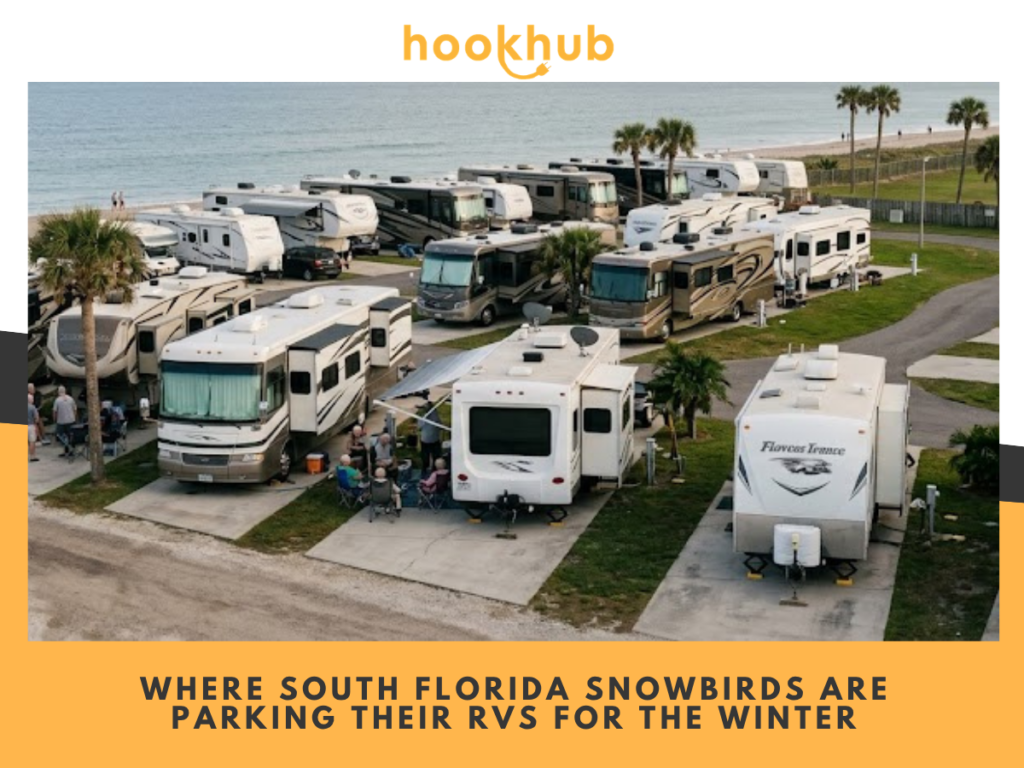
When temperatures drop across much of the country, thousands of RV travelers head south in search of sunshine, mild winter weather, and a comfortable place to settle in for the season. For many snowbirds, South Florida remains one of the most appealing destinations for an extended winter stay.
The challenge is finding the right RV site.
Traditional RV resorts and campgrounds can fill quickly during snowbird season, particularly in popular coastal areas. Monthly rates can also climb when a property includes resort-style amenities such as a heated pool, fitness center, pickleball courts, or waterfront access.
Fortunately, a winter in the Sunshine State does not have to depend on finding an opening at a large snowbird RV resort. From Palm Beach County and the Atlantic coast to Homestead and the gateway to the Florida Keys, RVers have more ways to build a South Florida home away from home.
Private land adds another possibility for travelers who value more space, quieter surroundings, and a different kind of long-term stay.
Key Takeaways
- South Florida remains a major destination for RV snowbirds because of its mild winter weather, coastal access, and abundance of warm-weather activities.
- Popular RV parks and resorts can fill quickly during the winter season, especially when travelers need full hookups or specific amenities.
- Palm Beach County can provide a useful home base for snowbirds who want easy access to South Florida without staying directly in the busiest tourist areas.
- Homestead and inland communities offer a different snowbird experience, with access to natural attractions and the Florida Keys.
- Private RV parking can expand the search beyond traditional campgrounds, particularly for travelers looking for long-term stays, quieter surroundings, or fewer resort amenities.
Why So Many RV Snowbirds Choose South Florida
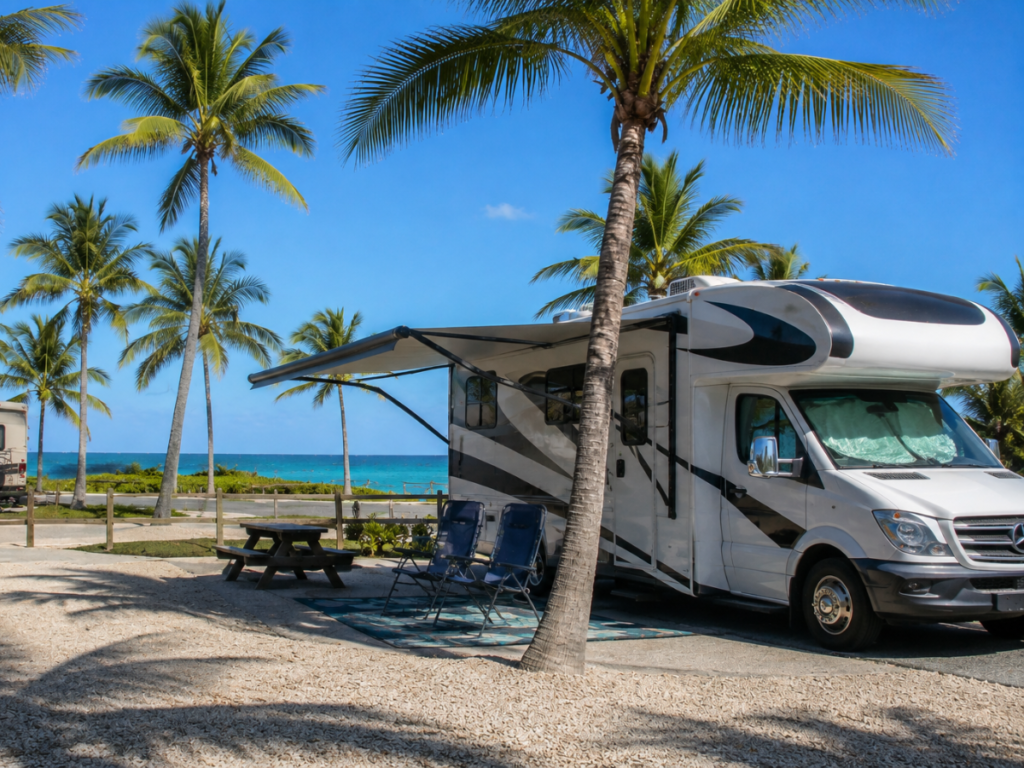
For snowbird RVers, Florida offers something difficult to replicate in most of the country during winter: the ability to spend January outside without planning your day around snow, ice, or freezing temperatures.
That simple difference shapes the entire snowbird lifestyle.
Instead of dealing with icy roads and winterizing an RV for months of storage, travelers can head south for the winter and continue enjoying outdoor activities, beaches, state parks, and local communities.
South Florida is particularly attractive because winter weather tends to remain mild compared with much of the United States. Sunny days and warmer climates allow RV travelers to treat the winter months as another travel season rather than a time to stop RVing.
But South Florida is not one single RV destination.
A traveler who wants easy access to beaches and restaurants may choose a very different home base from someone who wants natural beauty, quieter surroundings, or a short drive to outdoor recreation.
“The best winter stay is not always the RV park with the longest amenity list. For many snowbirds, it is the place that gives them the right balance of warm weather, everyday convenience, and enough space to actually feel at home for the season.”
Caylee Shea Harrington
Understanding those differences can help you choose a location that fits your travel style before you start booking.
1. Lantana and Palm Beach County
For snowbirds who want to stay along Florida’s Atlantic side, Lantana can serve as a convenient base for exploring Palm Beach County and surrounding South Florida communities.
Its location gives RVers access to coastal activities while keeping them connected to shopping, restaurants, services, and nearby destinations. For a traveler planning a long-term winter stay, that balance can matter more than being parked directly beside the beach.
The broader Palm Beach County area may include traditional RV parks, campgrounds, and private parking options, depending on availability and local rules.
When comparing sites, look beyond the distance to the water.
A waterfront RV site may sound ideal, but an inland location with easier access, more space, and a lower monthly rate may fit an extended stay better. If you plan to explore frequently, a conveniently located home base can be more practical than paying a premium for a view you only enjoy from your RV site.
For snowbirds who return to Florida year after year, everyday convenience often becomes just as important as vacation-style amenities.
2. The Greater South Florida Atlantic Corridor
RVers willing to expand their search beyond one town can find additional possibilities throughout South Florida’s Atlantic corridor.
The best location depends on how you plan to spend the winter.
Some travelers prioritize beach access. Others want a welcoming community, nearby shopping, or easy access to major roads for day trips. Snowbirds working remotely may care more about reliable Wi-Fi and a quieter site than a heated pool or fitness center.
This is where comparing different types of RV accommodations becomes useful.
A traditional snowbird RV park may provide a predictable list of amenities. A smaller campground may offer a simpler experience. A private RV site may provide fewer shared facilities but more room between you and the next traveler.
None of those choices is automatically better.
The right one depends on whether your ideal snowbird experience looks more like a resort vacation or comfortable seasonal RV living.
3. Homestead and the Gateway to the Everglades
For travelers who prefer natural beauty to a traditional resort environment, Homestead can offer a very different South Florida winter experience.
Its location places RVers near the Everglades region and provides a potential base for exploring outdoor attractions in southern Florida.
This area can appeal to snowbirds who would rather spend their days exploring than sitting beside a resort pool.
Before booking, however, consider what you need for a comfortable extended stay.
A basic campsite may work perfectly for a short getaway but become less convenient over several months. Snowbird RVers planning long-term stays should confirm access to water, electricity, sewer or a dump station, Wi-Fi, and other everyday necessities.
The same applies when considering a state park or nature-focused campground. Maximum-stay rules and available hookups can differ significantly from a commercial RV resort designed for extended stays.
4. The Florida Keys
For some snowbirds, the ultimate Florida winter means heading as far south as practical.
The Florida Keys offer waterfront scenery, warm winter conditions, and a travel experience that feels distinctly different from mainland South Florida.
The challenge is space.
Because the Keys have limited land, RV sites can be harder to find and may come at a premium during peak winter months. Travelers with larger RVs should pay particular attention to site dimensions, access roads, and campground restrictions before making a booking.
One strategy is to use the Homestead area as a home base while exploring the northern Keys on day trips.
That approach may not suit someone determined to wake up beside the water every morning, but it can give RV travelers access to the Keys without requiring their entire winter stay to be located there.
For many snowbirds, flexibility is what makes a Florida winter possible.
5. Inland South Florida
Beachfront locations receive much of the attention, but staying inland can be a practical choice for an extended winter season.
An inland RV site may offer a quieter setting while keeping the coast within driving distance. Depending on the property, travelers may also find more space and different monthly rates than they would at a waterfront resort.
This can work especially well for RVers who do not need resort amenities.
If your winter routine involves exploring local communities, visiting parks, taking day trips, and enjoying Florida’s mild weather, you may spend relatively little time using a clubhouse or scheduled activities.
Before paying more for a resort experience, ask yourself which amenities you will genuinely use.
A heated pool may be worthwhile if swimming is part of your daily routine. A fitness center can be valuable if you exercise regularly. A pickleball court may be a major selling point for one traveler and completely irrelevant to another.
The best value comes from matching the site to your actual lifestyle.
6. Private RV Parking in South Florida
Traditional RV parks are not the only way to spend the winter in South Florida.
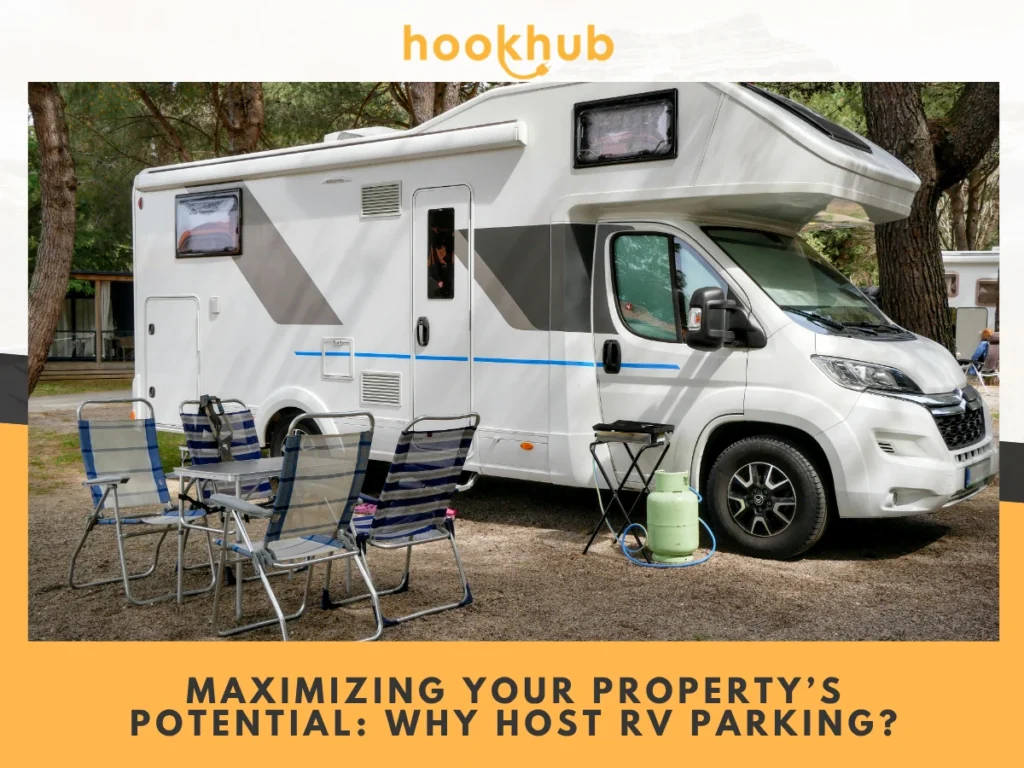
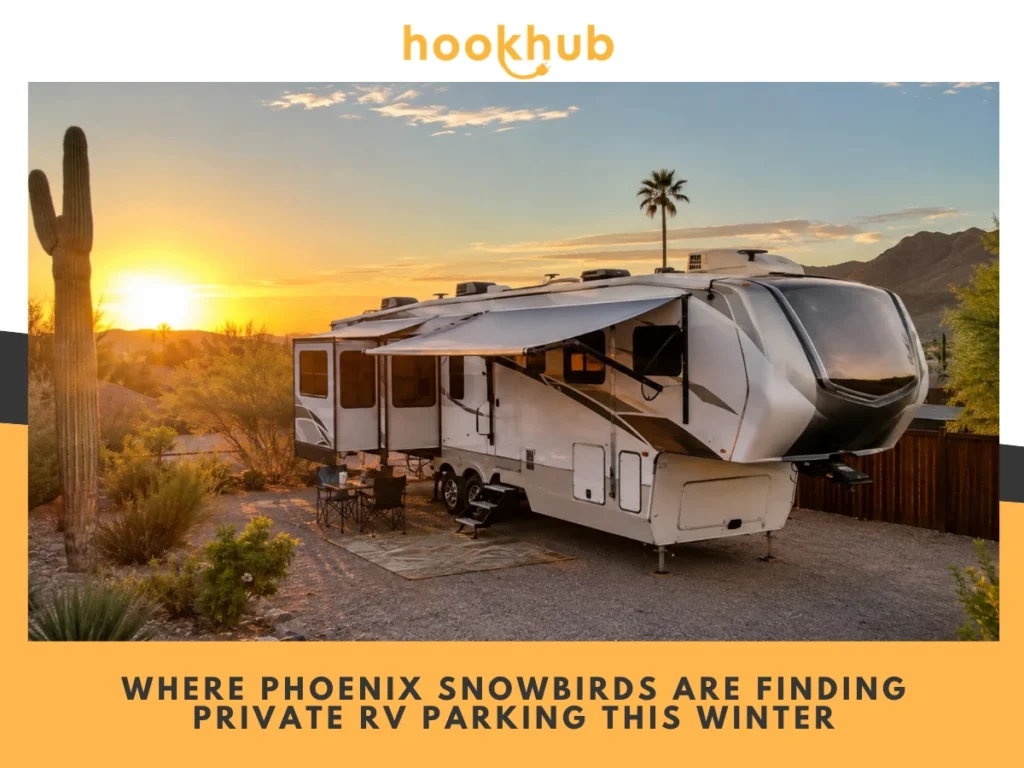
Private land can expand the search for RVers who want more room, a quieter environment, or an extended stay outside a conventional campground.
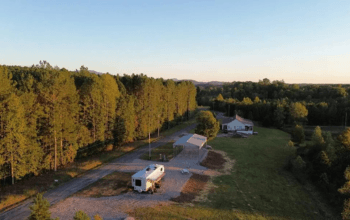
A private RV site might be located on acreage, beside a residence, or on another property with enough suitable space for an RV.
Amenities vary considerably.
Some private sites may offer full hookups, while others provide only water and electricity. Some may function as simple RV parking with no hookups at all.
That variability makes communication especially important.
Before booking a private site, confirm:
- The maximum RV size the property can accommodate
- Electrical service and amp capacity
- Water availability
- Sewer access or the nearest dump station
- Wi-Fi and cellular coverage
- Pet and guest policies
- Minimum stay requirements
- Monthly rates and utility costs
- Access for larger RVs
- Cancellation terms
For a winter stay lasting several months, these details matter more than a long list of recreational amenities.
What Does a South Florida Snowbird RV Site Cost?
Monthly rates vary widely across South Florida.
Location is one factor, but it is not the only one.
A waterfront RV site at a snowbird resort with a heated pool, fitness center, and organized activities may cost considerably more than a basic inland campsite or private RV parking arrangement.
Hookup type also affects price.
A full-hookup RV site with electricity, water, and sewer generally offers more convenience for a long-term stay than a site requiring regular trips to a dump station.
Before comparing monthly rates, check what the price actually includes.
Electricity, Wi-Fi, resort fees, pet charges, additional vehicles, and deposits can change the total cost of a winter stay. A lower advertised rental rate is not always the less expensive option after additional fees are included.
The better comparison is total seasonal cost against the experience and services you actually receive.
How Far in Advance Should Snowbirds Book a Winter RV Site?
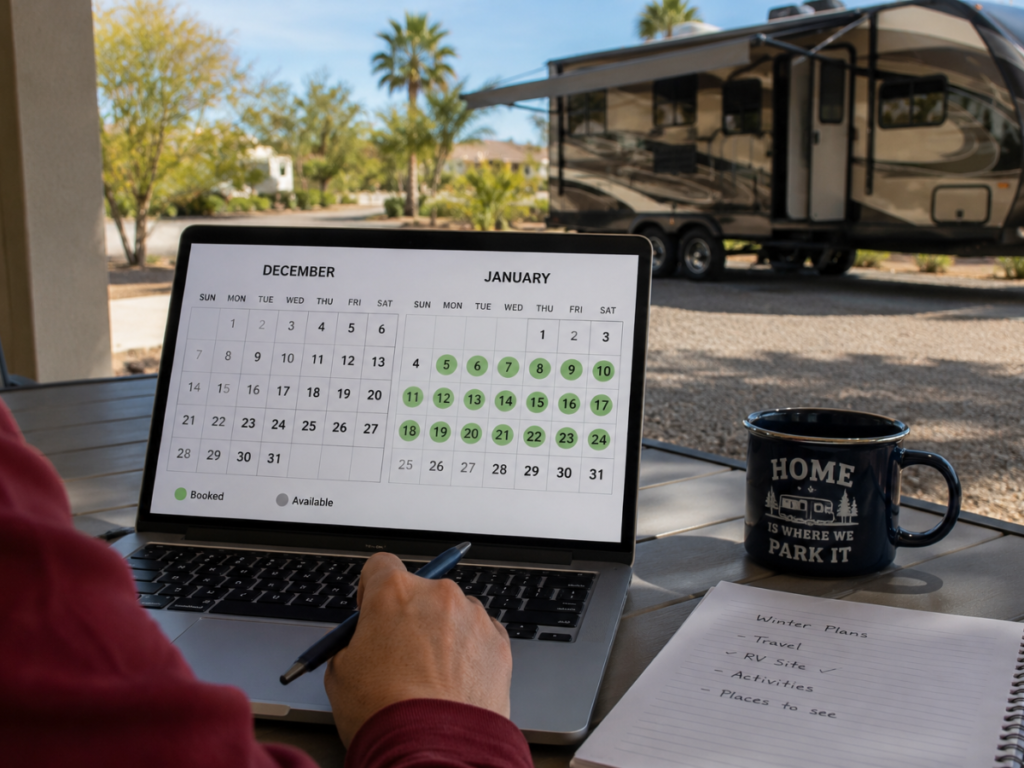
There is no universal booking deadline for every RV park in South Florida.
However, travelers with strict requirements generally benefit from searching earlier.
If you need a specific RV site size, full hookups, waterfront access, or a particular resort amenity, your pool of suitable options will already be smaller.
Snowbirds planning to arrive in late fall can begin researching well before temperatures drop at home. Early planning gives you more time to compare locations rather than booking the first available campsite.
Travelers with flexible requirements may have more options.
If a specific resort is full, consider expanding your search geographically or looking at a different type of accommodation. A private site, smaller campground, or inland property may provide the winter experience you want without being located inside the most competitive snowbird corridor.
What Amenities Actually Matter for a Long-Term Winter Stay?
Many snowbird RV parks market themselves around amenities.
Some offer a heated pool, fitness center, pickleball, organized events, and a welcoming community designed around seasonal residents.
Those features can create an excellent snowbird experience for travelers who use them.
But an extended stay changes what matters.
Reliable utilities, convenient access, a comfortable RV site, and clear property rules may have a greater impact on everyday life than a long recreational amenity list.
Think about your travel style.
Do you want an active social calendar, or would you rather have a quieter place to return to after exploring?
Do you plan to spend most days at the resort, or will you be at the beach, visiting a state park, or taking day trips?
The best winter home away from home is the one that supports how you actually spend your time.
South Florida vs. Florida’s Gulf Coast for Snowbirds
South Florida’s Atlantic side is only one option for a Florida snowbird winter.
Some RV travelers prefer the Gulf Coast, where communities around Bradenton and the broader coastal region offer another combination of beaches, recreation, and seasonal RV living.
Choosing between the two often comes down to personal preference.
The Atlantic side can work well for travelers focused on Palm Beach County, the Everglades, and access toward the Florida Keys. The Gulf Coast may appeal to RVers whose preferred destinations and activities are concentrated on Florida’s western side.
If you are flexible about location, comparing both coasts can significantly expand your search when popular snowbird RV parks begin filling up.
Where Hookhub Fits Into a South Florida Winter Stay
Finding long-term RV parking can become frustrating when the same established parks appear in every search.
Hookhub gives RVers another way to explore private land offered by hosts with space for RV stays.
For a Florida snowbird, that can mean expanding the search beyond a conventional RV resort or campground while still looking in the region where you want to spend the winter.
The process should still begin with your practical needs.
Determine your RV size, required hookups, preferred monthly budget, and maximum driving distance from the places you expect to visit regularly.
Then compare available options based on those requirements.
A private site may not include a heated pool, clubhouse, cabin rentals, or a packed seasonal activity calendar. What it may offer instead is more space, a quieter environment, and a different kind of extended stay.
For many RVers, that is exactly the point.
Frequently Asked Questions
Where do RV snowbirds stay in South Florida?
Snowbird RVers stay in traditional RV parks, seasonal resorts, campgrounds, and private RV sites throughout South Florida. Popular areas include Palm Beach County, communities along the Atlantic corridor, Homestead, and locations that provide access to the Florida Keys.
When does snowbird season start in Florida?
Snowbird activity generally increases in late fall as temperatures drop across northern states and continues through the winter months. Exact arrival and departure dates vary depending on the traveler and accommodation.
Do South Florida RV parks require a minimum stay during winter?
Some seasonal properties may have minimum-stay requirements during peak winter periods, while others accept shorter bookings. Always confirm current booking policies directly with the property before reserving.
Are private RV sites suitable for long-term winter stays?
They can be, depending on the property. For an extended stay, confirm hookups, utility costs, access, property rules, and maximum stay length before booking.
Is South Florida or the Gulf Coast better for snowbirds?
Both can provide a warm winter RV experience. The better choice depends on the destinations you want to explore, your preferred travel style, site availability, and budget.
What should I look for in a Florida snowbird RV site?
Prioritize practical features such as suitable RV access, required hookups, total monthly cost, location, and stay rules. Resort amenities should be considered based on how often you will actually use them.
Find Your South Florida Winter Home Base
The best South Florida winter stay does not have to begin with the most famous RV resort.
Start with the experience you want.
If beach access and a welcoming community matter most, focus your search around coastal areas. If you want natural beauty and outdoor exploration, look toward Homestead and the Everglades region. If you value space and quieter surroundings, consider inland properties and private RV parking.
The Sunshine State gives snowbirds plenty of ways to trade snow and icy roads for warmer climates and sunny days.
When traditional RV parks are full or do not match your travel style, Hookhub can help you explore private RV parking and connect with hosts offering another way to spend the winter in South Florida.
The right RV site is the one that gives you a comfortable home away from home for the season, wherever in Florida that happens to be.