
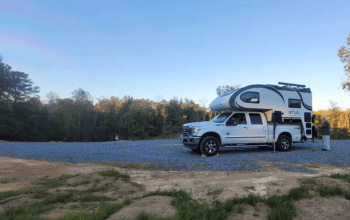
Have you ever had to move out of your RV spot with basically no notice?
I have, and it was a mess.
I was living full-time in a trailer park under the previous owner. I had been there for a couple of months when my next-door neighbor knocked on my door and asked, “Did you hear the news?” I had not. That’s when he told me we had less than a week to get out.
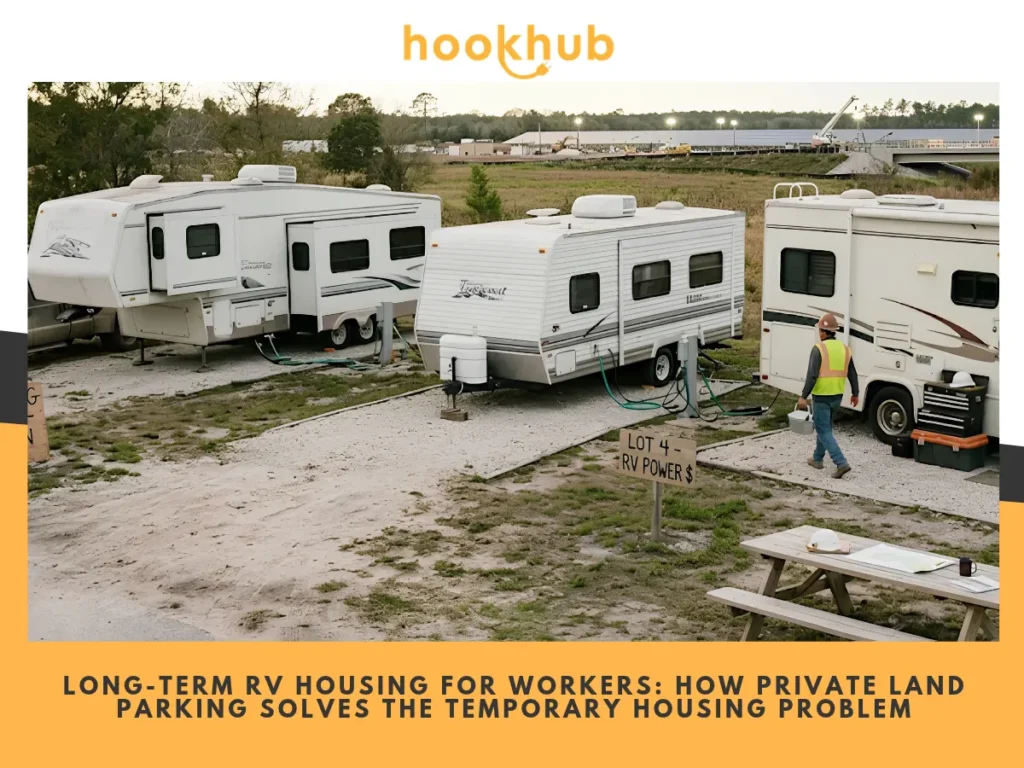
Less than a week.If you’ve ever tried to find long-term RV parking fast, you already know the problem. There may be plenty of places to camp for a night or two, but when you need a real spot to live, store, or stay longer term, the options dry up fast.
That moment forced me into the exact problem so many RVers run into and almost nobody talks about clearly enough: there is a serious mismatch between RV parking demand and long-term supply.
When “just find another spot” is not that simple
At first, I thought I’d just search around and line something up. That sounds reasonable until you actually try it.
I checked every app I could find. I searched online. I started calling around. What I found was a whole lot of short-term camping and almost no real long-term parking.
And the few places that looked promising came with restrictions like:
- 55+ only
- No pets allowed
- Older trailers not allowed
So even when a listing looked available, it often was not actually an option.
That is a huge part of the RV parking problem. It’s not just about whether a spot exists on paper. It’s about whether it works in real life for your rig, your age, your pets, your timeline, and whether you need somewhere to stay for months instead of nights.
For travelers facing that challenge, the ability to find RV parking that supports longer stays can make the difference between constantly relocating and settling into a stable routine that better fits their needs.
With time running out, I had to leave before I had a real plan locked in.
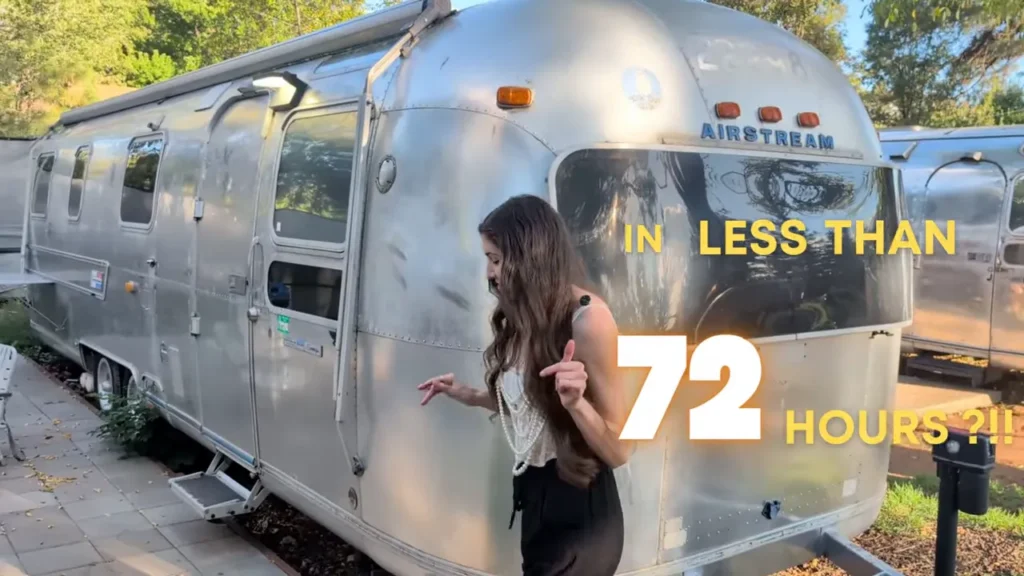
What happens when there’s no long-term RV parking available
When I couldn’t find a place in time, I hit the road and started dry camping for a few nights while I kept searching.
That may sound adventurous, but when you’re doing it because your housing situation just fell apart, it’s stressful. You’re not out there chasing sunsets. You’re trying to solve a logistics problem under pressure.
You’re packing up fast. You’re checking your phone constantly. You’re refreshing apps. You’re trying to figure out where you can go next while hoping something opens up before you run out of options.
This is where the RV lifestyle can get exposed in a way people don’t always see from the outside. Freedom is great, but freedom without stable parking can turn into uncertainty really quickly.
For many RVers, the next step is to find RV parking that supports longer stays and provides a dependable home base while they travel.
When reliable options are limited, even well-planned routes can quickly become stressful.
The data confirmed what I was already feeling
I’m a total nerd when it comes to numbers, so I started digging.
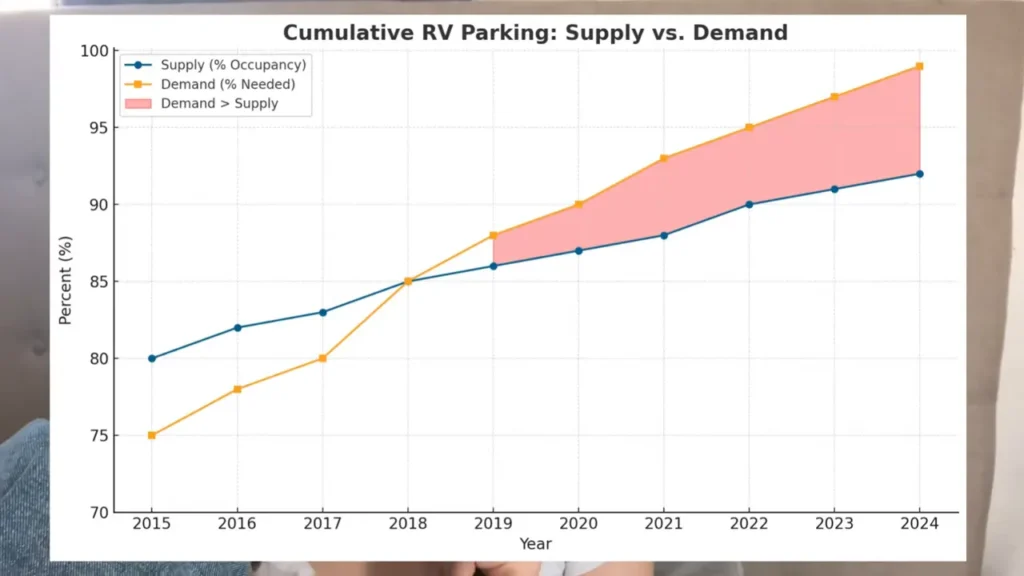
I pulled together graphs and started looking at RV parking availability more seriously, especially full-time parking. What I found matched exactly what I was experiencing on the ground: supply and demand do not match.
That gap is especially obvious for:
- Full-time RV living
- Monthly parking
- Long-term stays
- RV storage and flexible-use parking
The moment a decent spot becomes available, it can disappear faster than you can refresh an app.
That’s not an exaggeration. It felt like every decent option vanished immediately, and the remaining ones either had rules that ruled me out or didn’t actually meet the need.If you’re searching for long-term RV parking, this is the reality in a lot of places. The issue is not just finding “an RV park near me.” The real challenge is finding one that has space, fits your setup, and allows the kind of stay you actually need.
The real problem: we built systems for camping, not for living
One of the biggest takeaways from that experience was this: a lot of the tools in the RV world are built around short-term travel.
That’s helpful if you’re road-tripping, boondocking for fun, or planning weekend stops. But it doesn’t solve the problem for someone who needs:
- A monthly or yearly spot
- A place to stay while working in one area
- Safe parking on private land
- Storage for an RV or trailer
- Pet-friendly options without park-style restrictions
I found apps like Hipcamp and Harvest Hosts, but those are geared toward camping and short-term stays. That is a different need.
There was a clear gap between the way people actually needed to use RVs and the way most parking platforms were set up.
The moment it clicked
Then one day, while I was driving, I had the obvious thought that somehow had not fully clicked yet.
I have family and friends in Arizona with land. Real land. Enough space so that running water and electricity to an RV would not be a big deal. So I reached out.
And their response was basically: yeah, of course. Stay here. Pay monthly. Use water. Use electric.
That was the lightbulb moment.
Because once I saw that solution clearly, I couldn’t stop thinking about how many other people were in the same position on both sides:
- RVers who needed a place to park long-term
- Landowners who had extra space and could rent it out for easy income
And honestly, a lot of RVers would rather not be packed tightly into a traditional RV park anyway.
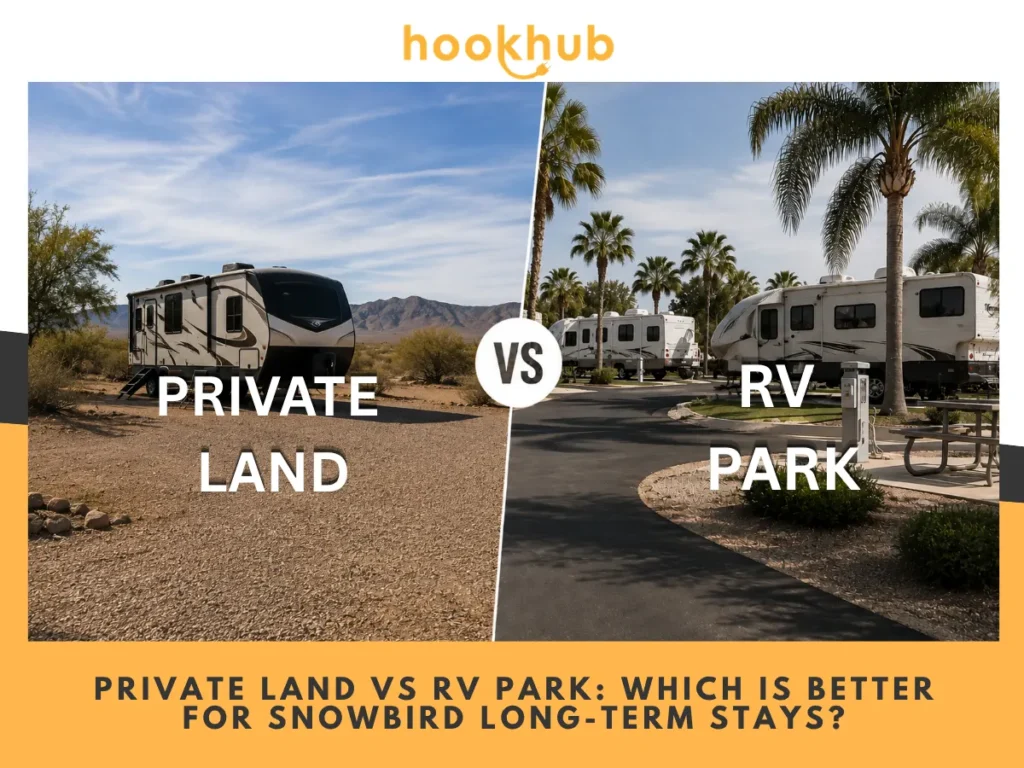
Private land can offer more flexibility, more privacy, and sometimes a much more practical setup than a standard park space.
Why private land makes so much sense for RV parking
Once I started thinking in that direction, the solution felt incredibly simple.
There is land everywhere that could work for RV parking.
Not every property, of course. But far more than what shows up in the usual RV park searches. In many cases, the ingredients are already there:
- Open space
- Road access
- Water availability
- Electric access or the ability to add it
- Owners who would welcome extra monthly income
That creates opportunities for all kinds of use cases, including long-term stays, short-term parking, and storage.
It also opens up more options for people who need specific features, like pet-friendly RV parking or less restrictive setups than many traditional parks offer.
In a state like Arizona, where there is both a strong RV community and a lot of land, this kind of model can be especially powerful.
How Hookhub was born
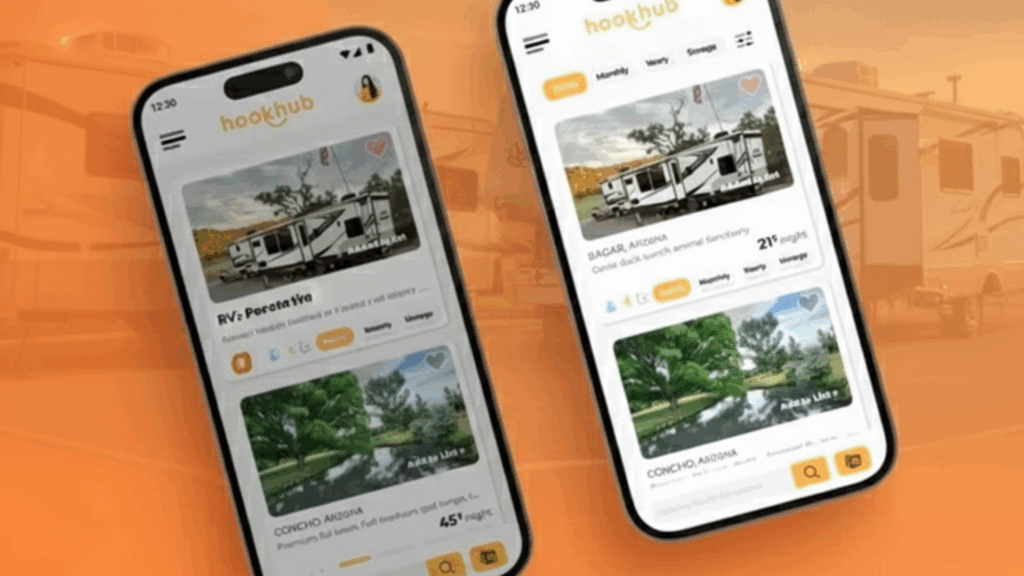
That experience is what led to Hookhub.
The idea was simple: create a platform focused on RV parking of all lengths, not just camping. That means making space for:
- Short-term parking
- Monthly and long-term stays
- RV storage
- Private land listings
- Flexible arrangements that reflect how people actually use their rigs
The goal was to solve the problem I had just lived through.
Not with another app full of pretty camping spots that disappear instantly or don’t allow your setup, but with a marketplace built around real parking needs.
If you want the fuller background on the platform itself and how it works, you can read more about what Hookhub is here.
What this says about the bigger RV parking crisis
My story is personal, but it is not unusual.
The bigger issue is that long-term RV parking has quietly become one of the hardest parts of RV living. The lifestyle keeps growing, but the infrastructure for full-time and flexible parking has not kept up.
That leads to a few predictable problems:
- People are forced into last-minute moves
- Available spaces are snapped up immediately
- Restrictions eliminate many of the remaining options
- RVers end up piecing together temporary solutions while searching for stability
And when that happens, it creates unnecessary stress for people who are simply trying to live, travel, or store their RV responsibly.
A better way forward
The good news is that the problem is solvable.
There is already unused space out there. There are already landowners willing to host.
There are already RVers who need alternatives to crowded parks and impossible searches. For those looking for more flexible options, they can browse RV parking listings that support everything from overnight stays to long-term parking arrangements.
What has been missing is a better way to connect those people.
That was the insight born from a really frustrating situation: the RV parking crisis is real, but so is the opportunity to rethink how parking works.
Sometimes the best ideas come from the moment everything falls apart and you are forced to find another way.
If you’ve lived this too, you’re not crazy
If you’ve ever felt like finding an RV spot was harder than it should be, you’re not imagining it.
If you’ve searched every app, called every park, run into age rules, pet restrictions, or trailer limits, you’re not alone.
And if you’ve ever had to scramble after getting sudden notice to leave, then you already understand why this issue matters so much.
The RV parking crisis is not just about inconvenience. For a lot of people, it is about housing stability, affordability, and having realistic options when the traditional system fails.
That is exactly why this conversation matters.