
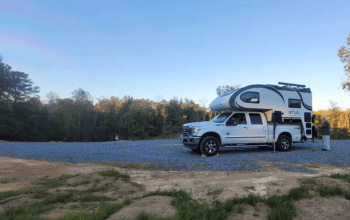
New to the monthly model in Arizona?
Start with Monthly RV Stays on Private Land in Arizona (30–90 Nights): The HookHub Playbook.
Key takeaways
- Monthly hosting is easier mainly because you cut turnovers: fewer check-ins, fewer resets, and fewer messages.
- One longer stay reduces unknowns, which often lowers host stress and neighbor risk.
- Predictable monthly income works best when utilities and rules are simple, written, and enforced.
Nightly hosting can look like the obvious path: list your spot, set a price per night, and let the calendar fill.
Then reality hits. The work is not the pad. It’s the turnover. These include messages, check-ins, resets, and the small surprises that show up when you host a new rig every few days.
Monthly hosting (30–90 nights) changes the operating model. One guest. One setup. There should only be one set of expectations. You trade a little upside for a lot of simplicity.
This post is written for hosts and landowners weighing monthly RV hosting vs. nightly. It leans on current industry reporting, plus the on-the-ground operational math that most “monthly discount” articles skip.
Monthly vs nightly is an operations decision, not a pricing trick
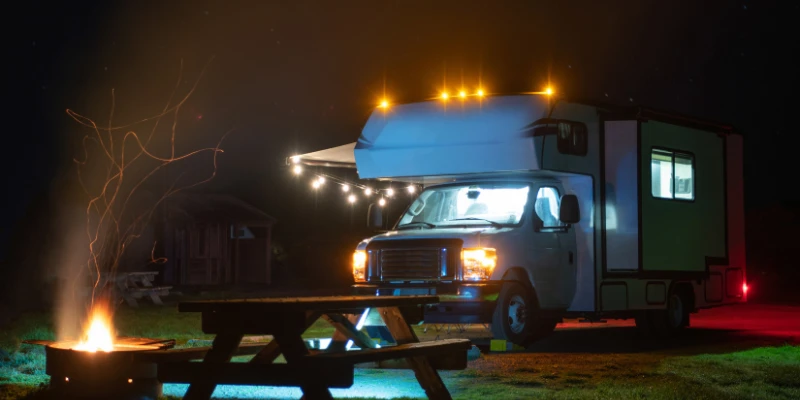
Many hosts start by comparing rates. That’s normal. Yet the real difference is how you run the property.
Nightly hosting behaves like a mini campground or RV park: constant arrivals, constant questions, and constant calendar movement. Monthly hosting behaves more like a long-term rental of an RV site: one setup, then steady maintenance.
If you’ve ever hosted a camper for a weekend and thought, “That was fine, but I would rather not do that every three days,” you already understand the appeal.
Industry reporting suggests demand keeps rising. RV travel continues to grow, and that means more RV travelers are seeking options that fit their schedule and their budget.
Citation: https://www.roverpass.com/blog/roverpass-annual-report/
That demand is increasingly being driven by long-term RVers rather than short vacation travelers. In a recent interview, HookHub founder Caylee Harrington explained that roughly 90% of renters on the platform are seeking full-time or extended-stay parking, creating strong demand for monthly RV sites on private land. Watch the discussion here:
Turnover is the hidden tax of nightly hosting
Nightly hosting is a loop. Every arrival triggers the same set of tasks:
- Pre-arrival questions (rig length, pets, extra vehicles)
- Directions and access instructions
- Check-in timing
- Site reset (trash, pad cleanup, small repairs)
- Calendar management (gaps, last-minute changes)
With a nightly stay, you repeat that loop constantly. With a monthly stay, you do it once, then you maintain.
A quick rule-of-thumb example (not a universal benchmark)
To make the “hidden tax” visible, here’s an example scenario using round numbers:
- Nightly model: 10 bookings in a month x about 20 minutes of messaging each = about 200 minutes
- Monthly model: 1 monthly reservation x about 30 minutes of messaging = about 30 minutes
Your actual time will vary based on your property, your guest mix, and how detailed your listing is. The point is the direction: fewer turnovers usually means fewer repeated conversations.
Monthly stays reduce risk by reducing unknowns
Most host stress comes from uncertainty:
- Will this guest respect the property?
- Will they follow rules?
- Will neighbors complain?
- Will they be self-sufficient?
Monthly hosting does not eliminate risk. It changes the shape of it.
A long-term guest tends to want routine: a stable place to work, visit family, or ride out a season. You screen once, set expectations once, and you’re not constantly rolling the dice on a new arrival.
This lines up with what the industry sees in participation and traveler behavior. KOA’s reporting is useful here as a top-level view of who is camping and how participation is trending.
Fit beats volume
Monthly hosting works best when you optimize for fit, not volume.
A good long-stay guest often looks like:
- A remote worker who wants a stable home base
- Someone on a project who needs long-term stays
- A seasonal traveler who prefers a seasonal site
That’s the practical side of seasonal vs nightly. Nightly guests often want a quick outdoor adventure and a classic camping experience. Long-stay guests want routine, quiet, and a predictable place to live their version of RV life.
Before you commit to monthly guests, run the Monthly RV Hosting Readiness Checklist.
Predictable revenue and simpler utilities policies
Nightly hosting rewards constant optimization. Monthly hosting rewards clarity.
Predictable income beats perfect pricing
Many hosts are choosing this model because it creates more predictable income from private land. Learn more in our guide to RV hosting on private land and passive income.
Hosts often get pulled into comparisons like “nightly or weekly?” or “nightly or weekly rates?” That framing can be useful, but it misses the point: monthly hosting is about reducing operational churn.
From an operator perspective, benchmarking work in outdoor hospitality consistently highlights how occupancy, revenue management, and operational consistency drive outcomes.
Citation: https://ohi.org/wp-content/uploads/2023/10/2023_Benchmarking-Report.pdf
Utilities and amenities: keep it boring (and protected)
Utilities are where hosts can accidentally lose money, especially when stays can vary and you’re not tracking usage.
A monthly setup often includes some mix of:
- Electric hookup
- Water utility
- Trash
- Wi-Fi access
Guests will compare you to what parks charge, and they’ll ask about amenities like laundry, showers, or a pool. On private land, your advantage is not premium amenities. It’s simplicity, space, and fewer rules.
Two common approaches:
- Utilities included up to a reasonable cap (simple for guests; controlled for hosts)
- Utilities billed separately (more precise; requires tracking)
Either way, spell out amenity access clearly. If guests can use a shared bathroom or a shared washer, say so. If not, say so.
The guest math: what long-stay RVers actually care about
Long-stay guests are thinking about their total monthly picture: rent, fuel, food, and living expenses. Their planning and budgeting is about predictability.
That’s where monthly hosting can win on cost per day, even when the nightly equivalent looks higher on paper. A monthly guest may accept a higher sticker price if it buys peace of mind, a stable site, and fewer surprises.
Some guests are trying to budget smarter. Some are relocating. Some are seasonal campers who return every year. In all cases, the benefits of long-term tend to be the same: less moving, less setup, more routine.
Monthly vs nightly, side by side
| Category | Nightly hosting | Monthly hosting |
| Operations | Frequent turnovers | One setup, then steady |
| Communication | Repeated check-in questions | Fewer messages after week one |
| Revenue | Higher upside, more volatility | Lower volatility, easier forecasting |
| Guest intent | Short-term camping | Long-term routine |
| Fit | Works for weekend demand | Works for guests who want to stay longer |
A fast monthly-ready filter for hosts
Monthly is a strong fit if:
- You can support an RV site with reliable access
- You can state clear rules and boundaries
- You can offer a stable pad and a basic utility plan
Monthly may be a weak fit if:
- Your area is extremely sensitive to traffic or visibility
- You cannot host without neighbor friction
How to set expectations so the stay stays easy
The goal is to ensure a smooth month for both sides.
A few practical moves:
- Put site rules in writing (quiet hours, pets, visitors)
- Be clear on site selection: where the rig parks, where vehicles park, where trash goes
- Clarify internet reliability if the guest is doing remote work
- Set a simple utilities policy
This is where monthly hosting becomes easier than nightly: fewer check-ins, fewer “where do I go?” messages, fewer resets.
Why this matters for Arizona hosts, and where HookHub fits
Arizona is built for seasonal patterns and longer stays. When you host monthly, you are not trying to win every weekend. You are building a stable routine that respects your time and your property.
HookHub is focused on making that model work on private land: helping hosts attract stable guests, set expectations upfront, and keep the experience smooth for both sides.
Next steps
Set your numbers with How to Price a Monthly RV Spot.
Sources
- https://www.roverpass.com/blog/roverpass-annual-report/
- https://outdoorrecreation.wi.gov/Documents/Research%20Library%20Page%20files/US%20-%20Demographics%20%26%20Participation/2024-KOA-North-American-Camping-Report-top-level-overview.pdf
- https://ohi.org/wp-content/uploads/2023/10/2023_Benchmarking-Report.pdf