
Traveling in a recreational vehicle offers unmatched freedom, but maintaining the awning is essential to preserving that experience. Beyond aesthetics, a well-maintained awning provides crucial shade, weather protection, and an enhanced outdoor living space during camping trips.
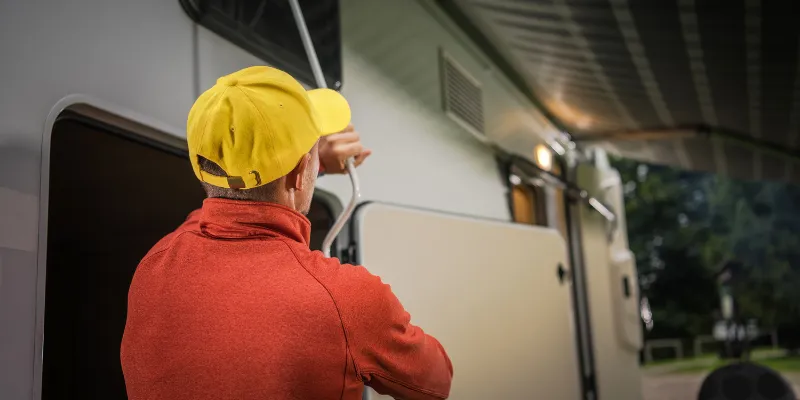
This comprehensive guide draws on expert insights to help both seasoned RVers and newcomers maintain their awnings in optimal condition, ensuring maximum enjoyment of outdoor adventures.
“An RV awning isn’t just fabric—it’s part of the experience you create. Care for it like an asset today, and it protects comfort, trust, and opportunity tomorrow.” Caylee Shea Harrington, CEO Hookhub
Identify Your RV Awning Type and Components
Understanding the specific awning system on an RV is fundamental to proper maintenance. The awning serves multiple purposes beyond shade—it’s a critical element for outdoor comfort and functionality.
Recognizing Different Awning Types
RV awnings come in several varieties, each offering distinct advantages and considerations. Manual awnings offer a budget-friendly option but require physical effort during setup, making them ideal for cost-conscious travelers who are willing to put in some manual labor.
Power awnings deliver convenience through button-operated deployment, though they may require professional attention when mechanical issues arise. These automated systems are ideal for RVers who prioritize ease of use over initial cost.
Bag awnings offer compact storage solutions with less coverage area, providing an excellent choice for those needing space-efficient options.
| Awning Type | Pros | Cons |
| Manual | Less expensive, great for budget-conscious RV owners | Requires manual effort to set up |
| Power | Convenient, easy to operate | Prone to mechanical issues, more expensive |
| Bag | Easy to store, compact solution | May not provide as much coverage |
Learning Critical Component Functions
The awning fabric provides shade and weather protection, while support arms secure the fabric and control extension and retraction. Regular inspections of these components help identify potential problems early, ensuring proper functioning throughout countless trips.
Maintain Your RV Awning for Long-Term Performance
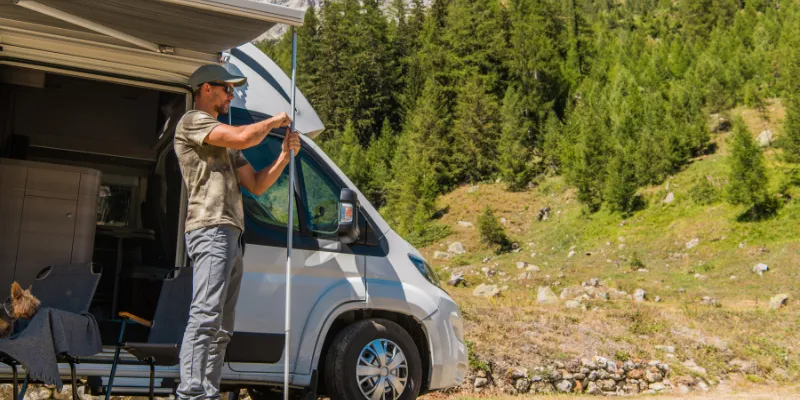
Preserving an RV awning’s condition requires proactive maintenance practices. Proper care not only enhances outdoor enjoyment but also provides reliable protection against harsh weather conditions.
Conducting Regular Inspection Routines
Frequent inspections are vital for effective awning care. Regular examinations allow for early detection of issues such as fraying, tears, or sagging. Inspections should cover the fabric, arms, and mounting hardware to identify damage or rust.
During fabric inspection, watch for mildew or mold growth while ensuring proper tension. Loose fabric can create water pooling that leads to significant damage over time.
Following a Seasonal Maintenance Checklist
A seasonal maintenance checklist helps address the varying challenges awnings face throughout the year. Here’s a foundational checklist to follow:
Spring: Inspect for winter damage, clean the fabric thoroughly, and apply a fabric protector to prepare for active use.
→ Related resource: Keep Moisture Out of Your RV in Winter
Summer: Check fabric tension, ensure proper drainage, and look for signs of wear from increased sun exposure and use.
Fall: Clean the awning completely, inspect for damage, and prepare the system for winter storage or reduced use.
Winter: Store the awning properly or cover it with a breathable protective cover to shield against snow and ice accumulation.
Implementing Proper Storage Techniques
Proper storage significantly extends an RV awning’s longevity. Before storing, ensure the awning is clean and completely dry. Remove all dirt and debris, then allow full drying to prevent mold and mildew growth.
Store the awning in a cool, dry location away from direct sunlight exposure. Use a storage bag or cover to protect against dust and potential damage. When outdoor storage is necessary, secure the awning properly to prevent wind or weather damage.
Clean Your RV Awning for Extended Durability and Appearance
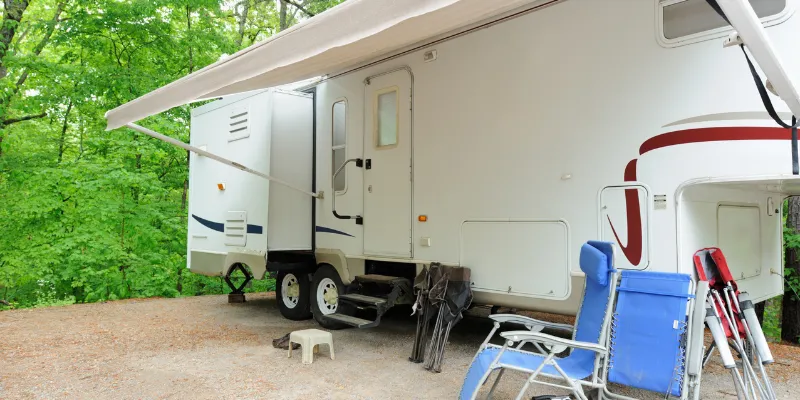
Maintaining a clean RV awning is straightforward and significantly extends its functional life. Regular cleaning preserves appearance while ensuring optimal performance. This section covers everything from selecting appropriate cleaning products to addressing stubborn stains.
Selecting Recommended Cleaning Products
Choosing appropriate cleaning products is critical for awning preservation. For routine cleaning, mild soap and water provide effective results. Stubborn stains may require specialized awning cleaning products formulated for specific fabric types.
Essential cleaning supplies include mild soap, a soft-bristle brush, and specialized awning cleaners for tough stains.
Applying Gentle Cleaning Techniques
Gentle cleaning methods protect awning fabric while removing dirt and debris. Avoid harsh chemicals and abrasive materials that can damage the fabric’s protective coating.
Follow this simple process:
- Brush off loose dirt and debris
- Mix mild soap with water
- Gently scrub the awning with a soft-bristle brush
- Rinse thoroughly with clean water
- Allow the awning to dry completely before retracting it
As awning care experts note, regular cleaning with mild soap and water is often sufficient for routine maintenance, with specialized products reserved for tougher stains.
Treating Stubborn Stains
Occasionally, persistent stains appear despite regular cleaning efforts. For these situations, specialized cleaning products may be necessary. Always test products on a small, inconspicuous area first to ensure they won’t damage the fabric. Follow the manufacturer’s instructions carefully and gently scrub the affected area.
By following these steps and using appropriate cleaning products, RV owners can maintain their awnings in excellent condition, ensuring continued shade and comfort during travels. For additional tips and step-by-step guidance on cleaning awnings, see this helpful guide from GardeningEtc.
Prevent and Treat Mold and Mildew Growth
Mold and mildew present significant challenges for RV owners, particularly in humid environments. Maintaining a clean and dry awning is essential to preventing these problematic growths.
Effective management begins with early detection, which is crucial to preventing spread and more extensive damage.
Identifying Early Signs of Mold Development
Mold typically appears as small, dark spots on awning fabric. When these signs appear, immediate action is necessary. Regular inspections, especially after rainy or humid weather, can catch mold in its earliest stages.
Common indicators of mold include:
- Visible black or green spots on the awning
- A musty odor emanates from the awning area
- General discoloration or staining of the fabric
Applying Effective Mold Removal Methods
When addressing mold, using appropriate products and techniques is essential. Apply a specialized mold and mildew cleaner designed for RV awnings, always following the manufacturer’s instructions for safe and effective use.
For stubborn mold stains, a soft-bristled brush may be necessary, but care must be taken to avoid damaging the awning fabric. After cleaning, ensure the awning dries completely to prevent mold recurrence.
Implementing Preventive Measures for Future Protection
Prevention remains the most effective strategy against mold and mildew. Regular cleaning and thorough drying of RV awnings significantly reduces growth risk. Consider applying a mold-repellent treatment to the awning fabric for additional protection.
Additional preventative strategies include:
- Ensuring adequate airflow around the awning area
- Avoiding extended deployment during prolonged rainy or humid periods
- Storing the awning properly when not in use
By following these guidelines, RV owners can maintain clean, healthy awnings better equipped to withstand various weather conditions.
Repair Common Awning Damage
Addressing tears, holes, or mechanical issues in RV awnings is often manageable without professional assistance. Regular maintenance and prompt repairs significantly extend awning lifespan, allowing continued enjoyment of outdoor comfort and protection.
Fixing Tears and Holes in Awning Fabric
Tears and holes compromise both appearance and functionality. Repairing these damages requires a patch kit designed specifically for awning fabric.
Follow these repair steps:
- Clean the area around the damage to remove dirt and debris
- Apply a patch to the damaged area following the kit manufacturer’s instructions
- For larger tears, use a sewing kit to reinforce the patch
For extensive damage, complete fabric replacement may be necessary, which involves removing the old fabric, inspecting the frame for damage, and installing new fabric according to manufacturer’s specifications.
Addressing Mechanical Issues
Mechanical problems range from extension arm issues to roller or motor malfunctions.
To resolve these issues:
- Identify the problem through careful inspection
- Consult the RV manual for guidance specific to the awning model
- Repair or adjust affected components, which may include lubricating parts or replacing worn components
For complex mechanical problems like broken motors, DIY repair may prove challenging or inadvisable. In such cases, professional assistance ensures proper and safe repair.
Determining When to Seek Professional Help
While many awning problems are manageable independently, certain situations warrant professional assistance. When uncertain about repair procedures or when specialized tools or expertise are required, seeking help is advisable. Additionally, attempting self-repair on warranty-covered awnings may void the warranty.
For complex problems or time constraints, consulting a professional RV technician is prudent. Professional service ensures quick, correct repairs, restoring awning functionality promptly.
Customize Your RV Awning Creatively
Transforming an RV awning into a personalized outdoor space significantly enhances the camping experience. By adding custom touches, the awning becomes more welcoming and functional, perfectly complementing RV travel adventures.
Installing Lighting Solutions for Ambiance and Functionality
Strategic lighting dramatically transforms outdoor space atmosphere. LED strip lighting installed under the awning creates warm, inviting illumination that’s both attractive and practical for evening activities.
For enhanced functionality, add task lighting beneath the awning to illuminate specific areas like cooking or dining spaces. This addition improves outdoor space safety and usability during nighttime hours.
Enhancing Weather Protection
While RV awnings provide basic weather protection, several enhancements can improve their performance. Adding side awnings or windbreaks offers additional defense against strong winds and rain, particularly valuable when camping in exposed or inclement weather locations.
Applying a water-repellent coating to awning fabric provides extra protection against moisture and UV rays, extending the awning’s lifespan while maintaining its protective qualities.
Adding Personalization and Decorative Elements
Personal touches transform an RV awning into a true extension of home. Outdoor rugs and hanging plants create a cozy, inviting atmosphere while helping define the outdoor living space.
For unique personalization, consider custom graphics or signage on the awning. This approach expresses individual style and makes the campsite distinctly memorable.
Protect Your RV Awning — And Your Next Adventure
A little routine care goes a long way in extending your RV awning’s lifespan. Simple monthly rinsing plus occasional deep cleaning with mild soap and a soft brush can prevent mold, fading, and costly repairs. Add extra protection with a saver clamp or tie-down kit, especially in windy conditions, and store your awning properly when not in use to keep it performing at its best.
Looking for a reliable place to park your RV while keeping everything—awning included—in top condition?
HookHub connects you with secure, private RV parking and storage spots across the U.S., complete with options like full hookups, spacious lots, and pet-friendly stays.
Explore your next trusted parking spot at hookhub.co.
Start taking care of your awning today—your future self will appreciate the shade, comfort, and savings on every journey ahead.