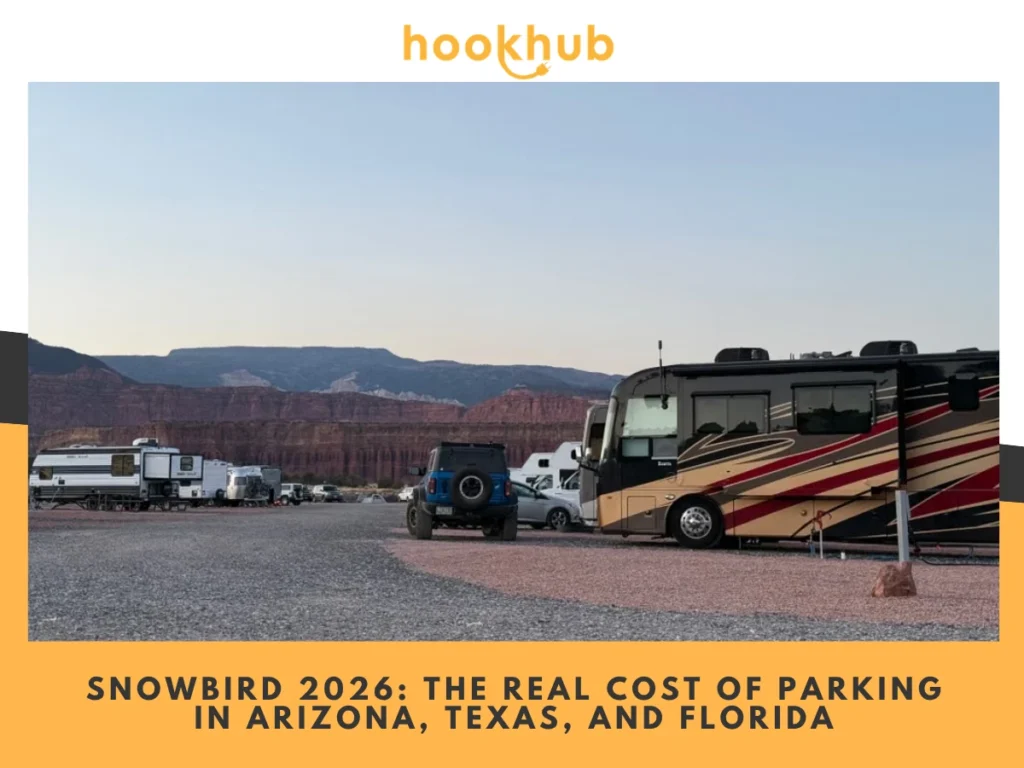
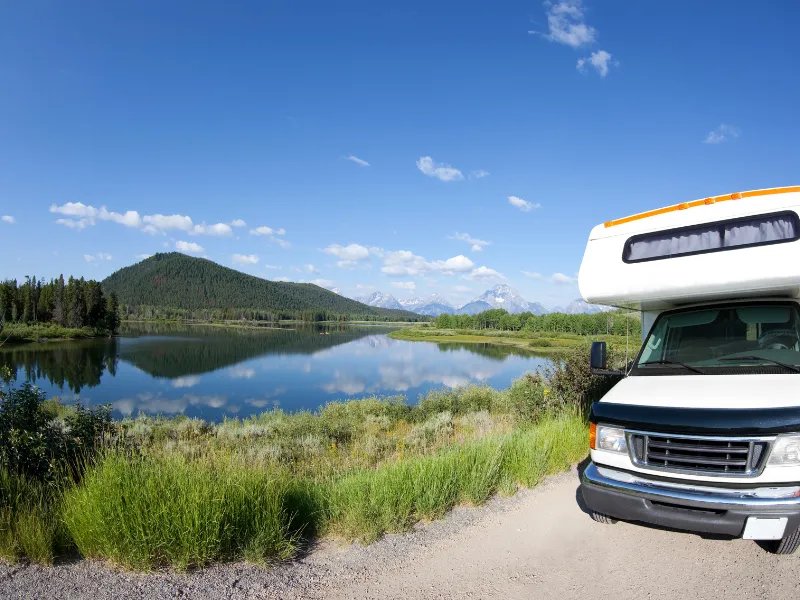
Imagine waking up to breathtaking views each morning, surrounded by nature while enjoying the comforts of home in a scenic campground. For many RV travelers, this lifestyle represents the perfect balance of freedom and adventure.
Planning a multi-season stay at a long-term RV park takes thoughtful preparation. With so many options, finding the right site can feel overwhelming. The right choice ensures comfort, convenience, and lasting memories throughout every season of the journey.
The Advantages of Multi-Season RV Stays
Multi-season RV stays offer the best of both worlds—adventure and comfort. They provide the chance to experience destinations more fully, experiencing local traditions, seasonal events, and hidden gems that shorter visits often miss.
By settling in one location for an extended period, travelers can enjoy both the beauty of nature and the benefits of community life, creating a richer and more memorable journey.
“Multi-season RV hosting goes beyond longer stays—it forges deeper connections between land, traveler, and community. Guests become contributors, and hosts gain lasting stability by curating experiences that grow with the seasons.” – Caylee Shea Harrington, CEO of Hookhub
Financial Benefits of Extended Reservations
Long-term RV stays can save travelers a lot of money. Many parks offer 30%–60% discounts on monthly or seasonal rates compared to nightly prices, with average costs ranging from $500 to $1,100 per month for full hookups.
These rates often include utilities, Wi-Fi, or laundry access, helping to cut both expenses and the need for extra trips into town.
Example of Cost Savings:
| Stay Type | Typical Daily Rate | Monthly Cost | Savings |
| Nightly (30 days) | $35–$65 ($1,050–$1,950) | — | — |
| Monthly | — | $500–$1,100 | 40%–60% |
| Seasonal | — | $400–$900 | Up to 70% |
For more insight into budgeting, check out this guide on campground costs.
Building Community in Seasonal Campgrounds
Extended stays create opportunities to connect with fellow travelers and become part of a welcoming community. Seasonal guests often join local events, group activities, and shared campground traditions, building friendships with people who share similar interests.
Experiencing Locations Through Changing Seasons
Staying in one location across multiple seasons allows travelers to experience its full beauty. From spring wildflowers and summer sunshine to autumn foliage and winter snow, each season offers something unique.
Whether it’s hiking in spring, enjoying water sports in summer, joining fall festivals, or snowshoeing in winter, every season brings new adventures and lasting memories.
How to Select the Ideal Long-Term RV Park
A long-term RV stay requires more than simply choosing a campsite—it’s about finding a place that feels like home. The right park provides comfort, convenience, and a welcoming atmosphere, creating a space where travelers can settle in with ease.
Climate, amenities, and community policies all play a role in shaping the experience. To make the process easier, you can explore these RV parking factors before making your choice.

Consider Climate and Location for Lifestyle Fit
Climate and geography shape the overall experience of an extended stay. Desert regions may offer warmth year-round, while forested areas bring peace and shade. Travelers who prefer to avoid harsh winters may choose milder climates, while those who enjoy skiing or snowshoeing might opt for snowy destinations.
Location also influences the park’s amenities, scenery, and overall character, making it an important first step in the selection process.
Prioritize Amenities That Support Daily Living
Amenities play a crucial role in turning a campsite into a livable space. Parks designed for long-term guests often provide services that make daily routines easier and more enjoyable, such as:
- Full hookups for water, electricity, and sewage
- Laundry facilities for convenience
- Recreational spaces for leisure and social activities
- Reliable Wi-Fi to stay connected
These features add comfort, reduce stress, and help maintain a sense of normalcy during extended stays
Review Policies and Community Atmosphere
Every RV park operates under specific policies, and understanding them in advance prevents surprises. Rules may cover length of stay, pet allowances, or additional charges for amenities. Just as important is the social environment—friendly neighbors and a supportive community can transform a stay into a more meaningful experience.
By weighing climate, amenities, policies, and community, travelers can confidently choose a park that balances comfort and practicality while offering a genuine sense of belonging.
Financial Planning for Seasonal RV Living
Managing expenses is one of the most important parts of long-term RV living. From campsite fees to insurance and utilities, financial planning helps avoid surprises and keeps the lifestyle stress-free. A clear budget ensures travelers can enjoy their seasonal stays without unnecessary money worries.
How Long-Term Rate Structures Work
RV parks often reward extended stays with significant discounts. While nightly rates may range from $35 to $65, monthly or seasonal reservations usually lower the cost to about $500–$1,100 per month. This means travelers can save 30–60% compared to paying day by day.
When reviewing rates, it’s important to:
- Ask about seasonal pricing changes
- Confirm what’s included in the base rate (e.g., hookups, trash, Wi-Fi)
- Clarify additional charges for amenities or services
Understanding these structures helps make the most of cost-saving opportunities.
Factoring in Utilities and Extra Fees
Utilities and facility charges can add up quickly if not planned for. Some RV parks meter electricity and water separately, while others include them in the monthly fee.
Additional costs may include:
- Electricity and water: $50–$150 per month, depending on usage
- Internet or cable services: $50–$100 per month if not included
- Laundry and other facilities: $20–$50 per month
In total, utilities and extras can add $100–$300 per month, making them an important factor in a realistic long-term budget. For perspective, the average U.S. household utility costs provide a useful benchmark when estimating expenses.
Insurance and Legal Protections
Insurance is a critical component of thoughtful financial planning for seasonal RV living. Unlike standard auto policies, RV coverage must account for the unique nature of these vehicles, especially when used as a mobile home or travel trailer.
Key considerations include:
- Confirming whether existing auto insurance covers RV usage
- Securing coverage for liability, collision, and comprehensive protection
- Adding protection for personal belongings and emergency expenses
- Meeting regional requirements for RV insurance
Annual RV insurance costs vary by type and use. Motorhome insurance averages $1,000 to $2,000 per year, while travel trailers are often much less, ranging from $250 to $500 annually. For more details, see this RV insurance cost guide.
How to Prepare Your RV for Multi-Season Stays
When an RV becomes a home for multiple seasons, preparation is essential. Each change in weather brings unique challenges, from freezing pipes in winter to overheating in summer. Adapting the RV to these conditions not only protects the vehicle but also ensures comfort and safety throughout the year.
Protect Your RV in Cold Weather
Traveling to colder regions requires winterization to prevent damage from freezing temperatures.
Important steps include:
- Draining the plumbing system to prevent frozen pipes
- Adding non-toxic RV antifreeze to the water system for extra protection
- Insulating exposed pipes and storage compartments
- Sealing drafts around doors and windows to reduce heat loss
Proper winterizing helps avoid costly repairs and keeps the RV functional during extended cold stays.
Stay Comfortable in Hot Summer Months
In hot climates, managing interior temperature is just as important.
Helpful strategies include:
- Using reflective shades or awnings to block direct sunlight
- Improving ventilation with roof vents, fans, or cross-breeze windows
- Maintaining the air conditioning system for maximum efficiency
- Considering portable cooling units like evaporative coolers in dry regions
These adjustments reduce heat buildup and maintain a safe, livable environment during peak summer heat.
Put Together Seasonal Maintenance Essentials
Regular upkeep ensures the RV stays reliable and comfortable year-round. Seasonal routines include:
| Season | Maintenance Tasks |
| Spring | Inspect and clean the roof, check the battery, and service the engine |
| Summer | Check tire pressure, inspect the cooling system, and ensure proper ventilation |
| Fall | Prepare the plumbing for winter, inspect the heating system, and check the exterior for damage |
| Winter | Monitor the antifreeze, check for drafts, and keep the interior dry |
By following these routines, we can extend the life of our RV. It stays a comfortable home, no matter the season.
Exploring new places and enjoying RV living means we must prepare well. With the right steps, we can pack up and head out with confidence, ready for any season.
How to Create Your Home Away From Home
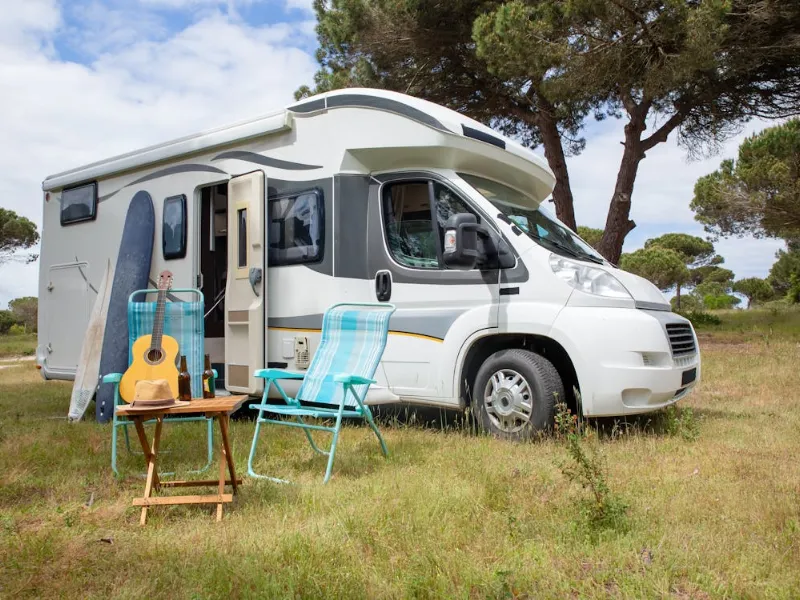
Extended time on the road is more enjoyable when an RV feels comfortable and familiar. Beyond being a vehicle, it becomes a living space—one that can reflect personality, support daily routines, and foster connections no matter where the journey leads.
From personal touches to practical storage solutions, there are plenty of ways to make life on the road easier. Adding the right gear can also help, which is why many travelers start with this list of essential RV accessories.
Personalize Your RV and Outdoor Space
Small details can transform an RV into a welcoming retreat. Favorite decorations, family photos, or cozy throw blankets create warmth inside, while an outdoor setup with chairs, rugs, or even a small potted garden extends the living space and makes each stop feel more like home.
Maximize Storage Solutions for Extended Living
Space is limited in an RV, so organization is essential. Tools like under-bed containers, hanging organizers, and stackable bins help keep belongings tidy and accessible. Clear labeling adds efficiency, ensuring less time searching and more time enjoying the journey.
Maintaine Work and Social Connections
RV living doesn’t mean you have to disconnect from work or social life. Invest in a reliable internet solution and create a dedicated workspace in your RV. Joining RV clubs or attending local events can also help you build a community and keep social connections strong.
By focusing on these aspects, you can turn your RV into a true home away from home. Enjoy the freedom of the open road without sacrificing comfort or connection.
Live the Freedom of Seasonal RV Adventures
Seasonal RV living blends adventure with comfort, offering the chance to settle into one place long enough to enjoy local culture, outdoor activities, and community life. Whether it’s fishing by a quiet lake, hiking forest trails, or joining neighborhood events, every destination brings new opportunities.
Finding the right RV park makes all the difference. From full-service sites with modern amenities to more rustic escapes surrounded by nature, there’s a perfect fit for every traveler’s lifestyle.
With thoughtful planning and the right resources, seasonal RV living can become more than just a trip—it can be a fulfilling way of life. Ready to take the next step? Explore more tips, tools, and opportunities for long-term RV adventures at Hookhub.