It’s 7 AM on a Saturday when your phone rings. A guest slipped on your gravel path last night and broke their wrist. They’re in the ER asking about your insurance policy.
Your heart sinks—do you even have the right coverage?
This scenario plays out more often than most RV hosts realize. One moment, you’re enjoying the rewarding experience of hosting adventurous travelers. The next, you’re facing a potential lawsuit that could cost tens of thousands of dollars—or worse, force you to shut down completely.
Here’s the uncomfortable truth: Most RV land hosts don’t fully understand their insurance coverage until it’s too late. They assume their basic policy will handle any incident, only to discover critical gaps when a claim is filed.
The difference between liability and property coverage might sound like insurance jargon, but it’s actually the difference between financial protection and financial disaster. Liability coverage shields you when a guest gets injured or their property is damaged. Property coverage protects your physical investments—the buildings, amenities, and equipment that make your site profitable.
Both are essential. Neither is optional. And most hosts have dangerous gaps in one or both areas.
That’s exactly why the free Insurance Guide for RV Land Hosts was created. The “Key Insurance Concepts” section breaks down liability vs. property coverage in plain English, so hosts can have confident, informed conversations with insurance agents instead of nodding along while feeling lost in industry jargon.
This article explores what every RV land host needs to know to stay protected—from the basics of liability and property coverage to the hidden exclusions that could leave a business exposed.
Why Insurance Knowledge Protects Your RV Hosting Business
RV land hosts aren’t just renting out a piece of land. They’re offering a unique experience with its own risks. The RV community is friendly and adventurous, but accidents can still happen. Understanding insurance basics protects the business and ensures a smooth experience for everyone.
A great place to start is by reviewing Hookhub’s Host Rules, which outline essential safety standards and hosting practices that help reduce liability.
The Hidden Risks That Could Cost You Thousands
Hosting RV campers comes with specific risks like liability for guest accidents and property damage. If a camper gets hurt on the property, the host could be held liable. If a guest’s property gets damaged, the host might be responsible. Experienced RV hosts report that having clear policies and procedures helps significantly.
Make sure your agreements reflect Hookhub’s Renter Rules to set clear expectations with guests and minimize disputes over damage or liability.
Key risks to consider:
- Guest accidents and injuries
- Property damage to land or structures
- Potential lawsuits and legal expenses
Master the Language of Insurance Protection
Understanding RV hosting insurance requires knowledge of key terms. Liability coverage protects against claims for bodily injury or property damage to others. Property coverage safeguards the investment by covering damages to land, structures, and equipment.
“The right insurance isn’t just protection—it’s permission to innovate. When you’re properly covered, you operate from confidence rather than caution, allowing you to create experiences your competitors won’t risk offering. Protection isn’t just about preventing loss—it’s the foundation for possibility.” – Caylee Shea Harrington
Learning these concepts and working with the right insurance professionals creates a solid protection plan. This allows hosts to focus on what they do best – hosting happy campers.
For practical tips on avoiding common hosting mistakes, check out Hookhub’s Ground Rules for Hosts.
The Critical Differences That Determine Your Financial Safety
Knowing the difference between liability and property coverage is essential for RV land hosts. These coverages serve different roles and can protect businesses from significant financial hits.
“Insurance is often seen as a necessary evil, but for RV land hosting, it’s vital,” says John Smith, an industry expert. “Knowing the difference between liability and property coverage can save hosts from financial disaster in case of a claim.”
Shield Your Business from Guest Injury Lawsuits
Liability coverage protects hosts from claims by third parties, like guests or visitors. It’s crucial for RV land hosts because it covers legal costs, medical bills, and damages awarded to claimants.
If a guest gets hurt using the RV park’s amenities, liability coverage shields the host from lawsuits. It’s a safety net that maintains financial security when accidents or unexpected events occur.
Protect Your Property Investment from Unexpected Losses
Property coverage protects physical assets like the RV park’s buildings, amenities, and equipment. It helps recover from losses due to damage or theft, keeping the business running smoothly.
If a storm damages the RV park, property coverage helps pay for repairs or replacements. This ensures the business can quickly get back on track. It’s a crucial part of risk management.
Both liability and property coverage are essential for RV land hosts. Understanding their differences enables smart insurance decisions that keep businesses fully protected.
Essential Liability Coverage That Prevents Financial Disaster
Liability coverage is the backbone of protecting an RV park or hosting business. From guest accidents to property damage, risks can escalate quickly without the right protection. A solid liability policy keeps operations safe and sustainable for the long term.
General Liability Insurance as the First Line of Defense
General liability insurance shields hosts from third-party claims, including:
- Medical costs from guest injuries
- Property damage caused by operations
- Legal defense fees in the event of a lawsuit
This foundational protection helps businesses manage risks and maintain financial stability.
Protect Finances When Guests Are Injured
Even with strong safety measures, accidents can happen. Liability insurance ensures medical expenses and related costs are covered, preventing one incident from becoming a financial crisis.
Reduce Legal Bills and Settlement Costs
Legal disputes are among the most expensive risks RV park owners face.
Liability coverage helps by covering:
- Attorney fees and court costs
- Settlement payments in lawsuits
- Ongoing defense expenses
With these protections in place, hosts gain peace of mind knowing their business is shielded from unexpected financial setbacks.
Comprehensive Property Coverage That Secures Your Investment
Property coverage for RV campgrounds includes several key components. Every owner needs to understand these to protect their investment, including coverage for buildings, utilities, and recreational amenities.
Protect Every Structure That Makes Your Business Run
Buildings, utilities, and permanent structures are key assets that need comprehensive coverage:
- Office buildings and administrative areas
- Bathrooms and laundry facilities
- Utility infrastructure, such as water and sewage systems
- Permanent structures like swimming pools and clubhouses
Covering these assets against damage or loss helps keep businesses running smoothly.
| Asset Type | Coverage Importance | Potential Risks |
| Office Buildings | High | Fire, Theft, Natural Disasters |
| Utility Infrastructure | High | Damage, Disruption |
| Permanent Structures | High | Damage, Vandalism |
Keep Guest Amenities That Drive Revenue Protected
Recreational amenities and equipment attract RV campers.
Coverage for these includes:
- Playground equipment
- Sports facilities
- Recreational vehicles or equipment for rent
Protecting these amenities ensures a great experience for guests.
Recover Quickly from Disasters, Theft, and Fire
RV campgrounds face risks from natural disasters, theft, and fire. Comprehensive coverage protects against these risks and helps minimize potential losses.
“A well-structured property coverage plan can be the difference between recovering from a disaster and facing financial ruin.” – RV Insurance Expert
Understanding and implementing the right property coverage components allows RV campground owners to protect their investments and ensure long-term success.
Coverage Gaps That Could Leave You Vulnerable
The world of RV land hosting is full of variables. Standard insurance policies might not cover all of them. RV land hosts must understand these gaps in insurance coverage to protect businesses effectively.
Standard insurance policies offer broad protections but also have exclusions that can leave hosts at risk. Understanding these exclusions is key to managing RV park insurance properly.
Common Policy Exclusions That Catch Hosts Off Guard
RV park insurance policies often exclude certain risks or damages.
Common exclusions include:
- Environmental hazards like pollution or contamination, unless covered by a separate environmental insurance policy
- Business interruption for various reasons, which poses significant risk if the RV park must close temporarily
- Certain natural disasters, like earthquakes or floods, depending on location, which may require separate policies
Reviewing insurance policy documents carefully reveals what’s excluded and whether additional coverage is needed.
Specialized Coverage Options That Fill Dangerous Gaps
To fill gaps in standard insurance policies, RV land hosts can explore supplemental and specialized coverage:
- Environmental insurance to cover pollution or contamination risks
- Business interruption insurance to protect against loss of income during temporary closures
- Flood or earthquake insurance if the RV park is in a high-risk area
- Cyber insurance to protect against cyber threats when handling guest data or online bookings
Understanding common exclusions in RV park insurance and exploring supplemental coverage ensures businesses are fully protected against various risks.
Real Claims That Show Why Insurance Matters
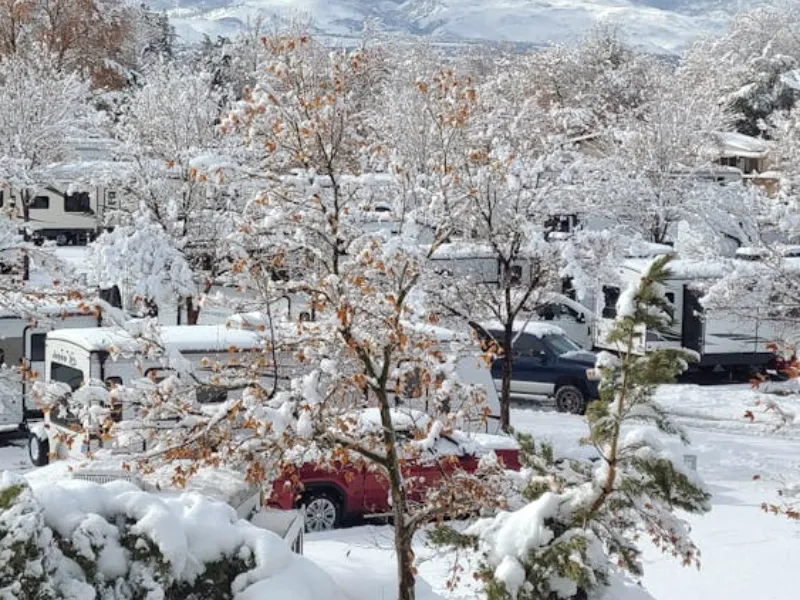
Insurance is essential for RV land hosting, not just a precaution. It can make the difference in unexpected events. RV hosts have found that the right insurance makes complex claims easier to handle.
Liability Claims That Could Have Bankrupted These Hosts
Liability claims can happen in many ways. RV land hosts need to understand how to deal with them. These examples show why preparation is important.
A guest slipped on ice and hurt their ankle at an RV park. They claimed the park didn’t make the area safe enough. Fortunately, the park’s liability insurance covered the medical bills and legal costs.
Key Takeaway: Maintaining property in good condition and taking steps to avoid risks lowers the chance of liability claims.
- Ensure the property is safe for guests
- Establish clear procedures for accidents
- Review liability insurance regularly to ensure adequate coverage
Property Damage Scenarios Every Host Should Prepare For
Property damage can occur for many reasons, including natural disasters, theft, or vandalism. RV land hosts need to know how to handle property damage claims.
| Type of Damage | Common Causes | Insurance Coverage |
| Building Damage | Fire, storms | Property coverage |
| Equipment Damage | Theft, vandalism | Equipment insurance |
| Landscaping Damage | Storms, accidental damage | Property or additional coverage |
Understanding different types of property damage and insurance helps RV land hosts prepare for the unexpected and reduce financial losses.
Key Consideration: Regular policy reviews and updates ensure adequate coverage for property and operations.
Build the Right Insurance Portfolio for Your Property

RV land hosts need insurance that fits their specific needs. Choosing the right coverage can seem challenging, but with the right guidance, businesses and assets can be well protected.
Find Agents Who Truly Understand RV Property Risks
Finding insurance agents who specialize in RV properties is essential. They can guide hosts through insurance options and ensure proper coverage. Look for agents who understand the RV community and the risks of hosting RV campers.
Tips for finding the right agent:
- Ask for referrals from other RV land hosts or industry professionals
- Check for certifications or specialized training in RV insurance
- Assess their knowledge of local regulations and RV-specific risks
Pro tip: The Insurance Guide includes a list of questions to ask potential agents, making it easy to assess whether they truly understand RV land hosting risks quickly.
Get Maximum Protection Without Overpaying
When customizing insurance, balance cost and coverage to ensure the policy matches the assets. Forbes’ business insurance guide offers practical tips on finding the right balance without overspending.
Key factors to consider:
- The value of property and assets
- The level of risk associated with the RV hosting business
- Local regulations and requirements for insurance coverage
Keep Your Coverage Current as Your Business Grows
Regular insurance policy reviews and updates are essential. Schedule annual reviews or reviews when the business changes.
During policy reviews, assess:
- Changes in business operations or assets
- Updates to local regulations or industry standards
- Any gaps in coverage or areas for improvement
Working with experienced agents and regularly reviewing insurance protects against risks and losses.
Your Next Steps to Complete Protection
Understanding the importance of liability and property coverage is essential for RV land hosts. These coverages differ significantly and both are crucial. The right insurance shields businesses from many risks.
Creating a solid insurance plan is vital for managing risks from hosting RV campers. It protects against claims from others, keeps investments safe, and prepares businesses for surprises.
Ready to take action?
Download the free Insurance Guide for RV Land Hosts and use the Coverage Checklist on page 8 to ensure the right protection is in place. It’s designed to walk hosts through each coverage type specific to their property, so nothing falls through the cracks when talking to an agent.
With a strong protection strategy, hosts can confidently welcome RV travelers. Regular insurance reviews and updates keep coverage aligned with the business’s changing needs.