RV living excites many because it offers freedom, adventure, and the chance to connect with nature. But shifting from a short-term trip to a long-term lifestyle requires more than enthusiasm—it demands careful planning, mindset shifts, and lifestyle adjustments.
The Mindset Shift: From Vacation to Lifestyle
Moving to full-time RV living means more than just extending your trip. It’s a lifestyle transformation—one that brings freedom and flexibility but also challenges.
“Full-time RV living isn’t just about where you sleep—it’s about redefining your relationship with place. Hosting modern nomads means more than offering parking; it’s creating spaces that support intentional living. The best land hosts design experiences that honor both movement and meaning, making their land part of someone’s story. The magic happens when people can truly live, not just stay.”
Caylee Shea Harrington, HookHub CEO
Psychological Adjustments
Living in an RV full-time isn’t just a new address; it’s a new way of life. You’ll need to adapt to smaller spaces, fewer belongings, and constant mobility. For example, Sarah and Mike, who made the switch, learned to balance less personal space with more shared experiences.
Key adjustments include:
- Embracing simplicity and living with fewer things
- Creating personal space and alone time despite small quarters
- Accepting constant change in location and community
Embracing the Nomadic Lifestyle
The full-time nomadic lifestyle is about more than travel—it’s about adaptability. You’ll explore new places, meet diverse people, and gain unique experiences. But it also requires resilience.
Ways to make the most of it:
- Stay connected with family and friends through regular calls
- Find belonging through RV clubs and online forums
- Mix popular destinations with hidden gems in your travel plans
Setting Realistic Expectations for Daily Life
Daily life in an RV looks different from short vacations. You’ll need to manage resources wisely, plan meals in a small kitchen, and balance work, travel, and leisure.
Examples include:
- Conserving water and electricity to extend your stay off-grid (U.S. Department of Energy’s energy-saving tips)
- Sticking to routines that balance productivity and relaxation
- Shopping and cooking efficiently with limited storage space
Short-Term vs. Long-Term RV Living
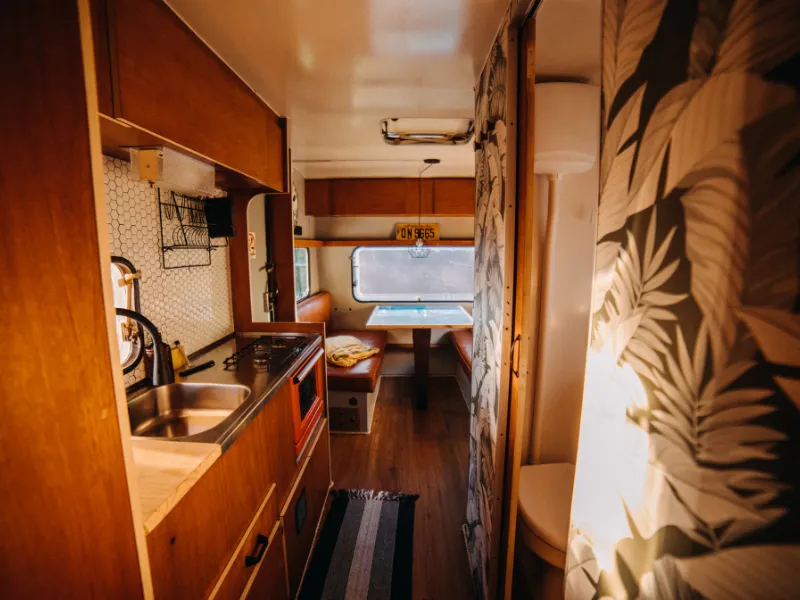
Transitioning from short stays to full-time living involves big lifestyle changes.
Here are the key differences:
Space Management
Clutter might be manageable on short trips, but long-term living demands smart organization.
| Storage Solution | Benefit |
| Overhead Compartments | Uses vertical space for less-used items |
| Under-Bed Storage | Maximizes space for bulky or seasonal items |
| Multi-Functional Furniture | Reduces clutter by serving multiple purposes |
Seasonal Considerations
Weather plays a major role in comfort. Winter requires insulation, heating, and sometimes tire chains, while summer calls for sunshades, better ventilation, and cooling strategies. For guidance on staying safe in severe weather, see the Ready.gov disaster preparedness guide.
Building Community
Short-term stays often bring temporary connections, while long-term living allows deeper bonds. RV clubs, park activities, and meetups help you build a support network and lasting friendships.
Financial Readiness in RV Living
Financial readiness is crucial. Costs differ from a traditional home, so planning ahead helps avoid surprises.
Monthly Budget Considerations
- Fuel: Frequent travel increases costs
- Maintenance: Preventive care saves long-term expenses
- Camping Fees: Expect both RV park rates and boondocking fees
On average, budget around $1,000–$2,000 per month, depending on lifestyle. For a deeper breakdown of expenses, use our RV Living Calculator.
Long-Term RV Park Rates
Many long-term RV parks offer extended-stay discounts:
| Length of Stay | Discount |
| 1–3 months | 5% |
| 4–6 months | 10% |
| 7+ months | 15% |
Always ask management about discounts and flexible lease terms.
Insurance & Taxes
Full-time RVers need specialized insurance that covers the RV as a primary residence. Taxes may also shift depending on where you spend most of your time—consulting a tax professional is recommended.

Finding and Selecting Long-Term RV Parks
The right park makes a big difference in your experience.
Essential Amenities
Look for:
- Reliable Wi-Fi and cell service
- Laundry facilities
- Recreational areas (pools, gyms, clubhouses)
- On-site or nearby shopping
Location Strategies
- Winter: Florida, Arizona, and other warm states
- Summer: Pacific Northwest or mountain regions
Extended Stay Policies
Before committing, clarify:
- Base monthly rate and discounts
- Additional amenity fees
- Flexibility in lease agreements
Modifying Your RV for Long-Term Comfort
To feel truly at home, upgrade your RV for comfort and practicality.
Storage Solutions
- Stackable bins for clothes and linens
- Under-bed storage for bulky items
- Shelves and hanging organizers for essentials
Comfort Upgrades
- Invest in quality bedding
- Improve airflow with roof vents and fans
- Use LED lights for efficiency and brightness
- Add personal touches like photos or décor
Maintenance Routines
- Regularly check tires, filters, and seals
- Service your engine and generator
- Inspect the roof to prevent leaks
For a complete list of RV maintenance and upkeep tips, check out our guide to keeping your rig safe and comfortable.
Embracing Your New RV Lifestyle
Transitioning to long-term RV living is about more than travel—it’s about freedom, connection, and intentional living. With the right mindset, community, and planning, you can thrive on the road.
RV living gives you the chance to explore new places, meet people from all walks of life, and enjoy nature up close. By preparing for the challenges and embracing the lifestyle, you’ll find confidence and joy in your new home on wheels. If you’re just starting this journey, check out our step-by-step guide to transitioning into full-time RV living.