
Want to save money on your next RV trip?
Moochdocking—staying on a friend or family member’s property—is a great way to do it. This guide covers everything you need to know to moochdock successfully, from finding a spot to being a good guest. We’ll cover etiquette, practical tips, and how to make the most of this cost-saving travel style.
Key takeaways
- What is Moochdocking? It’s like boondocking but on private land, usually owned by someone you know. You often get to use their water and power.
- Why Moochdock? Save money on park fees. Spend time with loved ones. Enjoy more travel freedom. Have unique travel experiences.
- Finding a Spot: Ask friends or family who own land or have large driveways.
- How to Ask and Be a Good Guest: Be polite. Discuss your stay’s length. Offer to help. Respect their property. Always thank your host.
- Tips for a Good Trip: Make sure your RV fits. Ask about hookups. Know where to empty your tanks. Be considerate when using a generator. Bring what you need.
- Moochdocking and RV Parks: Use both! Moochdocking is good for short stays. RV parks are suitable for longer trips or when you need amenities.
- Get Ready: Check your RV. Pack what you need.
What is Moochdocking?
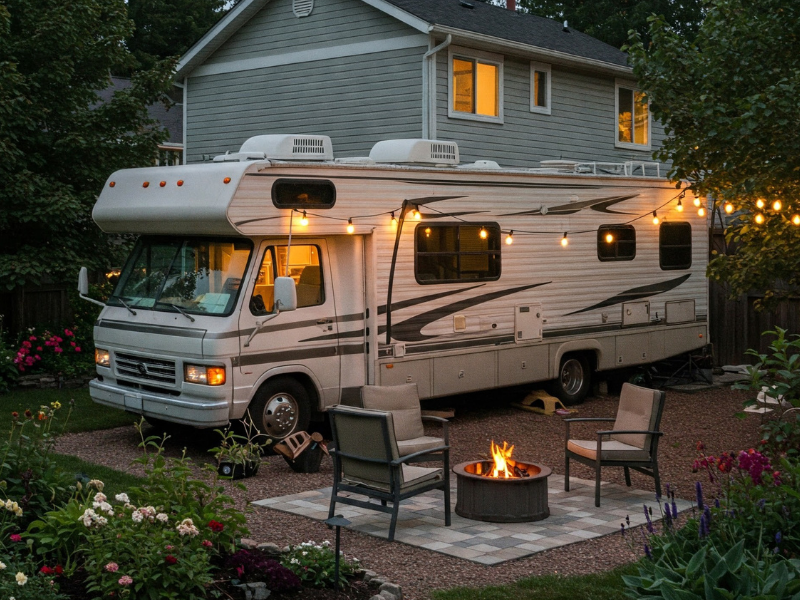
Moochdocking is boondocking on someone’s property, typically a friend or family member’s land.
Unlike traditional RV parks or campgrounds, this involves parking your rig on a friend’s or someone else’s driveway and often utilizing their hookup for little to no cost.
It’s like driveway surfing but for RVers! Moochdocking is a great way to visit new places, see family, and enjoy quality time without the hefty camping fees of a traditional park.
While it might sound like you’re just “mooching,” it’s a mutually beneficial arrangement built on trust and common courtesy.
Moochdocking vs. Boondocking: Understanding the Difference
Many confuse moochdocking with boondocking. While both involve camping without full hookups, there’s a key difference. Boondocking typically refers to dry camping on public lands or designated campsites without hookups.
As mentioned, moochdocking involves staying on private property with the homeowner’s permission and often includes access to utilities.
You’ll often run a generator or rely on solar power when boondocking. With moochdocking, you might have access to electricity and water from the person you’re staying with.
Why Moochdock? The Perks of Free Stays
The benefits of moochdocking are numerous. The most obvious advantage is that you’ll save on RV park fees, which can add up quickly, especially for long trips.
Another benefit is the personal connection. Moochdocking allows you to spend quality time with family or friends you’re close to. It’s a fantastic way to strengthen relationships while exploring new areas. Moochdocking also offers flexibility. Campground reservation schedules do not bind you.
Finally, moochdocking can lead to unique experiences. You might park in a quiet neighborhood, a beautiful ranch, or even a friend’s driveway with stunning views. These key moments are often more memorable than staying in a traditional campsite.
Finding Your Perfect Moochdocking Spot
Finding a moochdocking spot requires a little planning and networking. The best place to start is with your network of family or friends. Consider those who own land or have large driveways.
You’d be surprised who might even allow an RV! If you’ve never considered this way to visit family, now is the time. If you’re wondering how to find free, consider contacting your network.
You can also find moochdocking opportunities through online resources, though these may be less common.
Asking to Moochdock: Tips for Success
Be polite and respectful when asking a friend or family member to mooch on their property. Ask them to measure their driveway and check for any homeowner’s association (HOA) restrictions that may not allow parking on the street or even an RV.
Offer to help with chores, bring a bottle of wine, or contribute to meal costs. It’s a common courtesy to show your appreciation. Don’t overstay your welcome. Discuss the length of your stay before you arrive. Be clear about your needs regarding hookups, wastewater disposal, and using a generator.
Moochdocking Etiquette: Being a Great Guest
Moochdocking etiquette is crucial for a successful and enjoyable experience for both you and your host.
- Respect their property. Leave the area as you found it, and don’t park in the driveway without permission.
- Be mindful of resource usage. Conserve water and electricity, and ask about using a generator or if you’ll blow a fuse if you run your air conditioner.
- Communicate openly. Keep your host informed of your plans and address any concerns they may have.
- Show gratitude. A small gift, a thank-you note, or an offer to assist with chores can significantly impact you.
Essential Moochdocking Tips and Tricks
Here are some tips and tricks for a smooth moochdocking experience.
- Ask them to measure their driveway to ensure your rig will fit.
- You’ll also want to know about hookups. Do they have electricity and water?
available? Is there a dump station nearby where you can dump your tanks? - If you’re using a generator, be mindful of noise levels and your host’s neighbors.
- If they don’t have a water spigot to hook up to, you’ll want to arrive with a full tank of fresh water.
- If you plan to use their electricity, ask them to measure to ensure you don’t draw too much power and cause an inconvenience.
- Consider bringing extra propane, just in case.
Preparing Your RV for Moochdocking
Before you head out for your moochdocking adventure, ensure your rig is in good condition. Check your tires, fluids, and other essential components.
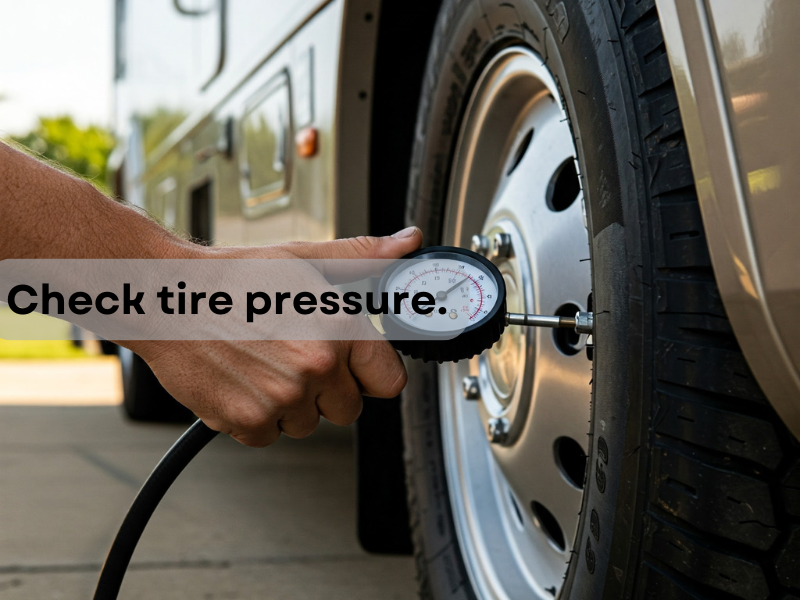
Pack necessary supplies, such as extension cords, water hoses, and leveling blocks.
You’ll want to make sure your RV is ready for your trip and that you have everything you need for your stay before you arrive.
Moochdocking and RV Parks: A Complementary Approach
Moochdocking doesn’t have to mean you’re going without RV parks altogether. You can use both options strategically. Moochdocking is ideal for short stays with family or friends, while RV parks offer more amenities for longer trips or when you need a dump station nearby for your wastewater.
Many use a combination of both. This approach allows you to save money while still enjoying the conveniences of a traditional park when needed. For example, you might stay with family for a few days and then spend a few nights at a campground to dump your tanks and restock supplies.
You might even allow an RV stay before you arrive at your friend or family member’s property. You might consider overnight parking at places like Cracker Barrel or even allow overnight parking.
This will help ensure you and your rig are ready for your stay. Many RVers enjoy staying somewhere different each night, and this is one of the many ways to go about it. Enjoy the open road and see the world on your terms.
Conclusion
Moochdocking is a great way to save money on RV camping, connect with loved ones, and uniquely experience the RV lifestyle. With some planning and preparation, you can enjoy free stays and create lasting memories. Remember, being a considerate guest is key to successful moochdocking.
Following the tips in this guide, you can confidently embark on your moochdocking adventures.
Therefore, moochdocking is an excellent option for beginners looking to save money while experiencing the open road. You can even upload original content about your moochdocking experiences and share your tips with other RVers.
If you find great deals on RV gear or supplies, consider sharing them through affiliate links to help other RVers save money. Happy travels!