

Exploring nature from an RV offers the perfect blend of comfort and adventure. Few experiences rival the thrill of spotting wildlife up close—watching birds in flight, deer grazing at dawn, or hearing the distant call of an owl at night.
Long-term RV parks provide the perfect base for these encounters. Nestled near forests, lakes, and open fields, they allow travelers to immerse themselves in local ecosystems and observe animals in their natural habitats. With the right preparation and mindful habits, every stay can turn into an unforgettable wildlife adventure.
“The most successful RV parks don’t just rent space—they create experiences rooted in nature and connection. By embracing wildlife viewing as a core part of their design, they build sustainable, purpose-driven businesses where conservation fuels growth.” – Caylee Shea Harrington, CEO of Hookhub
Experience Deeper Wildlife Connections with Long-Term RV Stays
Long-term RV stays offer a rare opportunity to truly connect with nature. Unlike short visits, extended stays allow travelers to observe the subtle rhythms of the environment and witness how wildlife behaves over time.
Staying in one location for weeks or months provides the chance to notice patterns—such as when birds are most active, where deer tend to graze, or how local habitats change with the seasons. This deeper familiarity turns every day into a new learning experience and every sighting into a meaningful connection with the natural world.
For travelers planning to stay in nature-rich areas, investing in the right setup can make a huge difference. Discover the best 4-season travel trailers for full-time living to ensure year-round comfort while exploring the great outdoors.
Learn Local Wildlife Patterns for More Rewarding Encounters
Spending more time in a single area helps travelers identify where and when animals are most active. For example, a nearby meadow might attract deer during dawn and dusk, while early mornings often bring a flurry of bird activity.
| Wildlife Behavior | Observation Tips | Best Times for Viewing |
| Deer Migration | Look for areas with plentiful food and water sources | Dawn and Dusk |
| Bird Watching | Use binoculars and stay still to blend into surroundings | Early Morning |
Understanding these patterns makes every outing more productive and enjoyable—turning simple sightings into moments of discovery.
Minimize Disturbance for a More Authentic Experience
Long-term stays also allow for a low-impact presence in natural areas. By keeping noise to a minimum, maintaining a respectful distance, and leaving no trace, wildlife watchers can observe animals behaving naturally—without causing them stress or altering their routines.
Practicing quiet observation not only protects local ecosystems but also enhances the quality of each encounter. A calm, respectful approach opens the door to more authentic and memorable wildlife experiences.
Equip Yourself for Better Wildlife Watching in RV Parks
The right tools can transform wildlife watching from a casual activity into a meaningful adventure. With the right gear, RV travelers can observe animals safely from a distance, capture stunning photos, and better understand the ecosystems around them.
Choose the Right Binoculars and Spotting Scopes
Optical equipment is the foundation of any wildlife watcher’s toolkit. Binoculars are ideal for scanning nearby areas and following movement, while spotting scopes allow for detailed viewing of distant animals without disturbing them.
- Choose waterproof and fog-proof binoculars to handle changing weather conditions.
- Invest in a spotting scope with a sturdy tripod for stability and sharper focus.
Capture Wildlife Moments with the Right Photography Gear
Wildlife photography brings each encounter to life, helping preserve memories and share discoveries with others. A reliable camera setup ensures that every movement, feather, and expression is captured beautifully.
- Use a DSLR or mirrorless camera with fast autofocus and burst mode to capture quick animal movements. For inspiration and practical tips, check out Canon’s guide to wildlife photography.
- Pair it with a telephoto lens (200 mm or more) to photograph wildlife from a safe distance.
To make your outdoor experience smoother, explore the best RV accessories that can enhance comfort and convenience while staying in long-term parks.
Identify Species with Field Guides and Tracking Apps
Understanding the species you encounter deepens the experience of wildlife watching. Field guides and mobile apps help identify animals, learn about their habits, and record sightings.
- Bring regional field guides tailored to the areas you visit.
- Download wildlife identification apps that include photos, sounds, and habitat maps for quick reference.
Create a Wildlife Viewing Station at Your RV Site
Transform your RV spot into a peaceful wildlife viewing station. With patience and the right setup, it’s possible to enjoy nature’s activity right from your doorstep.
- Park strategically to face natural areas such as trees, meadows, or water sources.
- Keep a journal or digital log to record sightings, note animal behaviors, and track seasonal changes.
Best Times and Techniques for Wildlife Watching in RV Parks
Timing and technique play a major role in successful wildlife watching. Understanding when animals are most active and how seasonal and weather patterns affect their behavior can make every RV park visit more rewarding.
Dawn and Dusk: Prime Wildlife Activity Periods
The early morning and late evening hours are the most active times for many animal species. These periods, known as the “golden hours,” provide the best light for photography and the greatest chance to see wildlife in motion.
At dawn, animals begin foraging and starting their daily routines as the world awakens. At dusk, they become active again—searching for food or returning to their shelters. Whether it’s deer grazing in a nearby meadow or birds calling across the trees, these hours offer the most vibrant window into nature’s rhythm.
Seasonal Wildlife Viewing Opportunities
Each season offers distinct wildlife-watching opportunities. Recognizing these cycles helps travelers plan trips that align with key animal behaviors and migrations.
- Spring – A time of renewal when many species care for their young, offering heartwarming sights of new life.
- Summer – Abundant food sources make animals more visible as they forage actively throughout the day.
- Autumn – Migration season brings large gatherings of birds and animals preparing for colder months.
- Winter – Sparse vegetation and snow can make certain species easier to spot as they adapt to the cold.
Weather Considerations for Optimal Wildlife Spotting
Weather conditions can significantly influence animal activity. Understanding these patterns allows wildlife watchers to plan outings more effectively.
- Overcast days often encourage birds and mammals to forage more openly.
- Calm, cool mornings are ideal for spotting animals before the heat of the day drives them to rest.
- After light rain, fresh scents and puddles attract wildlife to open areas.
Adapting to nature’s cues not only improves the likelihood of sightings but also deepens the connection to each environment visited.
Discover Diverse Wildlife Habitats Around RV Parks
Exploring the natural areas surrounding RV parks reveals a rich variety of habitats—each supporting unique species and ecosystems. From peaceful wetlands to forest meadows and mountain slopes, every landscape offers distinct opportunities to observe wildlife up close while respecting their natural space.
Explore Wetlands for Waterfowl and Osprey
Wetlands are among the most vibrant habitats near RV parks. These areas attract an abundance of life—from ospreys soaring above the water to ducks, geese, herons, turtles, and frogs thriving along the shorelines.
Quiet observation is key to enjoying wetlands responsibly. Moving slowly and keeping noise to a minimum helps wildlife feel safe, allowing for longer and more meaningful encounters.
Visit Forest Edges and Meadows for Elk and Deer
The borders between forests and meadows create ideal conditions for spotting elk and deer. These transitional zones provide both shelter and open foraging space, making them prime viewing areas throughout the day.
For a better experience, stay alert and maintain a respectful distance. Using binoculars or spotting scopes allows close observation without disturbing the animals or disrupting their routines.
Venture Into Mountain Regions for Bears and Other Majestic Mammals
Mountain landscapes near RV parks offer a chance to see some of nature’s most awe-inspiring wildlife. The combination of rugged terrain and diverse vegetation supports species such as bears, mountain goats, bighorn sheep, and birds of prey.
When exploring these regions, safety and awareness are essential. Making gentle noise while hiking helps prevent startling animals, and understanding local wildlife behavior ensures a safe, respectful encounter.
Top Destinations for Wildlife Watching in RV Parks
Renowned national parks across the United States offer unforgettable wildlife encounters. For RV travelers, these destinations blend adventure, scenic drives, and a deep connection with nature. Here are some of the best places to witness animals thriving in their natural habitats.
Yellowstone National Park in Wyoming
As America’s first national park, Yellowstone is a dream destination for wildlife lovers. Vast meadows and forested valleys serve as home to bison, grizzly bears, elk, and wolves. The park’s unique geology and diverse ecosystems create one of the richest wildlife habitats in the country.
You can often spot bison grazing across open fields or see bears wandering through wooded areas. Visiting during spring or early summer gives you the best chance to witness wildlife activity at its peak.
Olympic National Park in Washington
Olympic National Park stands out for its incredible variety of landscapes—from glacier-capped mountains to lush temperate rainforests. This diversity attracts black bears, Roosevelt elk, and mountain goats, along with countless bird species.
The park’s old-growth forests and coastal trails offer tranquil spots to observe animals in their element. Exploring early in the morning or before sunset provides the best lighting and quiet conditions for wildlife watching.
Best Spots for Bald Eagle and Osprey Viewing
For birdwatchers, few sights are as thrilling as bald eagles and osprey soaring above lakes and rivers. These majestic birds of prey are often found near large bodies of water, where fish are plentiful.
| Location | Primary Wildlife | Best Time to Visit |
| Yellowstone National Park | Bison, Grizzly Bears | Spring, Early Summer |
| Olympic National Park | Black Bears, Roosevelt Elk | Late Spring, Summer |
| Ada Lake, Minnesota | Bald Eagles, Osprey | Summer |
These destinations offer RV travelers the chance to see wildlife in their natural habitats. To make the most of each encounter, explore the U.S. National Park Service’s guide to safe and respectful wildlife watching.
Make Every RV Stay Unforgettable with Wildlife Adventures
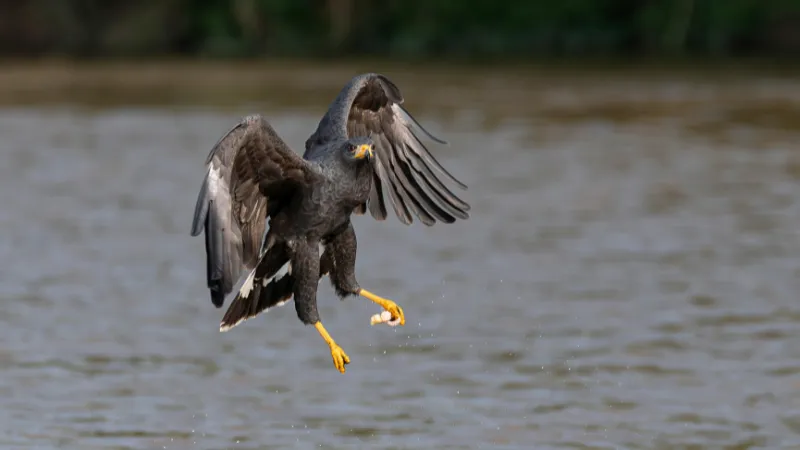
Wildlife watching transforms every RV trip into a meaningful outdoor experience. Long-term RV parks near nature reserves and scenic trails give travelers the chance to slow down, reconnect with nature, and witness wildlife up close. Whether it’s spotting deer at dawn, hearing owls at night, or watching eagles soar overhead, every moment becomes a memory to keep.
Combining RV camping with wildlife watching enhances not just your travels but your connection to the natural world. It’s a refreshing way to appreciate nature’s beauty, observe diverse species, and find peace in every landscape.
Ready to discover RV parks surrounded by thriving ecosystems and unforgettable wildlife experiences?
Plan your next adventure with Hookhub — the platform that connects RV travelers and hosts for stays that bring you closer to nature.