
Modern life often leaves little room for hands-on learning, family bonding, or developing essential life skills. Traditional routines can limit adaptability, problem-solving, and real-world experience.
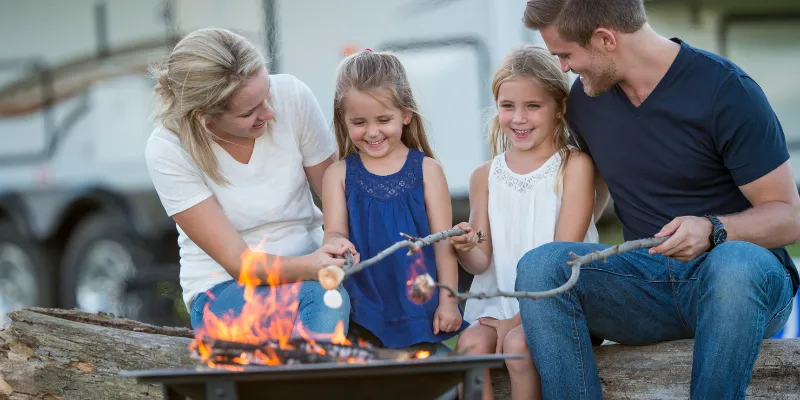
“RV living isn’t just about travel—it’s about turning your land, your time, and your family’s experiences into living classrooms. Every stop, every choice, and every connection becomes an opportunity to teach independence, problem-solving, and resourcefulness—not just for your family, but for the communities you engage along the way.” – Caylee Shea Harrington, HookHub CEO
Life on the road turns everyday challenges into practical lessons. Families, couples, and solo travelers learn self-sufficiency, teamwork, and resilience while navigating new environments, managing resources, and handling unexpected situations. Each journey becomes a meaningful experience that builds character, strengthens connections, and equips travelers with skills that extend far beyond the road.
Embrace the Transformative Educational Journey of RV Living
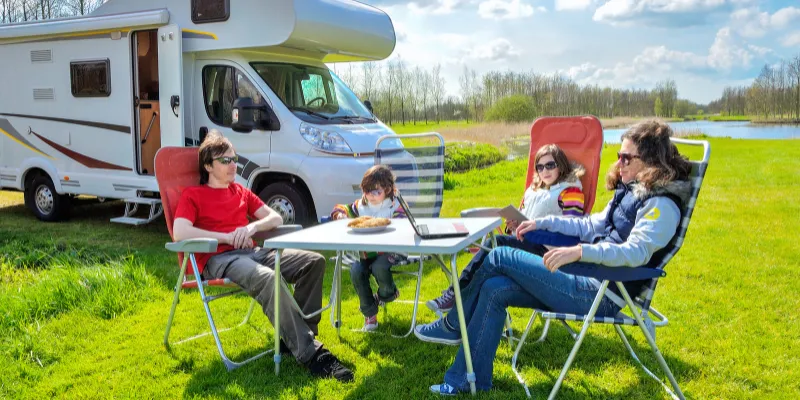
RV living transforms everyday travel into immersive education. Children learn geography, history, science, and culture by exploring national parks, historical sites, and local communities—making lessons tangible and memorable while building curiosity, critical thinking, and problem-solving skills.
Creating Unique Learning Environments on the Open Road
Traveling in an RV transforms every destination into a hands-on learning opportunity. Children can explore ecosystems, examine geological formations, or visit historical landmarks, making lessons in science, history, and geography tangible and engaging. National parks provide excellent immersive learning opportunities, allowing children to observe wildlife, ecosystems, and geological formations firsthand.
This lifestyle promotes curiosity-driven education. Families can design activities around local culture, arts, and traditions, encouraging children to pursue topics that truly interest them. By blending exploration with reflection, RV living strengthens critical thinking, cultural awareness, and observation skills.
Mastering these skills teaches children and adults to think ahead, make informed decisions, and adjust plans when faced with detours or unexpected obstacles. Tools like the RV Living Cost Calculator help families plan routes and budget for trips effectively.
Breaking Free from Conventional Education Models
Full-time RV living offers a flexible alternative to traditional classrooms. Homeschooling or roadschooling allows parents to design curricula tailored to each child’s pace, strengths, and interests, giving children the freedom to focus on topics they are passionate about.
RV education emphasizes experiential, real-world learning. Children gain knowledge through travel, observation, and participation in local activities rather than relying solely on textbooks, turning every day into a meaningful educational experience.
| Aspect | Traditional Education | RV Living Education |
| Learning Environment | Classroom-based | Dynamic, real-world environments |
| Curriculum Flexibility | Limited flexibility | Highly adaptable to child’s interests |
| Experiential Learning | Limited to field trips and projects | Constant, through travel and exploration |
| Socialization | Primarily with peers in school | With diverse groups through RV communities and events |
By embracing RV learning, families cultivate independence, resilience, and a lifelong curiosity that extends far beyond academics.
Master Essential Life Skills Through RV Family Living
RV living acts as a real-world classroom where essential life skills are learned through daily experience. Limited space, constant movement, and shared responsibilities naturally foster adaptability, problem-solving, and resource awareness, while building resilience, teamwork, and independence.
Unlike traditional settings where challenges are often abstract, RV life requires active decision-making and cooperation. Families learn to adjust plans, manage shared spaces, and respond to unexpected changes, developing confidence, effective communication, and flexibility—skills that carry over into everyday life and support long-term personal growth.
Developing Adaptability in Changing Environments
Life on the road regularly introduces families to new climates, terrains, and cultures. Responding to weather changes, adjusting routes, or finding alternate campsites builds flexibility and emotional resilience over time. Children learn to view change as a challenge to navigate rather than a disruption to avoid.
Adaptability develops through repeated exposure to the unexpected, helping children become comfortable with uncertainty. Common learning moments include:
- Adjusting daily routines due to weather or campground availability
- Navigating unfamiliar locations and local customs
Adapting schedules based on travel conditions or mechanical needs
These experiences strengthen emotional regulation and teach children how to respond thoughtfully instead of reacting impulsively.
Solving Critical Problems When You’re Miles from Help
Distance from immediate help encourages critical thinking and self-reliance. Families often collaborate to address mechanical issues, minor health concerns, or navigation challenges, turning obstacles into shared problem-solving experiences.
Children learn essential skills by participating in real situations such as:
- Troubleshooting basic RV or campsite issues
- Evaluating options when plans change unexpectedly
- Communicating clearly under pressure to reach solutions together
These moments build confidence, patience, and the ability to assess situations logically—skills that transfer directly to everyday life.
Managing Resources in Limited Spaces
Managing water, power, and waste is a daily reality in RV living. Habits like conserving water, monitoring energy use, and minimizing waste reinforce sustainability and intentional decision-making.
Children gain practical awareness through activities such as:
- Tracking water and power usage
- Learning why conservation affects daily comfort
- Understanding the consequences of overuse or poor planning
Daily life in an RV helps families build foundational life skills that support independence, responsibility, and long-term confidence. The table below outlines the key abilities strengthened through shared experiences on the road and the benefits they provide.
| Life Skill | Description | Benefit |
| Adaptability | Adjusting to new environments and situations | Resilience and flexibility in a changing world |
| Problem-Solving | Diagnosing and fixing issues independently | Self-sufficiency and critical thinking |
| Resource Management | Managing water, energy, and waste efficiently | Conservation of resources and reduced environmental impact |
By experiencing these challenges firsthand, RV families develop practical skills that apply both on the road and in everyday life, fostering independence, responsibility, and long-term confidence.
Apply Practical RV Skills to Everyday Life
Life on the road builds practical skills that extend far beyond RV travel. Daily tasks like navigation, maintenance, budgeting, and campsite management create hands-on learning opportunities that teach confidence, efficiency, and personal responsibility. Because these skills are learned through action, families develop planning, adaptability, and problem-solving in real time.
Over time, these lessons become habits that carry into everyday life. Organization becomes routine, collaboration becomes second nature, and decision-making improves. Individuals who develop these skills on the road are better equipped to handle household responsibilities, workplace challenges, and community decisions with confidence—long after the RV is parked.
Learning Basic Maintenance and Repair Knowledge
RV living encourages families to develop foundational maintenance skills that support safety, confidence, and independence. Tasks such as checking tire pressure, replacing fuses, inspecting belts and hoses, and troubleshooting minor mechanical issues become part of everyday life rather than rare emergencies. Understanding how systems function helps families prevent problems, respond calmly when issues arise, and reduce reliance on outside assistance.
For children, exposure to basic maintenance builds early problem-solving skills and mechanical awareness. For adults, it strengthens confidence and decision-making when unexpected situations occur. Together, families learn that challenges are manageable with preparation and patience.
Skills developed through RV maintenance include:
- Basic mechanical awareness and safety habits
- Logical troubleshooting and cause-and-effect thinking
- Confidence handling unfamiliar or stressful situations
Building Navigation and Trip Planning Abilities
Successful RV travel requires both digital and traditional navigation skills. Families regularly read maps, evaluate routes, monitor weather patterns, and adjust plans in real time. These responsibilities promote strategic thinking, situational awareness, and adaptability—skills that are essential far beyond travel.
For children, trip planning reinforces academic concepts in practical ways. Estimating distances, tracking fuel usage, and understanding geography turn abstract lessons into real-world applications. For adults, planning builds foresight, flexibility, and the ability to balance efficiency with safety.
Navigation and planning skills include:
- Route evaluation and contingency planning
- Weather awareness and risk assessment
- Informed decision-making under changing conditions
Mastering Efficient Campsite Setup and Breakdown
Setting up and breaking down camp efficiently becomes a shared family routine that emphasizes teamwork and organization. Using checklists for leveling the RV, securing outdoor equipment, and managing utilities creates structure and consistency, reducing stress and saving time.
This systematic approach teaches responsibility and accountability. Each family member often has a role, reinforcing collaboration and follow-through. Over time, these routines develop habits that translate directly into household management, schoolwork, and professional environments.
Campsite routines help build:
- Time management and task prioritization
- Attention to detail and procedural thinking
- Teamwork and shared responsibility
Build Financial Literacy on the Road
RV living offers hands-on lessons in budgeting and financial responsibility. Managing expenses like fuel, food, and accommodations teaches families to plan, prioritize, and make real-time decisions, building financial awareness that carries into everyday life.
Children learn practical money skills through participation in budgeting, such as the “three-jar method” for saving, spending, and giving. Combining campground stays with boondocking also shows how choices affect costs and comfort. These experiences foster independence, strategic thinking, and confidence with money for the whole family.
Creating and Managing a Travel Budget
Tracking expenses for fuel, food, accommodations, and maintenance is essential for staying financially grounded on the road. Using budgeting tools or simple tracking systems helps families monitor cash flow, anticipate upcoming costs, and adjust plans when needed. This process teaches the value of planning ahead and prioritizing needs over wants, allowing families to enjoy travel without unnecessary financial stress.
Benefits of Travel Budgeting:
- Encourages proactive financial planning
- Helps prevent overspending during trips
- Reinforces prioritization of essential expenses
- Teaches families to anticipate unexpected costs
Teaching Children Real-World Money Management
RV life creates natural opportunities for children to participate in financial decisions. Simple systems like the “three-jar method”—saving, spending, and giving—make abstract concepts tangible. Involving children in budgeting discussions helps them understand trade-offs, delayed gratification, and responsible spending in a way that feels relevant and empowering.
Ways Children Benefit from Money Management:
- Understand the value of money and saving
- Learn to make choices between needs and wants
- Develop delayed gratification and smart spending habits
- Gain confidence in participating in family financial decisions
Balancing Expenses Between Campgrounds and Boondocking
RVers can manage expenses by combining stays at campgrounds and boondocking. Campgrounds offer amenities but are more expensive, while boondocking promotes resourcefulness and cost savings.
Understanding these trade-offs develops planning skills, adaptability, and financial foresight. Tools like 5 Ways to Find RV Parking help identify affordable and convenient locations.
Here’s a comparison of average monthly expenses for campgrounds versus boondocking:
| Expense Category | Campgrounds | Boondocking |
| Camping Fees | $800 – $1,200 | $0 – $200 |
| Fuel | $500 – $800 | $500 – $800 |
| Food | $500 – $800 | $500 – $800 |
| Total | $1,800 – $2,800 | $1,000 – $1,800 |
By watching your expenses and making smart choices, you can enjoy the RV lifestyle while keeping your finances stable.
Develop Social Skills Through RV Community Connections
RV living creates natural opportunities to meet and interact with a wide range of people, from fellow travelers to local community members. These interactions encourage teamwork, empathy, and effective communication, helping both children and adults build confidence in social situations.
Engaging in community activities—like shared meals, games, or group outings—allows families to practice collaboration, navigate diverse perspectives, and form meaningful relationships. Over time, these experiences strengthen social awareness, adaptability, and the ability to connect with others across different cultures and backgrounds.
Meeting Like-Minded Families at RV Parks
RV parks are more than places to park. They’re communities where we meet travelers and make friends. Events like potluck dinners and game nights help us bond.
These events are perfect for meeting families who live the RV lifestyle. We share stories, tips, and experiences. This creates a supportive network that makes our RV journey better.
| Activity | Benefits | Tips for Participation |
| Potluck Dinners | Share food, stories, and cultural experiences | Bring a dish to share, be open to trying new foods |
| Game Nights | Build camaraderie, have fun | Be willing to learn new games, be a good sport |
| Group Outings | Explore new places together, create memories | Be flexible, participate in planning the outing |
Navigating New Social Situations Across Different Regions
Traveling in an RV exposes families to a wide variety of people, cultures, and lifestyles. Participating in local events, joining RV clubs, and attending community gatherings helps both children and adults develop adaptability, cultural awareness, and strong communication skills. Key benefits include:
- Cultural Awareness: Learning to appreciate and respect different perspectives and lifestyles.
- Adaptability: Adjusting to new social environments and unexpected situations.
- Communication Skills: Practicing active listening, clear expression, and conflict resolution.
- Relationship Building: Forming lasting friendships with fellow travelers and locals.
- Community Engagement: Participating in events that foster collaboration and shared experiences.
Staying connected with friends and family on the road—using tools like How to Stay Connected with Loved Ones in RV Living —reinforces these skills while maintaining important personal relationships. By embracing social opportunities, families enhance interpersonal growth and enrich every aspect of their RV adventures.
Practice Environmental Stewardship and Outdoor Education
RV travel lets families dive into nature and learn about caring for the planet. As we explore, we teach our kids about protecting the environment and outdoor learning.
Following Leave No Trace Principles
Teaching children Leave No Trace principles encourages responsible behavior in natural spaces.
Families can practice:
- Proper waste disposal and minimizing environmental impact
- Respecting wildlife and natural habitats
- Staying on designated trails to protect ecosystems
- Reducing noise and disturbances in nature
- Modeling sustainability as a daily habit
Practicing Leave No Trace principles helps families develop mindful habits that reduce environmental impact. Children learn the importance of respecting nature, and adults reinforce sustainable practices. Together, these habits foster long-term responsibility and care for the outdoors.
Learning Conservation Lessons
National parks provide hands-on experiences that make conservation tangible.
Families can:
- Observe wildlife and study ecosystems up close
- Explore geological formations and understand natural processes
- Participate in ranger-led programs and interactive exhibits
- Learn the cultural and historical significance of protected areas
- Understand how small, responsible actions contribute to larger environmental health
Exploring national parks provides immersive lessons in ecology, geology, and cultural history. Families gain a deeper appreciation for wildlife and natural landscapes while learning practical conservation skills. These experiences inspire curiosity and a lifelong commitment to protecting the environment.
Living Sustainable
Living sustainably on the road reinforces habits through everyday actions. Efficient water use, careful energy management, and eco-friendly technologies, such as solar power or composting, teach resourcefulness and independence while reducing ecological impact.
Benefits of Environmental Stewardship:
- Builds environmental awareness and responsibility
- Encourages hands-on learning in ecology and conservation
- Develops sustainable habits and independence
Educational Approaches for Families Who Travel Full-Time
Full-time RV living doesn’t mean giving up on education. It can actually make learning better with the right methods. Families on the move need to find ways to keep up with their kids’ learning. They also need to use the special experiences that come with traveling.
Effective Roadschooling and Homeschooling Strategies
Roadschooling blends structured education with travel opportunities:
- Integrating destinations into lessons: Using local landmarks, museums, and parks to reinforce science, history, and cultural studies.
- Using online tools: Leveraging apps and digital resources to maintain organized, consistent learning.
- Maintaining travel journals: Recording observations, reflections, and discoveries to enhance comprehension and critical thinking.
Turning National Parks into Science and History Classrooms
National parks are great for learning, turning nature into classrooms.
Kids can learn by:
| Subject | Learning Opportunities |
| Science | Exploring different ecosystems, watching wildlife, and learning about geology. |
| History | Seeing historical sites, learning about cultures, and understanding preserved areas. |
This way of learning is not only fun but also helps kids appreciate nature and history more.
Documenting Educational Adventures for School Requirements
For families with school needs, keeping records of learning is key. This includes:
- Keeping a detailed log of educational activities, like museum visits and national park trips.
- Keeping a portfolio of the child’s work, including projects and essays from their travels.
- Using digital tools to record and organize learning experiences, making it easy to track progress and meet school standards.
By using these strategies, RV families can make sure their kids get a great education that fits their lifestyle.
Turn Your RV Adventures into Lifelong Lessons
Full-time RV living offers more than travel—it cultivates practical skills, financial literacy, social competence, and environmental awareness. Children and adults alike develop resilience, adaptability, independence, and stronger family bonds while navigating life on the road.
With thoughtful planning and a proactive approach, everyday experiences transform into opportunities for growth, hands-on learning, and meaningful adventure. Each journey equips families with skills and perspectives that enrich not only travel but everyday life.
Ready to make your RV adventures count?
Explore HookHubto find resources, tips, and land opportunities that help you turn your journeys into lasting lessons for your family.