
More than 8 million U.S. households own an RV today, embracing the freedom of life on the open road, according to RVIA. This lifestyle brings flexibility and adventure, but it also comes with challenges—especially when it comes to maintaining reliable connectivity and staying close to loved ones back home.
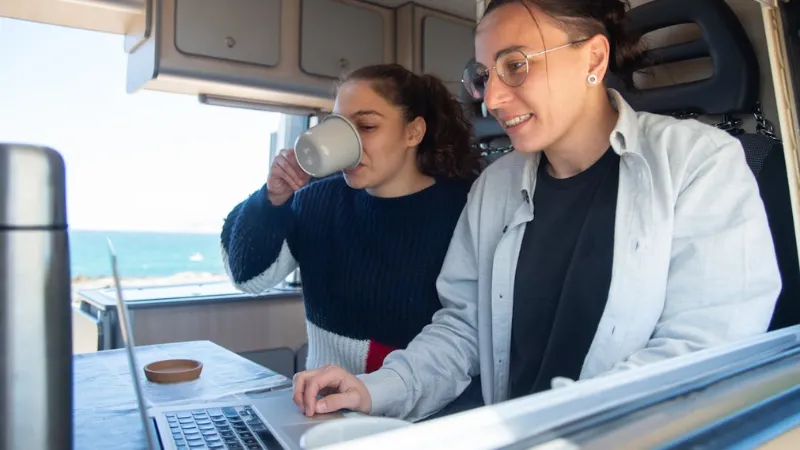
With the right tools and habits, RV travelers can bridge the distance and nurture meaningful connections no matter where their journey leads.
The Reality of Staying Connected in RV Living
RV living provides freedom and adventure, but maintaining reliable connectivity remains one of its biggest challenges. Spotty internet can make it difficult for travelers to stay in touch with family, manage remote work, or even stream entertainment after a long day on the road. Unlike traditional homes that rely on stable broadband, RVers depend on campground Wi-Fi, cellular networks, or satellite services—each with limitations that vary depending on location, weather, and demand.
This inconsistency means that something as simple as a video call or uploading photos to loved ones can turn into a frustrating experience. Understanding these realities is the first step to overcoming them. By recognizing where and why connectivity struggles occur, RVers can prepare better and choose strategies that make communication more reliable.
Next, let’s look at the most common connectivity challenges found at campgrounds and why they matter for staying connected with family back home.
Common Connectivity Challenges at Campgrounds
Campgrounds often struggle to provide strong internet access, even in scenic destinations.
Several factors contribute to weak or unreliable connections:
- Limited internet infrastructure in remote areas
- High demand from many users on the same network
- Physical barriers like trees, mountains, or buildings blocking signals
These issues often result in slow speeds, dropped connections, and limited bandwidth—making video calls or uploading large files frustrating. According to Kampgrounds of America (KOA), reliable internet access remains one of the most requested but inconsistently delivered amenities at RV parks (KOA North American Camping Report).
Read the best RV Internet Options to guide you.
Why Family Connections Matter on the Road
Strong family connections provide emotional support, maintain relationships, and are especially vital for RVers who work remotely.
“The RV hosts who consistently outperform aren’t selling parking spots—they’re designing for relationships. When your land supports stable calls home, natural gathering spaces, and moments of shared experience, you’re addressing what travelers value most. RVers aren’t fleeing connection; they’re seeking deeper ways to nurture it. The hosts who recognize this shift from ‘place to stay’ to ‘place to connect’ will always have the fullest reservations calendar.” – Caylee Shea Harrington, HookHub CEO & Founder
Sharing adventures in real-time enhances the RV experience, making it more rewarding and memorable. With the right technology and strategies, RVers can overcome connectivity hurdles and strengthen bonds with those back home.
Essential Technology for Family Communication
Staying connected with loved ones while traveling in an RV requires more than good intentions—it depends on reliable and efficient communication tools. The right mix of cellular data, mobile hotspots, and tethering solutions ensures family bonds remain strong even when traveling far from home.
Choose the Right Cellular Data Plan
Cellular data is the backbone of RV connectivity. Carriers like Verizon, T-Mobile, and AT&T provide nationwide plans, but coverage and performance vary depending on location.
RVers should consider three key factors when selecting a plan:
- Data limits — Truly unlimited plans are rare; many carriers throttle or deprioritize data after hitting a set threshold.
- Coverage — Rural areas, where many campgrounds are located, may only be served reliably by certain carriers.
- Cost — Plans range in price, with trade-offs between affordability and reliability.
Here’s a quick comparison of popular carrier options for RVers:
| Carrier | Data Limit | Coverage Strength | Typical Cost (Monthly) |
| Verizon | Unlimited* | Excellent in rural/remote areas | $80–$120 |
| T-Mobile | Unlimited* | Good, especially in metro areas | $60–$100 |
| AT&T | Unlimited* | Very good balance of urban and rural | $70–$110 |
Most “unlimited” plans are subject to throttling or deprioritization after a usage threshold.
- Verizon is widely regarded as the strongest option for remote areas thanks to extensive rural coverage.
- T-Mobile offers competitive pricing and strong performance in cities and along major highways.
- AT&T strikes a balance between coverage, speed, and cost, making it versatile for mixed travel routes.
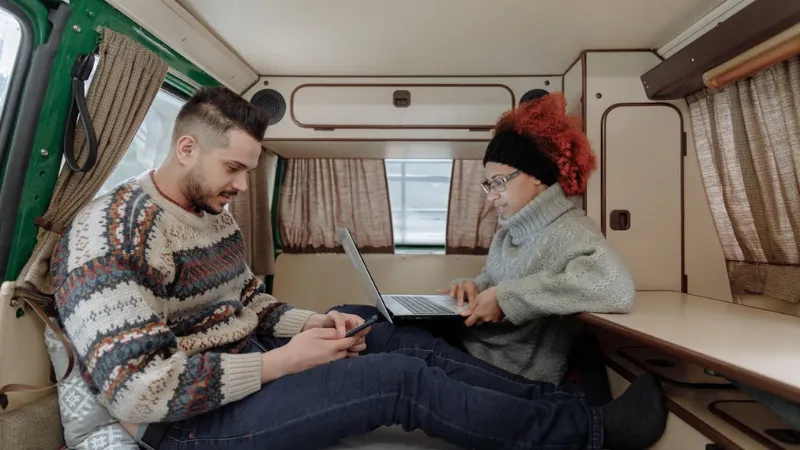
Add Mobile Hotspots and Tethering Options
Cellular data becomes more flexible when paired with mobile hotspots and tethering.
Mobile Hotspots: Standalone devices like Verizon’s Jetpack MiFi or AT&T’s Mobile Hotspot create a dedicated Wi-Fi network for laptops, tablets, and smart TVs. They often feature long battery life, external antenna support, and faster speeds than basic phone tethering.
Phone Tethering: Most modern smartphones allow tethering via USB, Bluetooth, or Wi-Fi, turning the phone into a temporary hotspot. This is convenient but can drain battery life quickly and may have speed or connection limits depending on the carrier plan.
Mobile hotspots are ideal for families with multiple devices or RVers who work remotely, while tethering is best suited for short, occasional connections.
Communication Apps That Work with Spotty Connections
Internet connections in RV parks or remote areas are often unreliable, so choosing apps that function well with weak signals is essential. Certain platforms are designed to operate smoothly even when bandwidth is limited.
- WhatsApp — Offers secure, end-to-end encrypted messaging, calls, and video chats. It adapts to low bandwidth conditions, using minimal data while maintaining quality.
- Signal — Known for strong privacy features and dependable performance even on weak networks. Ideal for RVers who prioritize both security and communication.
- Facebook Messenger — Popular and widely used, it adjusts video and audio quality automatically based on connection strength, keeping conversations going even when speeds drop.
By selecting tools optimized for weaker networks, RV travelers can stay in touch without worrying about dropped calls or delayed messages.
How to Boost Signal Strength in Remote Areas
For RVers venturing beyond major cities, strong connectivity is more than convenience—it’s a safety essential. Weak signals and unreliable service are common in remote regions, but several solutions can significantly improve performance.
Use Cell Phone Boosters for RVs
Cellular boosters capture existing outdoor signals, amplify them, and rebroadcast them inside the RV. This improves call quality, internet speeds, and reliability.
- weBoost Drive Reach RV is one of the most popular boosters, designed specifically for mobile use.
- Wilson Electronics and cel-Fi also offer RV-friendly options with varying coverage ranges.
When selecting a booster, consider RV size, the strength of the external signal, and how many devices will connect simultaneously.
Explore Satellite Internet Solutions
Where cellular networks fail, satellite internet becomes the only option.
Starlink Roam (formerly Starlink RV) offers high-speed satellite internet in most parts of North America, making it a top choice for travelers in remote locations.
Traditional providers like HughesNet and Viasat (Exede) remain alternatives, but they often come with stricter data caps and slower speeds compared to Starlink.
Satellite internet is more expensive, but for full-time RVers or those traveling in off-grid locations, it can be a game changer.
Find Reliable Wi-Fi at RV Parks and Public Spaces
Not all solutions require additional equipment. Many RV parks offer Wi-Fi, though quality varies. Reading campground reviews in advance can help travelers identify locations with stronger connections. Check the best Wi-Fi for RV by HookHub.
For additional options, public spaces like libraries, coffee shops, and co-working hubs often provide free Wi-Fi. Apps such as WiFi Map or Instabridge can locate nearby hotspots. For safety, using a VPN is strongly recommended to protect personal data on public networks.
Share Adventures with Loved Ones
Technology makes it easier than ever for RVers to share experiences in real time. Creative communication keeps family members close and strengthens bonds even while traveling far from home.
Host Virtual Family Gatherings and Video Calls
Video calls simulate face-to-face connection and create opportunities for shared experiences. Platforms such as Zoom, Google Meet, and Skype allow families to see and hear each other regardless of distance.
Tips for successful virtual gatherings:
- Schedule regular calls to establish consistency.
- Test internet stability in advance for smoother video quality.
- Share photos, videos, or stories to make calls interactive.
Share Photos and Videos on Trusted Platforms
Visual updates help loved ones feel part of the journey.
Popular platforms include:
| Platform | Key Features | Best For |
| Visual storytelling, hashtags | Scenic travel highlights | |
| Private groups, albums | Family-only updates | |
| Flickr | High-resolution storage & sharing | Professional-quality images |
Private groups or invite-only albums provide extra privacy while still keeping everyone updated.
Keep a Digital Travel Journal and Share Locations
Documenting travel experiences helps preserve memories and invites loved ones to join virtually.
Digital Journals: Apps like Day One or Penzu make it easy to record thoughts, photos, and milestones.
Location Sharing: Services like Glympse or Life360 allow real-time location updates, giving family members reassurance about safety and whereabouts.
As Saint Augustine once said, “The world is a book, and those who do not travel read only one page.” Digital tools allow families to read along, sharing in the RV journey no matter where the road leads.
How to Balance RV Lifestyle with Meaningful Connections
Living in an RV offers freedom, adventure, and new experiences—but it also means spending long stretches away from family and friends. That’s why keeping meaningful connections is just as important as planning your next destination. With the right habits and tools, RVers can balance life on the road with the joy of nurturing strong family bonds.
Establish Communication Routines on the Road
Consistency is key when staying connected from afar. Setting up a routine—like a weekly video call, daily text check-ins, or even sharing quick photo updates—helps maintain a sense of closeness despite the miles in between. A shared online calendar can also keep everyone updated on your travel plans, making it easier for family to feel included.
Many RV families rely on Zoom or Skype for virtual meetups, while others prefer quick messaging apps like WhatsApp or Signal. The important part isn’t which platform you use, but sticking to a method that works for everyone.
Plann Virtual and In-Person Family Reunions
Beyond regular check-ins, planning reunions—whether virtual or in-person—creates deeper shared memories. Virtual reunions can be surprisingly engaging when you add activities like trivia games, story-sharing, or cooking the same meal together. For in-person gatherings, RV-friendly destinations or central meeting points make it easier for everyone to come together.
Online tools can simplify the process of organizing these reunions. Sites like Cindy’s Travels even offer step-by-step tips for RVers who want to plan family events without losing track of their road schedule.
Include Family in Your Travel Experiences
Even when loved ones can’t physically join your journey, you can still make them part of the adventure. Share photos, short travel vlogs, or stories about the places you visit. Ask for their input on upcoming destinations or activities—this creates a sense of shared decision-making and keeps them invested in your journey.
| Method | Description | Benefits |
| Regular Video Calls | Schedule weekly or bi-weekly catch-ups | Face-to-face interaction, stronger bonds |
| Shared Online Calendar | Post travel itineraries and key dates | Reduces uncertainty, keeps family updated |
| Virtual Family Reunions | Plan themed online gatherings with activities | Shared experiences, emotional closeness |
Stay Connected with Your Loved Ones While Embracing the RV Lifestyle
Life on the road is filled with freedom, adventure, and the thrill of discovery—but it doesn’t have to mean losing touch with the people who matter most. With the right mix of technology, thoughtful routines, and creativity, RVers can bridge the distance and keep family bonds strong. From reliable data plans and boosters to video calls and digital journals, every tool is an opportunity to bring loved ones closer into your journey.
At its core, RV living isn’t just about where you go—it’s about who you share it with. By balancing exploration with connection, you can create a lifestyle that celebrates both the open road and the relationships that give it meaning.
For more expert guides, resources, and tools to keep your RV journey connected and stress-free, visit Hookhub or explore in-depth articles at info.hookhub.co.