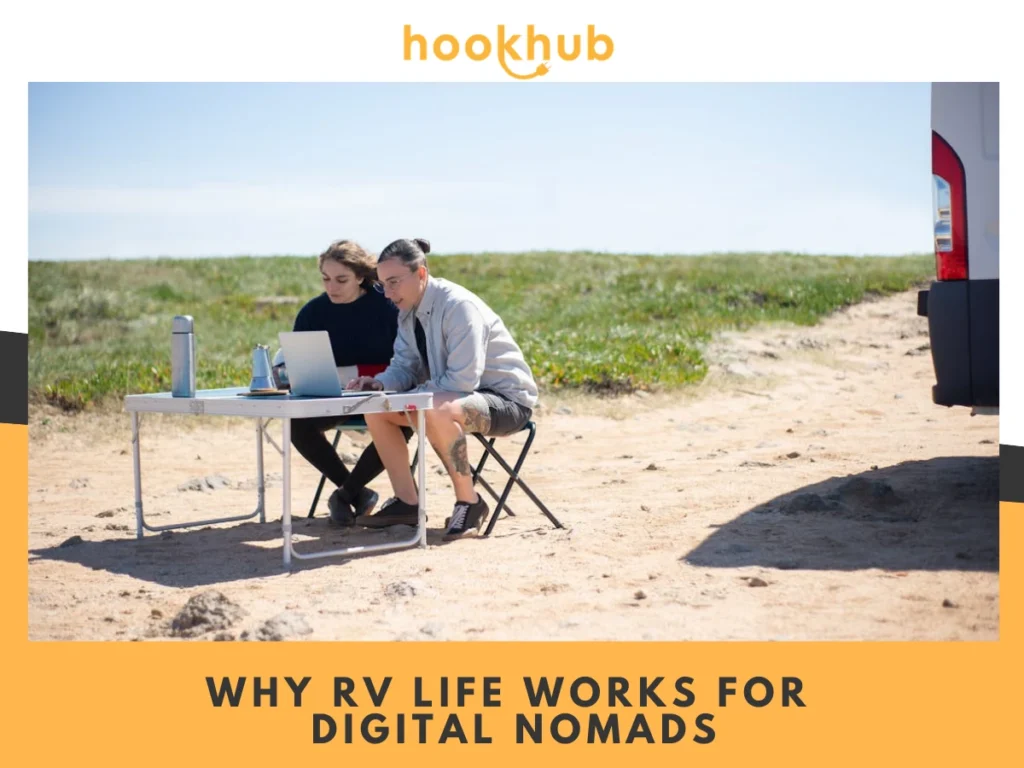

To ensure a safe and enjoyable experience, it’s crucial to understand the specifics of RV overnight stays in public parking. Many public parking areas offer convenient options for overnight stays, but regulations and amenities can vary greatly.
Knowing the local laws and seeking suitable locations can prevent unwanted fines or disturbances. Additionally, understanding best practices for self-sufficiency, like managing waste and locating power sources, can enhance your RV adventures.
Equip yourself with this knowledge to make the most of your journey.
Key Takeaways:
- Local Regulations: Check city or county laws regarding overnight RV parking to avoid fines and ensure compliance.
- Permission Required: Always seek permission from property owners or management before parking overnight in public areas.
- Facilities Availability: Look for locations that provide amenities like restrooms or water refills to enhance your overnight experience.
Understanding Public Parking Regulations
While planning your RV overnight stay, it’s essential to familiarize yourself with local public parking regulations. Each city or town may have specific rules about where and how long you can park an RV.
Ignoring these regulations can lead to fines or having your vehicle towed, so always check ahead to ensure a hassle-free experience.
Federal Laws
Between different jurisdictions, federal laws concerning public parking mainly focus on *accessibility for individuals with disabilities*. While there isn’t a blanket federal policy prohibiting parking in public spaces with your RV, you must stay informed about local compliance with the ADA (Americans with Disabilities Act), which protects designated spaces for those in need.
State and Local Ordinances
State and local ordinances vary significantly and can dictate how you park your RV in public spaces. Due to these variations, checking the specific state and local codes before parking overnight is essential.
Some areas may allow overnight parking in designated public lots, while others may prohibit it altogether. Be sure to look for time limits, no-parking signs, and applicable fees to avoid fines or complications.
If you neglect these regulations, you might face towing, fines, or worse, damaging your travel plans. Always prioritize staying informed to ensure a safe and legal overnight experience.
Best Practices for Overnight RV Parking
Now that you’re prepared for your RV overnight stay, implementing best practices can enhance your experience. Planning your stops and knowing the rules of your chosen locations will keep your travel smooth and stress-free.
Simple guidelines can maximize your overnight parking situation while ensuring safety and convenience.
Choosing the Right Location
Consider accessibility, proximity to amenities, and local regulations when selecting your parking spot. Look for areas that are well-lit and away from heavy traffic, which can contribute to a more peaceful night.
Evaluating reviews from other RVers can also guide your choice.
Safety and Security Tips
For ensuring your safety during overnight parking, here are some valuable tips:
- Park in well-lit areas to enhance visibility.
- Lock your doors and windows at all times.
- Choose established parking spots with positive reviews.
- Be cautious of your surroundings and trust your instincts.
These tips will help you feel more secure and relaxed while you rest in your RV.
And, to further protect yourself and your belongings, consider taking the following actions:
- Use window coverings for privacy.
- Keep your valuable belongings out of sight.
- Establish a backup communication plan.
- Engage with fellow RVers for camaraderie and safety.
This proactive approach to safety will enhance your overnight experience significantly.
Essential Amenities for RV Overnight Stays
Your experience during RV overnight stays can be significantly enhanced by ensuring access to necessary amenities. These facilities can provide comfort and convenience, making your trip more enjoyable.
Other amenities include restrooms, water sources, and waste disposal options. By planning ahead and being aware of these necessities, you can confidently enjoy your travels without unnecessary interruptions.
Access to Restrooms and Water
The availability of clean restrooms and potable water is vital for a comfortable stay. While some public parking areas don’t offer these amenities, many do, including rest stops and specific retail locations.
Always verify whether facilities are available to avoid inconvenient situations during your travels.
Waste Disposal Options
The proper disposal of waste is necessary for maintaining a hygienic environment while RVing. Many public parking facilities offer designated trash bins, while others might have access to RV dump stations.
It’s advisable to research locations that provide these services in advance, ensuring you can manage waste responsibly during your overnight stays. Considering waste disposal options is essential for your overall RV experience.
Proper disposal keeps your RV clean and helps protect the environment. Look for locations with well-maintained waste stations and favorable local regulations.
It’s best to avoid pouring waste directly onto the ground, as the process can lead to severe environmental hazards. Additionally, selecting sites with disposal facilities can enhance your experience by eliminating odors and keeping your living area comfortable.
Considerations for Different Vehicle Types
Once again, it’s essential to consider your specific vehicle type when planning an overnight stay in public parking. Different vehicles may face unique challenges regarding space, access, and restrictions. Here are some factors you should keep in mind:
| Vehicle Type | Considerations |
| Class A | Check the height restrictions and availability of larger spaces. |
| Class B | More maneuverable, but be wary of parking regulations. |
| Class C | Ideal for family trips, but may require more space. |
| Towable Trailers | Requires pick-up vehicles for towing and must find suitable parking. |
| Other RV Types | Always verify local parking laws specific to your vehicle. |
Class A, B, and C RVs
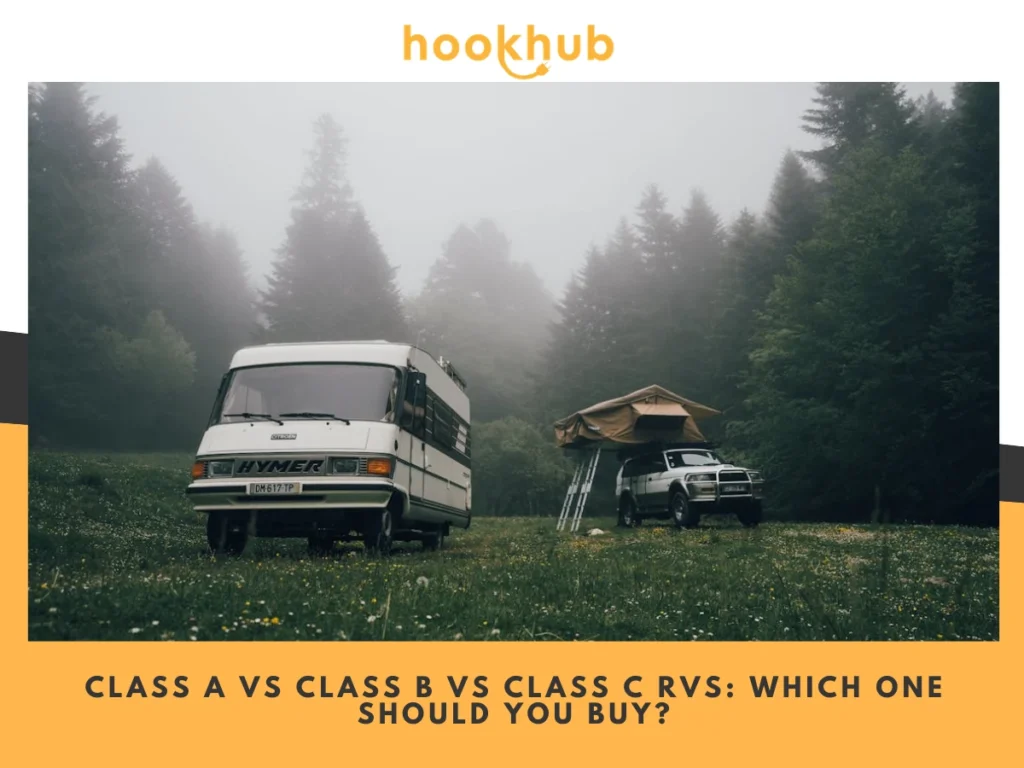
Vehicle size varies significantly between Class A, B, and C RVs, impacting your parking options. While Class A RVs are often the largest, they may face more restrictions due to their size.
Class B RVs can fit into smaller spaces but check local regulations. Class C RVs provide a comfortable space for families, but it’s essential to consider parking availability. Always seek locations that accommodate the dimensions of your RV.
Towable Trailers
Towable trailers require a different approach regarding overnight stays in public parking. You must find a suitable area to park your trailer and towing vehicle.
It’s crucial to ensure that the space you select permits trailers and allows easy access for your tow vehicle. At many public parking areas, you will find limitations related to trailer length and height restrictions.
Often the parking spaces can be tight, making it difficult for you to maneuver. It’s best to look for locations that explicitly accommodate trailers.
Take careful consideration of parking regulations to avoid fines. Additionally, dispersed camping or RV parks can offer more flexibility, especially if your trailer is large.
Following these steps will help ensure a more enjoyable overnight travel experience.
How to Respect Neighbors and the Environment
Many RV travelers overlook the importance of being considerate to those around them. Your stay in public parking can be enjoyable and unobtrusive if you maintain a level of respect for your neighbors and the environment.
This means keeping noise levels down, managing waste responsibly, and being mindful of your surroundings. It’s necessary to blend in with the community rather than disrupt it.
Noise and Light Management
Across many public parking areas, excessive noise and bright lights can quickly become a nuisance. Limit loud conversations, music, or any mechanical sounds from your RV to maintain peace.
Additionally, use soft lighting within your space after dark to avoid disturbing nearby residents while ensuring you can still navigate comfortably.
Leave No Trace Principles
Neighbors will appreciate your commitment to environmental stewardship. You should follow the “Leave No Trace” principles to minimize your impact on the surroundings and keep shared spaces clean and usable for everyone.
For instance, always clean up after yourself by disposing of trash properly and utilizing designated waste disposal facilities. If you need to cook or use a grill, ensure to do it in a manner that does not harm the local ecosystem, such as avoiding scorching vegetation or leaving behind food scraps.
By respecting the environment and adhering to these principles, you contribute to a better experience for yourself, fellow travelers, and locals.
Tools and Resources for RV Travelers
Despite the challenges of finding overnight parking for your RV, various tools and resources can enhance your travel experience. Numerous mobile apps and websites are specifically designed to locate public parking areas, helping you to plan your stops effectively.
Engaging with communities and networks can also provide valuable insights and recommendations for safe and welcoming places to spend the night.
Mobile Apps and Websites
Before hitting the road, explore dedicated mobile apps and websites that cater to RV travelers, allowing you to search for suitable parking options nearby. Platforms like Campendium, AllStays, and RV Parky can help you identify free and low-cost overnight stays; user-generated reviews can aid your decision-making.
Community Resources and Networks
Against the backdrop of your travels, connecting with other RV enthusiasts can enhance your experience and provide imperative information. Online forums and social media groups boast vibrant communities where you can share tips, ask questions, and find trusted recommendations.
This network of fellow travelers can give you access to valuable resources, such as locations known for their friendly atmosphere or attributes deemed necessary for a safe overnight stay.
Another approach to leveraging community resources lies in connecting with local RV clubs or organizations, often holding gatherings or events. These gatherings provide networking opportunities to exchange information on hidden gems for overnight parking or potential challenges you may encounter.
Tapping into these networks can make your travel experiences more prosperous and enjoyable while ensuring you make informed decisions about where to spend the night.
Final Words
Drawing together the necessary points for an RV overnight stay in public parking, it’s vital that you prioritize understanding local regulations and safety guidelines. You should assess your chosen location, familiarize yourself with the applicable rules, and ensure you’re considerate of the space and surrounding community.
Doing this enhances your experience and respects the area you’re visiting, providing a smooth and enjoyable journey. With thoughtful preparation, your RV adventure can be both comfortable and compliant.
Are you considering an overnight stay in your RV, but are you uncertain about the regulations regarding public parking?
Navigating the dos and don’ts of a hassle-free and legal resting area can be difficult. But don’t worry, HookHub is here to help you discover the perfect overnight parking space.
Embark on your next adventure confidently, knowing your overnight stay is covered. Visit HookHub.co today to reserve your ideal RV parking place and focus on creating outstanding experiences. Begin exploring today with HookHub.co, where your next overnight RV stay awaits!