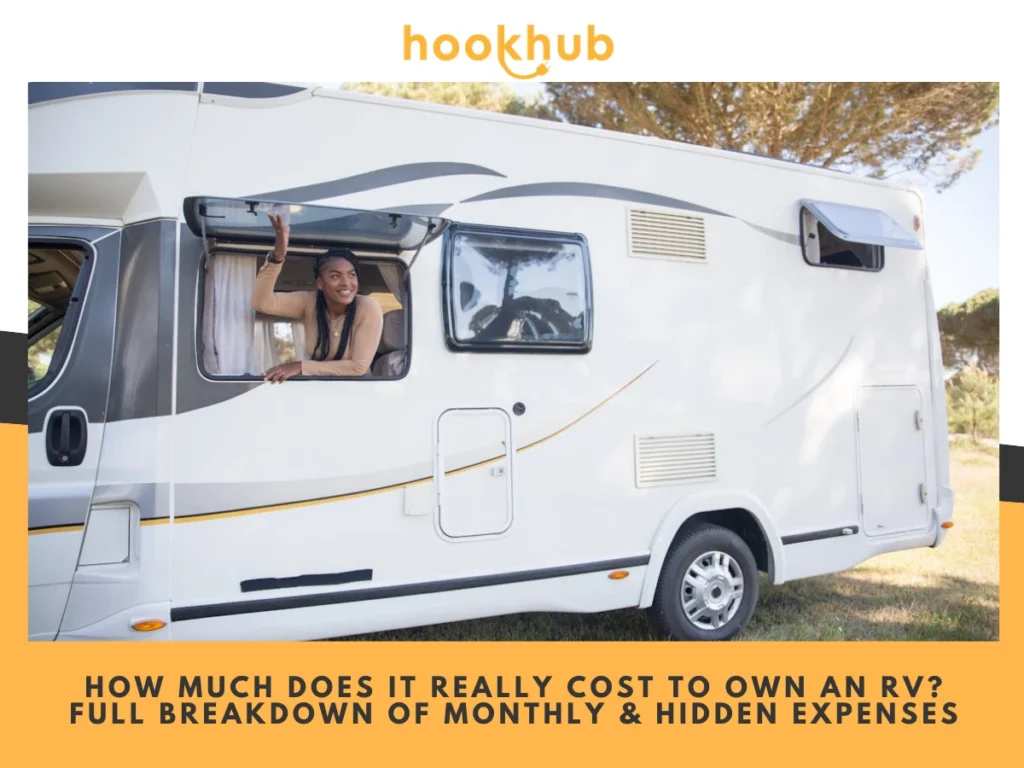



Did you know that over 1 million Americans are embracing the freedom of full-time RV living?
As exciting as this lifestyle can be, understanding the associated expenses is crucial for a stress-free experience.
You might be wondering, what’s the true cost of living on the road?
From fuel and maintenance to campsite fees and insurance, the expenses can add up quickly. That’s where an RV Living Cost Calculator comes in – a valuable tool to help you estimate and manage your costs effectively.
By using a reliable calculator, you can make informed decisions about your full-time RV life and create a sustainable budget that suits your needs.
Think RV Life Is Expensive?
Try This Calculator
How the RV Living Cost Calculator Actually Works (and Why It Matters)
Living in an RV isn’t just a lifestyle—it’s a logistical puzzle of fuel stops, campground fees, surprise repairs, and monthly spend decisions that can make or break your journey.
That’s where the HookHub RV Living Cost Calculator comes in.
We built this tool for one reason:
To give RVers (whether you’re full-time, seasonal, or just curious) a clear, honest snapshot of what RV life really costs—before the road trip fantasy turns into a financial stress fest.
What It Calculates (and Why It’s Smarter)
Most RV calculators give you static ranges.
Ours works dynamically—factoring your:
- RV size and type (Class A diesel? Travel trailer?)
- Travel rhythm (Full-time nomad vs. weekend warrior)
- Fuel consumption + average miles per month
- Campground type + frequency (Boondocking? Resort parks?)
- Utilities like propane, dump stations, mobile internet
- One-off costs (repairs, memberships, insurance)
You’ll get a monthly and annual breakdown of your estimated RV life expenses—so you can plan, compare, and adjust before you even pack your bags.
Why It’s Not Just a Calculator—It’s a Compass
We didn’t just build this to crunch numbers.
We built it to:
- Give first-time RVers peace of mind
- Help digital nomads compare regions based on costs
- Let couples, families, and retirees plan smarter trips
- And ultimately, show you how HookHub fits into that journey—by making campground discovery, RV hosting, and trip planning easier.
How It Works (Behind the Scenes)
- You input your variables – how often you travel, your rig’s MPG, campground preferences, and budget range.
- Our logic engine runs calculations based on real-world RVer data and regional cost averages.
- You get a teaser result instantly (with a full report delivered to your email).
- Optional: Get personalized campground suggestions from HookHub based on your style and location.
What Are the Essential RV Living Expenses?
The freedom of RV living is accompanied by several essential expenses that you need to be aware of to budget effectively. Understanding these costs can help you manage your finances better and enjoy your RV lifestyle without unexpected financial stress.
Breaking Down RV Maintenance Costs
RV maintenance is a significant aspect of the overall cost of living in an RV. Regular maintenance tasks include:
- Inspecting and replacing tires
- Servicing the engine and other mechanical components
- Maintaining the electrical and plumbing systems
- Updating and repairing appliances
Budgeting for maintenance is crucial. On average, you should allocate 1-3% of your RV’s purchase price annually for maintenance. For instance, if your RV cost $50,000, you should budget $500 to $1,500 per year for maintenance.
Managing Fuel Costs for RV Travel
Fuel is another significant expense for RV owners. The cost can vary widely depending on:
- The size and fuel efficiency of your RV
- How often you travel
- The distance between your destinations
To manage fuel costs, consider optimizing your route, maintaining your vehicle’s engine, and using fuel-saving technologies. Additionally, planning your trips during off-peak seasons can help reduce fuel expenses.
Understanding Campground Fees and Alternatives
Campground fees can add up quickly, especially if you’re staying in commercial RV parks frequently. However, there are alternatives such as:
- Boondocking: Staying in areas without hookups, often for free or at a low cost.
- Public Lands: Utilizing national forests and Bureau of Land Management (BLM) areas for camping.
- Discounted RV Parks: Looking for parks that offer discounts for long-term stays or membership programs.
By mixing up your camping choices, you can significantly reduce your overall campground expenses. Researching and planning ahead are key to finding affordable and enjoyable camping options.
How to Create a Full-Time RV Budget?
A well-planned budget is the backbone of a successful full-time RV living experience. To enjoy the freedom and adventure that comes with living in an RV, you need to have a clear understanding of your financial obligations and how to manage them effectively.
Steps to Calculate Your Monthly RV Expenses (Inside the HookHub Calculator)
Creating a budget for full-time RV living doesn’t start with guesswork—it starts with structured inputs.
The HookHub RV Living Cost Calculator guides you through each expense category to help you estimate your monthly cost of living with precision, not assumptions.
Here’s how it works:
1. Fuel & Maintenance
Input your expected monthly mileage, RV fuel efficiency (MPG), and fuel price per gallon.
You can also add estimated monthly costs for repairs, oil changes, and tires—because breakdowns aren’t optional in RV life, they’re just unscheduled.

2. Campground Fees
Choose how often you’ll stay in:
- Paid RV parks
- State/National campgrounds
- Boondocking sites (free)
We factor in the nightly average rate you enter per category and calculate your monthly spend based on your mix.

3. Food & Dining
Estimate your monthly spend for:
- Groceries and home-cooked meals
- Dining out on the road
You’ll get a total that reflects your lifestyle—whether you’re a campsite chef or prefer hitting up diners along the way.

4. Insurance & Subscriptions
Add your:
- RV insurance
- Health insurance (travel or national plan)
- Mobile internet plans (Starlink? Verizon?)
- Any other recurring subscriptions (RV memberships, streaming, etc.)

5. Fun, Hobbies & Extras
RV living isn’t just about staying alive—it’s about enjoying the journey.
Here you can add monthly allocations for:
- Attractions
- Tours and activities
- Hobby gear
- Pet expenses
- Miscellaneous costs (laundry, supplies, etc.)

Bonus: Track + Adjust Over Time
While the calculator gives you a solid estimate upfront, we recommend tracking your real expenses for the first 2–3 months of RV life.
This allows you to spot trends, overages, and optimizations—which you can then feed back into the calculator to refine your forecast.
Incorporating RV Insurance into Your Budget
RV insurance is a crucial aspect of your overall budget. It protects you against financial losses in case of accidents, theft, or damage to your RV. When incorporating RV insurance into your budget, consider the following:
- Research different insurance providers to compare rates and coverage options.
- Understand what is included in your policy, such as liability, collision, comprehensive, and personal effects coverage.
- Factor in the cost of premiums, deductibles, and any additional fees.
As emphasized by RV insurance experts, “Having the right insurance coverage can provide peace of mind and financial protection, allowing you to enjoy your RV lifestyle without worrying about the unexpected.”
Planning for Unexpected Costs while Living Full-Time
Living in an RV full-time comes with its unique set of challenges, including unexpected expenses. To mitigate these risks, it’s essential to have an emergency fund in place. Consider setting aside a portion of your income each month in a readily accessible savings account.
“An emergency fund is not just a safety net; it’s a financial lifeline that can help you navigate the ups and downs of full-time RV living.”
Caylee Harrington
Some unexpected costs to plan for include:
- RV repairs and maintenance
- Medical emergencies
- Changes in fuel prices or campground fees
By being prepared and having a solid budget in place, you can enjoy the freedom and adventure of full-time RV living while minimizing financial stress.
What Are the Benefits and Drawbacks of the RV Lifestyle?
As you consider the RV lifestyle, it’s essential to weigh its benefits against its drawbacks. The decision to live in an RV full-time is a significant one, influenced by various factors including personal freedom, financial considerations, and social connections.
Exploring the Freedom of Full-Time Travel
One of the most appealing aspects of the RV lifestyle is the freedom it offers. You have the ability to travel wherever you want, whenever you want, allowing for a unique and flexible lifestyle.
This freedom also extends to the ability to change your surroundings as often as you like, experiencing new places and environments without the long-term commitment of traditional housing.
Challenges of Living in an RV Full-Time
Living in an RV full-time comes with its set of challenges, including limited space, the need for regular maintenance, and the potential for isolation.
Space management is crucial, requiring you to be highly organized and selective about the items you keep.
Additionally, the constant movement can be tiring, and finding reliable internet and other amenities can sometimes be difficult.
The Social Aspects of the RV Community
Despite the potential for isolation, the RV community is known for being very social and welcoming.
Many RV parks and campgrounds host events and gatherings, making it easier to meet new people and form connections.
Online forums and social media groups also play a significant role in connecting RV enthusiasts, providing valuable resources and support.
How to Make the Most of Free RV Camping Opportunities?
Boondocking, or dry camping, is a great way to experience the freedom of RV living without incurring significant costs. By understanding boondocking and its benefits, you can make the most of your RV adventures.
Diving into Boondocking
Boondocking refers to camping without hookups, relying on your RV’s self-contained systems. This lifestyle offers flexibility and can be quite cost-effective, allowing you to stay at free camping sites and enjoy nature.
Discovering Free Camping Sites
You can find free camping sites using online resources and RV communities. Websites and apps dedicated to RV travel often list boondocking locations, including public lands and some RV parks that offer free or low-cost camping.
Safe and Enjoyable Boondocking
To ensure safe rv camping, always research your boondocking location beforehand, be mindful of your RV’s capacity, and follow best practices for dry camping. This includes conserving water and power, and being prepared for emergencies.
By embracing boondocking and free rv camping, you can enhance your RV lifestyle, enjoying the freedom and flexibility that comes with it.
Ready to Plan Your RV Adventure?
Be among the first to experience our comprehensive RV Living Cost Calculator and take the guesswork out of planning your journey. Launch your adventure with confidence and financial clarity.
About HookHub
HookHub is the premier platform for RV travelers seeking to maximize their journey while minimizing costs. Our tools and community support RVers at every stage, from dreaming and planning to living the full-time life on the road.