
Are you curious about making your RV parking or campsite comfy and functional?
It’s key to offer the basics for a great stay.
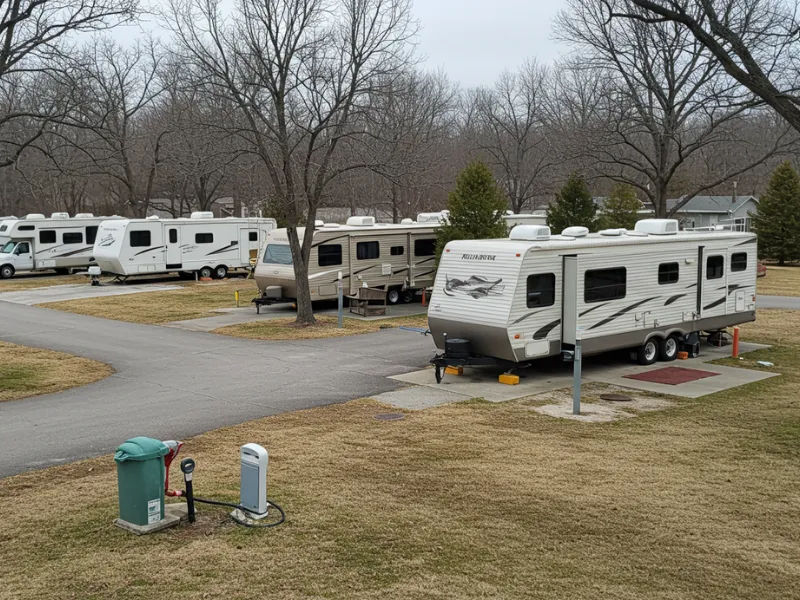
If you’re thinking about turning your land into a reliable source of income, setting it up for RV parking is one of the best ways to start. Long-term tenants aren’t just looking for a weekend getaway — they need a comfortable, functional place to live. That means having dependable utilities in place: water, electricity, and sewer hookups that make day-to-day living possible. By preparing your property with the right infrastructure, you’ll attract responsible RV tenants who stay longer, treat your land like home, and provide consistent rental income
Mini RV park utilities
So, where do you start? We’ll look at the important steps for setting up utility systems. This includes water, power, and waste management for a great guest experience.
Key Takeaways
- Plan utility infrastructure carefully to meet RV needs.
- Prioritize efficient water, power, and waste management systems.
- Design infrastructure to support a comfortable camping experience.
- Consider the needs of RV travelers and full-time users.
- Ensure reliable utility systems for a successful campground.
Understanding Mini RV Park Utilities
Setting up a mini RV park means knowing what utilities you need. These are the basics like water, electricity, and how to handle wastewater. They are the heart of a good RV park.
What Are Mini RV Park Utilities?
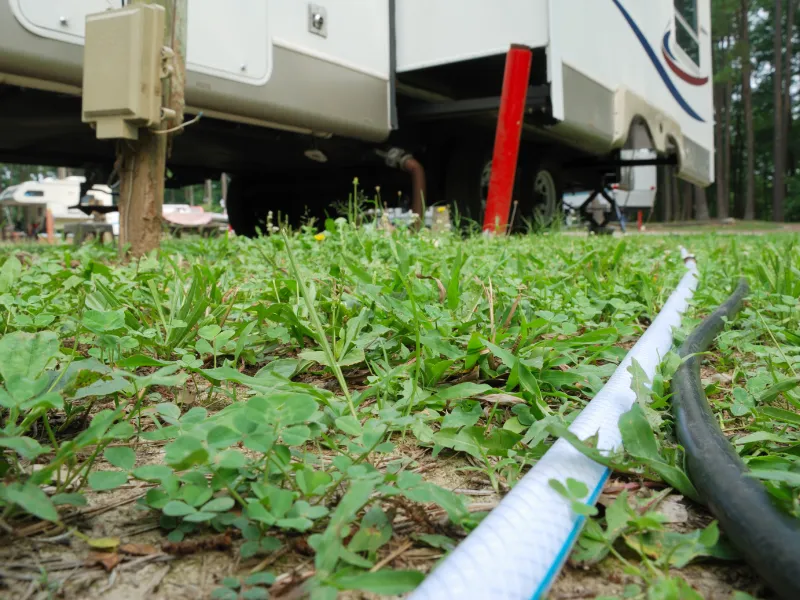
Mini RV park utilities are the services RV travelers need every day.
They include:
- Water Supply: Clean water for drinking, cooking, and staying clean.
- Electrical Power: Electricity to run RV appliances and systems.
- Wastewater Management: Safe ways to get rid of wastewater and sewage.
These services are key to a happy stay. Compact RV site facilities and tiny RV park infrastructure must think about these needs. They need to be both useful and fit the small size of the park.
Importance of Utility Planning
Good utility planning is crucial for a mini RV park. It makes sure the park follows rules and keeps guests happy. It also helps avoid big costs later.
- It helps avoid expensive changes or fixes by planning ahead.
- It gives the park a chance to stand out with top-notch amenities.
- It helps protect the environment with green practices.
Understanding utility planning helps RV park owners make their place better. It makes guests happier and helps the business grow. Planning utilities well is a big part of making a mobile home park welcoming.
Water Supply Options for Mini RV Parks
A reliable water supply is key for any mini RV park. It attracts and keeps visitors. We know how important it is for your campervan park utilities and RV hookup services.
There are many water supply options for mini RV parks. Each has its own benefits and challenges. Knowing these options helps you make a good choice for your park and guests.
Public Water Sources
Many mini RV parks choose public water sources. This means linking your park’s water system to a municipal or public supply.
The good points include:
- Reliability: Public water is usually steady and dependable.
- Quality: It’s treated and checked to meet health standards.
- Low Maintenance: The public handles water treatment and supply.
But, there are downsides and costs. You might face initial hookup fees and ongoing charges.
Wells and Private Water Systems
For parks where public water isn’t available, wells and private systems are options. These involve drilling a well or using private sources for water.
Private systems have benefits like:
- Independence: You’re not tied to municipal water.
- Potential Cost Savings: Setup costs are high, but long-term costs might be lower.
But, private systems also have challenges. You’ll need to test and maintain the water regularly to keep it safe and clean.
Choosing between public water and private systems depends on several factors. Consider cost, reliability, and maintenance needs. The right choice ensures a great experience for your guests and success for your business.
The right water supply choice depends on your park’s location and local rules. It’s wise to talk to water supply experts. They can help find the best option for your campervan park utilities and RV hookup services.
Power Solutions for Your Mini RV Park
Keeping power steady and reliable is key for mini RV park owners. A good power plan makes camping better and keeps things safe and efficient.
Looking at power solutions, you have two main choices. You can connect to the electrical grid or use alternative energy.
Electrical Grid Connections
Using the electrical grid is a common and reliable way to power your park. It means setting up the needed links to the main power grid. This ensures steady electricity for your guests.
The grid has its perks:
- Reliability: Grid power is steady and less likely to change.
- Capacity: It can handle lots of electricity, great for big parks or those with many features.
But, there are downsides too. You’ll face high setup costs and might need to upgrade your infrastructure.
For more on utility systems, check out our guide on essential utility systems for modern campgrounds.
Alternative Energy Options
If you want sustainable or extra power, think about alternative energy. Solar power is a top choice for RV park owners. It’s green and can save money in the long run.
Alternative energy brings:
- Sustainability: It cuts down on carbon emissions and attracts eco-friendly campers.
- Cost-effectiveness: It might cost a lot upfront, but it can save you money later.
By looking at your power needs and both grid connections and alternative energy, you can find a strong power solution for your mini RV park.
Wastewater Management Strategies
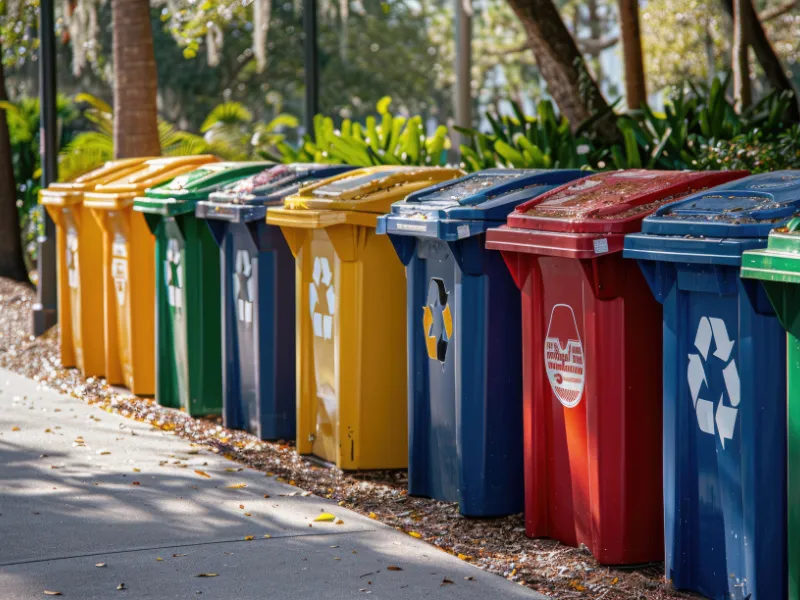
Effective wastewater management is key for a clean and healthy environment in mini RV parks. Proper waste disposal is vital for the health of both the environment and park guests.
We will look at various wastewater management strategies for mini RV parks. The goal is to find a system that works well and follows local rules.
Septic Systems
Septic systems are a common choice for mini RV parks, where there’s no municipal sewer. These systems have a tank that holds wastewater. It separates the waste into layers before being spread into the soil through a drain field.
When picking a septic system, check the soil type and water table depth. Regular upkeep is also key to avoid system failures and pollution.
Municipal Wastewater Connections
Connecting to municipal wastewater services is another option for mini RV parks near cities. This means linking your park’s wastewater system to the city’s sewer system.
This option might be simpler, but you need to work with local authorities and follow their rules. For more on eco-friendly waste solutions, check out our guide on eco-friendly waste solutions for RV parks.
Both septic systems and municipal connections have their pros and cons. Your choice depends on your park’s location, local laws, and budget.
Understanding the different wastewater management options helps you make a smart choice. This choice should meet your guests’ needs and protect the environment.
Planning Utility Layouts
Planning utility layouts is key to a great mini RV park. It makes sure systems work well and meets camper needs. This also helps avoid problems.
When planning, we must think about site layout, access, and utility placement. A good design makes camping better, cuts down on costs, and boosts efficiency.
Utility Access for RVs
It’s important for RVs to have easy access to utilities. We place hookups in spots for all RV sizes. Efficient access makes camping better.
We need to think about the RVs that will visit. Big RVs need more space and easy access. Utility spots should be clear and easy to find.
Placement of Utility Connections
Where we put utility connections is crucial. They should be safe and easy to reach. We also want them to look good with the park’s design.
A smart utility layout makes the park safer. Safe spots for connections mean fewer accidents. This makes camping safer and more fun.
| Utility Type | Recommended Placement | Benefits |
| Water | Near RV parking spaces | Easy access for campers |
| Electricity | Close to RV parking spaces | Reduces cable exposure |
| Wastewater | Designated dumping stations | Maintains park cleanliness |
For more tips on RV park design, including utility layouts, check out our guide on designing the perfect RV park.
Permitting and Regulations
Starting a mini RV park means we must know the rules well. We have to follow local, state, and federal laws. This ensures our park is safe and meets all standards.
Local Codes and Standards
Local rules shape how we build mini RV parks. They cover things like layout, utilities, and safety. For example, the Texas Commission on Environmental Quality has rules for RV parks in Texas. These include water and waste management.
To follow these rules, we need to:
- Look into local zoning and land-use laws
- Get the right permits before we start building
- Make sure our utilities meet health and safety standards
Health and Safety Regulations
Keeping guests and the environment safe is our top priority. We focus on wastewater, water, and electrical safety. These areas are crucial for a safe stay.
| Regulatory Area | Description | Importance |
| Wastewater Management | Proper disposal and treatment of wastewater | High |
| Water Supply | Ensuring access to safe and clean water | High |
| Electrical Safety | Compliance with electrical codes to prevent hazards | High |
By following these rules, we make sure our guests have a great time. We also help protect the environment.
RV park regulations
It’s key to keep up with changes in local rules. We should talk to local officials and industry groups often. This helps us keep our RV park up to date and competitive.
Cost Considerations for Utility Installation
Utility installation costs can greatly affect a mini RV park’s budget. It’s key to plan these costs carefully to avoid surprises later on.
Setting up utilities isn’t just about the initial costs. We also need to think about ongoing expenses. This includes water, power, and waste management, which are vital for any RV park.
Budgeting for Water, Power, and Waste
To budget for utilities, we must consider several factors. For water, we might use a public source or a private well. Each choice has its own costs, like connection fees and maintenance.
For power, we can connect to the grid or use solar or wind power. Grid connections need infrastructure investments. Alternative energy sources require a big upfront cost but can save money in the long run. We should think about the overall cost to start an RV and include utility costs.
Waste management is also key, with options like municipal systems or septic systems. Both have costs, like connection fees and system maintenance.
Long-Term Maintenance Costs
Long-term maintenance costs are vital when budgeting for utilities. Regular upkeep is needed for systems to work well and safely. For water, this means testing and maintaining pumps and pipes. For power, it’s about checking electrical systems and alternative energy equipment.
Waste management systems also need regular checks. This includes septic system inspections and ensuring municipal connections work right. Budgeting for these costs helps avoid surprises and keeps the RV park safe and fun for visitors.
By looking at both initial and ongoing costs, we can make a detailed budget. This helps manage our finances and ensures a great experience for our guests.
Sustainability Practices
Embracing sustainability practices can greatly reduce your mini RV park’s environmental impact. We’ll look into the importance of eco-friendly solutions and renewable energy.
Eco-Friendly Utility Solutions
Using eco-friendly utilities is key to a sustainable mini RV park. This means choosing energy-efficient appliances and installing low-flow fixtures. It also includes starting recycling programs.
These steps can cut down water and energy use. For example, rainwater harvesting systems can lessen the need for potable water.
Renewable Energy Integration
Renewable energy is crucial for mini RV parks. Using solar or wind power reduces dependence on fossil fuels. This lowers carbon emissions and saves money in the long run.
Sustainability practices have two main benefits. They lessen environmental harm and attract eco-aware campers. To do this well, you need to check your current energy use and find ways to improve.
By following these tips and adding sustainability practices to your mini RV park, you’ll make it greener and more appealing to visitors.
Enhancing Guest Experience with Amenities
To make RV travelers’ stays unforgettable, we focus on enhancing their experience. We do this through thoughtful amenities and utility upgrades.
A well-planned mini RV park can feel like a home away from home. It’s the little details that truly make a difference.
Utility Upgrades to Attract Visitors
Upgrading utilities is a great way to draw more visitors to your mini RV park. By offering reliable and modern amenities, you can greatly improve the camping experience.
Some key upgrades to consider include:
- High-speed internet access
- Laundry facilities with modern appliances
- Clean and well-maintained shower and toilet facilities
These upgrades not only make your guests more comfortable. They also make your park more appealing to potential visitors.
Additional Amenities and Utility Connections
Offering extra amenities can also enhance the guest experience.
Some ideas to consider include:
- Pet-friendly areas with waste stations
- Recreational facilities like pools or playgrounds
- On-site convenience stores or snack bars
- Community spaces for socializing
Let’s look at how some mini RV parks have improved their guest experience. They’ve done this through utility upgrades and additional amenities:
| Amenity | Benefit | Example |
| High-speed internet | Stay connected while camping | RV parks with Wi-Fi hotspots |
| Laundry facilities | Convenience for long-term stays | Parks with modern washers and dryers |
| Pet-friendly areas | Accommodate furry friends | Designated pet zones with waste bags |
By investing in utility upgrades and additional amenities, you can make your guests’ experience more enjoyable. This sets your mini RV park apart from the competition.
Marketing Your Mini RV Park’s Utilities
Marketing your mini RV park’s utilities well can really draw in visitors. We know campers have different needs. By showing off what you offer, you can attract the right people.
Pro Tip! Adding utilities is only one part of creating a successful RV rental business. With Hookhub, you can list your property for free, reach pre-vetted long-term RV tenants, and enjoy built-in host damage protection — giving you peace of mind while your utilities do the heavy lifting to keep renters comfortable.
Highlighting Utility Features
To market your utilities well, we need to highlight their special features. For example, if you have high-speed internet, potable water, and waste disposal, make sure to show them off in your marketing.
| Utility Features | Our RV Park | Competitor Average |
| High-Speed Internet | Available | Not Always Available |
| Potable Water | Available | Available |
| Waste Disposal | Available | Available |
This way, we can show why your RV park is a great choice. For more info on setting up RV park utilities, check out our guide on RV park utility setup.
Promoting Sustainability Efforts
In today’s world, showing you care about the environment is key. We can talk about any renewable energy sources, water conservation measures, or recycling programs you have.
By showing you’re green, you’ll attract campers who care about the planet. This boosts your park’s image and helps the tourism industry be greener.
Future-Proofing Your Utility Infrastructure
When setting up a mini RV park, thinking about the future is crucial. We must ensure our utilities stay efficient and effective. This supports our business’s growth and success.
It’s important to plan for growth and change. We should think about our guests’ evolving needs and our facilities’ potential expansion. Regular maintenance and upgrades are key to keeping our systems running well.
A report by the Urban Institute highlights the importance of reliable water and wastewater services. These are essential for businesses in rural areas, like RV parks. You can learn more about this in their research on how water and wastewater infrastructure affects rural business location and expansion.
Embracing New Technologies
Adopting new technologies is also crucial. By using the latest in utility management, we can improve the guest experience. We can also reduce our environmental impact and stay ahead in the market. By installing the right utility systems, you’ll attract long-term RV tenants who want stability and comfort. And by using Hookhub’s free platform with renter vetting, damage protection, and built-in marketing, you’ll turn your property into a low-stress, high-return investment.
Ready to simplify utility planning and list your park?
Visit HookHub to get started.
FAQ
What are the essential utilities required for a mini RV park?
A mini RV park needs water, electricity, and a way to manage wastewater. It’s important to plan well and design the infrastructure right. This makes sure RV guests have a good time.
What are the different water supply options available for mini RV parks?
Mini RV parks can use public water or private wells. The choice depends on where the park is and what it needs.
How do I choose the best power solution for my mini RV park?
You can choose between connecting to the grid or using solar or wind power. Think about the park’s location, energy needs, and budget.
What are the different wastewater management strategies available for mini RV parks?
Options include septic systems or connecting to the municipal sewer. The right choice depends on the park’s location and needs.
How do I plan a functional and efficient utility layout for my mini RV park?
Plan for easy RV access and smart placement of utilities. A good layout makes camping comfortable and fun.
What are the permitting and regulatory requirements for mini RV parks?
You must follow local codes and health and safety rules. Navigating the permitting process is key to meeting all regulations.
How do I budget for utility installation in my mini RV park?
Consider the costs of water, power, and waste management. Don’t forget to budget for ongoing maintenance costs.
What are some eco-friendly utility solutions for mini RV parks?
Use renewable energy like solar or wind power. Also, adopt sustainable water practices. These steps reduce environmental impact.
How can I enhance the guest experience in my mini RV park through utility upgrades and additional amenities?
Upgrades and amenities like Wi-Fi and laundry can improve the guest experience. Think about what your guests want and need.
How can I market the utilities and amenities of my mini RV park to attract more visitors?
Emphasize the park’s utilities and green efforts. Use good marketing to draw in more visitors and stand out from competitors.
How can I future-proof the utility infrastructure of my mini RV park?
Plan for growth and new technologies. This keeps the park’s systems efficient and sustainable for the long term.