
Embarking on an RV trip is an exciting adventure combining home comforts with the thrill of exploring the open road. Whether you’re a seasoned RVer or a first-time traveler, understanding how to plan your journey effectively will enhance your experience.
This guide will provide valuable insights into budgeting, types of RVs, and the many benefits of RV travel, ensuring you make the most of your road trip.
Understanding RV Travel
RV travel is a unique experience that appeals to many adventurers seeking the perfect blend of freedom and comfort. Exploring diverse landscapes at your own pace, with all the amenities of home readily available, is the allure of an RV road trip.
Families often choose RVing as a way to bond, creating cherished memories through shared experiences. Additionally, RV travel can be budget-friendly, allowing for cooking meals and sidestepping expensive hotel stays.
The flexibility to choose your destinations and bring pets along makes RV trips particularly enticing for road trippers.
The Appeal of RV Road Trips
What makes RV road trips so appealing is the sense of adventure they bring. Travelers can experience the beauty of national parks, roadside attractions, and even local wineries without the constraints of traditional travel.
Planning a budget-friendly RV itinerary lets you explore various attractions while monitoring campground fees and fuel costs. Whether you’re visiting a KOA or a luxurious RV resort, the possibilities for RV adventures are endless, enabling you to create a trip that suits your interests and budget.
Types of RVs for Your Trip
When planning an RV trip, choosing the right type of RV is crucial to your experience. There are several options available to cater to different needs and preferences.
Class A motorhomes offer spacious luxury, often equipped with high-end amenities. In contrast, Class B motorhomes, or camper vans, are compact and easier to drive, ideal for solo travelers or couples. Class C motorhomes balance space and drivability, making them perfect for families.
For those who prefer towing, travel and fifth-wheel trailers provide flexibility without requiring a large vehicle. Every RV type offers unique benefits and caters to different budgets and group sizes, guaranteeing a choice for everyone seeking to experience RV camping.
Benefits of Renting an RV
Renting an RV can be an excellent way to dive into RVing without the commitment of ownership. For first-time RVers, this option allows them to experience the joys of RV travel without the significant upfront costs associated with purchasing a vehicle.
Renting an RV also allows you to choose different models tailored to your trip, ensuring you have the right amenities for your journey. Numerous rental companies provide comprehensive insurance and roadside assistance, providing a sense of security while you embark on your journey.
Ultimately, renting an RV is an excellent method to explore the possibilities and determine whether RV travel suits your lifestyle before committing to a long-term investment.
Budgeting for Your RV Trip
Setting a Realistic Budget
Setting a realistic budget is crucial for a successful RV trip, as it helps travelers manage their finances and avoid overspending. Key factors to consider include renting or owning the RV, fuel expenses, campground fees, food, and activities.
It’s essential to research average costs in the areas you plan to visit, as prices can vary significantly by region. Creating a detailed budget that accounts for fixed and variable expenses can help ensure you stay on track.
Additionally, consider setting aside a contingency fund for unexpected costs, such as repairs or emergency accommodations, to safeguard your trip’s financial health further.
Cost Breakdown: Fuel, Campsite, and Amenities
Understanding the cost breakdown of an RV trip is vital for effective budgeting. Fuel costs can be significant, especially for larger RVs, so it’s essential to calculate your vehicle’s estimated mileage and fuel efficiency.
Campsite fees can range from $20 to over $100 per night, depending on the location and amenities offered. Many RV parks provide additional services such as water, electricity, and Wi-Fi, which can also impact overall costs.
Furthermore, budgeting for food is essential, as cooking in the RV can save money compared to dining out. Lastly, consider budgeting for recreational activities and entrance fees to parks or attractions along your route.

Tips for a Budget-Friendly RV Road Trip
To keep your RV road trip budget-friendly, consider the following tips: First, plan your route to minimize fuel costs by avoiding detours and selecting efficient paths. Research-free or low-cost campsites, such as state parks or national forests, often provide beautiful settings at a fraction of the price of commercial RV parks.
Cooking meals in the RV can significantly reduce food expenses, and packing snacks can help avoid costly roadside stops. Additionally, take advantage of loyalty programs and discounts offered by campgrounds or RV clubs, which can lead to savings on accommodations.
Finally, consider traveling during the off-peak season to benefit from lower rates and less crowded destinations.
Planning Your RV Route
Using Route Planners for Efficient Travel
Utilizing route planners designed explicitly for RV travel can enhance your trip significantly. Apps like RV Trip Wizard and Roadtrippers allow users to plan their routes while considering RV-specific factors such as road height restrictions and fuel stops.
By integrating these tools into your trip planning, you’ll be able to identify the best paths to take, ensuring a smooth journey from one destination to another. These route planners often provide valuable information on campgrounds and attractions, allowing travelers to make informed decisions about where to stop.
With the convenience of smartphone technology, planning your RV route has never been easier, allowing you to concentrate on enjoying the journey while exploring the open road.
Narrowing Your Search for Destinations
When planning an RV trip, narrowing your search for destinations is essential to maximize enjoyment and minimize travel time. Consider your interests, such as national parks, historical sites, or scenic byways, and research locations that align with those preferences.
Tools like RV Life’s Campground Reviews provide insights into campgrounds and nearby attractions, helping to inform your choices. Additionally, consider the distance between stops to avoid long driving days, which can be exhausting.
By selecting a few key destinations and allowing for spontaneity, you can create a balanced itinerary that offers planned activities and the freedom to explore. This approach enhances your RV adventures and keeps the trip budget-friendly.
Choosing the Best RV Resorts and Campsites
Choosing the right RV resorts and campsites can significantly enhance your travel experience. Look for campgrounds that offer amenities that suit your needs, such as full hookups, Wi-Fi, and recreational facilities.
Websites like Spot2Nite make it simple to search for campsites based on location, date, and specific amenities, allowing you to find the perfect spot for your stay. Reviews from fellow RVers can provide valuable insights into the quality of the campground, including cleanliness and the friendliness of staff.
Additionally, consider the campground’s proximity to attractions or activities you wish to explore, ensuring a convenient and enjoyable stay. Making informed choices about where to camp will allow you to enjoy your RV trip without exceeding your budget.
Booking and Reservations
How to Book Campsites in Advance
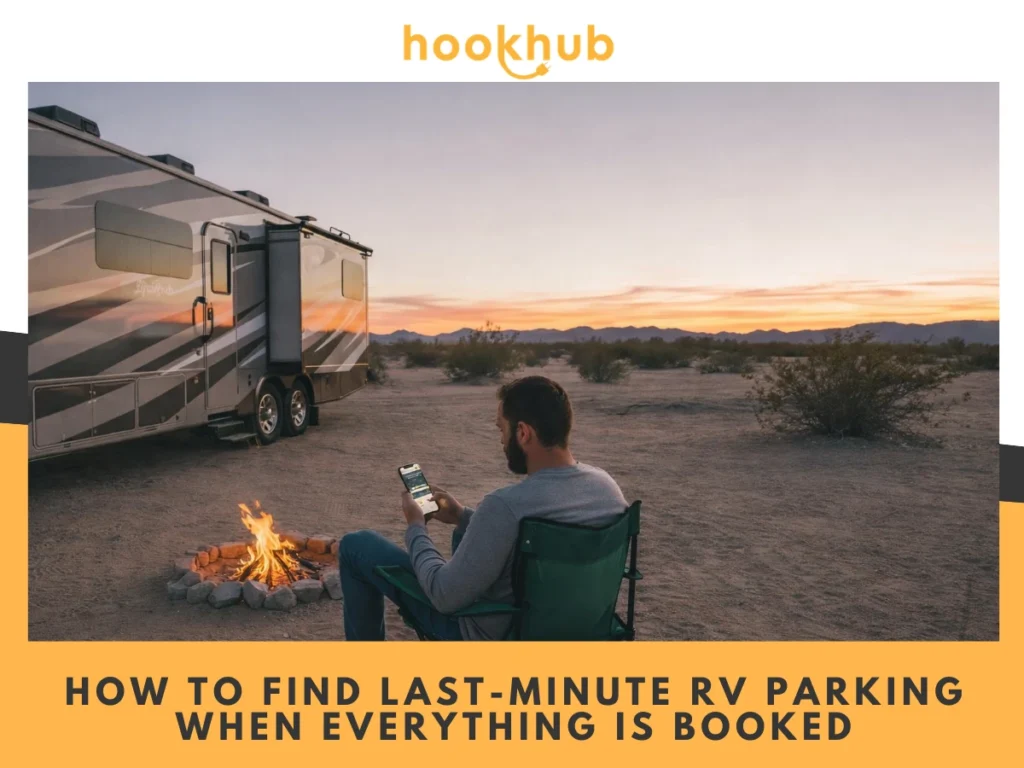
Booking campsites in advance is crucial for a successful RV trip, especially during peak travel seasons when popular RV parks fill up quickly. Start by determining your travel dates and preferred locations, then utilize resources like KOA Trip Planner or Spot2Nite to find available campsites.
Many campgrounds allow online reservations, making the booking process straightforward and efficient for RV travelers. Read the campground’s deposit and cancellation policies before confirming your reservation.
Additionally, consider joining RV clubs or loyalty programs that may offer discounts on campground fees, further enhancing your budget-friendly RV adventure.
Utilizing Online Trip Planners
Online trip planners can significantly streamline the process of organizing your RV journey. Tools like KOA Trip Planner and Roadtrippers allow users to customize their itineraries, find RV campgrounds, and discover attractions.
These planners often include features such as cost estimation for fuel and lodging, making it easier to stay within your budget. By inputting your travel preferences, you can receive personalized suggestions that cater to your interests, whether scenic routes or family-friendly activities.
Utilizing these digital tools can save time, enhance the overall enjoyment of your RV travel, and travel confidently.
Understanding Cancellation Policies and Fees
Before finalizing your campsite reservations, thoroughly understanding the cancellation policies and any associated fees is essential. Many campgrounds have specific guidelines regarding cancellations, including deadlines for full or partial refunds that RVers should be aware of.
Familiarizing yourself with these policies can help avoid unexpected charges if your plans change. Some campgrounds may offer flexible booking options that allow for changes without penalties, which is particularly beneficial for travelers with uncertain schedules.
Always read the fine print before confirming your reservation to ensure a hassle-free experience during your RV trip.
Making the Most of Your RV Trip
Activities and Amenities to Enhance Your Experience
To make the most of your RV trip, consider incorporating various activities and amenities that enhance your experience. Many RV parks and campgrounds offer recreational facilities such as swimming pools, playgrounds, and hiking trails, providing family fun and relaxation opportunities.
Engage in outdoor activities like fishing, kayaking, or biking to explore the natural beauty of your surroundings. Additionally, plan visits to local attractions, such as museums, wineries, festivals, or scenic viewpoints, to enrich your journey.
By striking a balance between relaxation and adventure, you can craft an affordable, fulfilling, memorable RV camping experience.
Staying Safe and Prepared on the Road
Safety and preparedness are paramount for any RV trip. Before hitting the road, thoroughly inspect your RV, checking tire pressure, fluid levels, and brakes to ensure everything is in working order.
Carry a well-stocked emergency kit with first-aid supplies, tools, and essential documents. Familiarize yourself with the RV’s features and operation, especially if it’s your first time driving it.
Additionally, stay in touch with family or friends about your travel plans and routes, and think about utilizing an RV-specific GPS for safe navigation. Preparedness can reduce risks and enhance the enjoyment of your RV adventure.
Post-Trip Reflections and Future Planning
After returning from your RV trip, reflect on your experiences and gather insights for future travels. Think about the successful aspects and areas for improvement, including the routes you chose, the campsites you chose, and the activities you enjoyed.
Documenting your journey can provide valuable information for future trips and help you refine your travel style. Sharing your experiences with fellow RVers can also foster community and inspire others.
Use the lessons learned to plan your next RV adventure to create an even more enjoyable and budget-friendly experience that will keep you excited about hitting the road again.
Finally, a well-planned budget is the secret to a relaxing and entertaining RV road trip. Make the most of your trip without going over budget by planning ahead, monitoring your expenses, and prioritizing your needs. When you’re well prepared, your journey will be as remarkable as the places you visit.
Enjoy your journey!