

As the trend of living in an RV gains momentum, many individuals and families are considering the implications of parking their recreational vehicles (RVs) on private property for extended periods. While the allure of a minimalist lifestyle and freedom of travel draws people to live in an RV full-time, it’s crucial to understand the potential consequences that may arise from prolonged RV parking.
This article delves into the complexities of RV parking on residential property, examining local laws, state regulations, and the unique characteristics of various RV types.
Understanding RV Parking on Residential Property
Recreational Vehicles (RVs) include motorhomes, travel trailers, fifth-wheel trailers, and camper vans, each designed for temporary living quarters. These vehicles come in various sizes and amenities, catering to different lifestyles and travel preferences.
For RV owners considering long-term parking options, knowing the distinctions between these types is vital to complying with relevant regulations and ensuring a suitable living arrangement.
Definition of RV and Types of RVs
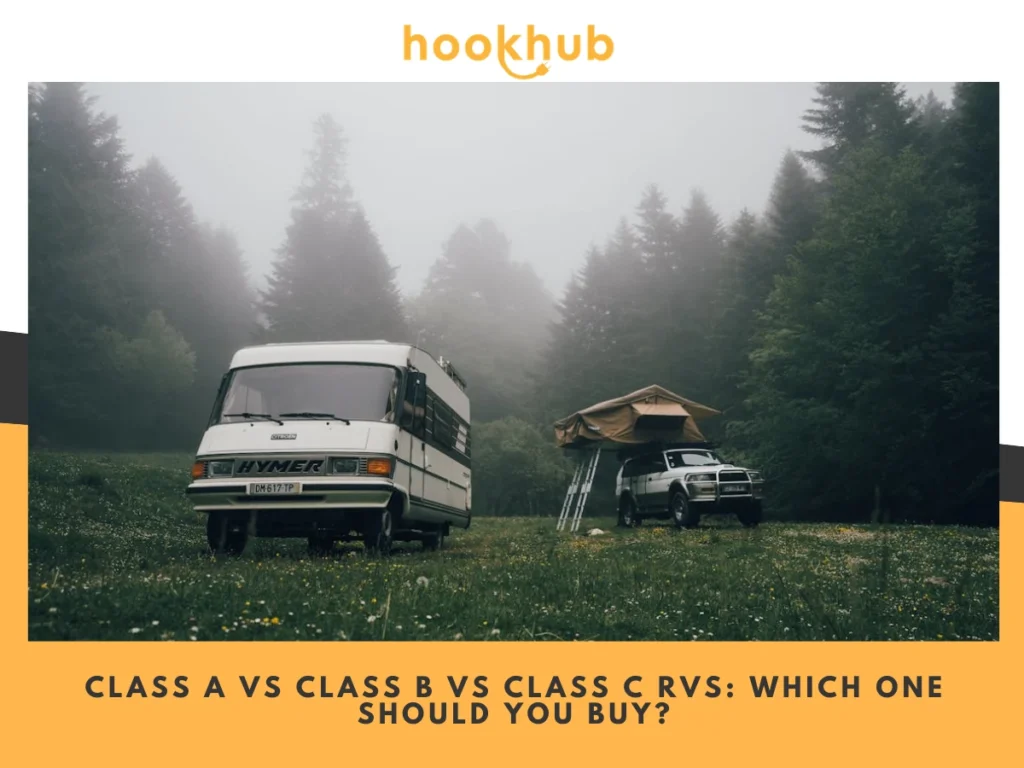
Recreational Vehicles (RVs) are motorized or towable vehicles designed with living quarters that provide comfort and convenience while traveling. The types of RVs available range from Class A motorhomes, which offer luxury and spaciousness, to Class B camper vans that are compact and ideal for quick getaways.
Travel and fifth-wheel trailers cater to families or larger groups, providing ample living space. Understanding these differences is essential for RV owners who wish to park an RV on private property, as each type might be subject to different local zoning laws and regulations regarding long-term residency and parking.
The Appeal of Living in an RV
Living in an RV provides a unique lifestyle filled with freedom, flexibility, and the ability to explore diverse locations. Many RVers enjoy the opportunity to travel while maintaining a home base, which fosters a sense of adventure and connection with nature.
This lifestyle encourages minimalism, prompting individuals to downsize their belongings and focus on experiences rather than possessions. However, the realities of living full-time in an RV can present challenges, such as limited space and the need for regular maintenance.
Understanding these aspects is crucial for those planning to live in an RV to transition to this alternative lifestyle successfully.
RV Parking Regulations by State
When parking an RV on private property, RV owners must familiarize themselves with the regulations that vary significantly by state and local jurisdiction. Some states, like California and Texas, are known for being RV-friendly, allowing long-term parking and residency in designated areas.
Conversely, states such as Delaware and Hawaii impose strict zoning regulations that may limit or prohibit full-time RV living. RV owners must research local laws that govern RV parking on residential property to avoid fines or legal issues.
Understanding these rules and regulations will allow RV owners to legally park their RV and enjoy the benefits of living in an RV without complications.
Legal Implications of RV Storage on Private Property
Local Laws Governing RV Parking
Understanding local laws is crucial for RV owners who plan to park their RV on private property. These regulations dictate various aspects of RV parking, including the duration for which you can leave an RV parked, the size restrictions of the RV, and whether overnight occupancy is permitted.
Many local governments have enacted zoning laws that may restrict RV storage in residential neighborhoods, which can lead to potential disputes with neighbors or fines for violations. Furthermore, homeowners’ associations (HOAs) often impose additional rules requiring RVs to be stored out of sight or limit parking to designated areas.
To avoid complications, it is vital to thoroughly research these local ordinances before deciding to park an RV on your property.
Potential Fines and Penalties
Failure to adhere to local RV parking regulations can have significant financial consequences for RV owners. Fines for violating these laws can vary widely, typically ranging from $50 to $1,000, depending on the nature and severity of the infraction.
Additionally, repeated violations may lead to more severe penalties, including the potential for legal action, liens against your property, or even immobilization of the RV. This financial burden underscores the importance of being fully aware of RV parking rules and regulations to ensure you can legally park your RV without incurring unexpected costs or legal troubles.
RV owners should proactively manage their compliance to safeguard against these penalties.
Impact of Homeowners’ Associations
Homeowners’ associations (HOAs) significantly regulate RV parking and storage within residential communities. These organizations often have strict guidelines regarding where and how RVs can be parked, including prohibiting RVs in visible driveways or on the street.
Some HOAs may require RVs to be parked in garages or designated RV storage facilities. Violating these HOA rules can lead to hefty fines, restrictions on future parking options, or being placed on a blacklist that limits your ability to park.
Therefore, RV owners should carefully review their HOA’s guidelines and seek explicit approval before parking their RV on private property. Understanding these regulations is key to enjoying RV living without facing penalties from your HOA.
Consequences of Long-Term RV Parking
Wear and Tear on the RV
Leaving an RV parked for an extended period can lead to various forms of wear and tear, compromising the vehicle’s overall integrity. Exposure to the elements, such as intense sun, heavy rain, or snow accumulation, can cause significant damage to the exterior, resulting in issues like fading paint, rust, and deterioration of seals and gaskets.
Furthermore, components such as tires, batteries, and plumbing systems may suffer from prolonged inactivity. This neglect can lead to costly repairs when the time comes to use the RV again.
To mitigate these potential damages and prolong the lifespan of your RV, regular maintenance and inspections are essential, ensuring that your vehicle remains in optimal condition for future adventures.
Property Value Considerations
Parking an RV on private property for an extended period can significantly impact the property’s value, especially if it contravenes local regulations or disrupts neighborhood aesthetics. An RV visible from the street may detract from a home’s curb appeal, potentially lowering its market value.
In addition, if neighbors file complaints regarding the RV’s presence, it could lead to legal disputes that further diminish property value.
Homeowners should carefully consider these factors, weighing the convenience of parking their RV against the potential repercussions on their property value. Compliance with local zoning laws can help maintain neighborhood harmony and your home’s financial integrity.
Neighborhood Relations and Community Impact
Long-term RV parking can strain neighborhood relations if it violates local ordinances or homeowners’ association (HOA) rules. Neighbors may view an RV as an eyesore, leading to complaints and conflicts that disrupt community harmony.
This tension can escalate if the RV is not well-maintained or obstructs common areas. Building positive relationships with neighbors while adhering to community standards is crucial for maintaining a peaceful living environment.
Engaging with your community and being considerate about where and how you park your RV can help foster goodwill, ensuring that you can enjoy the benefits of RV living without negatively impacting those around you.
Alternatives to Long-Term RV Parking
Benefits of RV Parks and Campgrounds
For those considering the option to live in an RV full-time or for extended periods, RV parks and campgrounds present a wealth of benefits that cater specifically to the needs of RV owners. These facilities provide designated spaces for RV parking, complete with essential amenities such as electricity, water, and sewage hookups, making it easier to manage day-to-day living.
The sense of community in RV parks encourages social interactions among fellow RVers, fostering friendships and shared experiences. Importantly, these locations are tailored for RV living, alleviating concerns about local zoning laws and neighborhood relations, and enabling individuals to park an RV without facing the complications of residential property restrictions.
Moreover, many parks offer recreational activities and social events that enhance the overall RV experience, making them an ideal solution for those looking to park and live in their RVs.
Finding Suitable RV Storage Facilities
Identifying suitable RV storage facilities is crucial for RV owners who cannot park their RV on private property. These facilities provide secure storage options, protecting the RV from the elements and potential theft, a significant concern for many RV owners.
Various RV storage solutions are available, including covered, uncovered, and indoor storage, catering to different needs and preferences. Pricing and availability of these storage facilities can vary widely, so it is essential to conduct thorough research on local options.
Location, security features, and accessibility should be carefully considered when selecting a storage solution. By choosing the right RV storage facility, owners can ensure their vehicle remains in good condition and ready for the next adventure.
Exploring States That Allow Full-Time RV Living
For those contemplating living full-time in an RV, exploring states welcoming to RV lifestyles is essential. Some states, such as Texas, Florida, and Arizona, are known for their lenient regulations and myriad options for RV parking, allowing residents to park their RVs long-term without facing significant restrictions.
However, despite the friendly policies, local ordinances may differ significantly within these states. Therefore, it is crucial for RV owners to research specific regulations in their desired areas to ensure compliance.
Understanding the state laws that allow RV living can empower individuals to make informed decisions regarding where to live and park their RVs, helping them easily navigate the complexities of full-time RV life.
Final Considerations for RV Owners
Best Practices for Parking Your RV
To prevent potential complications when parking an RV on private property, RV owners should adhere to best practices that facilitate smooth and legal RV parking. Researching local laws is essential to ensure compliance with zoning regulations and obtaining necessary permits if required.
Keeping the RV in good condition is equally important, as regular maintenance and inspections can help prevent costly repairs and extend the vehicle’s lifespan. Additionally, parking in less visible areas, such as backyards, can help mitigate neighbor complaints, reducing the likelihood of disputes.
By following these best practices, RV owners can enjoy the benefits of having an RV on their property while minimizing potential conflicts with local regulations and neighbors.
Preparing for Full-Time RV Life
Transitioning to full-time RV living requires careful planning and preparation to ensure a successful and enjoyable experience. Prospective RVers should assess their financial situation, considering costs associated with RV maintenance, fuel, and campsite fees.
Familiarizing themselves with local laws and regulations regarding RV parking is also crucial, as this knowledge can help avoid legal complications. Creating a detailed budget will allow individuals to manage their finances effectively while living in an RV full-time.
Embracing a minimalist lifestyle and a willingness to adapt to change can enhance the overall RV experience and contribute to a fulfilling life on the road.
Resources and Support for RV Owners
A wealth of resources and support networks exists for RV owners, making navigating the many aspects of RV living easier. Online forums, social media groups, and RV clubs offer valuable insights into RV maintenance, travel tips, and local regulations, allowing RVers to connect with fellow enthusiasts.
Additionally, many RV parks and campgrounds organize community events and activities that foster a sense of belonging among RV owners. These resources can significantly enhance the RV living experience, providing essential support and guidance throughout the journey.
Whether seeking advice on RV maintenance or discovering new travel routes, these platforms can be invaluable for anyone planning to live in their RV.
Conclusion
Leaving your RV on private property for an extended period of time is a decision that must be carefully considered and may have serious ramifications. While it may appear a handy and cost-effective solution, RV owners must consider the legal consequences, the risk of deterioration in vehicle condition, and the potential strain on relationships with property owners.
From zoning rules to the wear and tear of inactivity, storing an RV on private land is not a decision to take lightly. Furthermore, the security of your RV in such environments should not be disregarded.
Your RV may be vulnerable to vandalism or theft without sufficient surveillance or security measures. In essence, while private property storage appears to be a simple solution, it has problems and hazards that may result in complications and more costs.
HookHub.co understands the importance of keeping your RV safe and in good shape. That’s why we provide a diverse range of storage options that range from basic security features to luxury luxuries.
Let us help you safeguard your beloved vehicle and ensure it’s always ready for your next adventure. Contact us to find the perfect parking spot, no matter where you are!