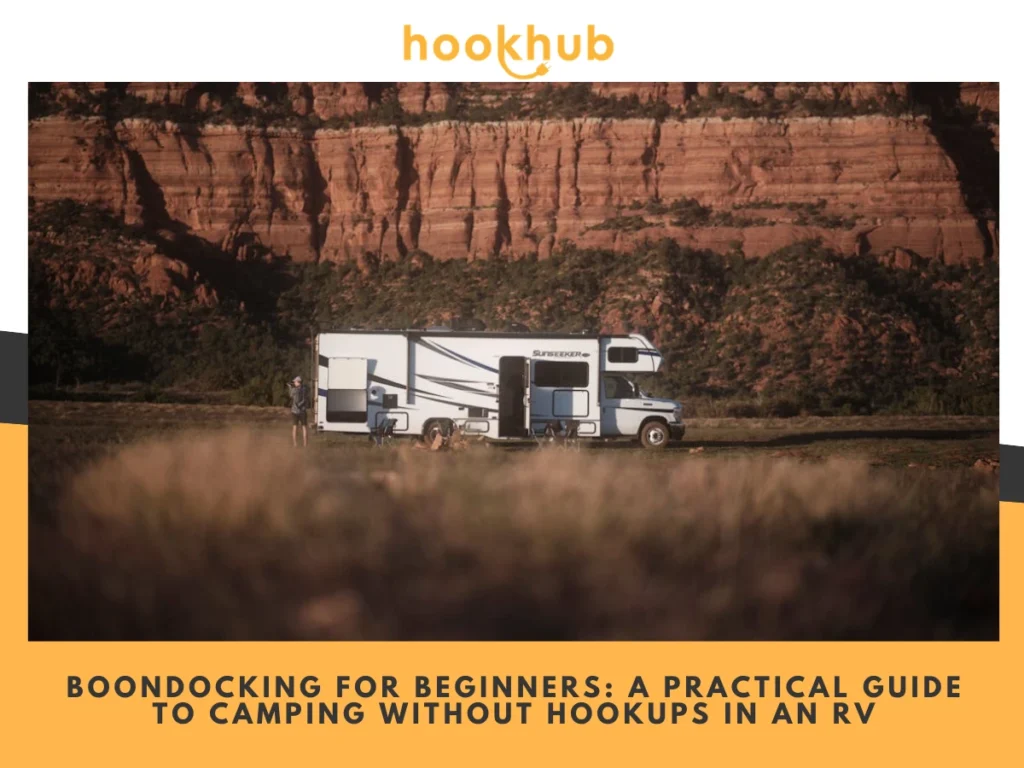

Boondocking is where RV life shifts from convenient to intentional.
There are no full hookups, no campground office, and no guaranteed amenities. Just your rig, your resources, and the open space around you. For many RVers, that’s exactly the point.
If you’re new to RV boondocking, this premium guide walks you through how to camp without hookups safely, responsibly, and confidently while protecting your freedom to move when plans change. Travelers who are exploring alternative overnight options may also want to understand the pros and cons of hosting RV travelers on private land.
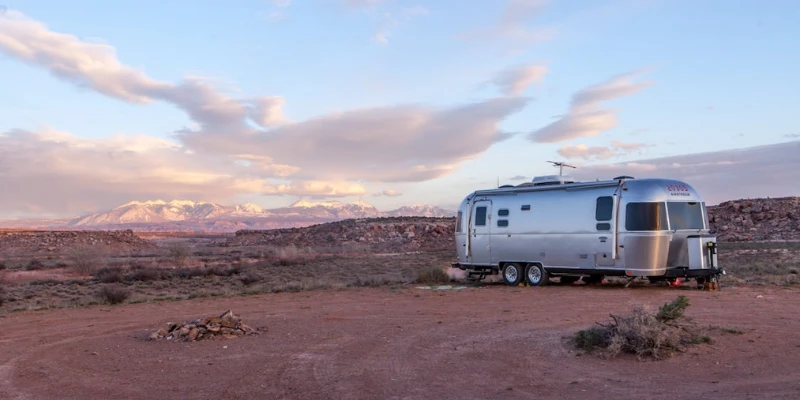
Key Takeaways
- Boondocking, also known as dispersed camping or dry camping, means camping without hookups for water, sewer, or electricity.
- Most public lands managed by the Bureau of Land Management and Forest Service allow boondocking with stay limits.
- Managing your freshwater tank, gray tank, and black water tank is essential for extended off-grid stays.
- Solar panels, propane, and generators provide reliable off-grid power.
- Research tools help you find boondocking sites, but flexible backup options protect your travel plans.
- Responsible waste disposal and respect for public lands ensure continued access for RVers.
What Is Boondocking?
The term “boondocking” refers to camping without hookups. You are not connected to a water hookup, sewer connection, or electrical pedestal. You rely entirely on your RV systems.
Boondocking is also known as dispersed camping because it typically happens outside designated campgrounds, often on public lands. Many RVers boondock on BLM land or national forest land, where open areas allow camping outside developed campground loops.
For official rules, maps, and dispersed camping guidelines, RVers can review resources from the Bureau of Land Management and the U.S. Forest Service, which manage many of the public lands where boondocking is permitted.
Unlike RV parks with full hookups, off-grid RV camping requires you to monitor tank levels, manage power sources, and dispose of sewage responsibly.
The tradeoff is freedom.
Boondocking vs Traditional Campgrounds
In traditional campground settings, you connect to shore power, refill freshwater directly, and dump into a sewer connection at your campsite. Amenities like showers, dump stations, and designated campsites make travel simple.
When you’re boondocking, those systems must function independently.
There is no guaranteed cell phone signal. No shower building. No dump station at your campsite. Instead, you manage your own freshwater tank, gray tank, and black water tank while camping outside developed infrastructure.
Many RVers prefer boondocking because it reduces campground fees, increases privacy, and allows access to quieter camping locations.
Preparing Your RV for Off-Grid Camping
Boondocking for beginners starts with preparation.
Before leaving paved roads, confirm that your rig is ready for off-grid conditions. Whether your RV is a motorhome, travel trailer, fifth wheel, or compact camper, it must be fully self-contained.
Start with your tanks. Your freshwater tank should be full. Your gray tank and black tank should be empty. Check that your RV toilet operates properly and that your sewer valves are sealed.
Inspect your electrical system. Batteries should hold a charge. Wiring should be intact. Test your generator if you rely on one. Check propane levels, especially if you plan to camp in cooler weather.
Mechanical reliability matters more in remote locations. Inspect tires and confirm your rig can handle dirt roads, which may become impassable after storms.
A well-prepared RV reduces surprises.
Water Management: The Core of Dry Camping
Water management determines how long you can stay off-grid.
Most RV freshwater tanks hold between 30 and 100 gallons. Once that supply runs low, you either refill or leave.
Conserving water becomes part of your daily rhythm. Showers are brief. Washing dishes uses minimal running water. Some RVers collect rinse water for reuse. Monitoring tank levels daily prevents overflow in your gray tank or black water tank.
Before your trip, identify nearby dump stations and water refill locations. Many designated campgrounds and municipal facilities offer dump stations and water services for a small fee.
Responsible tank management protects both your trip and public lands.
Reliable Power Sources for Boondocking
Off-grid power is the second pillar of successful RV boondocking.
Solar panels are a popular choice because they provide renewable off-grid power without noise. However, solar output depends on weather conditions and sunlight exposure.
A portable generator offers backup power during cloudy days or higher electrical demand. Use generators responsibly and follow local quiet hour rules on public lands.
Propane powers many essential appliances, including refrigerators, stoves, and heaters. Monitoring propane levels ensures your systems continue to work properly.
When you’re boondocking, reliable power depends on awareness. Limit unnecessary energy use. Charge devices during peak solar production. Avoid running high-watt appliances continuously.
Balanced power management allows longer stays without stress.
Waste Disposal and Ethical Responsibility
Waste management is not optional in off-grid camping. It is a responsibility.
Your black water tank collects sewage from your RV toilet. Your gray tank holds wastewater from sinks and showers. Neither should ever be dumped on public lands.
Always use designated dump stations and water facilities for disposal. Improper sewage disposal damages ecosystems and leads to land closures.
Some boondockers install a composting toilet to reduce black tank usage. Others carry portable waste containers for transport to dump stations.
Respect for public lands ensures they continue to allow boondocking.
How to Find Boondocking Sites
Finding a good boondocking spot requires research and awareness.
Many RVers use apps and websites like iOverlander and Campendium to research dispersed campsites. These research tools provide user-generated reports, road condition updates, cell phone signal information, and reviews.
They are useful for scouting camping locations.
However, they are community databases, not reservation systems. Information may not always be up-to-date. They do not provide structured overnight RV parking or verified availability.
Think of them as research tools, not booking solutions.
When arriving at a potential dispersed campsite, always confirm local signage, stay limits, and access conditions.
Public Lands, Stay Limits, and Regulations
Most BLM land and forest service land allow boondocking outside designated campgrounds. Stay limits typically range from 7 to 14 days within a 30 day period, depending on local management rules.
Always verify regulations before setting up camp. Some areas may restrict overnight camping due to environmental concerns or high traffic.
Road conditions can change quickly. Heavy rain can create impassable roads. Seasonal closures may apply.
Responsible boondocking includes understanding and following local regulations.
Overnight Boondocking Alternatives
In certain situations, RVers may use truck stops, rest areas, or select parking lots that allow overnight camping.
Policies vary widely and change often. Always check signage and confirm permission before parking.
Overnight boondocking in commercial areas should be quiet and temporary.
If public lands are crowded, weather conditions worsen, or you prefer a more structured option, flexible planning becomes important.
Hookhub supports RVers by helping them discover flexible overnight RV parking solutions when dispersed camping or campground reservations fall through. It complements research apps by offering structured alternatives when plans shift unexpectedly.
Freedom without flexibility creates stress. Flexibility protects freedom.
Common Challenges of Off-Grid RV Camping
Weather is one of the biggest variables in boondocking. Heat increases water consumption. Cold increases propane usage. Rain can compromise road access.
Limited cell phone signal can impact navigation or remote work. Download offline maps before entering remote areas.
Mechanical issues are more difficult to address far from service centers. Regular RV maintenance reduces risk.
Preparation minimizes disruptions.
Boondocking Etiquette and Leave No Trace
Public lands remain open to RVers because most boondockers act responsibly.
Pack out all trash. Avoid damaging vegetation. Follow fire restrictions. Keep noise levels low. Respect stay limits.
Leave your campsite cleaner than you found it.
The future of free camping depends on ethical behavior.
Planning Smarter Off-Grid Travel
Boondocking offers independence, but it benefits from layered planning.
Start with research. Use apps and public land resources to find dispersed campsites and understand regulations. Confirm dump stations and water access points.
At the same time, identify flexible overnight RV parking options in case your original plan changes. Weather, road conditions, or overcrowding can force quick adjustments.
Hookhub strengthens your planning strategy by offering flexible alternatives when public lands or traditional campground options are unavailable. Travelers can also explore how Hookhub works when looking for structured overnight RV parking options.
Research gives you direction. Flexibility gives you confidence.
Final Thoughts: Is Boondocking Right for You?
Boondocking for beginners may feel unfamiliar at first, but it becomes intuitive with experience.
Camping without hookups teaches awareness. You learn how your tanks behave. You understand your power usage. You manage resources intentionally.
Start small. Try overnight boondocking for one or two nights. Refine your checklist. Monitor your systems. Build confidence gradually, especially if you understand where RVs can legally park overnight outside campgrounds.
With preparation, respect for public lands, and flexible planning tools that support your journey, off-grid RV camping becomes one of the most empowering parts of RV life.
Boondocking is not just free camping.
It is controlled independence.
And when you combine thoughtful research with flexible backup planning, you travel smarter and with far less stress.
Frequently Asked Questions
What is boondocking in an RV?
Boondocking is camping without hookups for water, sewer, or electricity. It is also known as dispersed camping or dry camping and often takes place on public lands.
How long can you stay on BLM land while boondocking?
Most BLM land allows stays of up to 14 days within a 30 day period, though rules vary by location. Always verify local regulations.
Do you need solar panels for RV boondocking?
Solar panels are not required but provide reliable off-grid power and reduce reliance on a generator during extended stays.
Where do you dump tanks after boondocking?
Use designated dump stations and water facilities. Never dump sewage or gray water on public lands.
Is boondocking safe for beginners?
Yes, with preparation. Monitor tank levels, manage power carefully, check road conditions, and follow public land regulations.