



When it comes to RV safety and performance, choosing the best RV tires is essential. Your tires are the only point of contact between your vehicle and the road, so they play a critical role in handling, stability, and braking.
With so many options available, finding the right tires for your specific needs can be overwhelming. This guide will help you understand the different types, key factors to consider, and our top recommendations to ensure you buy the best for your adventures.

Why Choosing the Right RV Tires Matters
They are not the same as passenger car tires. They are specifically designed to handle the unique demands of recreational vehicles, including heavier loads, varying speeds, and different road conditions.
Impact on Safety
Proper RV tires are crucial for safety on the road. They provide stability, ensure efficient braking, and help you maintain control of your vehicle, especially in challenging situations like sudden stops or windy conditions.
Investing in high-quality tires can significantly reduce the risk of accidents and ensure a safer journey for you and your passengers.
RV: Performance and Fuel Efficiency
The quality of your tires also affects your vehicle’s performance and fuel efficiency. Good tires provide a smoother ride, better handling, and improved fuel economy.
Worn or improperly inflated tires can increase rolling resistance, reducing miles per gallon and raising fuel costs.
Types of RV Tires
Radial Tires
Radial tires are the most common type of tire used on RVs today. They are constructed with layers of cord fabric running radially (at a 90-degree angle) from bead to bead. This design provides several benefits, including:
- Increased durability and longer life
- Improved fuel efficiency
- Better handling and stability
- Reduced heat buildup, which can extend tire life
Bias-Ply Tires
Bias-ply tires were once common on RVs, but they are less prevalent today. They are constructed with layers of cord fabric running diagonally across the tire.
Bias-ply tires tend to have a stiffer ride, lower load capacity, and shorter life compared to radial tires.
Special Trailer Tires (ST)
Special trailer (ST) tires are specifically designed for trailers, including travel trailers, fifth wheels, and boat trailers. They feature a stronger sidewall and are designed to handle heavier loads and the unique stresses of towing.
ST tires are essential for safe and reliable towing.
Best RV Tires: Top Picks
Best RV: All-Season Tires
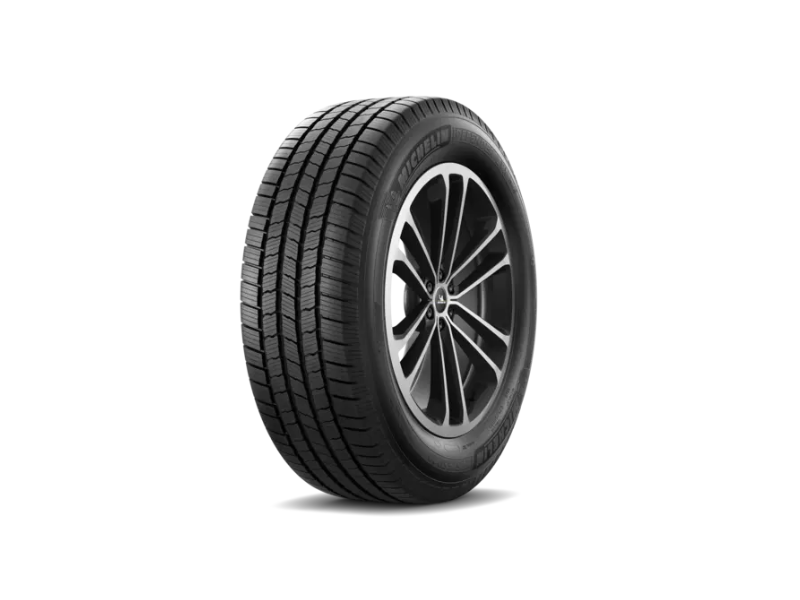
- Michelin Defender LTX M/S: The Michelin Defender LTX M/S is popular among RV enthusiasts. These Michelin tires offer excellent all-season performance, a quiet, and comfortable ride, and excellent fuel efficiency and handling.
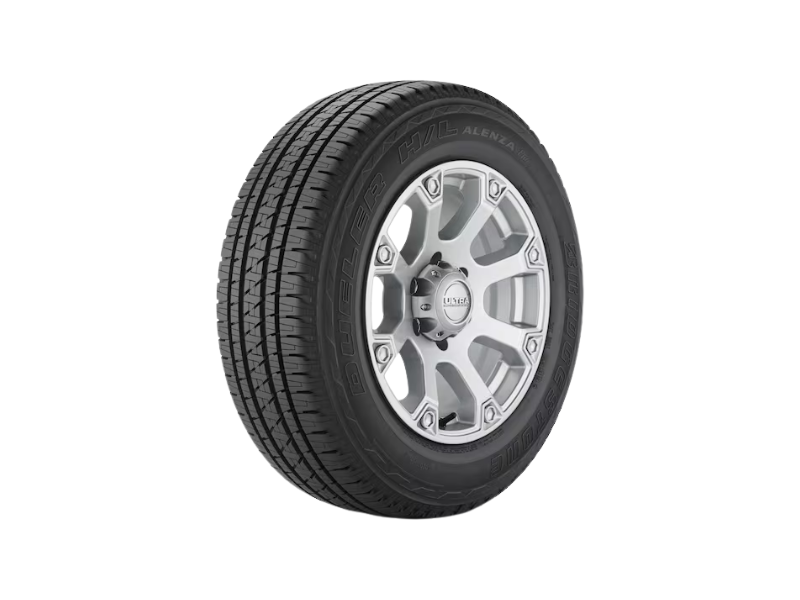
- Bridgestone Dueler H/L Alenza Plus: This is another excellent all-season tire option. It provides exceptional traction in wet and dry conditions.
Best RV Tire: Heavy-Duty Tires
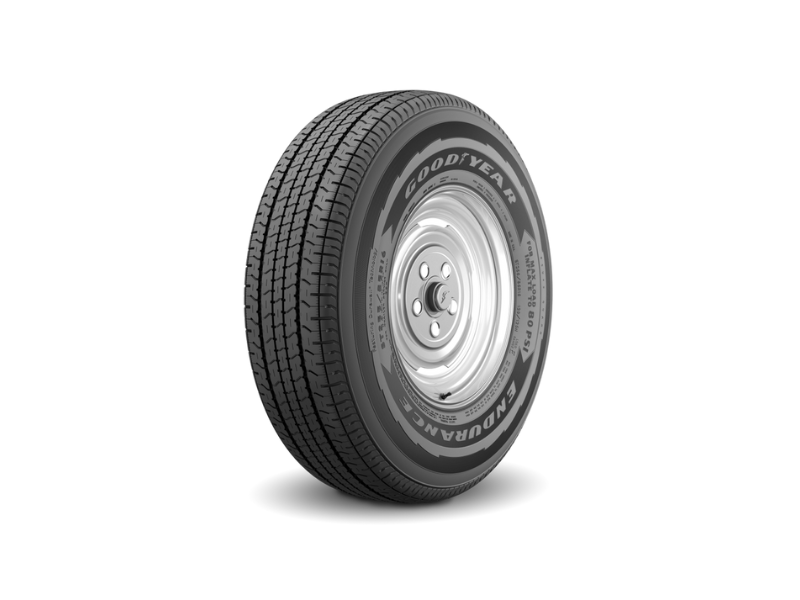
- Goodyear Endurance: The Goodyear Endurance is a top choice for heavier RVs. This tire is designed to handle heavy loads and provide long-lasting performance. It features a durable construction, a strong sidewall, and a specialized tread pattern for optimal traction and stability. The Goodyear Endurance tire is a popular choice for motorhomes and larger travel trailers.
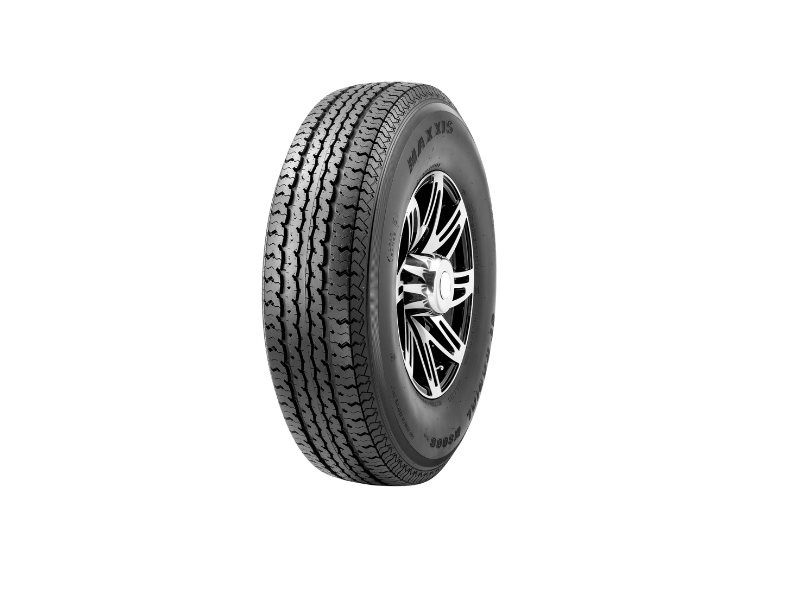
- Maxxis M8008: The Maxxis M8008 is another excellent heavy-duty tire option. It offers a high load capacity and good traction. It is also known for its puncture resistance and durability.
Choosing the Best RV Tires: Factors to Consider
Tire Size
Choosing the correct tire size is crucial for safe and efficient RV operation. You can find the correct tire size for your RV in your owner’s manual or on the sidewall of your current tires.
Mismatched tire sizes can affect handling, braking, and speedometer accuracy.
Weight Matters
The load capacity of your RV tires is another critical factor. Each tire has a load range, which indicates the maximum weight it can safely carry.
Overloading your tires can lead to tire failure, blowouts, and accidents. Ensure your tires have a load capacity that exceeds the weight of your RV, including passengers and cargo.
Tread Pattern
Different road conditions require different tread patterns. All-season tires provide excellent traction in a variety of conditions, including wet and dry roads.
Designed for rugged terrain, off-road tires enhance traction in mud, sand, and gravel. Consider your typical driving conditions and choose a tread pattern that provides the necessary traction and performance.
Tire Brand
Choosing a reputable tire brand is essential for ensuring quality and reliability. Some of the best tire brands for RVs include Michelin, Goodyear, Bridgestone, and Continental.
These brands are known for their high-quality materials, advanced tire technology, and rigorous testing standards. Continental tires are a popular choice among RV owners for their performance and durability.
Price and Budget
RV tires can range in price from a few hundred dollars to over a thousand dollars per tire. Set a realistic budget and consider the long-term value of your investment.
The cheapest option may be tempting, but your tires are vital to your RV’s safety and performance. Investing in high-quality tires can save you money in the long run by providing longer tread life, better fuel efficiency, and improved safety.
Tire Maintenance: Essential Tips
Proper tire maintenance is crucial for maximizing tire life and ensuring safe travels.
Tire: Regular Inspections
Regularly inspect your tires for signs of wear and tear, such as cracks, bulges, or uneven tread wear. Check your tire pressure before and after every trip, and adjust it as needed.
Proper inflation is essential for safety, fuel efficiency, and tire longevity.
Travel Trailer: Proper Inflation
Maintaining proper tire pressure is crucial for your travel trailer’s safety and performance. Underinflated tires can overheat and increase the risk of blowouts, while overinflated tires can lead to a harsh ride and uneven wear.
Consult your owner’s manual or the tire sidewall for the recommended tire pressure for your travel trailer.
RV: Tire Rotation and Alignment
Regular tire rotation and alignment can help ensure even tire wear and extend the life of your tires. While aligning your wheels ensures optimal handling and tire performance, rotating your tires helps distribute wear evenly across all four tires.
Beyond Tires: RV Safety on the Road
RV: Brakes and Suspension
In addition to your tires, your RV’s brakes and suspension system are critical for safe and reliable operation. Regularly inspect and maintain your brakes to ensure they are functioning properly.
Have your suspension system checked periodically to ensure it is in excellent working order and can handle the weight of your RV.
Safe Driving Practices
Safe driving habits are essential for all RVers. Observe posted speed limits, maintain a safe following distance, and practice defensive driving techniques.
Be aware of your surroundings and adjust your driving to changing road and weather conditions.
Conclusion
Choosing the best RV tires is a crucial decision for any RV owner. You can make an informed decision and equip your RV with safe, reliable, and high-performing tires by considering the factors outlined in this guide.
Remember to maintain your tires properly and practice safe driving habits to enjoy many miles of trouble-free travel.
After equipping your RV with the best tires for safety and performance, the next step is finding the perfect place to park and enjoy your journey. HookHub simplifies this process by connecting RV travelers with ideal parking spots tailored to their needs.
With HookHub, you can focus on the road ahead and the adventures that await, knowing your parking needs are covered.
Make every RV trip stress-free and memorable with HookHub!