


Finding the best RV antenna for your entertainment needs can be a challenge with the variety of options available. Whether you’re a seasoned RVer or new to the RV life, a reliable antenna can make a big difference in your TV viewing experience.
This guide provides a comprehensive overview of RV antennas, helping you understand the different types, key features to consider, and our top recommendations for enjoying free over-the-air TV while traveling.
Why You Need an RV Antenna
While many RVers rely on streaming services or DVDs for entertainment, a dedicated TV antenna offers a unique set of benefits.
TV Antenna: Free Entertainment
An RV antenna allows you to access free over-the-air TV channels. This includes local news, weather, and popular network programming.
This can be a wonderful way to stay informed and entertained without paying for cable or satellite TV. With the appropriate antenna, you can even relish HDTV broadcasts in pristine clarity.
RV: Entertainment on the Go
Having a TV antenna provides entertainment options while you’re on the road, especially in areas with limited or no internet access. You can enjoy your favorite shows, catch up on the news, or watch a movie without relying on streaming services or data plans.
This can be particularly helpful when camping in your RV in remote locations or during power outages.
Types of RV Antennas
360-Degree Reception
Omnidirectional antennas are designed to receive signals from all directions. This makes them convenient for stationary use, as you don’t need to point the antenna toward a specific broadcast tower.
They are generally more compact and easier to install, making them a popular choice for many RV owners.
Targeted Signal
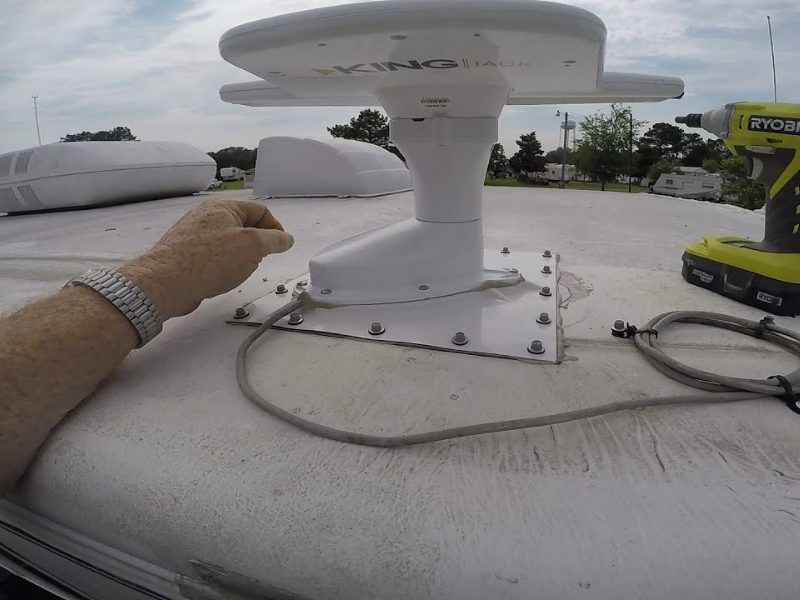
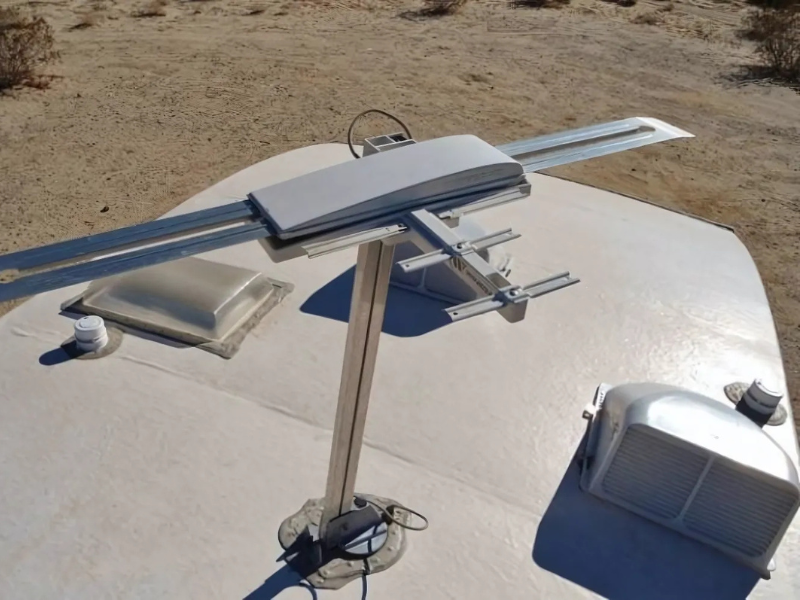
Directional antennas need to be aimed toward the broadcast source for optimal performance. They are more effective at picking up signals from a specific direction, making them a suitable choice for areas with weaker signals or obstacles.
However, they require more effort to set up and may need to be repositioned if you move your RV. If you need this type of antenna, the King Jack Antenna is a popular choice.
Boosting Signal Strength
Antennas with built-in signal boosters are helpful in areas with limited TV reception or when you’re far away from broadcast towers. However, it’s important to choose a high-quality antenna with a strong booster.
If you need to improve your signal, consider using an antenna with a built-in booster or a separate device to strengthen it.
Best RV Antenna: Top Picks
Omnidirectional Antennas
- Winegard Sensar IV: The Winegard Sensar IV is a popular choice for its long-range reception, ease of use, and durability. It can receive signals from up to 50 miles away, making it a suitable choice for most RV applications.
- KING OA8500 Jack HDTV Antenna: The KING Jack OA8500 is another excellent option. It offers excellent reception, a compact design, and a built-in signal enhancer for boosting weak signals.
Directional Antennas
- Winegard Rayzar Automatic: The Winegard Rayzar Automatic is a top-performing antenna. It features automatic signal-finding capabilities, making it easy to find the best signals available. It also includes an amplified signal for improved reception in weak signal areas.
- KING Jack HDTV Directional Over-the-Air Antenna with Mount: This antenna from KING is another good option. It offers excellent reception, a sturdy mount for simple aiming, and a built-in amplification unit.
Choosing the Right RV Antenna
Signal Strength and Range
The quality of your TV signal depends on several factors, including the distance from the transmitter, terrain, and any obstacles that may be blocking the signal. Consider your typical travel locations and choose an antenna with a range that meets your needs.
If you frequently camp in remote areas with weak signals, you may need a more powerful antenna or an amplified model. You can use a website or app like RV Trip Wizard to check the availability of TV stations in different locations.
Antenna Type
Consider the type of antenna that best suits your needs. They are convenient for stationary use, while directional antennas are better for areas with weak signals or obstructions.
If you need to boost your signal, consider an amplified antenna.
Amplification
This works in weak signal areas but amplifies noise. If you’re not sure whether you need an amplified antenna, consult with an RV specialist or check online antenna reviews.
Installation and Setup
You can install RV antennas on your RV’s roof or use them as portable antennas. Roof-mounted antennas generally provide better reception, but portable antennas offer more flexibility.
Make sure to properly ground your antenna to avoid potential damage from lightning strikes. Should you lack confidence in electrical wiring, consider hiring a professional to install your antenna.

Features and Functionality
Consider the features that are important to you. Some antennas have built-in signal meters to help you find the best signals.
Others have WiFi capabilities or can be used with a separate satellite antenna. Choose an antenna with the features that meet your needs and budget.
RV Antenna FAQs
Troubleshooting
If you’re experiencing poor TV reception, there are a few things you can check. Ensure that you have properly positioned and oriented your antenna toward the transmission sites.
Check the coax cable connections to ensure they are secure. If you’re using an amplified antenna, make sure the amplifier is turned on and functioning correctly.
You can also try repositioning your RV to see if that improves reception.
Finding Reliable Information
There are several resources available to help you find reliable information about RV antennas. Check online antenna reviews and ratings from other RV owners. You can also find helpful information on RV forums, such as the Forest River Forums.
Beyond the Antenna: Improving TV Reception
Optimizing Antenna Placement
The placement of your antenna can significantly affect its performance. Try to position your antenna as high as possible and away from obstructions like trees or buildings.
Make sure to properly aim your antenna towards the signal source if you have one.
Signal Boosters
If you’re in an area with weak signals, you can use a signal booster to improve reception. These devices amplify the signal from the antenna, allowing you to receive more channels and enjoy clearer picture quality.
Conclusion
A reliable RV antenna is essential for enjoying free over-the-air TV while traveling. By considering the factors outlined in this guide, you can choose the best one for your needs and enjoy your favorite shows on the road!
For RV enthusiasts, finding the perfect parking spot is just as crucial as having the best RV antenna. That’s where Hookhub comes in. Hookhub simplifies your search for RV parking, helping you discover convenient and reliable spots tailored to your journey.