
If you are trying to build a monthly RV offer on private land, location matters, but property fit matters more. The best areas to host monthly RV stays in Arizona tend to share the same fundamentals: easy access, predictable utilities, and a site that feels calm for an extended stay.
Arizona, particularly the greater Phoenix metro area, has become a consistent destination for snowbirds, remote workers, traveling nurses, construction contractors, and long-term seasonal visitors. That demand creates opportunity. But only when the property itself supports stability.
If you want the full 30–90 night framework, start here: start here for monthly RV hosting.
Quick takeaways
- A “perfect” host property is a usable RV site with clear access, hookups, and boundaries, not a long list of amenities.
- In the Phoenix area, shade, heat planning, and a quiet layout matter more than flashy upgrades.
- Scottsdale, Cave Creek, and Queen Creek work when you can offer a stable monthly setup without drifting into RV park operations.
- Predictability beats luxury. A site that works consistently for 90 days is more valuable than one that looks impressive for a weekend.
What “perfect” means for monthly hosting (not weekend camping)
Monthly guests are not booking a campsite for a quick getaway. They are choosing a place to live for a month or longer, so they care about the boring details.
They ask:
- Will my rig fit without stress?
- Will I feel awkward here for 60 days?
- Will utilities be predictable?
- Is this quiet enough to actually live?
A strong monthly listing usually wins on:
- A level pad for a trailer or motorhome
- A clear hookup plan (power, water, sewer, or a defined waste plan)
- A simple reservation process and a written cancellation policy
- A layout that protects neighbors and keeps noise down
What they are not prioritizing:
- Decorative landscaping
- Resort-style signage
- Shared amenities they will not use daily
If you have not built your listing yet, use the long-stay listing template.
The non-negotiables: access, utilities, and layout
These three determine whether a guest leaves a 5-star review or a stressed message on week two.
Access that does not punish big rigs
A great site can fail if the approach road is tight.
In Arizona, many properties sit on:
- Gravel roads
- Dirt driveways
- Narrow ranch entrances
- Cul-de-sacs not designed for trailers
Look at:
- Turn radius and gate width
- Back-in vs pull-through options
- Where a rig can safely park without blocking a driveway
- Trailer tow clearance and soft sand risk after rain
Even in desert climates, monsoon season can turn hard soil into unstable ground. A heavy fifth wheel on soft shoulders is a liability risk.
If access is tight, say it clearly. A well-informed guest is better than a surprised one.
Hookups that match monthly expectations
Monthly stays are easier when you can offer full hookups, but you do not need to promise what you cannot deliver.
At minimum, be clear about:
- Power type (30 amp or 50 amp)
- Water supply and pressure
- Sewer access refers to the location where guests should dump their tanks.
In Phoenix summers, 50 amp matters. Air conditioning loads spike. Underpowered electrical setups lead to tripped breakers and friction.
Water pressure consistency also matters in desert climates. If you are on well water, clarify flow expectations.
If you are deciding how to structure utilities, use “utilities included” or not for monthly stays.
A layout that reduces conflict
A calm site is a profitable one.
Monthly hosting fails because of:
- Noise bleed
- Parking spillover
- Undefined walking paths
- Confusion over shared space
Place the RV so that outdoor seating faces inward
Use natural buffers (fences, landscaping, desert vegetation)
Set quiet hours and enforce them early
In higher-density areas like Scottsdale, even small sound differences matter.
For the full neighbor playbook, use prevent neighbor complaints.
Climate reality in the Sonoran Desert
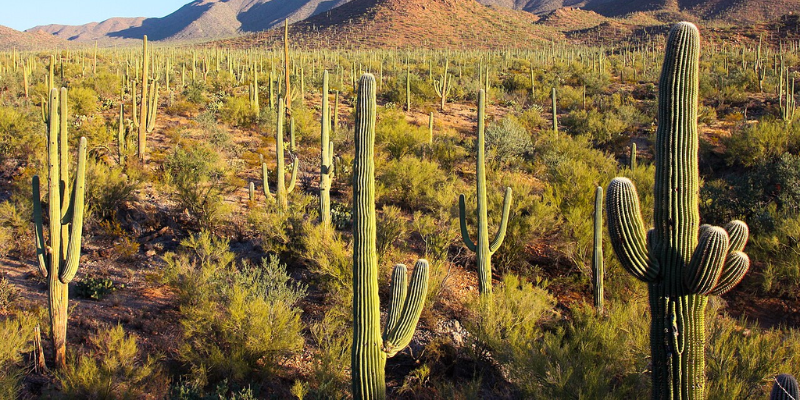
After the midpoint, it helps to ground the climate context.
The Sonoran Desert experiences:
- Summer highs exceeding 110°F
- Intense UV exposure
- Seasonal monsoon storms
- Rapid temperature swings in shoulder seasons
Heat planning is not optional.
Hosts should consider:
- Shade structures or tree placement
- Clear expectations around AC usage
- Gravel pads that do not trap heat excessively
- Electrical capacity that supports extended cooling cycles
The National Park Service overview of the Sonoran Desert provides useful context on regional climate patterns.
Monthly guests staying through summer will care about comfort and cost stability.
Why Scottsdale can work for monthly RV hosting
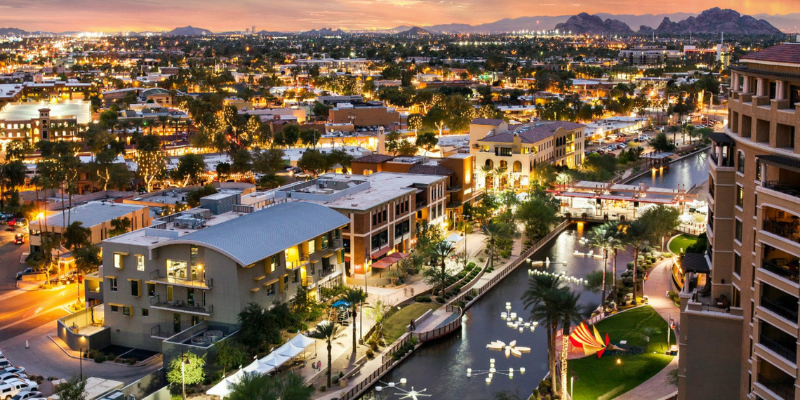
Scottsdale is known for upscale travel, modern amenities, and resort-style expectations. That can be a plus if your property feels polished and your rules are clear.
Scottsdale guests often include:
- Traveling professionals
- Golf-season visitors
- Remote workers with stable income
- Seasonal snowbirds
What tends to work:
- A clean, spacious RV site with easy access
- Strong Wi-Fi for guests who work remotely
- Clear boundaries, since lots can be close together
Guests here often expect professionalism in communication. Clean listings, quick responses, and structured rules convert well.
What to watch:
- Noise sensitivity
- HOA rules and parking visibility
- Heat management in summer
Some neighborhoods have strict parking visibility regulations. Always confirm local ordinances before listing.
Why Cave Creek can work for monthly RV hosting
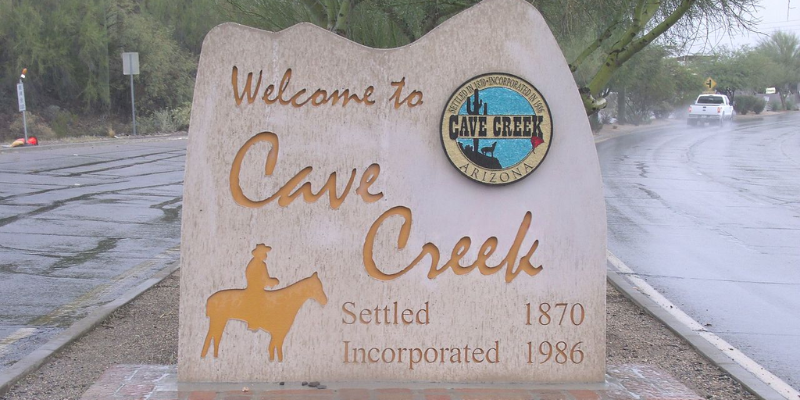
Cave Creek has a ranch feel and a desert landscape that attracts guests who want quiet, trail access, and a slower pace.
This area appeals to:
- Horse property owners
- Remote workers seeking space
- Guests with pets
- Visitors who value privacy
What tends to work:
- Larger lots with natural buffers
- Space for a back-in setup without feeling like an RV park
- A simple, dog-friendly policy for guests traveling with pets
Guests choosing Cave Creek often prioritize:
- Quiet nights
- Desert views
- Distance from dense neighborhoods
What to watch:
- Dust and washboard roads
- Soft shoulders for heavy rigs
- Clear directions for arrivals after dark
Desert navigation at night can be confusing. Clear arrival instructions reduce friction.
Why Queen Creek can work for monthly RV hosting
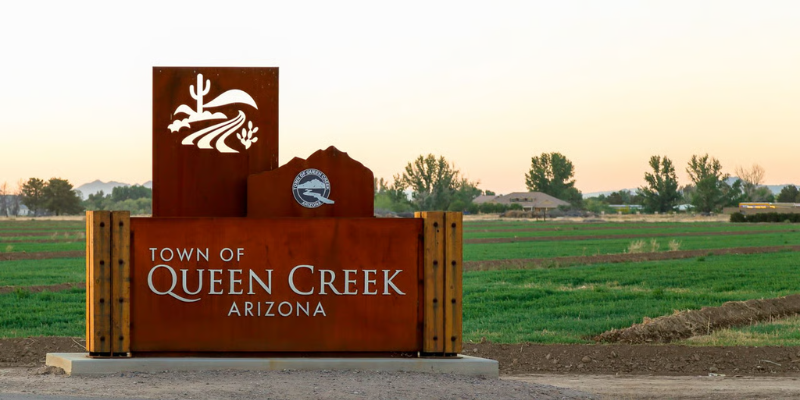
Queen Creek is a practical choice for guests who want the Phoenix area without the density.
It attracts:
- Traveling construction workers
- Families relocating temporarily
- Long-term seasonal guests
- Guests who want grocery and service access nearby
What tends to work:
- Easy access to services and groceries
- Space for a stable extended-stay setup
- Clear utility plan, since monthly usage is predictable when you set expectations
Queen Creek often provides the balance between suburban convenience and larger lot sizes.
What to watch:
- New development and changing traffic patterns
- Neighbor proximity
- Seasonal demand shifts
As development expands, traffic and zoning rules may evolve. Stay updated.
Zoning and operational clarity (often overlooked)
Before hosting monthly stays, verify:
- Local zoning regulations
- HOA restrictions
- County rules for RV occupancy
- Duration limits for stays
Monthly hosting differs from short-term vacation rentals, but clarity prevents long-term disputes.
Hosting one RV at a time keeps the operation simple and avoids drifting into RV park classification territory.
Amenities: what matters and what does not
Many guests have stayed at an RV resort with a heated pool, pickleball courts, picnic tables, and great amenities. Private land does not need to be copied.
The amenities that actually move the needle for monthly stays:
- Reliable power (50 amp hookups if you have them)
- A clean water hookup
- A clear sewer plan
- Wi-Fi or a realistic internet plan
Strong cellular coverage in Phoenix metro often makes internet less complicated, but you should state what guests can expect.
Everything else is optional. If you do have a “retreat” vibe, call it a tranquil retreat once, then get back to the facts.
Pricing: the property fit multiplier
A poorly priced site leads to bookings that do not fit well.
Underpricing attracts:
- Short-term mindset guests
- Guests who expect full-service amenities
- High-usage, low-communication renters
Overpricing without justification leads to:
- Low occupancy
- Mismatched expectations
- Negative comparisons to RV parks
If you want a framework for monthly rates in Arizona, use how to price a monthly RV spot.
Monthly pricing should reflect:
- Utility structure
- Access ease
- Proximity to employment centers
- Privacy level
- Seasonal demand
The real definition of “perfect”
A perfect host property in Scottsdale, Cave Creek, or Queen Creek is not:
- The biggest lot
- The most expensive home
- The one with the most amenities
It is the property where:
- A rig can arrive calmly
- Utilities are predictable
- Neighbors remain undisturbed
- Expectations are written clearly
- The host does not feel stressed
Monthly hosting works when the setup is boring, stable, and repeatable.
That is what converts 30-day bookings into 90-day renewals.
You can use a neutral source to ground your references to the Sonoran Desert and the “Phoenix area” after the halfway point. The National Park Service overview of the Sonoran Desert is a clean reference for climate and landscape context.
References
- National Park Service overview of the Sonoran Desert (background on the Sonoran Desert climate and landscape)