



Choosing the best generator for camping offers a chance to connect with nature and escape the hustle of everyday life. But let’s face it, sometimes a little bit of “home” can make the experience even better.
A reliable generator can power those essential comforts that elevate your camping trip, whether you’re a seasoned RVer or a first-time tent camper. This guide helps you navigate the world of camping generators, providing the information you need to make the right choice.
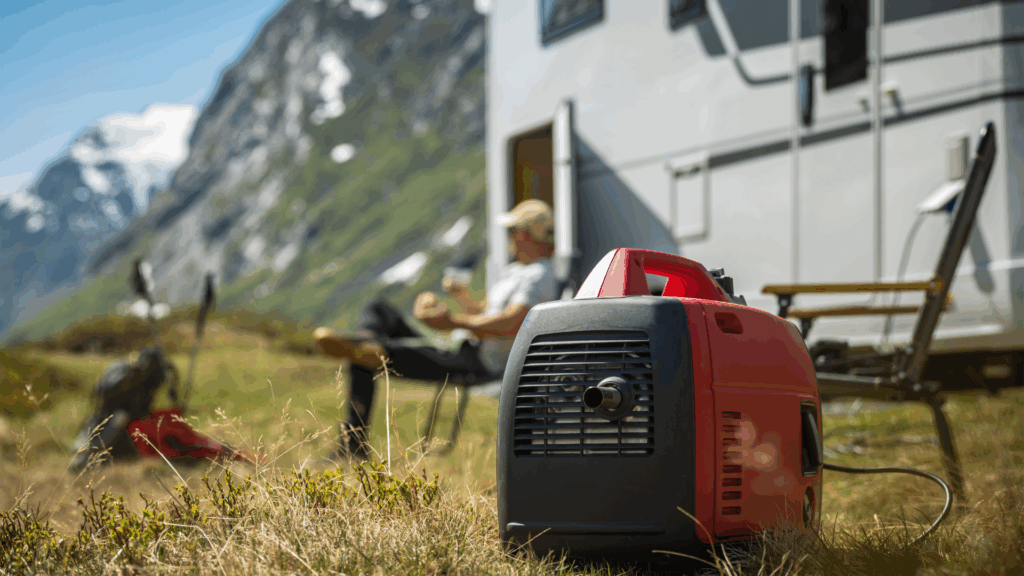
Why You Need a Generator for Camping
A generator provides a portable power source, allowing you to enjoy the comforts of electricity even when you’re miles from the nearest outlet. This can significantly enhance your camping experience.
Portable Power: More Than Just a Phone Charger
A generator does more than just recharge your phone. It can power a variety of appliances and devices to make your camping experience more enjoyable.
Think beyond the basics. You can use a generator to run:
- A coffee maker for your morning caffeine fix.
- A blender for smoothies or campsite cocktails.
- An electric griddle for pancakes or grilled cheese sandwiches.
- String lights for ambiance around your campsite.
- A hair dryer for those who want to keep up with their usual routines.
Generator for Camping: Stay Comfortable Outdoors
A generator can make your camping experience more comfortable. Power a fan to stay cool on a hot day.
Run a heater to keep warm on a chilly night. Use a generator to power lights for reading or playing games after dark.
You can even bring a small TV or sound system for entertainment.
RV Camping: Powering Your Home Away From Home
For RV camping, a generator offers even more advantages. It allows you to enjoy the freedom of boondocking.
This means camping in remote locations without relying on hookups. Even in developed campgrounds, a generator can be helpful.
Use it if the available power is limited or if you want to avoid relying on shore power. You can run your RV air conditioner, microwave, and other appliances.
Generator: Be Prepared for Emergencies
A generator can also be a lifesaver in emergencies. During power outages, storms, or natural disasters, a generator can provide power for essential needs.
This includes lights, refrigerators, and medical equipment.
Types of Generators for Camping
Portable Inverter Generator: Quiet and Efficient
Inverter generators are a popular choice for camping. They are known for their quiet operation.
This makes them ideal for campgrounds where noise is a concern. They also produce clean power.
This means they are safe for sensitive electronic devices like laptops and phones. Inverter generators are also generally more fuel-efficient than conventional generators.
This makes them a suitable choice for longer camping trips.
Portable Generator: Conventional Generators
Conventional generators are typically more affordable than inverter generators. They can produce more power.
This makes them suitable for running larger appliances or multiple devices simultaneously. However, they are generally louder and less fuel-efficient than inverters.
If you need a reliable and powerful portable option and noise is not a major concern, a conventional generator may be a suitable choice.
Portable Power Station: Compact and Convenient
Portable power stations are a relatively new option for camping. They are essentially large batteries.
You can charge these at home and use them to power devices and appliances while camping. They are quieter than conventional generators.
They offer more eco-friendly alternatives. However, they may not have the same battery power capacity as a generator.
They are a viable option for powering small electric devices and appliances. You may need a traditional generator for larger power needs.
Best Generator for Camping: Top Recommendations
Best Generator: Quiet Inverter Generators
- Honda EU2200i: The Honda EU2200i is a top choice for campers. Honda generators are known for their reliability, quiet operation, and fuel efficiency. The EU2200i is lightweight and portable. This makes it simple to transport and store. With a 2200-watt capacity, it can power most essential appliances and devices. It’s also super quiet, operating at a decibel level similar to a normal conversation.
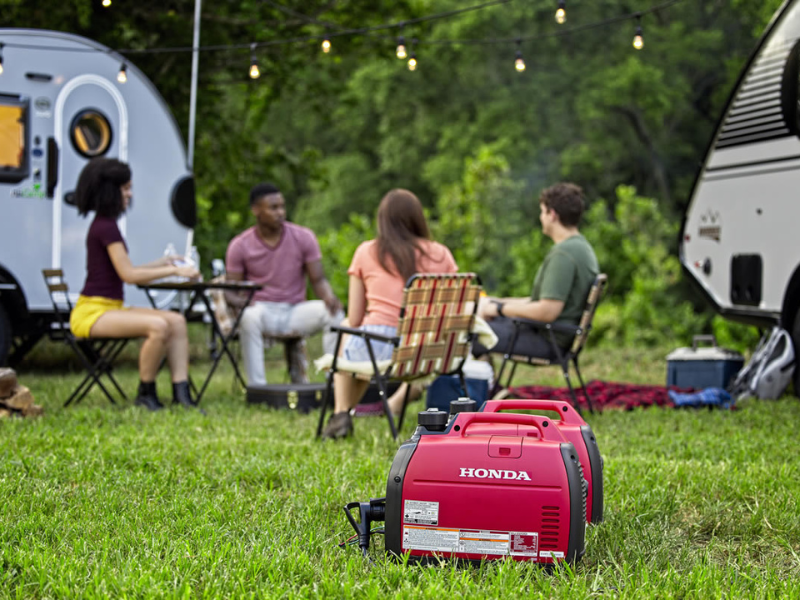
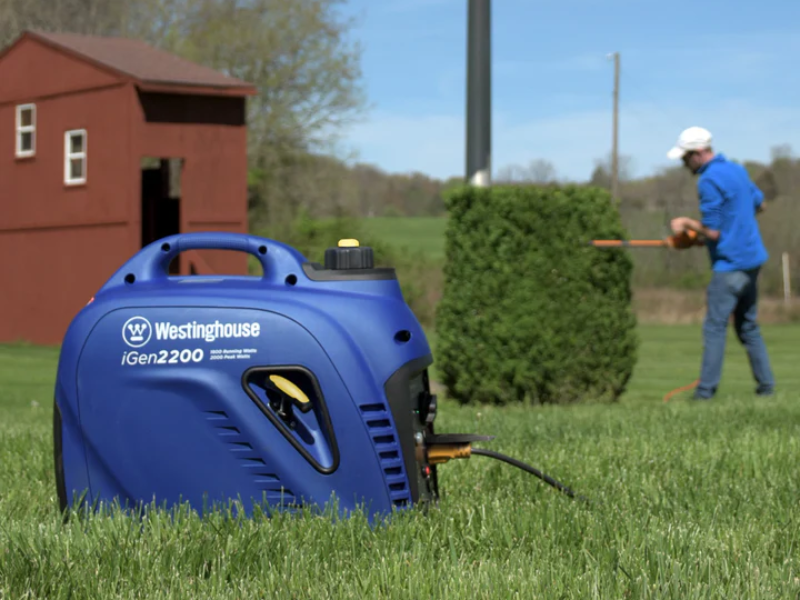
- Westinghouse iGen2200: The Westinghouse iGen2200 is another excellent inverter generator. It offers a similar performance to the Honda at a more affordable price point.
Powerful Conventional Generators
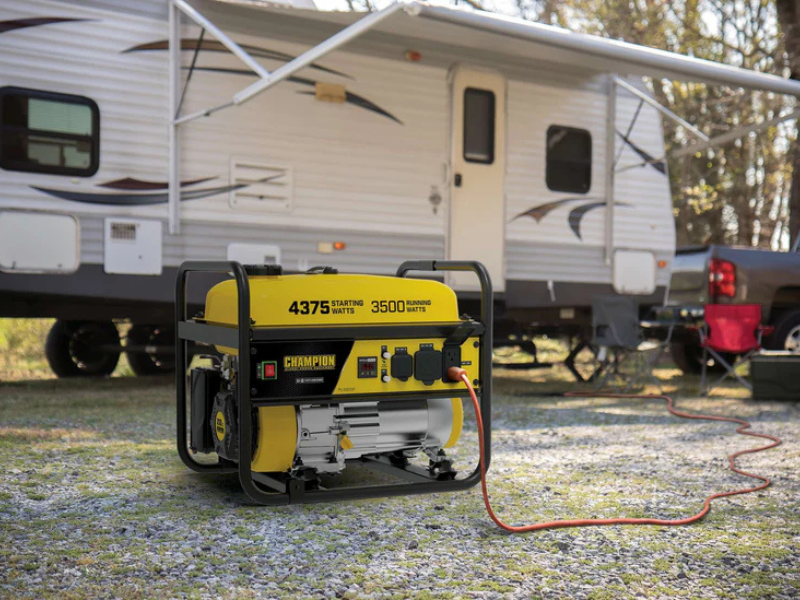
- Champion Power Equipment 3500-Watt: If you need a more powerful option, the Champion Power Equipment 3500-Watt is a suitable choice. It can run larger appliances or multiple devices. It’s a conventional generator. This means it’s not as quiet as an inverter. But it offers a lot of power for the price. This model has 3500 running watts and 3100 starting watts.
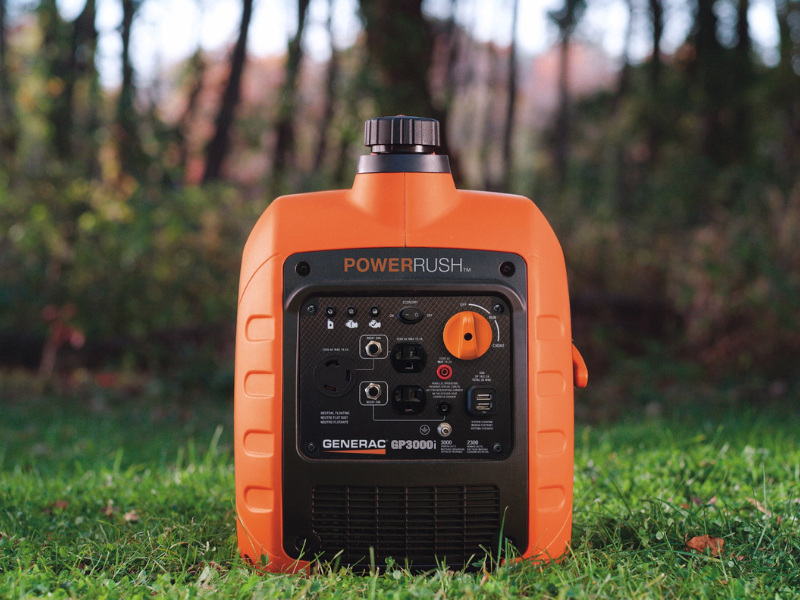
- Generac GP3000i: The Generac GP3000i is another solid choice. It offers 3000 running watts and 3000 starting watts. This makes it suitable for most camping needs. It’s also relatively compact and lightweight for a conventional generator.
Choosing the Right Generator: Key Considerations
Power Output: How Much Do You Need?
When choosing a unit, it’s crucial to understand its power output. Consider what you need to run.
Calculate the total wattage required. Look for a unit with enough wattage to handle your needs.
Include any potential peak loads. For example, if you plan to run a small refrigerator and a coffee maker simultaneously, you’ll need one with enough output to handle both appliances’ combined wattage.
Make sure the generator’s power output matches your power needs.
Fuel Type: Gas vs. Propane
These typically run on gasoline or propane. Gasoline is more readily available.
Propane can be easier to store and transport. Consider your preferences and accessibility to fuel when making your choice.
Gas generators are standard. But propane generators can be a beneficial option for campers.
Noise Level: Keep It Quiet
Noise level is an important consideration when camping. This is especially true in campgrounds with noise restrictions.
Look for quieter options with lower decibel ratings. Inverter generators are generally quieter than conventional models.
Some manufacturers even offer super quiet models designed specifically for camping. Remember to be considerate of your fellow campers. Avoid running noisy options during quiet hours.
Portability: Easy to Carry
Consider the size and weight. This is especially important if you have to carry it any distance.
Choose a model that is manageable to transport and store. Some models boast a particularly lightweight and portable design.
These are simple to carry and pack.
Runtime: How Long Will It Run?
The runtime depends on its fuel capacity and the load. Consider how long you need it to last.
Choose a model with sufficient runtime. Some have fuel tanks that can provide up to 11 hours of runtime on a single tank.
Size: Does It Fit in Your RV?
If you are RV camping, make sure to choose a size that will fit comfortably in your RV’s storage space. Measure the available space.
Choose a unit that fits without taking up too much room. Some RVs have dedicated compartments for generators.
Some RVs may require you to store your generator in a storage bay or cargo area.
Generator Safety and Etiquette
Safety
- Always operate it outdoors in a well-ventilated area.
- Never use it indoors or in enclosed spaces.
- Use a carbon monoxide detector inside your tent or RV.
- Never refuel a hot unit.
- Allow it to cool down before refueling.
- Keep children and pets away from it.
- Place the generator at least 20 feet away from your tent or RV. Point the exhaust away from your tent.
Campground Rules
- Many campgrounds have rules and etiquette guidelines regarding generator use. Always check the campground rules before setting up and operating your generator.
- Quiet hours are common in campgrounds. Generators cannot operate during these times. Respect these quiet hours to ensure a peaceful environment for all campers.
- Some campgrounds may have designated areas for generator use. If so, set up your generator in the designated area. This will minimize noise and disruptions for other campers.
- Be considerate of your fellow campers. Avoid running your generator all night or during quiet hours.
Beyond Traditional Generators: Exploring Other Power Sources
Solar: A Greener Option
Solar generators are a fantastic option for campers. They can reduce your reliance on fossil fuels.
You can use them to charge devices and appliances. This provides a clean and sustainable power supply.
They are also very quiet. They require no fuel. This makes them ideal for environmentally conscious campers.
However, they can be more expensive than traditional generators. They may not be suitable for powering larger appliances or multiple devices simultaneously.
Portable Power Station: Compact and Convenient
Portable power stations are another convenient option. They can power small devices and appliances while camping.
They are compact, lightweight, and quieter than traditional generators. They can be recharged.
Use a standard wall outlet or a solar panel. This makes them a versatile option for camping and emergency preparedness.
However, they may have a limited battery power capacity. They may not be suitable for running larger appliances or for extended periods.
Maintaining Your Camping Generator
Proper maintenance can help ensure your generator runs smoothly and reliably for many years.
Here are some essential maintenance tips:
- Check the oil level regularly: Consult your owner’s manual. Look for the recommended oil type and change interval.
- Clean the air filter: A dirty air filter can restrict airflow. This reduces the generator’s efficiency.
- Inspect the spark plug: Replace the spark plug as needed. Follow the manufacturer’s recommendations.
- Store the generator properly: Store the generator in a dry and well-ventilated area when not in use.
- Run the generator periodically: Even if you don’t use your generator frequently, it’s a beneficial idea to run it for a few minutes every month. This keeps it in excellent working condition.
By following these simple maintenance tips, you can help extend the life of your generator. You can ensure it’s ready for your adventures whenever you need it.
Conclusion
A generator can significantly enhance your camping experience. It can provide reliable power for your devices and appliances.
By considering the factors outlined in this guide, you can choose the best generator for camping and enjoy your outdoor adventures with the comforts of home!
After exploring the “Best Generators for Camping” to power your RV adventures, the next step is finding the perfect spot to park and enjoy your journey. With HookHub, you can focus on creating memorable experiences while leaving the hassle of parking behind.
Whether you’re a seasoned RVer or just starting out, HookHub ensures your adventures are as smooth and enjoyable as possible.