Turning Unused Backyard Space Into a Second Income Stream
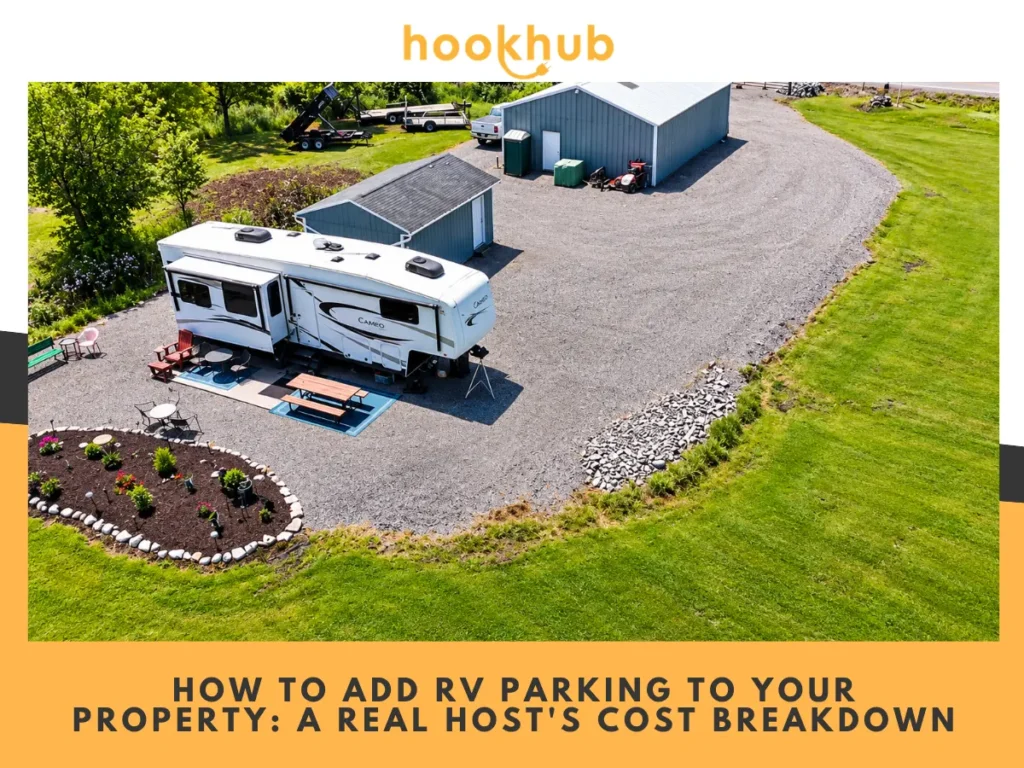
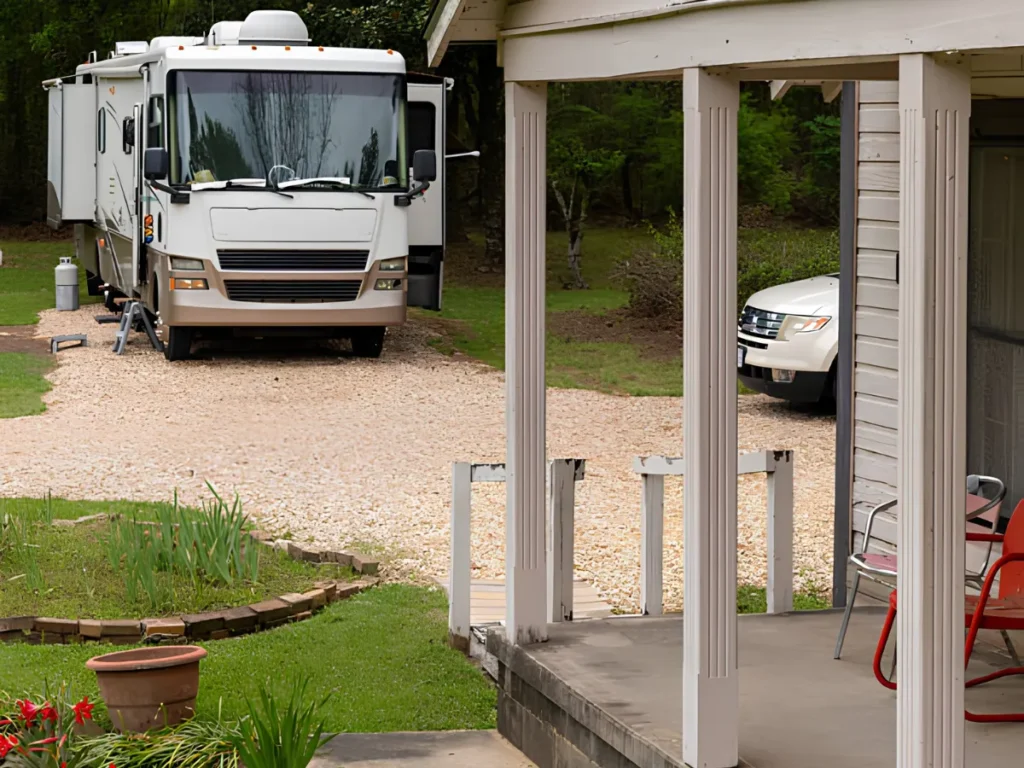
Adding RV parking to your property works best when you already have land sitting idle. That was the case for one Hookhub host in Overgard, Arizona, who ran a small cabin rental business on part of his property and had extra acreage behind it doing nothing. His setup now hosts recreational vehicles on three separate spaces, each rented out for long-term stays rather than one-night visits.
He did not want to spend money building more cabins. Renting out RV parking space, in contrast, required a small upfront investment and almost no ongoing maintenance once set up. That combination made it worth testing.
We filmed his setup from start to finish because it answers the question most new hosts ask first: what does adding RV parking to an existing property actually take?
Watch the full walkthrough here.
Step 1: Find the Land You Already Have
Before spending on infrastructure, look at what space you can realistically use.
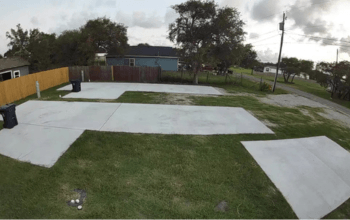
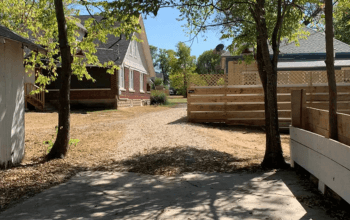
This host did not buy new land. He used a section behind his existing cabins that had gone unused for years. A property does not need to be large. It needs to be level ground, with room for RVs to pull in and turn around.
For sizing your own space, this guide on evaluating RV hosting property suitability walks through what makes a section of land usable versus what needs grading first.
Step 2: Prep for Permits and Zoning Before You Build
Zoning and permitting requirements vary significantly by county, and they should be confirmed before any ground is broken. This host checked with his city, confirmed his zoning classification allowed the use, and passed his permits before laying a single hookup.
In Navajo County, Arizona, where this property is located, permitting for multiple rental RV spaces falls under a different process than a single, personal RV placement. The county requires a Special Use Permit for any property hosting more than one RV space for rent, with a base application fee plus a per-space charge. Navajo County’s Special Use Permit packet for RV parks lays out the exact requirements, and every county will have its own version of this process.
Prep also covers laying out where each space goes and confirming setback distances from property lines, which most zoning ordinances require. This host planned three RV sites, though the property had room for more if demand justified it later. Each site needs:
- Fairly level ground (a slight dip is fine — trailers can self-level)
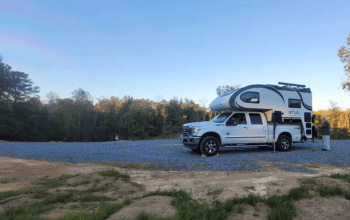
- A minimum of 30 feet of length, though longer accommodates bigger rigs
- Clear pull-in and back-out access
Step 3: Install the Hookups That Actually Matter
Setup does not require every amenity on day one. Many guests will pay for simple, unhooked-up parking. But hookups increase what a host can charge and expand the pool of interested renters.
This host installed electric, water, and sewer hookups. Here is what that actually cost:
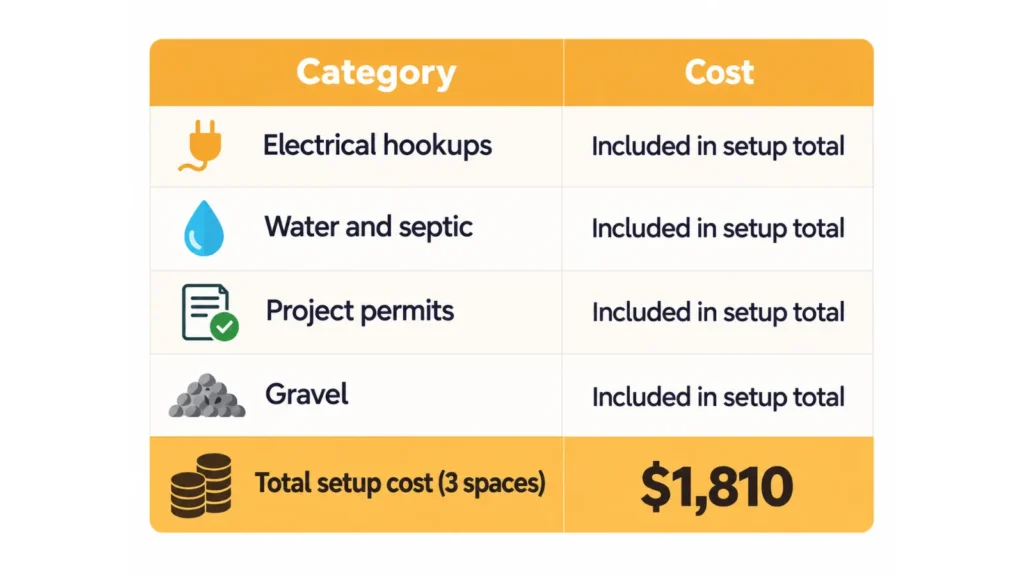
Once trenches are dug for one hookup, running the water line, electrical, and septic together in the same trench keeps labor costs down.
On electrical specifically: most RVs run fine on a basic 30 amp connection, similar to what a house might already have wired for an appliance circuit. Some larger RVs need 50 amp service, but a host can list a space as 30 amp only and still cover the majority of renters. For a full breakdown of what each utility involves, this guide on adding utilities to a small RV parking setup covers water, electric, and waste line-by-line.
Step 4: List Your Spaces and Start Earning
Once the spaces are usable, listing them is what turns the setup from an improvement project into a demand test.
Start by describing exactly what the property offers: space dimensions, access, electrical service, water and waste options, parking surface, rules, and any limitations. Accurate details help renters determine whether the property works for their RV and their stay.
Then pay attention to the inquiries that do—and do not—turn into bookings. If multiple renters ask about the same missing feature, such as 50-amp power, sewer access, stronger connectivity, or additional vehicle parking, that is useful information before you spend more money improving the site.
For this host, that feedback became important almost immediately. The first month showed that renters were willing to pay for the spaces, while a problem with the septic setup revealed how much that particular amenity mattered to some potential guests.
What the Real Numbers Looked Like
Here is where the story gets useful for anyone deciding if this is worth the effort.
In the first month, this host earned $1,754. That is a solid return against a $1,810 setup cost, meaning the investment nearly paid for itself in the first 30 days alone.
But the first month also revealed a mistake. He had planned to offer full sewage hookups, but ran into problems with the septic setup and had to remove that amenity temporarily. That cost him some bookings in the following weeks while renters who specifically needed sewage looked elsewhere.
Once the septic issue was resolved, income grew to $2,716 per month. By the second month of operation, he had already cleared $1,172 in profit, putting him solidly ahead of break-even.
Common Mistakes to Plan Around
The biggest lesson from this case: confirm every utility works before advertising it as available. Offering an amenity and then pulling it back costs more in lost trust and lost bookings than taking an extra week to test it properly before listing.
Beyond that, a few other patterns show up across hosts adding RV parking for the first time:
- Underestimating how much extra length big rigs need, and turning away renters as a result
- Skipping the permit step because a property “seems fine,” then having to redo layout after the fact
- Assuming every renter needs full hookups, when many will pay for dry camping alone
For a wider look at how landowners generate income from spare property beyond RV parking specifically, see these additional ways to make money with your land.
Frequently Asked Questions
How do I get RV parking approved on my property?
Start by checking your county or city zoning ordinance for RV placement and any special use permit required for hosting more than one rental space. Requirements differ by county, so confirm directly with your local planning department before installing hookups.
How much does it cost to install RV hookups?
Costs vary substantially depending on what infrastructure already exists, how far utilities need to be extended, trenching and soil conditions, permit requirements, and whether you hire contractors or do some of the work yourself. In this particular case, the host spent $1,810 total preparing three spaces with electric, water, septic access, permits, and gravel.
Do I need 50 amp electrical service to host RVs?
No. Most RVs run comfortably on a basic 30 amp connection. Fifty amp service matters mainly for larger rigs with higher power demands, and a host can list a 30 amp-only space and still attract the majority of renters.
How long does it take to break even on RV parking setup costs?
In this case, the host’s first month of income nearly covered his full setup cost, and he was solidly profitable by month two. Timelines will vary based on location, pricing, and how quickly spaces get booked.
Ready to Add RV Parking to Your Property?
If you have unused land, even a small section behind an existing structure, it may be enough to start. List your property on Hookhub and start with a setup that matches your budget rather than overbuilding on day one.
Sources
- RV Industry Association. “RV Industry Association Publishes 2025 Annual Report.” https://www.rvia.org/news-insights/rv-industry-association-publishes-2025-annual-report
- Navajo County, Arizona. “Special Use Permit for Manufactured Home and Recreational Vehicle Parks.” https://www.navajocountyaz.gov/DocumentCenter/View/3310/Special-Use-Permit-RVManufactured-Home-Park-Packet