A Private Host’s Land Is Not a Small RV Park
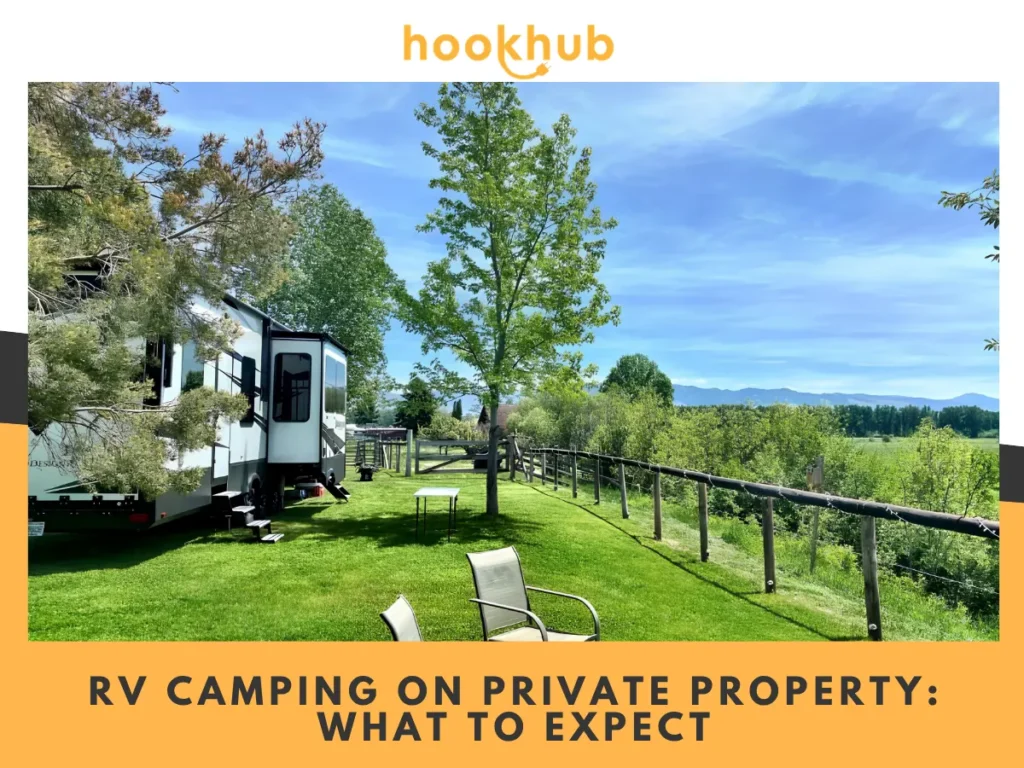
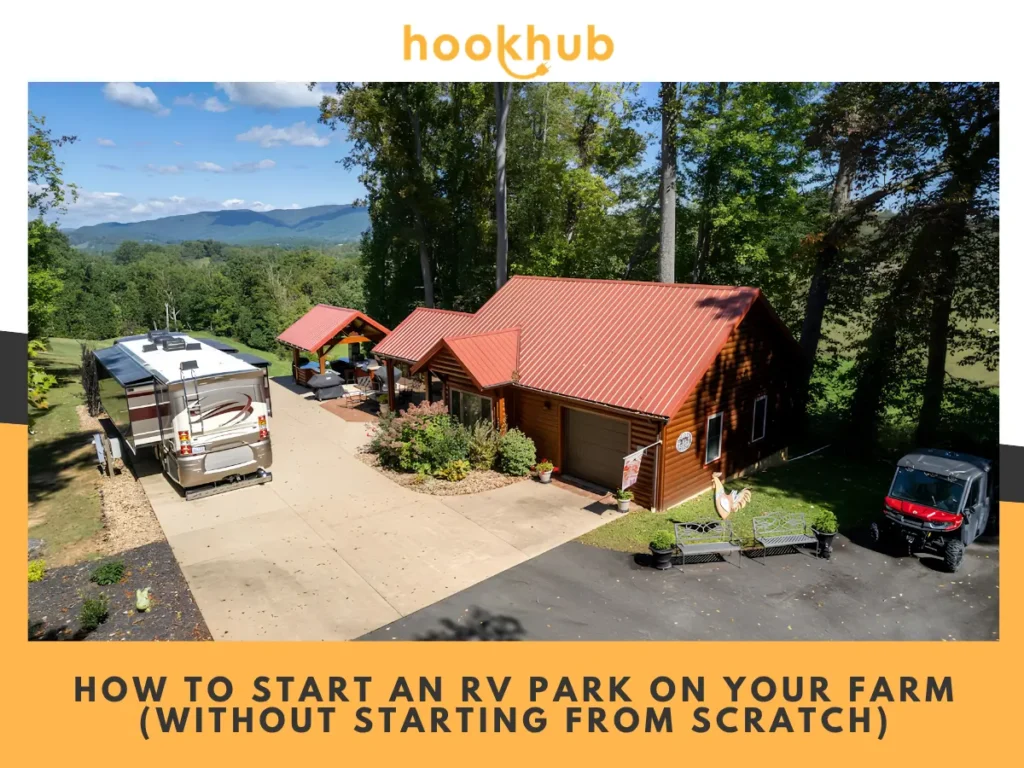
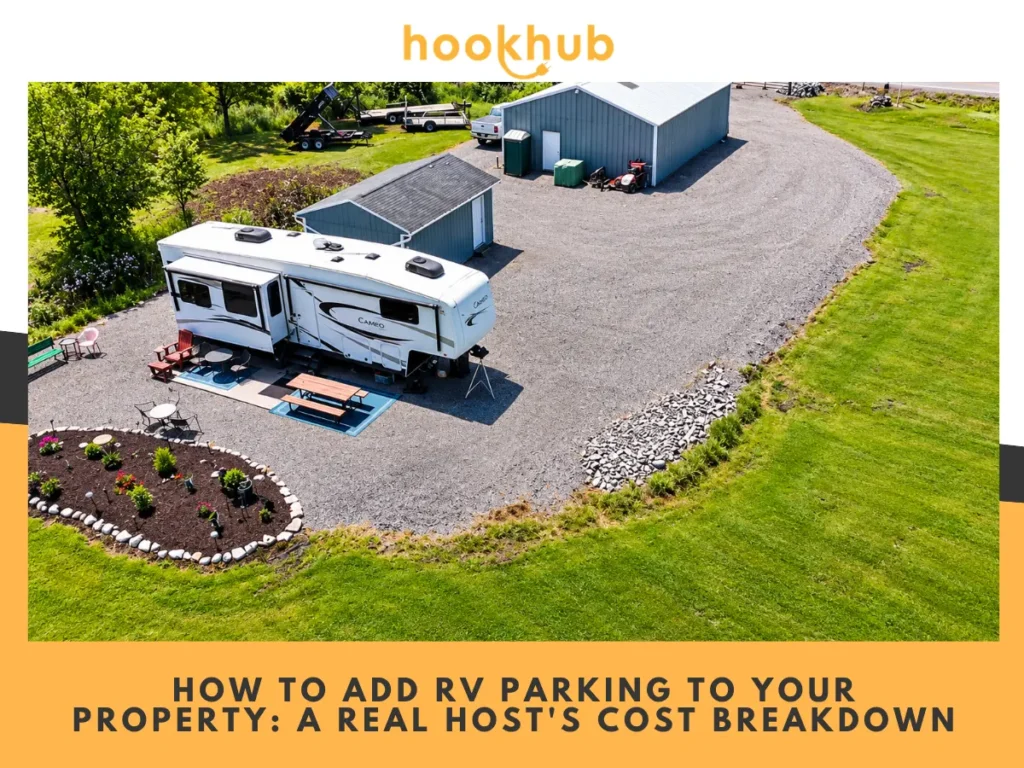
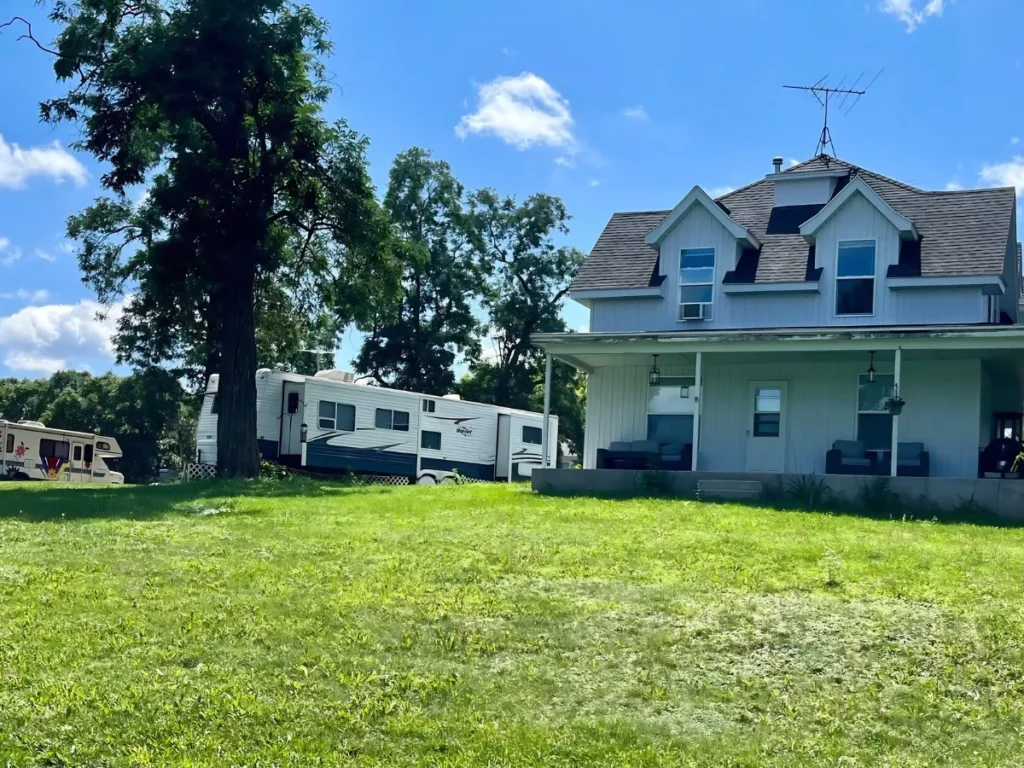
Booking RV parking on private land means staying on someone’s personal property, not a scaled-down commercial campground. The most common adjustment for first-time guests is realizing there’s no office, no camp store, and often no other campers or RVers nearby. It’s one host, their land, and your rig.
That difference shapes almost everything about the stay, from what utilities are available to who you talk to if something comes up.
Hookups Are Not Guaranteed the Way They Are at a Park
Hookup setups can vary considerably from one private property to another. Some hosts offer full hookups, while others provide only electric, water, a combination of utilities, or no hookups at all.
This isn’t so much a downside as a different starting assumption. Before booking, confirm exactly what’s available: electric only, water and electric, full hookups, or none. This breakdown of what full hookups actually means for monthly stays is a useful reference if you’re unsure what to ask for.
You’ll Be Talking to the Property Owner Directly
At a commercial park, questions go to a front desk or a booking platform’s support line. On private land, you’re typically messaging the host themselves, whether that’s about arrival timing, where exactly to park, or a question about the property.
This tends to make the experience more personal, but it also means being clear and timely in your communication matters more. A host managing their own property does not have full-time staff to handle logistics the way a larger operation might.
Expect Fewer Shared Facilities
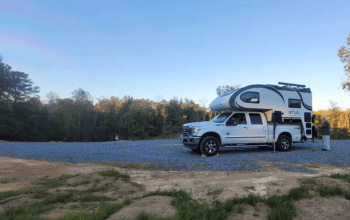
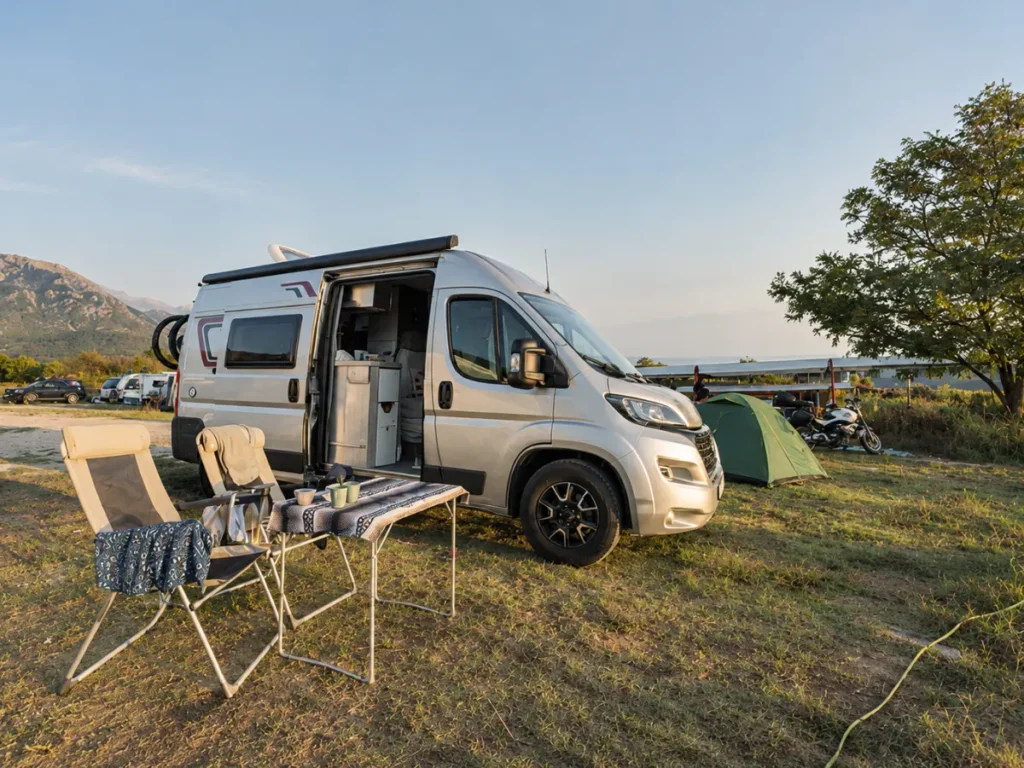
Private land hosting rarely includes the amenities associated with a resort-style RV park: pools, laundry facilities, a camp store, or organized activities. What you’re booking is space, access, and whatever specific amenities that individual host has set up.
For some travelers this is the appeal, since it usually means more privacy and a quieter setting than a crowded park. For others expecting resort-style amenities, it’s worth adjusting expectations before booking rather than after arrival.
Etiquette Matters More, Not Less
Because you’re a guest on someone’s actual property rather than a customer at a business, the basic camping etiquette carries more weight. Respecting quiet hours, keeping your campsite tidy, managing generator use responsibly, and communicating any changes to your plans go further on private land than they do at a large commercial park, where your presence is one of hundreds.
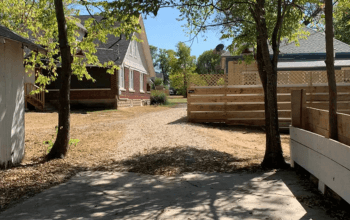
One difference that may not be obvious at first is that access to the property does not necessarily mean access to all of it. Your host may have a designated RV area while other parts of the property remain private, are used for farming or animals, or simply are not intended for guests. Ask where you can park additional vehicles, walk pets, dispose of trash, and spend time outside your site rather than assuming an open area is shared space.
HookHub’s ground rules for renters outline the baseline expectations across the platform, though individual hosts may have their own property-specific requests worth confirming ahead of time.
What a Real Private Setup Looks Like
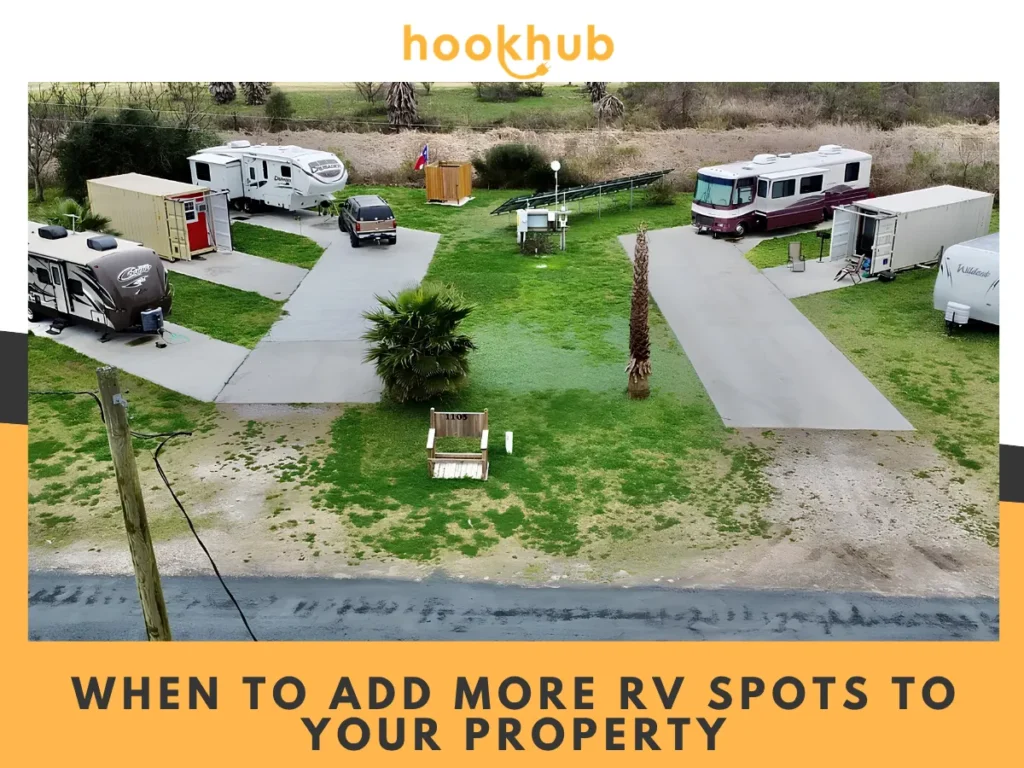
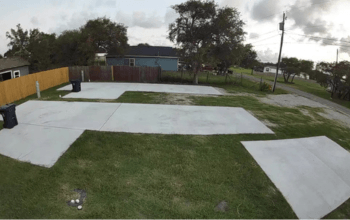
Seeing an actual private host’s property helps set realistic expectations. This walkthrough of a small RV hosting setup in Overgard, Arizona shows what a newer private listing typically looks like: a handful of spaces, straightforward hookups, and a host still building out the property over time, rather than a fully developed commercial site.
Before You Arrive: A Few Things Worth Confirming
- Exact hookup availability, including electrical service if provided
- GPS coordinates or specific directions, since the RV parking area may not be obvious from the street address and private land does not always show up cleanly on map apps
- Which entrance or driveway to use and whether there are any access limitations for larger rigs
- Where the host wants you to park and whether someone will meet you on arrival
- Arrival window and how to notify the host when you’re close
- Where additional vehicles, trailers, or tow vehicles should go
- Any property-specific rules around pets, generators, fires, trash, or areas that are off-limits
Confirming these details ahead of time avoids the most common friction points first-time private land guests run into.
Frequently Asked Questions
Is staying on private land safer than at a commercial RV park?
Booking through a platform with host verification and guest reviews, rather than an informal arrangement, is the main factor in a safe private land stay. Reading recent reviews and confirming details with the host beforehand are reasonable steps regardless of platform.
Do private hosts always offer full hookups?
No. Hookup availability varies significantly by host and by the property’s level of development. Some private listings offer full hookups, others offer partial hookups or none at all. Always confirm before booking rather than assuming.
What if I can’t find the exact location using GPS?
This is common on private land, since addresses don’t always map precisely to rural properties. Confirming exact directions or coordinates with the host ahead of arrival avoids this issue.
Is a private host’s property quieter than an RV park?
It can be. Private properties often host fewer RVs than large commercial parks, which can mean less campground traffic and more space between guests. The actual experience depends on the property and its surroundings, so check the listing and reviews if a quiet setting is important to you.
Ready to Book Your First Private Land Stay?
If you’re weighing a private host’s land against a traditional RV park, browse available spaces on HookHub and read through listing details and host communication before you commit.