This Is Not the Same as Starting an RV Park From Scratch
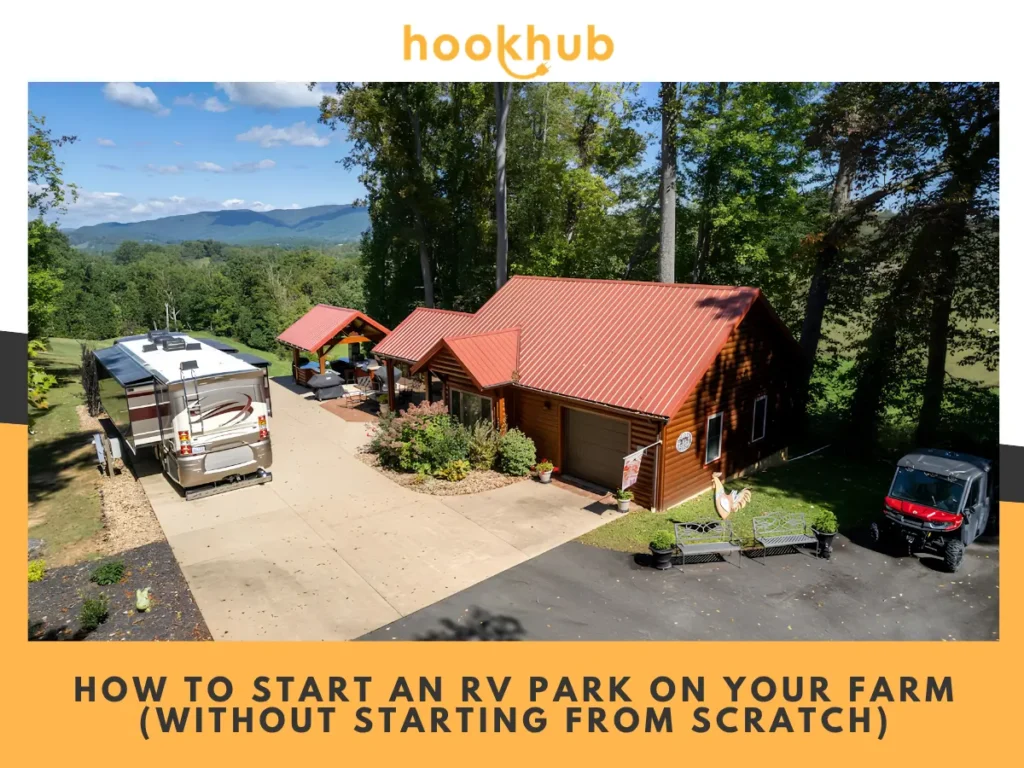
Adding RV parking to an existing farm, cabin rental, or event venue business is a different project than building a standalone RV park. Most guides on starting an RV park assume you are beginning with raw land, no existing customers, and no infrastructure. That is a much bigger undertaking, closer to launching a new hospitality business from scratch.
If you already operate a farm stay, run cabins, or host weddings and events, you are starting from a very different position. You likely already have:
- Water, electric, or septic infrastructure somewhere on the property
- An existing customer base and marketing presence
- Zoning and business registration already in place for commercial or agritourism use
- On-site presence for check-ins, since you are already managing guests
This guide covers how to use that head start, rather than repeating a full RV park business plan that assumes you have none of it.
Why This Fits Farm, Cabin, and Venue Owners Particularly Well
Agritourism and hospitality-adjacent land uses are already proven in demand. According to the 2022 Census of Agriculture, over 28,600 U.S. farms reported income from agritourism and recreational services, combining for more than a billion dollars in revenue. RV parking is one of the simplest additions within that category because it requires no new building, no staff, and minimal ongoing management once set up.
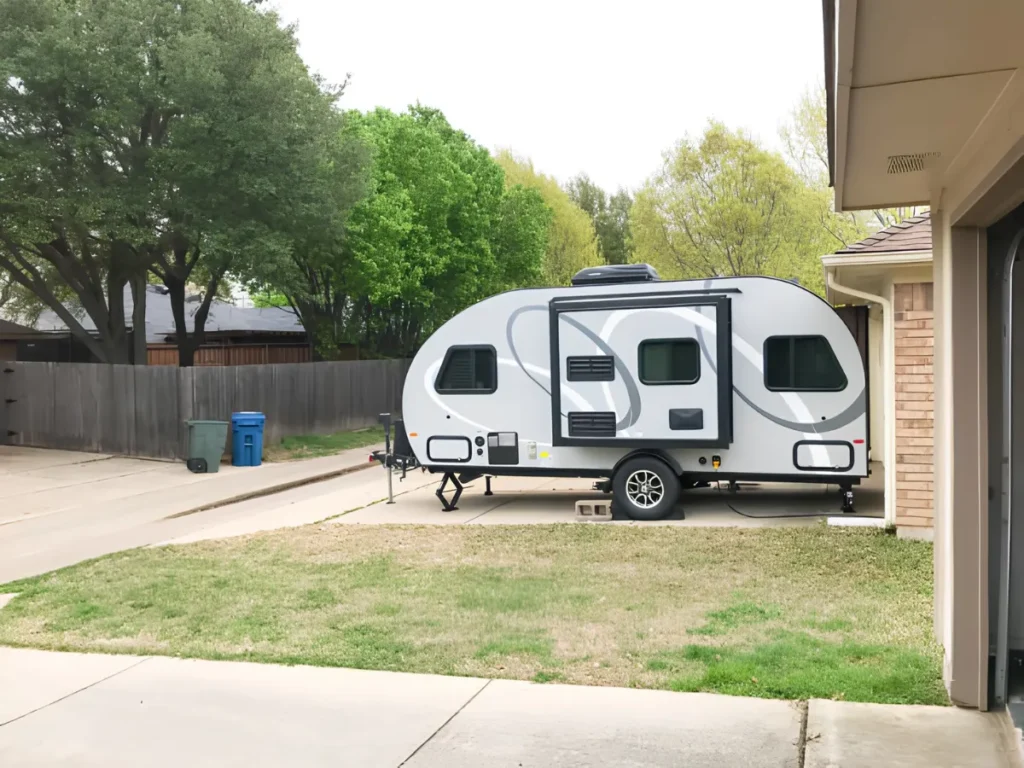
For a farm stay, RV spaces extend your existing guest base to travellers who bring their own accommodation. For a cabin rental business, RV parking fills the gap for guests who want a lower-cost option than a full cabin, or for overflow when cabins are booked. For an event venue, RV spaces can serve wedding parties or vendors who want to stay on-site rather than commute.
Step 1: Identify Space You Are Not Currently Using
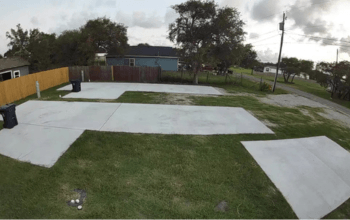
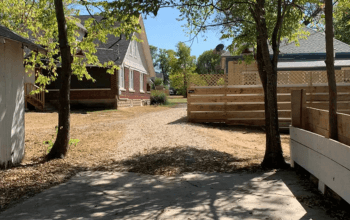
Look at land adjacent to your existing operation rather than a separate parcel. A section behind cabins, along the edge of an event field, or bordering existing farm buildings often works, since it is already accessible by the same driveway and roads guests use to reach you. Confirm the ground is level and check occupancy limits your zoning permit already allows before counting on a specific number of spaces.
To evaluate whether a specific section of land is workable, this property suitability guide walks through what makes ground suitable for RV parking versus what needs grading first.
Step 2: Confirm Zoning for the Addition, Not a New Business
Adding RV parking to a property already zoned and permitted for commercial or agritourism use is often a simpler zoning question than starting a new RV park on undeveloped land. Many jurisdictions treat additional guest accommodations on an already operating property differently from a first-time commercial use application. That said, requirements vary significantly by county and by how many RV spaces you plan to add, so confirm directly with your local planning department before installing anything.
When contacting your local planning department, have your existing business license and current zoning information available. Explain what the property is already used for and what you want to add, including the number of RV spaces, whether stays will be short- or long-term, and what utilities you plan to provide. This gives the planning department the context they need to determine whether your existing approvals cover the addition or whether you will need additional permits or approvals.
Step 3: Tap Into Infrastructure You Already Have
Existing infrastructure can give an established hospitality property a useful head start—but first confirm that it can support additional RV spaces. A farm, cabin property, or event venue may already have a well, septic system, electrical service, roads, or other infrastructure near the proposed sites. Before assuming you can simply extend it, check available electrical capacity, water supply, septic capacity, distance to the sites, and any permitting requirements.
If the existing systems can handle the additional use, extending them may be simpler, and cheaper, than developing utilities on an entirely undeveloped property. If they cannot, starting with fewer hookups or simpler sites may make more sense while you test demand.
For a full breakdown of what water, electric, and waste hookups involve, this guide on adding utilities for a small RV parking setup covers each one individually, including what a basic setup requires versus a full-hookup site.
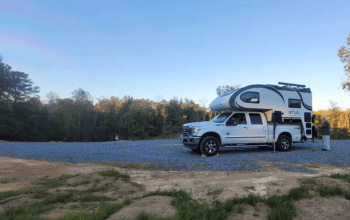
Not every space needs full hookups on day one. Many RV travellers, especially those already drawn to a farm stay or rural venue, are comfortable with a level pad and no hookups at all, particularly for shorter stays. Amenities like a fire pit or picnic table can come later, once demand justifies the added upkeep.
Step 4: List Spaces Alongside Your Existing Business
Once spaces are ready, list them as an addition to your current offering rather than a separate business. Guests already searching for your farm stay, cabins, or venue are a built-in audience for RV parking, and cross-promoting the option through your existing booking channels costs nothing extra.
For a broader look at income options beyond RV parking that fit spare land on an existing property, see these additional ways to make money with your land.
A Real Example: Starting Small Before Scaling
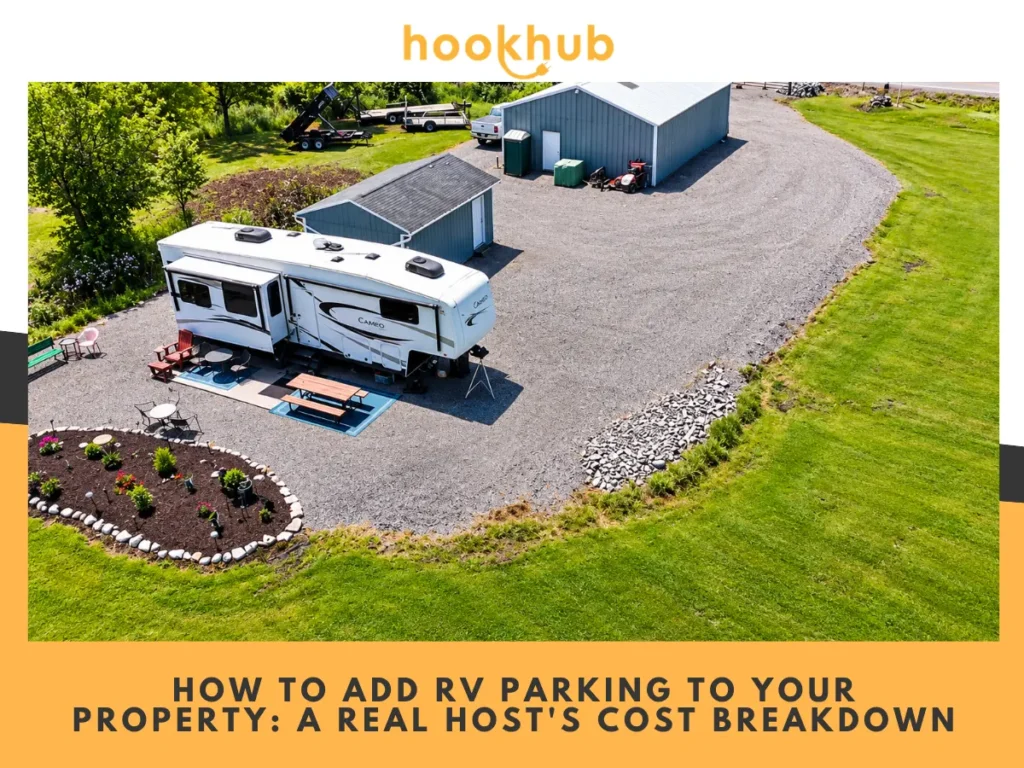
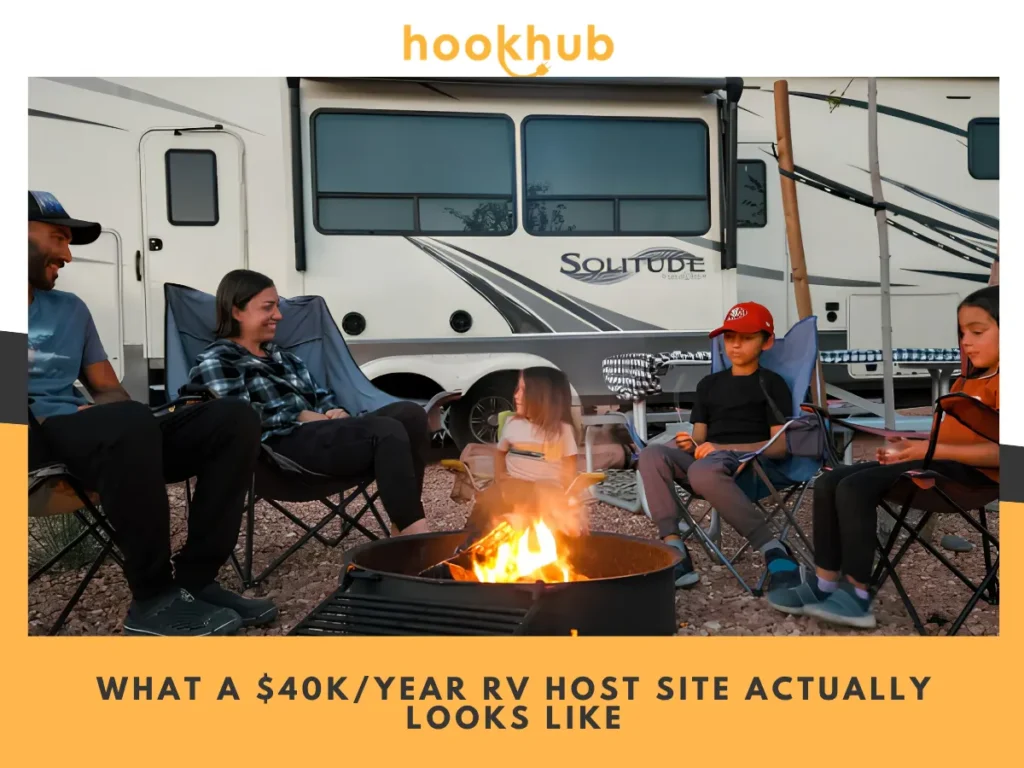
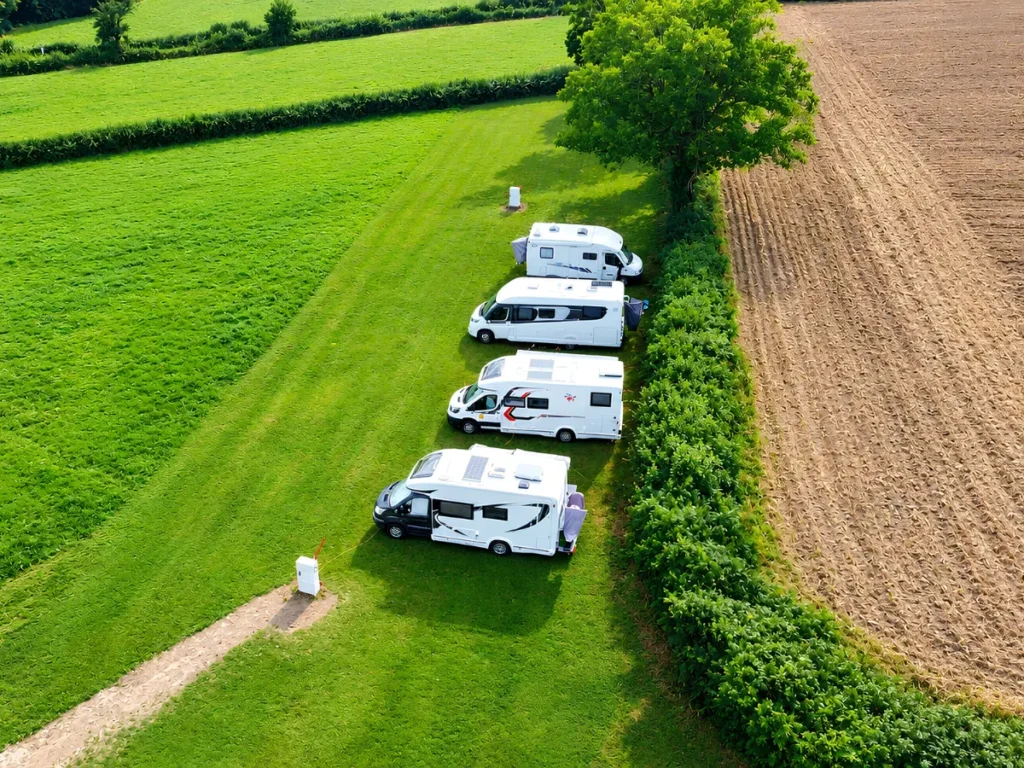
One Hookhub host in Overgard, Arizona, took this approach starting from a small cabin rental business. Rather than building more cabins, he added three RV spaces on unused acreage behind the property using existing access roads. The full cost breakdown and figures for that setup are covered here, including utility costs and how quickly the investment paid off. You can watch how that build actually came together here.
The pattern generally holds for farm, cabin, and venue owners: start with a handful of spaces tied to existing guest flow, confirm demand, then expand only once bookings justify it.
How Many Spaces to Start With
Start with the smallest number of spaces that makes sense for your property and existing operation. The right number depends on usable land, access, utility capacity, local requirements, and how much additional guest management you can comfortably absorb.
The goal of the first spaces is not to maximize capacity. It is to learn whether RV travelers actually want to stay at your property, which types of guests you attract, how long they stay, and which amenities affect their booking decisions.
If those spaces consistently book, you have much better information for deciding whether another site, additional hookups, or a larger RV parking area is worth the investment.
Frequently Asked Questions
Is it profitable to add RV parking to an existing farm or hospitality business?
It can be, particularly because the setup cost is lower than starting an RV park from scratch. Since infrastructure, land access, and marketing are already in place, the primary new cost is extending utilities to a few spaces, which is significantly less than the cost of developing raw land.
How many acres do I need to add a few RV spaces?
A few RV spaces do not require significant acreage. A small, level section large enough for two to four RVs, with clear access, is enough to start, whether that comes from a fraction of an acre or more, depending on spacing and turning room.
Do I need a separate business license to add RV parking to my farm or venue?
Requirements vary by jurisdiction. Since the property is often already licensed for commercial or agritourism use, adding RV parking is frequently treated as an addition to that existing use rather than a new business category; however, this should be confirmed directly with local zoning and licensing officials.
Can I add RV parking without full hookups?
Yes. Many hosts start with level, accessible parking spaces and no hookups, then add electric, water, or septic later based on demand.
Ready to Add RV Parking to Your Property?
If you already have a farm stay, cabin rental, or event venue, you have most of what an RV parking addition needs already in place. List your property on Hookhub and start with a setup sized to your existing guest flow.
Sources
- USDA National Agricultural Statistics Service. “2022 Census of Agriculture – State Data, United States.” https://www.nass.usda.gov/Publications/AgCensus/2022/Full_Report/Volume_1%2C_Chapter_2_US_State_Level/st99_2_006_006.pdf
- RV Industry Association. “RV Industry Association Publishes 2025 Annual Report.” https://www.rvia.org/news-insights/rv-industry-association-publishes-2025-annual-report