


Key takeaways
- The Dyrt has the most developed pet-friendly filter set of any campground discovery platform, with community-submitted notes documenting actual pet experiences at specific sites
- Campendium surfaces review-level pet policy detail — breed restriction lists, whether policies were enforced, and what the real on-the-ground experience was for travelers with larger or restricted breeds
- Harvest Hosts connects self-contained RVers with private rural properties, including wineries, farms, and breweries, where outdoor space is available, and pet policies are typically more relaxed than commercial parks
- AllStays Camp & RV maps pet-friendly campgrounds, RV parks, and overnight stops on one filterable map with a dedicated pet filter that narrows options to properties that explicitly allow animals
- Campspot processes reservations at commercial parks with pet policy details visible during the booking flow at Campspot-powered properties, reducing arrival surprises for travelers with dogs
- Hookhub is the best marketplace for pet-friendly private land stays — individual hosts set their own pet policies, most private land listings have no breed restrictions, and you can confirm exactly what is allowed with the host before booking
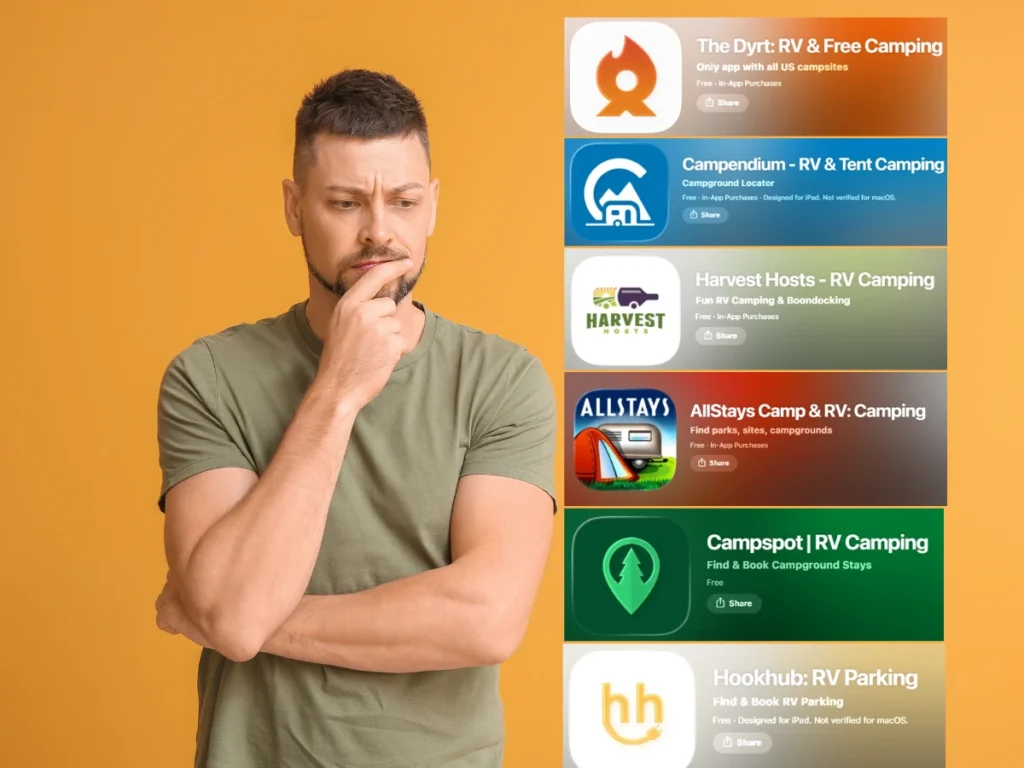
How They Compare for Pet-Friendly Stays
| Feature | The Dyrt | Campendium | Harvest Hosts | AllStays | Campspot | Hookhub |
|---|---|---|---|---|---|---|
| No breed restrictions are typical | Varies by campground | Varies — documented in reviews | Generally yes | Varies | Varies | Yes — private land |
| Pre-booking host communication | No | No | Via membership network | No | No | Yes — direct message |
| Pet filter in search | Yes — strong filter | Yes | Not applicable | Yes | Yes at powered parks | Yes |
| Real policy detail from reviewers | Yes | Yes — strongest | Limited | No | Limited | No |
| Outdoor space for dogs | Varies | Documented in reviews | Yes — rural properties | N/A | Varies | Yes — private land |
| Dog park availability notes | Yes | Yes | Rarely applicable | No | Some parks | No |
| Weight restriction risk | Varies | Documented in reviews | Very low | Varies | Varies by park | Very low |
| Membership required | No/Pro | No | Yes — annual fee | No/Pro | No | No |
| US and Canada | US | US | US and Canada | US and Canada | US and Canada | US only |
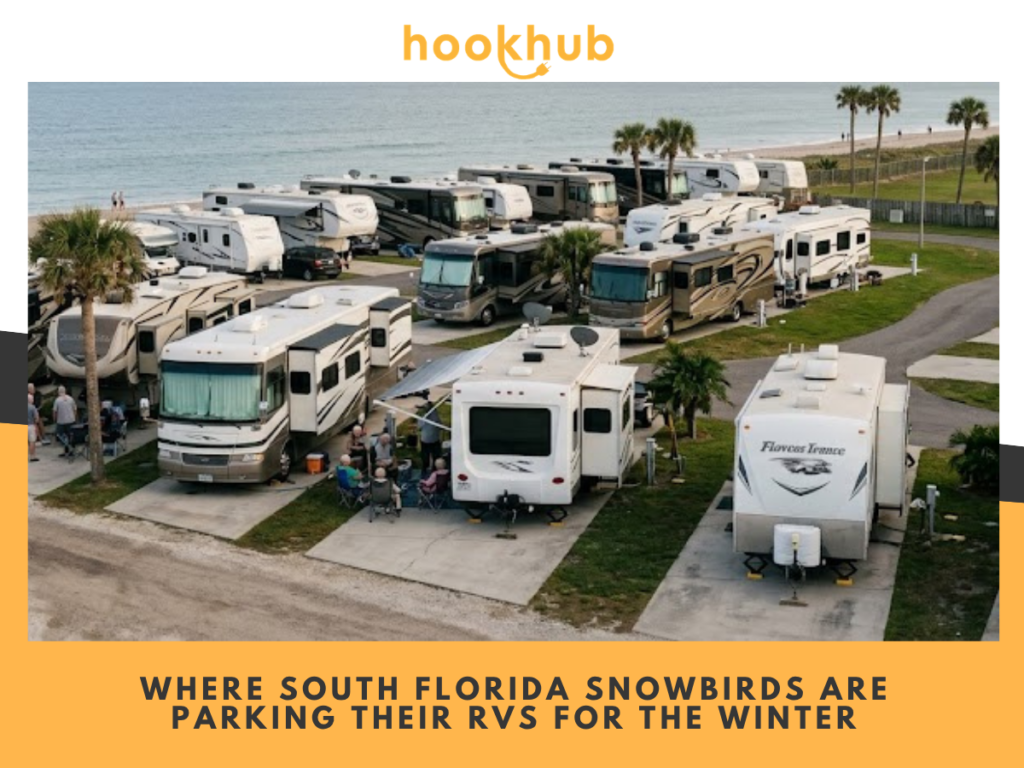
Traveling with a dog is no longer the exception in RV culture — it is the rule. According to the RVIA’s winter travel survey, 67% of RVers plan to bring their pets on winter RV trips, making RV travel the most pet-friendly mode of travel in any category. KOA’s research tracked the same shift over time: 64% of American campers now travel with dogs, up from under 40% when the annual surveys began in 2012.
The challenge is not finding campgrounds that technically allow pets. Most commercial parks do. The challenge is finding the right information before you arrive — because the gap between “pets allowed” in a listing description and what that actually means on check-in day is wide enough to derail a trip. Breed restrictions, weight limits, per-pet nightly fees, leash-only policies, pet count caps, and cabin exclusions vary by property, and most booking platforms were not built to surface those details in search results.
The platforms below are evaluated specifically on how well they help a traveler with a dog — or two dogs, or a large breed, or a restricted breed — find and confirm a workable stay before leaving home.
Why Pet Policy Transparency Matters More Than “Pet-Friendly” Labels
A label reading “pet-friendly” in a listing covers an enormous range of actual policies. Some commercial campgrounds allow pets of any size with no restrictions and no fee. Others restrict breeds — typically Pit Bulls, Rottweilers, Doberman Pinschers, German Shepherds, and Chow Chows appear most frequently on restriction lists — regardless of the individual animal’s temperament. Weight limits of 20, 40, or 60 pounds are common at resort-style parks. Per-night nightly fees of $3–$10 add up across a multi-week stay. The limit of two pets per site excludes multi-dog households entirely.
According to Modern Campground’s coverage of pet travel data from The Dyrt, RVers are 20.8% more likely to bring pets than other campers. That means the RV audience carries a disproportionately high expectation that the campground will accommodate their animal — and a disproportionate frustration when policies discovered at check-in contradict what the listing implied.
The best marketplace for pet-friendly parks is not the one with the most properties labeled pet-friendly. It is the one that tells you exactly what “pet-friendly” means at a specific property before you make the booking.
1. The Dyrt — Best for Filtering and Comparing Pet-Friendly Campgrounds
The Dyrt is a campground discovery and review platform with the most developed pet-specific filter architecture on this list. The pet-friendly filter narrows the search to campgrounds that explicitly allow animals, and community-submitted reviews frequently include notes about the actual on-the-ground pet experience — whether the campground has a dog park, whether the trails nearby allow dogs, whether breed restrictions were actively enforced or rarely checked, and what the leash culture at the specific property was like during the reviewer’s stay.
That community layer matters for travelers with dogs because official pet policies often do not clearly communicate what the experience will actually be like. A campground that lists “pets allowed on leash” may have immaculate walking trails and a Kamp K9 off-leash area. It may also be a tight gravel lot with nowhere comfortable for a dog to exercise. The Dyrt’s reviews from other pet-owning campers fill the gap between the policy and the reality.
The Dyrt’s cell signal ratings are a secondary but useful feature for pet owners traveling with dogs who occasionally need to leave their animals unattended — knowing that Verizon service is strong enough to monitor a pet camera on a trail is practical information the platform provides.
The Dyrt does not process direct bookings for most listings. It is the research and filter layer; the actual reservation goes through the campground’s own system or another booking platform.
Best for: Researching and comparing pet-friendly campgrounds before booking, reading community reviews from other dog owners, filtering by dog park availability, and trail access
Cost: Free basic version; Dyrt Pro by paid subscription
2. Campendium — Best for Real Breed Restriction and Policy Documentation
Campendium is a campground review database where community submissions regularly document the specific pet policy details that official listings leave out. Reviews from RVers traveling with dogs frequently include the exact breed restrictions enforced at a specific campground, whether weight limits were enforced at check-in, the per-pet fee, and whether the “pets allowed” listing accurately reflected what they encountered on arrival.
For travelers with restricted breeds, this review intelligence is the most practically valuable information available on any platform. A campground that lists “pets welcome” but enforces a breed restriction list at check-in does not change its official description after a reviewer is turned away. Campendium’s review layer catches that gap for future travelers before they make the same trip.
Campendium is also the best platform for understanding the broader environment around a specific campground for dogs — whether the adjacent national forest trails allow pets, whether the campground is near roads that make off-leash areas unsafe, and whether the overall atmosphere skews toward families with dogs or enforces strict leash policies in a way that frustrates active dogs.
Campendium does not process reservations. It is a research tool used before booking elsewhere.
Best for: Verifying real breed restriction policies from other travelers’ experiences, reading pet-specific review notes before committing to a booking, and identifying pet-friendly campground environments beyond the official policy description
Cost: Free
3. Harvest Hosts — Best for Pet-Friendly Rural Private Property Stays
Harvest Hosts is a membership-based network connecting self-contained RVers with local businesses — wineries, breweries, farms, vineyards, and small rural operations — that host one- or two-night dry camping stops on their property. For pet owners, Harvest Hosts properties offer a category of stay that commercial campgrounds cannot match: private rural land with outdoor space, generally no formal breed-restriction policies, and a setting where a dog roaming near the RV is part of the environment rather than an infraction of leash rules.
Farm and winery properties on the Harvest Hosts network are operated by individual small business owners, not commercial campground chains. The policies reflect the character of each specific host rather than a corporate risk management framework. A working vineyard in Oregon or a small organic farm in Vermont is not going to maintain a Rottweiler restriction list. The trade-off is that Harvest Hosts limits you to one or two nights, requires a self-contained RV with no hookups, and expects a patronage relationship with the host business — buying a bottle of wine, a tasting flight, or fresh produce.
Specifically, the pet-friendly angle, the key advantage of Harvest Hosts relative to commercial parks is the land character and the individual host relationship. The key limitation is the single- or two-night maximum stay and the membership fee requirement — currently around $99 per year for the base plan.
Best for: Pet-friendly overnight stops at rural wineries, farms, and small businesses; travelers with dogs who want outdoor space and relaxed pet environments on a longer trip through agricultural regions
Coverage: US and Canada
Cost: Annual membership fee required, stays are free with expected patronage of the host business
4. AllStays Camp & RV — Best for Mapping Pet-Friendly Stops Along a Route
AllStays Camp & RV is a mapping app that aggregates campgrounds, rest areas, truck stops, and overnight stops along a driving route with a dedicated pet-friendly filter. For a traveler planning a multi-state RV trip with a dog, AllStays surfaces every pet-friendly stop type on one map — commercial campgrounds, state parks, rest areas, and chain-store overnight stops — filtered to locations that explicitly allow animals.
The route-planning use case is where AllStays earns its place in the pet-friendly toolkit. A dog owner heading from Texas to Arizona needs to see which stops along I-10 accommodate pets before departure, not after pulling off the highway at 7 pm. AllStays filters that information by hookup type, campground category, and pet policy across the entire route in one view, eliminating the need to search each exit individually.
AllStays does not process reservations and does not provide the review-level detail that Campendium and The Dyrt surface about real on-the-ground pet experiences. Its value lies in the map filter for route planning, not in policy verification.
Best for: Pre-trip route planning to identify pet-friendly stops across a long drive, multi-category filtering, including commercial parks, rest areas, and overnight stops that allow pets.
Cost: Free base version; AllStays Pro is a one-time upgrade for offline maps
5. Campspot — Best for Pet Policy Visibility at Commercial Campground Bookings
Campspot is campground reservation software powering nearly 3,000 commercial parks across the US and Canada. For pet owners booking commercial campgrounds, Campspot-powered parks surface pet policy details during the booking flow — including whether pets are allowed, pet fees, and sometimes breed restrictions — before the reservation is confirmed.
That policy visibility during checkout is the specific value Campspot delivers for pet travelers at commercial parks. Rather than encountering a $5-per-pet nightly surcharge or a breed restriction at check-in, travelers using a Campspot-powered booking flow can review the park’s stated pet policy before submitting payment.
The limitation is consistency. Pet policy details in Campspot’s booking flow reflect what each individual park operator has entered into their system. Some parks provide detailed pet policy notes. Others list only a checkbox indicating pets are allowed without elaborating on breed or weight restrictions. For verified policy details on specific breed restrictions, Campendium’s review layer remains the more reliable source.
Best for: Booking commercial campgrounds with pet policy visibility before checkout, identifying pet fees at parks along a planned route, and confirmation of pet allowance before a nightly rate is committed
Cost: No cost to traveler — park-set nightly rates
6. Hookhub — Best for Pet-Friendly Private Land With No Breed Restrictions
Hookhub produced this guide. Hookhub is a private land marketplace where landowners — ranchers, farmers, and rural property owners — list available space for RV parking, extended stays, and storage. For pet owners, the structural advantage is that private land hosts set their own pet policies directly, and the nature of private rural land tends to produce policies that are meaningfully more permissive than those at commercial campground chains.
Most private landowners on Hookhub do not maintain the breed restriction lists that commercial parks adopt as policy. The conversation happens directly with the host — you can message before booking to confirm that your specific animal is welcome, ask about the property’s fencing, and establish any expectations regarding leash requirements on the land. That pre-booking host conversation is something no commercial booking platform offers, and for travelers with a large breed or a dog that does not fit the standard commercial pet mold, it is the difference between a confirmed welcome and showing up to discover a restriction that was never listed.
Private land parking through Hookhub also provides the outdoor space that matters most for RV travelers with active dogs. A working ranch in Arizona, a rural homestead in Texas, or a farm property in Tennessee gives a dog room to move in a way that a tight commercial campground row cannot. The experience of staying on private acreage is structurally different for a dog owner than it is at a standard RV park site.
Search pet-friendly private RV parking near you to see current host availability across Hookhub’s network.
Best for: Travelers with large breeds, multiple dogs, or restricted breeds; pet owners who want to confirm policies directly with a host; private outdoor space for active dogs
Coverage: United States
Cost: No membership fee, host-set nightly and monthly rates
FAQ
Do RV parks have breed restrictions, and how do I find out before I arrive?
Many commercial RV parks and resort-style campgrounds do enforce breed restrictions, typically excluding Pit Bulls, Rottweilers, Doberman Pinschers, German Shepherds, and Chow Chows. The restrictions are usually tied to the park’s insurance policy rather than individual staff preference, meaning they are enforced at check-in even when the listing does not prominently disclose them. The most reliable ways to verify breed policy before arrival are: reading reviews on Campendium or The Dyrt from other travelers who have stayed with dogs, calling the specific campground directly, or booking through a platform that surfaces policy notes during checkout. Private land hosts on Hookhub do not typically enforce commercial-breed restriction lists, and the direct messaging layer lets you confirm your specific animal’s welcome before committing to a booking.
Can I travel with multiple dogs in an RV?
Yes, but many commercial campgrounds cap pets at two per site. Some enforce this strictly, particularly at resort-style parks during peak season when neighboring sites are in close proximity. Travelers with three or more dogs will have better luck on private land through ways to find RV parking that include host-to-renter direct communication, where the host can confirm capacity for your specific situation. Private land stays through Hookhub do not enforce a universal pet count limit — the host’s property and preferences govern what is appropriate, and that conversation happens before booking.
Are there pet-friendly RV parks with no weight or breed restrictions?
Yes. Private land listings on Hookhub are among the most consistently unrestricted options because individual rural landowners do not maintain the corporate-breed restriction lists that commercial parks maintain for liability reasons. Many independent campgrounds and some rural commercial parks also operate without weight or breed restrictions — Campendium reviews are the most efficient way to identify these properties, because travelers who stayed there with large or restricted breeds will often note the policy explicitly in their reviews.
Pet-friendly RV travel is not a niche — it is the norm. The right marketplace is the one that tells you what “pet-friendly” actually means at a specific property before you load your dog into the RV and drive three states to find out.
Find confirmed pet-friendly private RV parking near you and see what hosts are available on your route.