There’s a moment most people imagine before they begin RV living full-time: laptop open beside a mountain view, coffee nearby, inbox under control, complete freedom to work from anywhere while traveling the country.
That version of the lifestyle exists. What people usually do not picture are the frustrating weeks beforehand, testing hotspot coverage in unfamiliar towns, realizing the dinette is terrible as office space, trying to take meetings while campground traffic rolls past the windows, or discovering that not every campsite is designed for people actually working remotely.
Traveling in an RV while holding down a remote job can absolutely become sustainable long-term. Thousands of RVers already do it successfully. But the people who make it work consistently are usually the ones who handled the infrastructure first. They built reliable internet systems, created functional workspaces, slowed down their travel plans, and stopped treating every week like a nonstop road trip.
The reality of working remotely from your RV is less about constantly moving and more about learning how to build stability inside motion. Once those systems are in place, the lifestyle becomes far more sustainable, productive, and enjoyable.
Key Takeaways
- Reliable internet in your RV matters more than almost any cosmetic upgrade.
- A designated workspace dramatically improves long-term productivity and work life balance.
- Slower travel usually creates a better balance between work and exploration.
- Redundancy is key for both internet connectivity and power management.
- Long-term parking often works better for remote work on the road than constantly changing campgrounds.
Treat Reliable Internet Like Essential Infrastructure
The entire experience of working remotely in an RV depends on connectivity. Without reliable internet, even simple tasks start becoming stressful. Video calls freeze, uploads fail halfway through, and deadlines suddenly revolve around finding signal instead of finishing actual work.
Most people new to RV life underestimate how important internet infrastructure becomes once your income depends on it. A single hotspot may work for a weekend trip, but full-time RVers who work on the road usually build layered systems instead of relying on one connection.
A common setup includes a primary cellular carrier, a secondary backup hotspot on another network, and Starlink for rural areas where coverage disappears entirely. At first, that level of redundancy can feel excessive. Then eventually you end up parked outside a small town with no usable signal while a client waits for a meeting to start, and suddenly the backup systems make perfect sense.
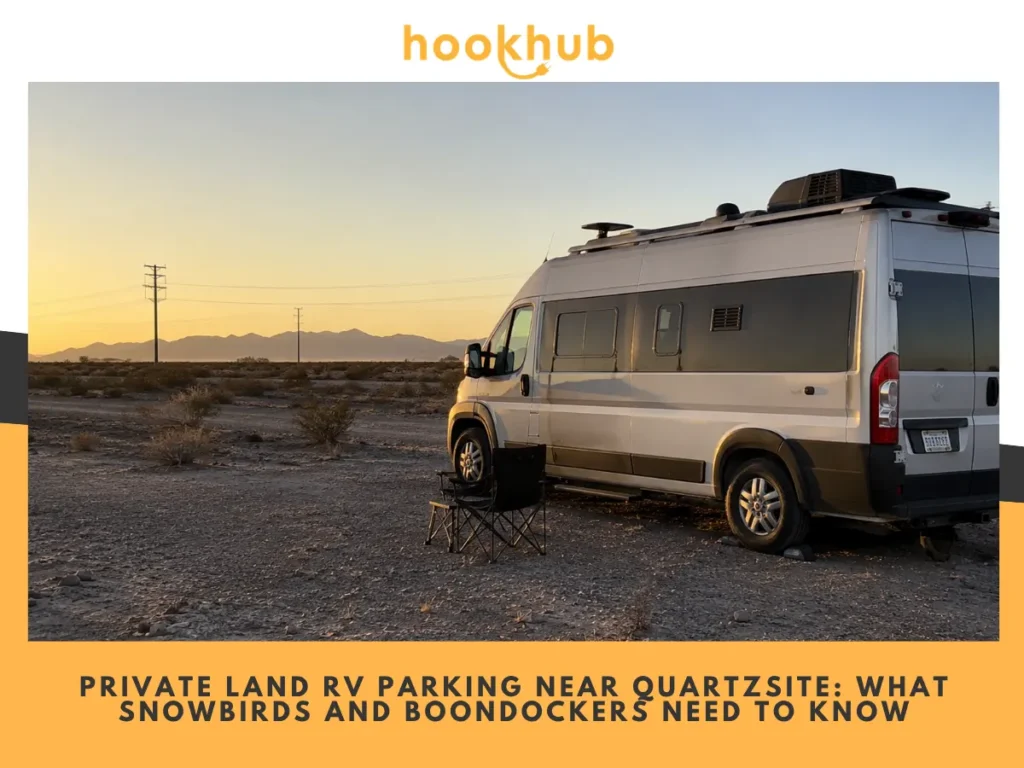
Starlink has become especially valuable for people working remotely from your RV near national parks, desert routes, mountain regions, and rural campsites where traditional connectivity struggles. It works best with a clear view of the sky, which is one reason many remote workers prefer quieter private-land stays over heavily wooded RV parks.
Checking the Starlink coverage map before entering remote areas can also help prevent connectivity surprises during workweeks when reliable internet matters most.
Campground WiFi can occasionally help, but experienced RVers rarely depend on it entirely. Too many people are sharing the same connection, especially during peak travel seasons. Reliable internet in your RV needs to function consistently during work hours, not just occasionally during off-peak times.
Experienced RVers usually treat internet access the same way they treat electricity or water.
Build a Workspace That Feels Sustainable After Six Months, Not Six Days
One of the biggest mistakes people make while working remotely from an RV is assuming they can work comfortably from anywhere inside the rig forever.
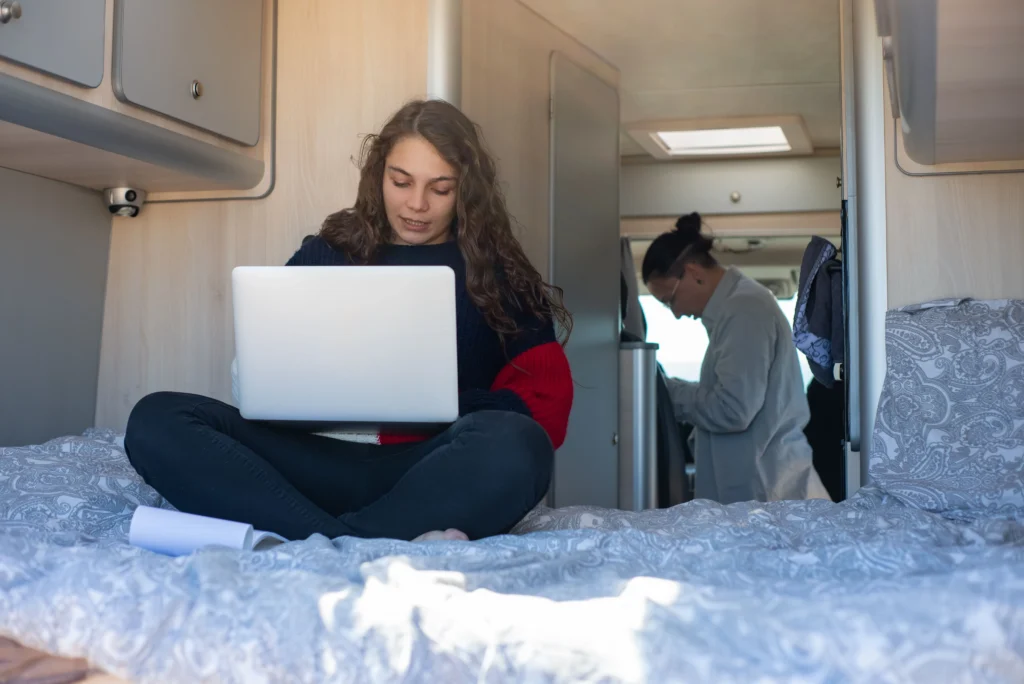
At first, the flexibility feels exciting. Working from the couch sounds relaxing. The dinette seems functional enough. Some people even try balancing laptops on the bed while traveling in their RV from one location to another.
Eventually, the boundaries disappear. The living space becomes office space. Work starts blending into rest, and productivity becomes harder to maintain.
The RVers who sustain remote work long-term almost always create some version of a designated office space, even in smaller Class B vans where every inch matters. The goal is not building a luxury corporate office. It is creating a workspace your brain recognizes as separate from relaxation.
Some people convert a bunk into a compact RV office. Others build fold-down desks near windows or transform unused seating areas into permanent workstations. Larger Class A motorhomes sometimes have enough extra space for dual monitors and more elaborate office setups, while Class C rigs often strike a middle ground between mobility and usable workspace.
The best work setup is usually the one that reduces friction during normal workdays. Small details matter more than most people expect. A supportive chair cushion, better lighting, proper monitor height, and a quality headset can completely change how sustainable remote work feels after months on the road.
RV living also creates physical challenges many remote workers never think about beforehand. Afternoon glare through RV windows can make screens unusable, especially during summer afternoons. Overhead lighting inside many rigs becomes exhausting during long work sessions, while campground noise travels easily through thin walls during busy weekends.
People who successfully balance living and working inside an RV rarely build perfect spaces. They simply create environments functional enough to support consistent work without turning every day into a battle against discomfort.
For travelers trying to create healthier routines while staying mobile, our guide on balancing work and leisure in long-term RV parks explores how longer stays can improve both productivity and recovery time.
Where You Park Shapes Your Entire Work Routine
Most people choose campsites based on scenery first. Remote workers usually learn quickly that parking is also a productivity decision.
A crowded campground with generator noise, unreliable WiFi, constant traffic, and frequent turnover creates a completely different work environment than a quiet monthly stay on private land. Even simple things like proximity between sites can affect concentration during meetings or focused work sessions.
This is one reason many people working remotely from their RV eventually stop moving every few days. Constant relocation sounds exciting initially, but rebuilding routines over and over becomes mentally exhausting. Travel days consume more energy than expected, especially when balancing deadlines, connectivity concerns, and setup logistics simultaneously.
The people who maintain healthier work life balance while traveling in an RV often stay in one location for several weeks at a time.
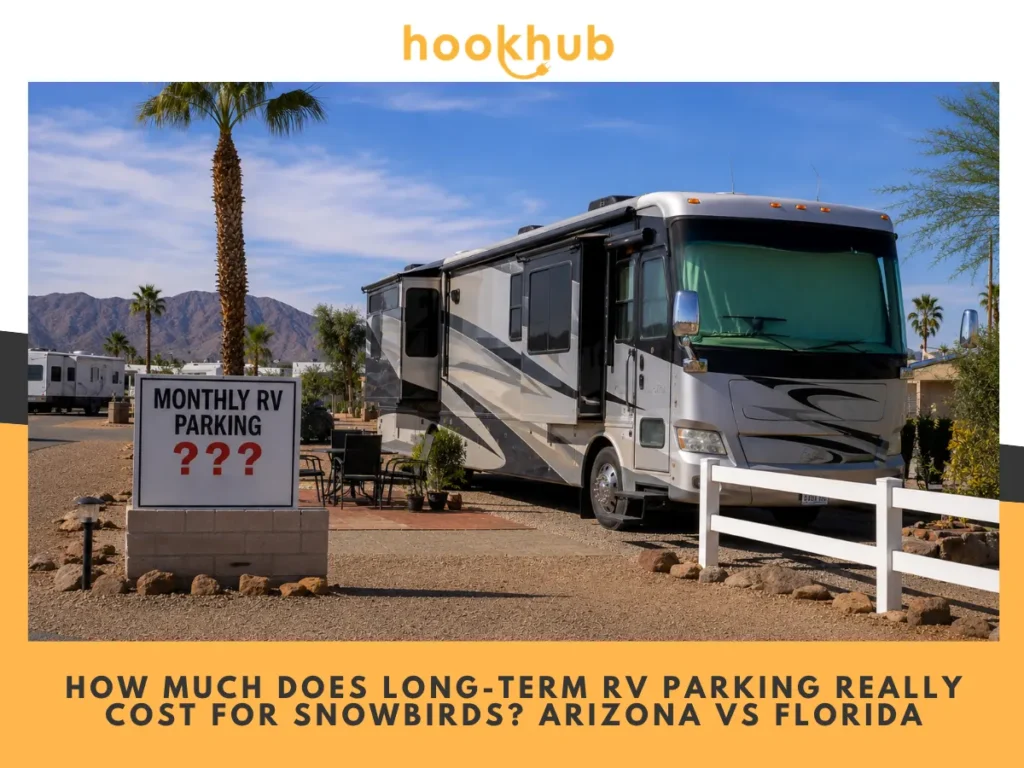
Many remote workers eventually shift toward monthly RV parking because it creates more consistency for work schedules, internet reliability, and everyday routines.
That slower rhythm allows time to actually experience nearby towns, hiking trails, and national parks instead of constantly rushing toward the next destination. It also reduces the mental fatigue that comes from repeatedly packing, navigating, reconnecting utilities, and rebuilding temporary work setups.
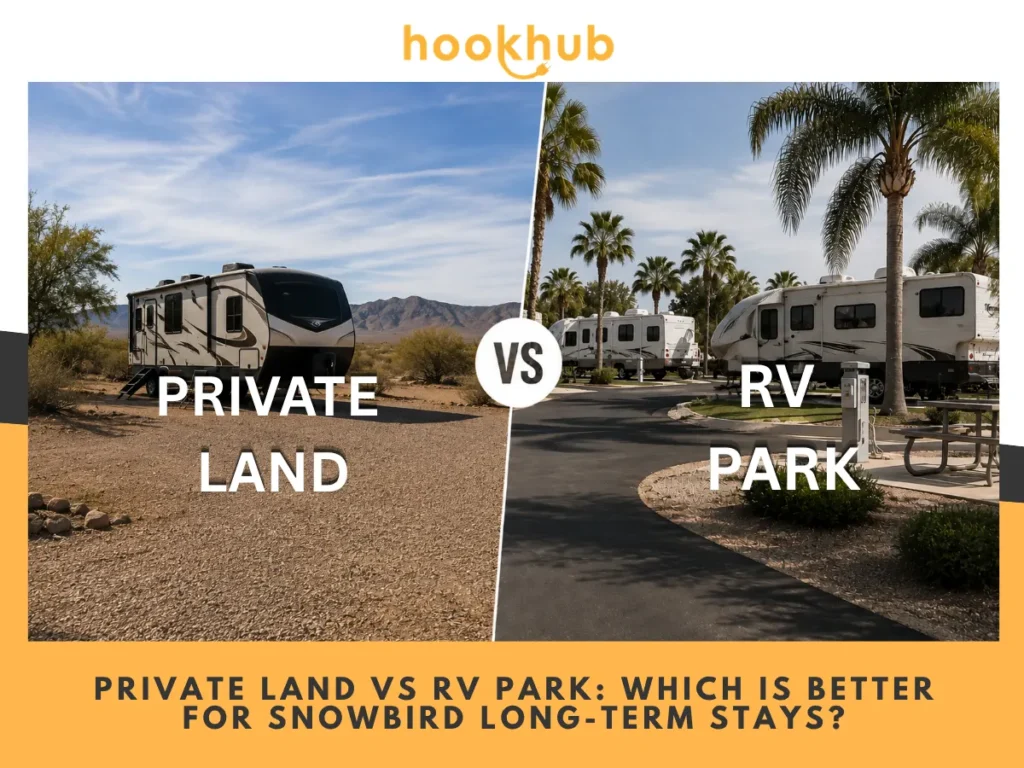
For remote workers, quieter long-term parking has become increasingly valuable. Platforms like Hookhub help travelers find private land stays that support this slower, more stable approach to RV life. Farms, ranches, and rural acreage often provide more space, fewer interruptions, and a calmer atmosphere than traditional RV parks during peak seasons.
Many travelers searching for quieter long-term RV parking eventually move toward private land stays instead of crowded campground rotations, especially once remote work becomes part of their everyday routine.
That kind of stability matters more than many people expect once productivity, travel, and daily life begin overlapping in the same space.
Slow Travel Usually Works Better Than Constant Movement
One of the fastest ways to burn out while working remotely from your RV is trying to treat every day like a vacation day.
People often imagine waking up in a new location every morning while maintaining a normal remote job. In reality, moving constantly makes it difficult to maintain routines, reliable connectivity, consistent work hours, and mental recovery time.
The RVers who successfully work and travel long-term usually move slower than expected. Instead of relocating every couple of days, they stay put for one to four weeks at a time, work normal schedules during the week, and reserve weekends or lighter workloads for exploring.
That slower pace changes the entire experience. Instead of spending every evening managing hookups, navigation, reservations, and campsite logistics, people regain time to actually enjoy where they parked.
The long-term rhythm also changes how people experience destinations themselves, which is part of the reason many travelers eventually prefer the benefits of long-term RV stays over constantly staying in motion. Slower travel creates more room for routines, deeper exploration, and a healthier balance between work responsibilities and personal time.
Many full-time RVers discover that slower travel creates more freedom, not less. It becomes easier to balance work commitments with time to explore nearby areas naturally instead of squeezing sightseeing into already stressful travel days.
Remote work on the road becomes far more sustainable once movement stops competing directly with productivity. Rainy travel days, unexpected road closures, and sudden connectivity drops also become much easier to handle when schedules have enough flexibility built into them.
Your Power Setup Matters More Than You Think
Power problems create stress surprisingly fast when your livelihood depends on devices staying charged.
A cloudy week, weak batteries, overloaded circuits, or inconsistent hookups can interrupt workdays quickly. Most people working remotely in an RV eventually realize their power setup needs to support full workdays consistently, not just recreational travel.
That usually means some combination of lithium battery storage, solar charging capability, inverter systems, and access to shore power when needed. People working full-time from an RV tend to discover very quickly how much electricity laptops, monitors, routers, Starlink systems, and cooling equipment actually consume over the course of a normal workweek.
Solar can help significantly, especially in open western states, but experienced RVers still plan for backup options during extended bad weather or heavy workloads.
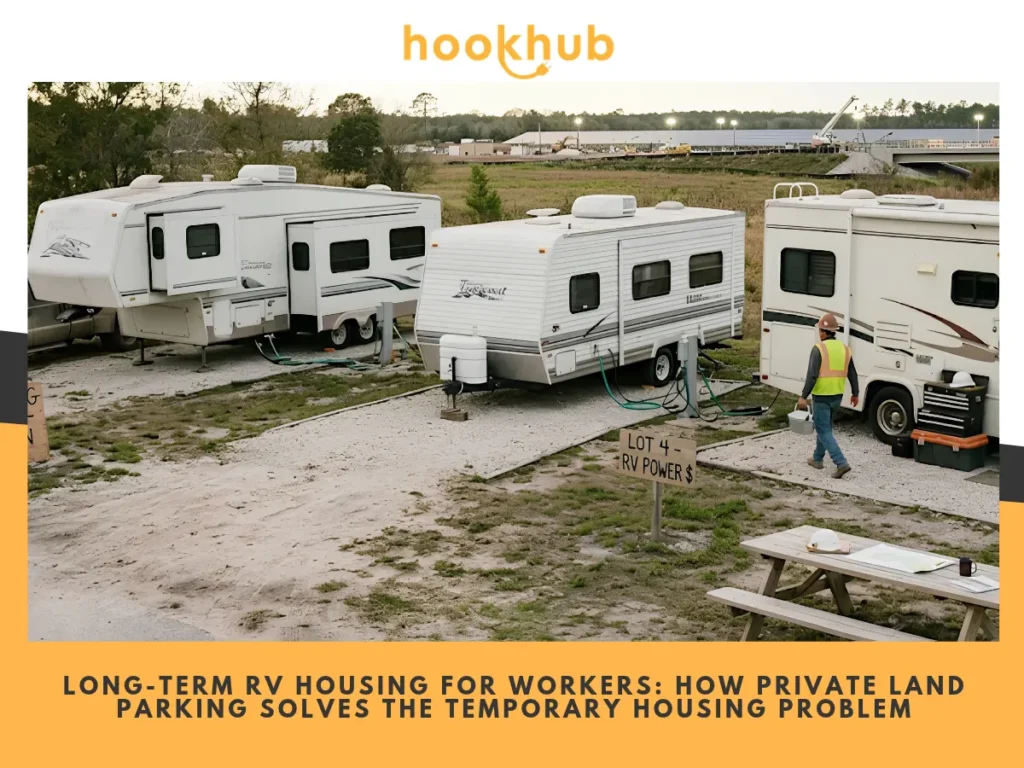
Longer-term campsites with reliable electrical hookups often reduce a huge amount of stress for remote workers. That stability becomes especially important during seasons with heavier heating or cooling demands.
The goal is not building the most elaborate off-grid setup possible. It is building enough reliability that work stops depending on perfect weather conditions.
Some Remote Jobs Fit RV Life Better Than Others
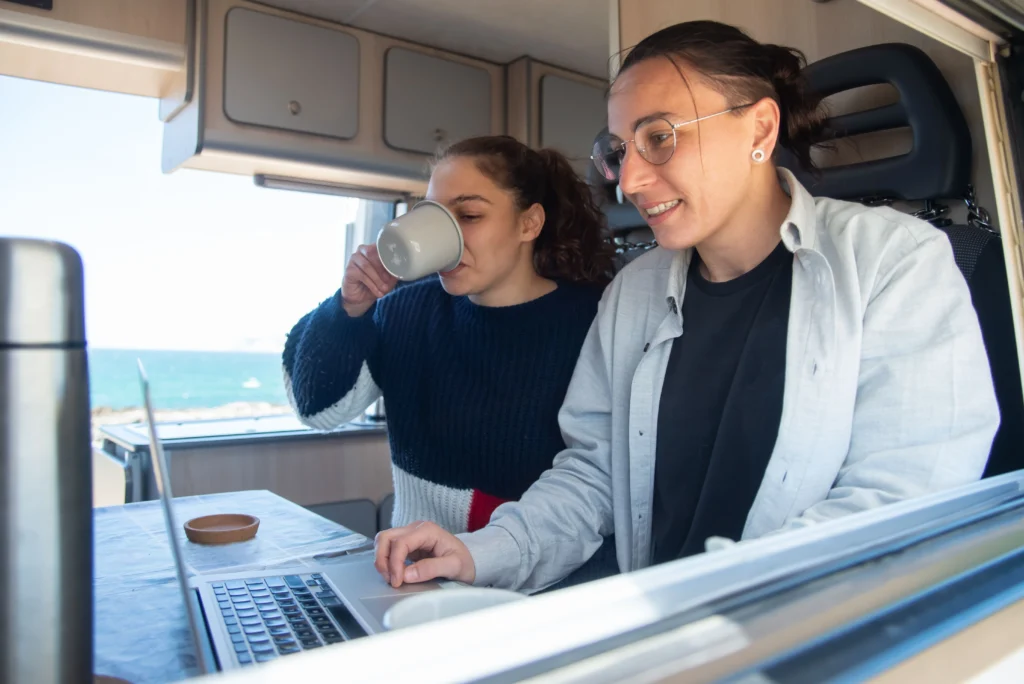
Not every remote job works smoothly with RV living.
Positions requiring constant video meetings, rigid office-hour expectations across multiple time zones, or same-day in-person availability can become difficult to maintain while traveling in your RV full-time.
The people who adapt most comfortably to work from home on the road usually have careers with greater schedule flexibility and lower dependence on perfect daily conditions. Virtual assistant roles, graphic designer contracts, customer service representative work, freelance marketing, bookkeeping, software development, and content writing remain common jobs for RVers for exactly that reason.
Some people also write for a company remotely while traveling full-time, while others combine remote work with seasonal jobs, temporary jobs, or workamping jobs during certain parts of the year. Travel nurses have also become a visible part of the RV community because the lifestyle pairs naturally with temporary assignments across different states.
Remote jobs for RVers include far more possibilities than many people initially expect. The key is usually finding work flexible enough to support occasional travel disruptions without turning every movement day into a crisis.
Platforms like FlexJobs specialize in remote-friendly positions that work well for location-independent lifestyles, while sites like We Work Remotely are commonly used by RVers searching for flexible, long-term remote careers.
Where Hookhub Fits Into Long-Term Remote RV Travel
Finding the right place to park becomes one of the biggest work decisions full-time RVers make.
People working remotely from an RV often need quieter surroundings, longer stays, stable routines, and fewer campground interruptions. That is part of the reason many remote workers gradually move away from crowded overnight campground hopping and toward more intentional long-term stays.
Platforms like Hookhub help travelers find private land listings that better support remote work lifestyles. Farms, ranches, and rural acreage often provide the kind of calmer environment that makes it easier to stay productive, maintain routines, and build sustainable work habits while living on the road.
For people balancing work and travel long-term, stability usually matters far more than constantly changing scenery.
The Lifestyle Gets Easier Once the Systems Exist
The beginning is usually the hardest part.
Early RV life often feels like constant adjustment. People spend weeks troubleshooting hotspot performance, reorganizing office setups, learning power limitations, and figuring out how to balance work responsibilities with travel expectations.
Over time, those systems stabilize.
The people who successfully work remotely from your RV long-term are rarely the ones chasing nonstop movement every day. More often, they are the ones who handled the less glamorous parts first: connectivity, scheduling, finances, parking, workspace design, and realistic travel pacing.
Once those systems exist, the freedom people imagine at the beginning finally starts becoming real.
That is usually when RV life stops feeling like an experiment and starts feeling sustainable.
Conclusion
Working remotely while traveling in an RV is absolutely possible, but it becomes far easier once the foundational systems are stable.
Reliable internet, realistic travel pacing, dependable power, and a functional workspace matter much more than chasing a perfect social media version of RV life. The people who sustain this lifestyle long-term are usually the ones who create routines strong enough to support both work and travel without constantly forcing the two to compete.
Over time, remote work in an RV starts feeling less chaotic and more intentional. You stop spending every day troubleshooting and start spending more time actually enjoying where you are.
The continued growth of full-time RV living has also been reflected in industry research from the RV Industry Association, particularly as more remote workers explore location-independent lifestyles.
That is where the real appeal of RV living begins, not in nonstop movement, but in having the freedom to work, travel, and live at a pace that feels sustainable.
FAQs
What is the best internet setup for working remotely in an RV?
Most full-time RVers use a layered setup that includes a primary hotspot, a backup carrier, and Starlink for rural areas. Redundancy is key because campground WiFi alone is rarely dependable enough for full-time remote work.
Can you realistically work full-time while traveling in an RV?
Yes, but slower travel usually works better. People who stay in one location for several weeks at a time often find it easier to maintain routines, reliable connectivity, and healthier work life balance.
What are the best remote jobs for RVers?
Virtual assistant roles, graphic designer work, customer service representative jobs, bookkeeping, software development, freelance writing, and travel nursing are among the most common careers for people working remotely from an RV.
Is Starlink worth it for RV living?
For many remote workers, yes. Starlink has become one of the most reliable ways to stay connected in rural areas, especially near national parks and remote campsites where traditional cellular coverage is inconsistent.