
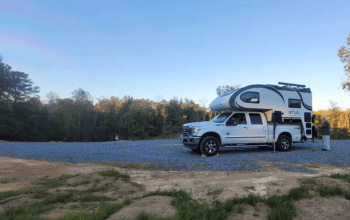
Many landowners look at their unused acreage and wonder if it could become a profitable RV hosting opportunity.
With RV travel growing rapidly, more RV campers and RVers are searching for unique places to park outside traditional RV parks or campgrounds. That demand has opened the door for landowners to transform a spot on their land into a welcoming campsite while creating extra income.
Still, the biggest question most people have is simple:
Is my property actually suitable for RV hosting?
The good news is that many properties can work surprisingly well with the right setup. In this guide, we’ll walk through everything you need to know to evaluate your land and decide whether becoming an RV host is the right move.
Key Takeaways
- RV travel demand continues to grow, creating opportunities for landowners to start earning additional income.
- Many properties can work for RV camping if they offer accessible terrain and basic amenities.
- Essential infrastructure includes hookups, accessible parking areas, and waste management systems.
- Local zoning rules and necessary permits must be reviewed before accepting guests.
- Platforms like Hookhub simplify RV hosting by providing guest vetting, liability insurance, and automated reservation management.
Understanding the RV Hosting Opportunity
More travelers are choosing RVs for flexibility and adventure. According to the RV Industry Association, RV ownership and outdoor travel participation have continued to grow in recent years.
This shift has created opportunities for landowners to become RV hosts and welcome travelers on private property. Platforms like Hookhub make it easier to start hosting and earn additional income from RV camping.
Some travelers are looking for:
- Quiet scenic campsites
- Farm stays near vineyards, wineries, breweries, or distilleries
- Rural properties close to national parks or natural attractions
- Unique overnight stops during long RV adventures
For property owners, this can become a small business that generates consistent income while making use of land that might otherwise sit unused.
Types of RV Travelers and What They Expect
Not all RV travelers want the same experience.
Understanding different types of RV campers helps you design a property that attracts the right guests.
Budget RV Travelers
These guests usually need only a safe place to park with basic amenities.
They often look for:
- A quiet campsite
- Easy access
- Minimal fees
Comfort-Focused RV Travelers
Other travelers prefer more amenities such as:
- Electrical hookups
- Reliable Wi-Fi
- Nearby attractions
- Clean and well-equipped campsites
Providing the right level of comfort can help increase occupancy and repeat bookings.
Potential Income from RV Hosting
Hosting RV travelers can become a meaningful way to earn additional income. Outdoor travel continues to grow as more people choose camping and road trips for their vacations, according to recent camping industry data.
Depending on your location and setup, landowners may generate revenue through:
- Nightly campsite rentals
- Premium amenities
- Seasonal or event-based pricing
Properties near scenic landscapes, national parks, or tourist attractions often see higher demand.
With the right structure in place, RV hosting can evolve from a simple side project into a profitable RV hosting business.
Assessing Your Property’s RV Hosting Potential
Before listing your land for RV camping, evaluate whether your property can safely accommodate RVs.
Space Requirements for Different RV Types
RVs vary significantly in size.
Large motorhomes can reach 45 feet long, which means your campsite should provide enough space for:
- Parking
- Slide-outs
- Easy maneuvering
Level areas that can support larger RV campers will expand the types of guests you can accept.
Terrain, Drainage, and Accessibility
Terrain plays a major role in whether RV hosting works.
Look for areas that are:
- Level or gently sloped
- Easily accessible by road
- Free of drainage problems
RV drivers prefer properties that are easily accessible and safe to enter even with larger vehicles.
Use the 15‑Minute Property Assessment Checklist to evaluate slope, access, drainage, and usable parking space in one quick pass.
Location Appeal and Nearby Attractions
Location can significantly influence your booking potential.
Properties close to natural attractions, hiking trails, lakes, wineries, breweries, or national parks are often more attractive to RV travelers. According to the National Park Service, millions of visitors travel to protected parks and recreation areas every year.
If your land sits near scenic destinations, you may already have a major advantage.
Essential Infrastructure for RV Hosting
Once you determine your land is suitable, the next step is preparing your property with the necessary infrastructure.
Basic RV Hookups
Many RV travelers expect access to at least one of the following:
- Water hookups
- Electrical systems
- Sewer connections
If you’re planning upgrades, this guide on RV hookups can help you understand what infrastructure RV campers typically expect.
Even partial hookups can improve your campsite’s appeal.
Access Roads and Parking Areas
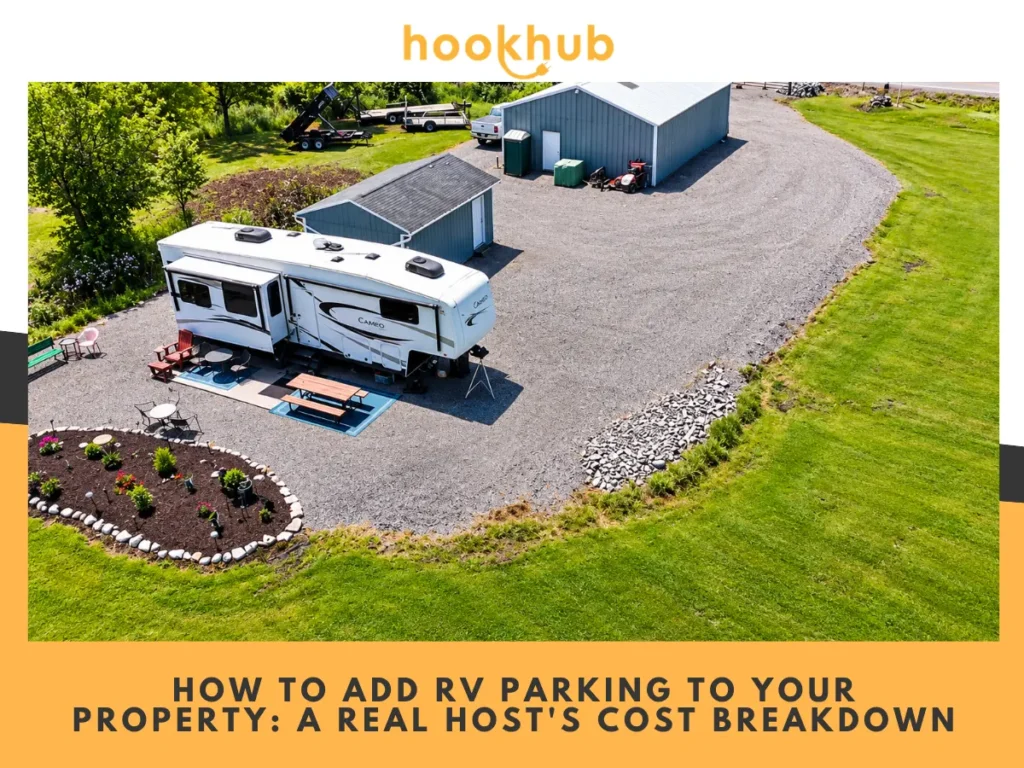
A well-maintained entry road and level parking spot help guests arrive safely.
Wide access roads and clear turning areas make your campsite easier for RV drivers to navigate.
Internet and Cell Connectivity
Reliable internet has become a major amenity for modern RV travelers.
Strong Wi-Fi or cellular signal boosters can attract remote workers and long-term RV campers.
Waste Management and Cleanliness
Maintaining cleanliness and responsible waste management is essential.
This includes:
- Regular cleaning
- Proper disposal facilities
- Safe sanitation practices
Maintaining a clean property improves reviews and guest satisfaction.
Legal Requirements and Permits
Before accepting guests, landowners should review local regulations.
Zoning and Necessary Permits
Some areas allow private RV camping while others require permits.
Check local zoning laws to determine whether your land can legally host RV travelers.
You may also need permits related to:
- Campground operation
- Waste management
- occupancy limits
Insurance and Liability Protection
Hosting travelers involves risk, so having a liability insurance policy is important.
Insurance can provide peace of mind by covering potential accidents or damages.
Environmental Considerations
Properties near public lands or protected natural areas may require additional environmental guidelines.
Responsible hosting helps protect the surrounding landscape while maintaining compliance.
Amenities That Attract RV Guests
While basic infrastructure is important, amenities can make your campsite stand out.
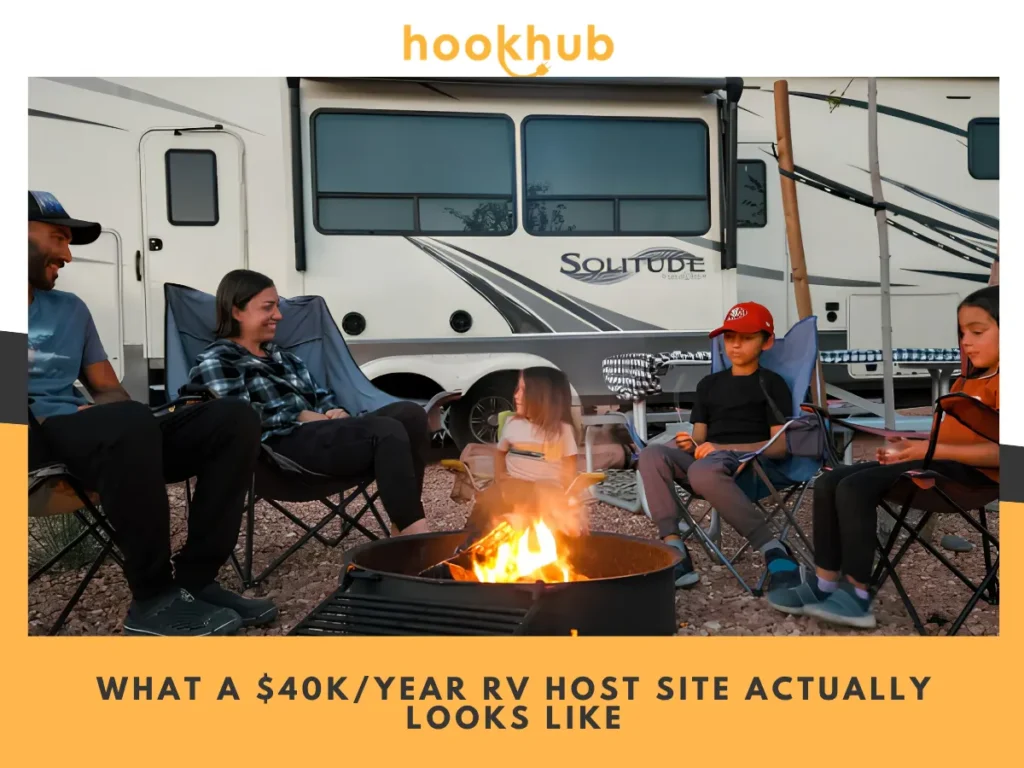
Many hosts improve guest experience by offering thoughtful features like fire pits, scenic seating areas, and Wi-Fi. Some also explore RV campsite amenities that help attract more RV travelers.
Basic Amenities
Common amenities include:
- Water access
- Electricity
- Trash disposal
- Wi-Fi
- Fire pits
- picnic areas
These features make your campsite comfortable and well-equipped for guests.
Unique Property Experiences
Some hosts create unique experiences by highlighting their land’s natural features.
Examples include:
- Vineyard or winery stays
- Farm or ranch visits
- Scenic forest or lakefront campsites
- Properties near breweries or distilleries
Experiences like these make RV camping more memorable. Many travelers are also looking for upgraded outdoor stays such as glamping experiences, which continue to grow in popularity.
Financial Planning for Your RV Hosting Business
Launching a small RV hosting operation requires planning your finances carefully. Before investing heavily in infrastructure, many landowners research RV hosting costs to better estimate startup expenses and long-term profitability.
Startup Costs
Typical startup expenses may include:
- Installing RV hookups
- Land preparation
- Road improvements
- Insurance coverage
- Marketing
The investment required depends on your property and the amenities you plan to offer.
Pricing Your Campsites
Setting competitive pricing requires understanding your local market.
Research nearby RV parks and campgrounds to determine typical rates.
Factors that influence pricing include:
- Location
- Amenities
- Nearby attractions
- Seasonal demand
Seasonal Occupancy Considerations
RV travel often follows seasonal patterns.
Demand typically increases during:
- Summer travel season
- Holiday weekends
- Peak tourism months
Adjusting pricing and promotions throughout the year can help maintain consistent occupancy.
Marketing and Managing Your RV Hosting Business
Once your campsite is ready, the next step is attracting guests and managing bookings.
Listing Your Property Online
Many hosts use an online platform to reach RV travelers.
Listing your property online allows you to:
- Create a host profile
- showcase amenities and nearby attractions
- manage reservations
Guest Communication and Booking Management
Clear communication helps create a positive guest experience.
Hosts should:
- Respond quickly to questions
- provide arrival instructions
- maintain organized reservation systems
Automation tools can simplify these tasks.
Where Hookhub Fits Into RV Hosting
For many landowners, the biggest challenge is managing the logistics of hosting.
Platforms like Hookhub simplify the process by providing a structured platform where landowners can list their property and accept RV guests with confidence.
Through Hookhub, hosts can:
- Create a detailed host profile
- manage reservations through built-in automation tools
- benefit from guest vetting systems
- access liability insurance protection
- receive support for running a small RV hosting business
Instead of building your own booking system or marketing strategy from scratch, Hookhub provides the infrastructure that allows landowners to start earning from RV camping more easily.
Is RV Hosting Right for Your Property?
If your land offers accessible terrain, a scenic environment, and space for RV parking, it may already be suitable for hosting.
With the right preparation and support, landowners can transform unused acreage into a welcoming stop for RV travelers while generating additional income.
RV hosting isn’t just about offering a place to park. It’s about creating an experience that connects travelers with unique destinations and memorable stays.
For many property owners, it becomes both a rewarding project and a reliable income opportunity.
FAQ
How much land do I need to host RVs?
Many hosts start with a single campsite on a small portion of their property. A space large enough for a 30–45 foot RV with room for slide-outs is usually sufficient.
Grab the 15‑Minute Property Assessment Checklist to estimate how many sites your layout can support.
Do I need hookups to host RV travelers?
Not always. Some RV travelers are comfortable with basic campsites, while others prefer water, electric, or sewer hookups.
Do I need permits to host RV campers?
In many areas, yes. Check local zoning regulations to determine whether you need permits before listing your property.
Can RV hosting become a profitable business?
Yes. Depending on your location, amenities, and pricing, RV hosting can generate consistent extra income for landowners.