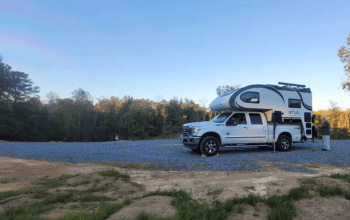
Neighbor issues rarely start with “I hate RVs.” They start with a small, repeated nuisance: headlights sweeping a window, a barking dog, a vehicle coming and going at odd hours, or loud conversations that carry.
Most issues with monthly stays stem from unclear expectations. For the full framework, start with the monthly RV hosting playbook.
Quick takeaways
- Your site layout does more to prevent complaints than any message you send.
- House rules should protect neighbors as much as they protect your property.
- Treat neighbor communication like risk control, not a debate.
- The most desirable outcome is uneventful: tranquility and silence, with no one contemplating your listing.
Start with the real question: what would a neighbor notice?
A neighbor does not see your listing description. They see the vehicle, the lights, the noise level, and the pet routine.
Walk your property like a neighbor would:
- Where does the RV face when it parks?
- Where do headlights point when a guest pulls in?
- Where will the camper sit outside at night?
- Where will pets go on a leash?
- Where will trash be stored?
If you can address those five issues, you will prevent most complaints.
Site setup that prevents problems before they happen
This is the part that hosts often overlook, and then attempt to address with rules. Flip it.
Put a campsite where sound dies.
Distance and direction matter. If you have options, place the camp spot far enough from the closest neighbor that normal conversation becomes background noise.
If you cannot create distance, create barriers:
- Park the RV so the door and outdoor seating face inward
- Use existing structures, trees, or a fence line as a buffer
- Avoid placing the rig where it becomes a bright rectangle in someone’s view
Control the light, especially headlights
Headlights and bright LED lights are complaint magnets.
- Designate a pull-in path that does not sweep a neighbor’s windows
- Add a simple “no high beams on property” note
- Ask guests to keep exterior lights low and pointed down
Plan parking and traffic like a small site plan
You are not running park management, but you do need a plan.
- One vehicle per reservation, unless approved.
- Designate where vehicles can park.
- Set quiet arrival hours if your address is close to neighbors
House rules that protect your neighbor relationships
Rules should be clear enough that a guest can comply without guessing.
If you want a plug-and-play baseline, use house rules for 30- to 90- night stays and edit them to match your property.
The rules that matter most for neighbor peace and quiet:
- Quiet hours (include outdoor voices)
- No loud conversations outside after quiet hours.
- Pets on leash, no wandering.
- No parties, no troublemaking behavior.
- No idling vehicles late at night
If utilities are part of your friction risk (generators, shore power limits, or electricity allowances), spell it out in your utilities policy for monthly stays.
Guest screening that prevents the wrong fit
You do not need invasive questions. You need fit questions.
Ask:
- “What brings you to the area for 30 to 90 nights?”
- “What’s your typical routine: early mornings, late nights, or remote work calls?”
- “Any pets? If yes, what type and how do they do with new places?”
- “How many vehicles will you have?”
If you want a fuller set, use screening monthly RV guests.
How to talk to neighbors without making it weird
The goal is not permission. The goal is fewer surprises.
A simple approach:
- Tell them you are hosting one RV at a time for longer stays
- Share your quiet hours and pet rules
- Give them a direct way to contact you if there is an issue
Keep it short, calm, and factual. Open communication goes a long way when something small happens.
If a neighbor is upset:
- Apologize for the impact, even if you disagree with the framing
- Fix the concrete issue fast (lights, parking, noise)
- Avoid arguing about whether they are being reasonable
What to do when a complaint happens?
Most complaints are about one of three things: noise, pets, or traffic.
Noise issues
- Message the guest immediately and politely
- Remind them of quiet hours and outdoor voice limits
- Offer a practical fix: (move chairs, close windows, use a white noise machine inside the RV)
Pets
- Reinforce leash rules
- Ask the guest to keep pets close to the rig
- If barking repeats, it requires a change in routine.
Vehicles and arrivals
- Ask guests to avoid late-night arrivals
- Reinforce designated parking
- If needed, set a “last arrival” time
The line you should not cross
Do not ask a neighbor to confront a guest. That is your job.
If you want a guest-facing version of these expectations, the long-stay listing template includes language that sets the tone without sounding harsh.
After the midpoint of your post, you can support your safety framing with a high-authority reference. The U.S. Fire Administration guidance on smoke alarms is a useful reminder that safety basics matter when someone is living on-site for weeks.
References
- U.S. Fire Administration guidance on smoke alarms (home fire prevention basics relevant to longer stays)