
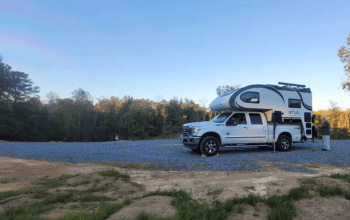
If you’re hosting monthly RV stays, your goal is simple: help a guest arrive once, set up once, and settle in without a week of back-and-forth.
This checklist is designed for Arizona private land hosts offering 30–90 night stays.
Before you do anything else, get the full framework in the monthly RV hosting playbook.
A weekend guest can tolerate small friction. A long-stay guest cannot. When someone is paying for a month, they expect the essentials to work on day one: access that fits their rig, a pad that stays level after rain, utilities that don’t trip, and a site that feels safe.
This page is a monthly RV hosting checklist for private land hosts. It’s not a guest packing list. It’s a property readiness checklist you can run in under an hour, then use to decide whether you should accept 30–90 night stays yet.
Monthly-ready pass/fail (quick verdict)
If you want to qualify hosts fast, start here.
Pass means you can host monthly stays with confidence. Fail means you should pause monthly bookings until you fix the gap.
- Access: A guest can enter, turn, and park without scraping, getting stuck, or blocking the road.
- Pad: The rig can sit level and stable through normal weather.
- Power: You can provide reliable power without tripping breakers.
- Water: You can provide reliable water and you’ve disclosed any limits.
- Waste: You have a clear plan for waste handling that you can explain in one paragraph.
- Safety: The site is lit and reachable, and you’ve handled basic fire safety.
If you can’t support any one of those, don’t accept monthly stays yet. You’ll spend the month in reactive support.
Access and arrival (the make-or-break step)
A guest may overlook a basic website design. They won’t forgive a stressful arrival.
Please utilize this checklist prior to accepting a first-time booking.
- Measure the approach: driveway width, turning space, and any tight corners. If you’re near a narrow gate, note it in the listing and message it before arrival.
- Verify overhead clearance: tree limbs, utility lines, and low roof edges. Pay attention to where a towable travel trailer might swing wide.
- Confirm grade and traction: loose gravel and steep grades are where tow rigs struggle. If rain changes traction, say so.
- Plan parking: identify where the tow vehicle will park once they disconnect. Guests hate improvising this after dark.
- Create a simple arrival guide: a simple site map showing the entrance, pad, and where the nearest dump station is if you don’t have sewer.
If you don’t have a sewer, start with the no-sewer decision guide so you know whether your waste plan is workable for 30–90 nights.
Example: If a guest needs to pull your RV spot straight-in but your entrance forces a tight turn, you can solve it with one sentence and one photo: ‘Approach from the east, swing wide at the mailbox, then follow the cones.’ That prevents the ‘I’m blocking the road’ call and helps them feel ready to hit the road on arrival day.
Pad and site setup (stable, level, and repeatable)
For monthly stays, the pad is your product.
A sturdy pad reduces maintenance, reduces guest complaints, and makes your site easier to re-rent.
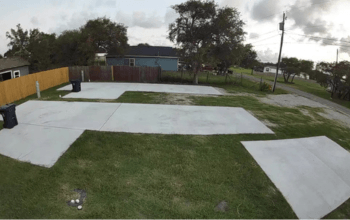
- Surface and drainage: walk the pad after a hard rain. If water pools, fix drainage before you host. Long-term guests notice mud fast.
- Leveling expectations: decide what ‘level’ means at your site. If the guest will need blocks, say so. If you offer them, please include them on the list.
- Slideout clearance: mark where slideouts can extend without hitting posts, rocks, or fencing.
- Awning clearance: look up and out. Branches and sharp edges tear fabric.
- Roof vents and wind: if your site is exposed, warn guests so they can manage roof vents in gusts.
- Pet-friendly boundaries: if you allow pets, define where dogs can roam, where they cannot, and what “quiet hours” means for barking.
Example: A host with a gravel pad can still beat many RV parks on experience by making the setup repeatable. A simple marker stake for ‘front wheel stops here’ can save you five messages and a re-park.
If you’re still getting your site details organized, use a long-stay listing template so you present access, pad, utilities, and arrival instructions consistently.
Utilities and safety are the factors that long-stay guests use to evaluate your site.
The quality of utilities determines whether monthly hosting succeeds or fails. Guests can handle a simple site. They won’t tolerate unreliable hookups.
Power (electrical)
- Confirm service type and label it: list voltage/amps clearly and label breakers.
- Inspect electrical connections: look for heat damage, loose fittings, and weather exposure.
- Recommend a surge protector: it’s standard practice for many RV owners, and it protects both guest equipment and your setup.
If you want a simple baseline for fire prevention and emergency planning, see the NFPA fire safety resources.
Water
- Test pressure and flow: long-stay guests will run showers, laundry setups, and dishwashing daily.
- Protect the plumbing system: suggest a water pressure regulator and confirm your water lines are in excellent shape.
- Set expectations: if water is from a well, say so. If there are seasonal constraints, disclose them.
Sewer, septic, and waste (be explicit)
If you offer sewer, great. If you don’t, you can still host monthly, but you must be explicit.
- State the sewer setup: is there a sewer hook-up, or do guests need to use a nearby dump station?
- Clarify the routine: guests will manage dumping on a schedule, and that matters even more for full-timing.
- Avoid surprises: if you have septic limits, put them in writing.
If your site relies on septic, review the EPA septic system guidance for care basics and common failure causes.
Propane and heating
- Propane basics: confirm where the propane tank can be stored safely and what local refill options exist.
- Water heater notes: if your site has any shared water heater equipment (rare, but it happens), document it. Please remind guests to refer to their owner’s manual.
Safety and emergency readiness
Monthly guests want a site that feels calm and predictable.
- Lighting: ensure that the path from pad to vehicle is visible at night.
- Address and access: confirm emergency vehicles can reach the site.
- Smoke/CO guidance: if you provide any structures (bathhouse, laundry room, or host-provided enclosed space), follow smoke alarm best practices.
For smoke alarm placement and maintenance basics, use the U.S. Fire Administration safety basics.
Closing thoughts
This is the host version of a packing checklist: fewer gadgets, more reliability. You’re building a place where RV travel feels simple, where RVs can arrive and settle, and where the guest’s RV refrigerator and systems can run without surprises.
If you’re new to RV hosting, think of this checklist as the essential gear list for your property. It’s not about being the best RV destination on the internet. It’s about doing the crucial steps well so they stay calm.
HookHub exists for this exact use case: connecting responsible hosts with guests looking for longer stays on private land, with clear expectations on both sides.
If you’re ready to host monthly, walk your site with this RV checklist, take photos of access and hookups, and write down your utility rules in plain language. Then list your spot on HookHub so the right long-stay guests can find you.
References
- NFPA fire safety resources (general fire prevention basics)
- EPA septic system guidance (septic overview and care principles)
- U.S. Fire Administration safety basics (smoke alarm fundamentals)