
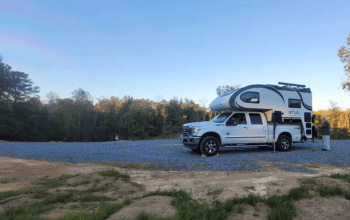
If you’re a landowner considering hosting RVs on your property, it’s normal to wonder:
What happens if a guest damages my land, ignores the rules, or causes problems?
The truth is, most RV guests are respectful, experienced travelers who want a safe, quiet place to stay. Issues tend to arise not because RV hosting is inherently risky, but because expectations aren’t clear or the right systems aren’t in place.
“Your land isn’t just dirt — it’s where memories are made. A single careless guest can cause problems, but smart policies and proactive care turn risk into resilience.” Caylee Shea Harrington
This guide is designed for private landowners, not commercial RV parks. We’ll walk through what actually causes problems, how experienced hosts prevent them, and how you can host with confidence rather than concern.
Why Most RV Hosting Problems Are Preventable
Negative experiences rarely come out of nowhere. In most cases, issues stem from:
- Poor guest screening
- Vague or missing rules
- Mismatched expectations
- High guest turnover
Private hosts who focus on long-term or low-turnover stays typically experience fewer issues than busy campgrounds. Fewer arrivals mean fewer chances for misunderstandings, damage, or disruption.
With a thoughtful setup, hosting RVs can be calm, predictable, and low-stress.
Understanding Your Guests (and Why That Matters)
RV travelers aren’t a single group. Some are full-time RVers who’ve lived on the road for years. Others are seasonal workers, retirees, or remote employees looking for a stable place to park.
The most successful private hosts:
- Clearly state what their property is (and isn’t)
- Attract guests whose needs match the space
- Avoid “one-night party stays” altogether
Platforms like Hookhub are built specifically for this kind of hosting, connecting landowners with pre-vetted RV renters who are looking for appropriate, longer-term stays rather than quick stopovers.
Screening Guests the Smart Way
Guest screening isn’t about distrust — it’s about alignment.
Experienced hosts look for:
- Clear communication before booking
- RVers who can explain their setup and needs
- Guests who ask thoughtful questions
- Prior hosting history or reviews
Hookhub helps streamline this process by:
- Vetting renters before bookings
- Providing verified profiles and communication tools
- Reducing the guesswork for hosts
When you know who’s arriving, surprises are rare.
Setting Clear Expectations from Day One
Most problems come from misunderstandings, not bad intentions.
Clear expectations should cover:
- Where to park
- Utility use
- Quiet hours
- Pets
- Waste disposal
- Length of stay
Private hosts don’t need complicated legal documents — just clarity. When expectations are communicated before arrival and reinforced upon booking, guests are far more likely to respect your property.
For official guidance on campground conduct and responsible camping, see the NPS “Camp Etiquette” guidelines. Camp Etiquette — National Park Service
Protecting Your Property Without Overengineering
You don’t need to run a campground to host safely.
Simple, effective protections include:
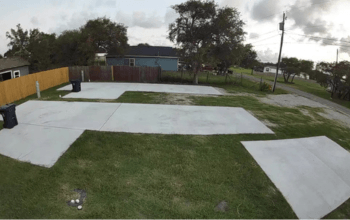
- Designated parking areas
- Clear entry and exit paths
- Basic utility instructions
- Regular walkthroughs of your property
Most private-host damage is minor and accidental. That’s why platforms like Hookhub include host damage protection, giving landowners peace of mind if something unexpected happens.
Preventive measures are crucial to minimize such risks (see tips on protecting your RV park).
Why Long-Term RV Stays Are Lower Risk
Long-term guests tend to:
- Treat the property like home
- Create less wear from constant arrivals and departures
- Communicate issues early
- Be invested in maintaining a good relationship
Many private hosts find that a single, month-to-month guest creates less risk and more stability than frequent short stays.
Hookhub’s model naturally supports this style of hosting, which is why many landowners prefer it over short-term camping platforms.
Handling Issues Calmly If They Arise
Even with preparation, small issues can happen. The key is addressing them early and professionally.
Best practices include:
- Addressing concerns as soon as they appear
- Referring back to agreed-upon rules
- Keeping communication respectful and documented
- Knowing when to end a stay if expectations aren’t met
In practice, most issues are resolved with a simple conversation. Watch how to handle difficult situations here.
Hosting with Confidence, Not Fear
Hosting RVs on private land doesn’t require constant vigilance or stress. It requires:
- The right guests
- Clear communication
- A simple system for protection and support
That’s exactly what Hookhub was built to provide.
By helping landowners screen renters, manage bookings, and access built-in host protections, Hookhub removes much of the uncertainty that causes hesitation in the first place.
The Bottom Line
Bad RV guests don’t define RV hosting — poor systems do.
When you:
- Start small
- Host intentionally
- Focus on long-term stays
- Use tools designed for private landowners
Hosting becomes predictable, respectful, and rewarding.
If you’re considering hosting RVs on your property, Hookhub can help you get started confidently — from guest screening to protection and support — so you can focus on what matters most: making good use of your land. Stay ahead by combining a welcoming atmosphere with smart safety measures. Download our Red Flags Cheat Sheet now to spot warning signs early and safeguard your park.