
The open road calls, and the idea of a home that moves with you is more appealing than ever. You’re thinking about a recreational vehicle, but where do you start?
This guide breaks down everything you need to know, from choosing the right RV to making the most of your travel adventures.
What are the main types of RVs available for my travel adventures?
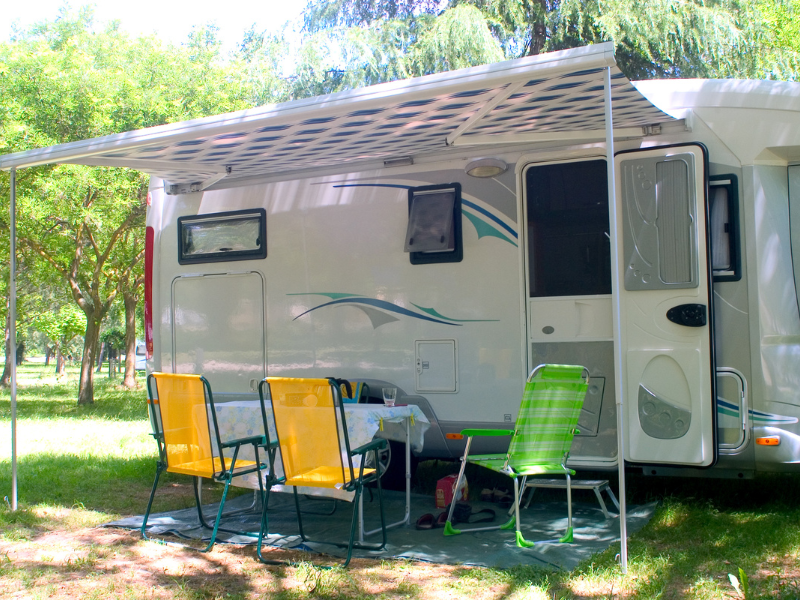
There’s a world of choices out there, and understanding the different types of RVs is your first step. Whether you’re dreaming of cross-country trips or weekend getaways, there’s an RV for you.
- Motorhomes: Self-contained and driven like a bus.
- Travel Trailers: Towable units pulled by a truck or SUV.
- Fifth Wheels: Larger trailers that connect to a truck bed.
- Pop-up Campers: Lightweight, collapsible units.
Here’s a quick comparison:
| Type | Sleeps | Length | Cost | Use Case |
| Class A | 4-8 | 26-45 ft | $100k+ | Full-time living, luxury |
| Class B | 2-4 | 18-25 ft | $70k+ | Solo travel, easy maneuver |
| Class C | 4-6 | 20-35 ft | $80k+ | Family trips, balanced |
| Travel Trailer | 2-8 | 12-40 ft | $15k-$80k | Family camping, flexibility |
| Fifth Wheel | 4-10 | 25-45 ft | $40k-$150k+ | Extended stays, spacious |
| Pop-up Camper | 2-6 | 8-20 ft | $6k-$20k | Occasional trips, budget |
Class A, B, and C motorhomes: What’s the difference?
Motorhomes are like houses on wheels, but they vary significantly.
- Class A: Large, luxurious, often categorized into pushers (diesel) or pullers (gasoline). They offer the most space and amenities but have lower fuel efficiency (typically 6-10 mpg). Driving a Class A can be challenging due to their size, and you’ll need to be mindful of low bridges and narrow roads.
- Class B (Campervans): Compact, easy to drive, and fuel-efficient (18-25 mpg). Ideal for solo adventurers or couples seeking maneuverability and stealth camping options. They can often fit in regular parking spots, making them great for urban exploration.
- Class C: A balance of size and maneuverability, with an over-cab sleeping area. They offer more space than Class B but are easier to handle than Class A. Fuel efficiency falls somewhere in between (10-14 mpg).
Travel trailers vs. fifth wheels: Which is right for me?
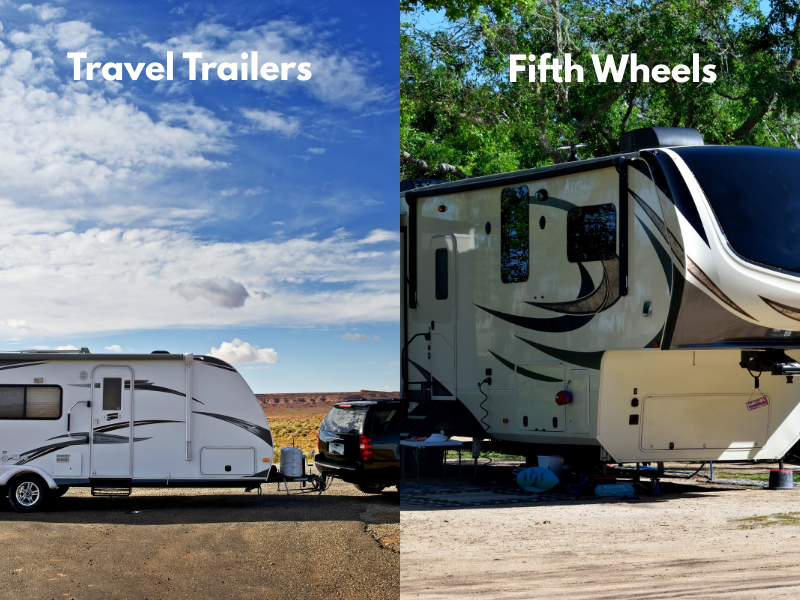
Travel trailers and fifth wheels both offer flexible camping, but they differ in towing and space.
- Travel Trailers: Connect to a standard hitch, offering flexibility and compatibility with a wider range of tow vehicles.
- Fifth Wheels: Connect to a truck bed with a special fifth-wheel hitch, providing increased stability and more interior space due to their bi-level design. This design often allows for separate living areas, larger kitchens, and more storage.
Towing requirements vary significantly. Fifth wheels require a heavy-duty truck with a higher tow capacity. Consider your vehicle’s capabilities and the weight of the fully loaded trailer.
Pop-up campers and truck campers: Compact options for occasional travelers
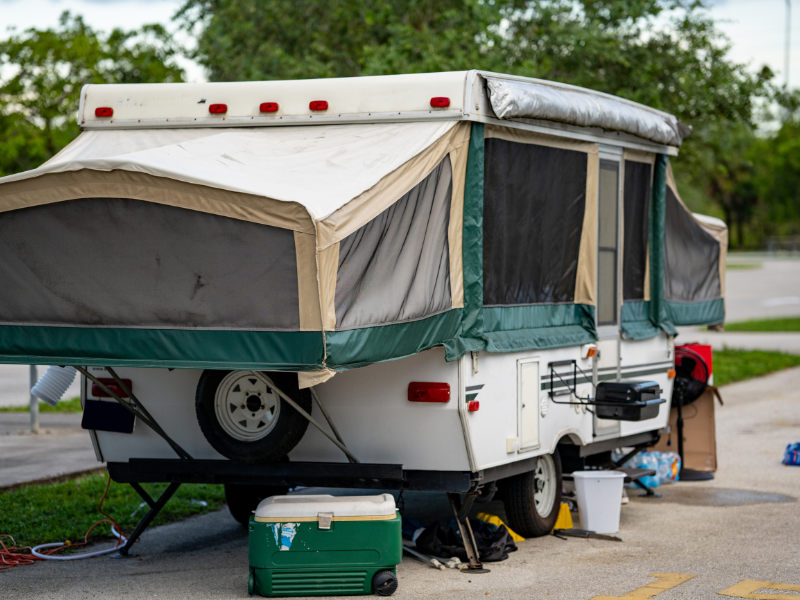
Popup campers and truck campers offer lightweight, budget-friendly options for those who prioritize easy storage and occasional use.
- Pop-up Campers: Fold down for easy storage and towing by a variety of vehicles. Setup is generally quick, with some models taking under 30 minutes. Their compact size makes them ideal for maneuvering into tight campsites and navigating winding roads.
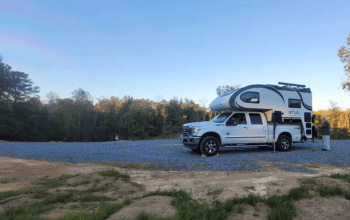
- Truck Campers: Slide into a truck bed, allowing for off-road adventures and access to more remote locations. They are self-contained and offer good ground clearance for rough terrain.
How do I choose the perfect RV for my lifestyle and budget?
Choosing the perfect RV requires careful consideration of your travel style, budget, and needs.
- Travel Style: How often will you travel? What type of camping do you enjoy? How many people will be traveling with you?
- Budget: Determine how much you can afford to spend on an RV, including the purchase price, insurance, maintenance, and ongoing costs like fuel and campground fees. Download an RV budget worksheet to help you track expenses.
- Needs: Consider your must-have features, such as sleeping capacity, kitchen amenities, bathroom facilities, and storage space.
Negotiate prices with dealers, especially for new RVs. Remember that the MSRP is often a starting point, and there’s room for negotiation.
New vs. used RVs: Pros and cons to consider
- New RVs: Offer warranties, the latest features, and the peace of mind of knowing the vehicle’s history. However, they come at a higher cost and depreciate more quickly in the initial years.
- Used RVs: Can be significantly more affordable, allowing you to get more RV for your money. However, they may require more maintenance and repairs, and it’s essential to conduct a thorough inspection before purchasing. Use a checklist to ensure you cover all critical areas.
Renting vs. buying: Which option suits my needs?
- Renting: Allows you to try different RV types without a long-term commitment, making it ideal for occasional use or testing the waters before buying.
- Buying: Offers ownership and the freedom to customize and personalize your RV. It can be more cost-effective in the long run if you plan to use it frequently.
A break-even analysis can help you determine when buying becomes more financially sensible than renting. Consider factors like rental costs, purchase price, and how often you plan to travel.
Essential features to look for in your first RV

Prioritize features based on your travel style and needs:
- Must-Haves: Comfortable sleeping arrangements, adequate kitchen facilities, a functional bathroom, and sufficient storage space.
- Nice-to-Haves: Awnings for shade, outdoor kitchens, entertainment systems, and comfortable seating areas.
- Luxury Upgrades: High-end appliances, residential-style features, and advanced technology.
Consider off-grid capabilities with solar panels and generators if you plan to boondock or camp in remote areas.
What do I need to know about towing and driving an RV?
Safety is paramount when operating an RV. Here are some key things to keep in mind:
- Pre-Trip Checks: Before every trip, perform a thorough inspection of your RV, including tires, lights, brakes, and fluid levels. Use a checklist to ensure you don’t miss anything.
- Backing Up: Practice backing up and maneuvering your RV in open areas before hitting the road. If required, utilize a spotter and proceed cautiously.
- Towing: If you’re towing a trailer, understand your vehicle’s tow capacity and choose the right hitch. Weight distribution and sway control systems can significantly enhance stability and safety.
Understanding tow capacity and hitches for travel trailers
- Tow Capacity: Never exceed your tow vehicle’s maximum tow capacity, which includes the weight of the trailer and all its contents.
- Hitch Types: Different hitches are designed for different weight capacities and trailer types. Common types include:
- Weight-Carrying: For lighter trailers, the tongue weight is supported by the vehicle’s hitch receiver.
- Weight-Distributing: For heavier trailers, this type distributes the tongue weight across the tow vehicle’s axles for better stability.
- Fifth-Wheel: Used for fifth-wheel trailers, this type connects to a special hitch in the truck bed.
- Weight-Carrying: For lighter trailers, the tongue weight is supported by the vehicle’s hitch receiver.
Tips for safely driving a motorhome or towing a camper
- Defensive Driving: Be extra cautious when driving an RV. Maintain a safe following distance, be aware of your blind spots, and anticipate the movements of other vehicles.
- Tire Blowout: If you experience a tire blowout, stay calm, grip the steering wheel firmly, and gradually slow down. Avoid sudden braking or swerving. Pull over to a safe location once you have control of the vehicle.
Required licenses and certifications for RV owners
Licensing requirements for operating an RV vary by state. Some states may require a special license or endorsement if your RV exceeds a certain weight or length. Check your state’s DMV website for specific information.
Consider taking an RV driving course to gain valuable skills and knowledge. Several organizations offer specialized training programs for RV drivers.
How can I make the most of RV living and travel?
- Boondocking: Experience the freedom of off-grid camping by boondocking in remote locations. Conserve resources like water and electricity, and be mindful of your surroundings.
- Online Communities: Connect with other RVers through online forums, Facebook groups, and websites dedicated to the RV lifestyle. Share tips, ask questions, and find inspiration for your next adventure.
Essential RV parts and camping gear for comfortable living
- Tools & Repair Kits: Carry a basic toolkit for minor repairs and maintenance. Include essentials like screwdrivers, wrenches, duct tape, and a tire pressure gauge.
- Storage Space: Maximize your RV’s limited storage space with organizers, bins, and hooks. Utilize vertical space and keep frequently used items easily accessible.
Planning your RV vacations: Destinations and itineraries
- Trip Planning Websites: Utilize online resources like Roadtrippers, RV Trip Wizard, and Campendium to plan your routes, find campgrounds, and discover attractions along the way.
- Pet-Friendly Campgrounds: If you’re traveling with pets, search for campgrounds that welcome furry companions. Many websites and apps allow you to filter your search based on pet policies.
RV parks and campgrounds: Finding the best spots to stay
- Campground Types: Choose campgrounds that suit your preferences and needs:
- Private Campgrounds: Offer a wide range of amenities, from swimming pools and playgrounds to full hookups and Wi-Fi.
- State Parks: Often provide a more natural setting with hiking trails, lakes, and scenic views.
- National Parks: Offer stunning landscapes and unique experiences but may have limited amenities and stricter regulations.
- Boondocking: Enjoy free camping in remote locations without hookups or amenities.
- Private Campgrounds: Offer a wide range of amenities, from swimming pools and playgrounds to full hookups and Wi-Fi.
- Reading Reviews: Before booking a campground, read reviews from other RVers to get a sense of its facilities, atmosphere, and overall experience.
What are the latest trends and innovations in the RV industry?
- Connectivity & Smart Home: RVs are becoming increasingly connected with features like voice control, remote monitoring, and smart appliances. These advancements enhance comfort and convenience on the road.
- Future of RV Design: The RV industry is constantly evolving, with trends towards lightweight materials, alternative energy sources, and innovative space-saving solutions. Expect to see more RVs with features like solar panels, lithium batteries, and modular furniture.
Airstream and other luxury RV manufacturers
- Airstream: Known for its iconic aluminum trailers, Airstream offers high-quality, durable RVs with a timeless design. They are often considered a premium brand with a loyal following.
- Other Luxury Brands: Several other manufacturers cater to the luxury RV market, offering high-end amenities, custom builds, and innovative features. Examples include Tiffin Motorhomes, Newmar, and Entegra Coach.
Eco-friendly and sustainable RV options
- Reducing Environmental Impact: Minimize your RV’s footprint by conserving water, reducing waste, and choosing eco-friendly products. Opt for reusable containers, biodegradable soaps, and energy-efficient appliances.
- Solar & Alternative Energy: Embrace sustainable technologies like solar panels, lithium batteries, and composting toilets to reduce your reliance on fossil fuels and minimize your impact on the environment.
Tech advancements in modern RVs and camper vans
- GPS & Navigation: RV-specific GPS units and apps consider your vehicle’s size and weight, providing routes that avoid low bridges, narrow roads, and other restrictions.
- Self-Leveling Systems: These convenient systems automatically level your RV at the campsite, saving you time and effort.
How has RVing evolved throughout history?
- Early RVs: The earliest RVs were simple living vans and sheep herders’ wagons, offering basic shelter and mobility.
- Milestones: The invention of the first steam-driven motorhome in 1872 and the first gasoline-driven motorhome in 1911 marked significant advancements in RV technology.
- Growing Popularity: The 1920s and 1930s saw increased interest in RVing as manufacturers began producing more commercially available models.
From Wally Byam’s Airstream to modern motorhomes
- Airstream’s Legacy: Wally Byam’s innovative aluminum monocoque trailers revolutionized RV design, offering durability, lightweight construction, and a distinctive aesthetic that remains popular today.
- RV Rallies: RV rallies and gatherings bring enthusiasts together to celebrate the RV lifestyle, share tips and experiences, and forge lasting friendships.
The impact of new national parks on RV culture
- Exploring National Parks: RVs provide a comfortable and convenient way to experience the beauty and wonder of national parks. Many parks offer campgrounds with varying levels of amenities.
- Camping Restrictions: Be aware of national park camping restrictions, such as length of stay limits, generator use regulations, and pet policies.
RV demographics: Who’s embracing the mobile lifestyle?
- Remote Work & RVing: The rise of remote work has enabled more people to embrace the freedom and flexibility of full-time RV living, working from anywhere with an internet connection.
- Full-Time RV Living: Full-time RVing offers a unique lifestyle, allowing you to travel the country, experience different cultures, and connect with nature. However, it requires careful planning, budgeting, and adaptation to a minimalist lifestyle.
Conclusion
The RV lifestyle offers freedom and adventure. Whether you choose a class c or a tent trailer emerge, your journey awaits. Remember, finding the right rental or purchase option is key. For those seeking a reliable platform to connect with RV services and resources, consider exploring Hookhub. It simplifies finding local services, ensuring you’re always prepared for your next adventure.