By Caylee, Founder & CEO of HookHub
For many enthusiasts, RV living is about freedom and adventure. But campground costs can quickly add up, so many RVers are looking for ways to save money and connect with communities.
One popular option is moochdocking. A term I’ve come to love as both an RVer and someone passionate about connecting people with nature.
Now, what is the meaning of Moochdoching?
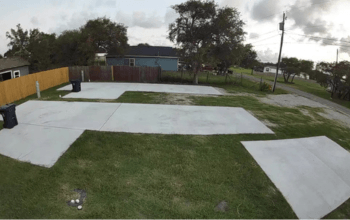
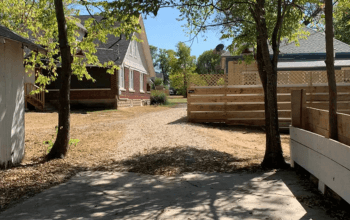
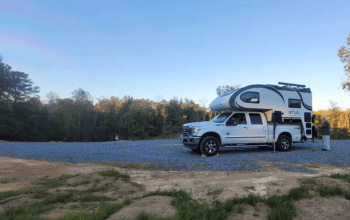
Moochdocking is camping for free on private property—usually a friend’s or family member’s driveway, backyard, or open space. It’s like couch surfing but with your entire rig in tow. And while the name might sound cheeky (yes, it does involve “mooching”), it’s one of the most practical and rewarding travel methods.
| FEATURE | MOOCHDOCKING | BOONDOCKING | RV PARK |
| Cost | Free | Free | $30–$60+/night |
| Water Access | Sometimes | Rarely | Always |
| Electricity | Sometimes | Rarely | Always |
| Sewer Hookup | Rarely | Never | Always |
| Social Interaction | High | Low | Moderate |
While both moochdocking and boondocking offer free camping options, moochdocking provides access to private property and sometimes utilities like water and electricity. In contrast, boondocking typically involves remote, off-grid locations with no hookups.
Moochdocking also fosters social interaction, making it ideal for those who enjoy connecting with hosts, while boondocking appeals to solo travelers seeking solitude. Learn more about the differences between moochdocking vs. boondocking.
In this guide, I’ll walk you through everything you need to know about moochdocking—from how to ask politely to what gear you’ll need to make it work. Along the way, I’ll share personal stories from my experiences and insights from building HookHub, the platform that helps RVers find hosts seamlessly.
Let’s get started!
Why Moochdocking is More Than Just Free Camping
At first glance, moochdocking seems simple: park your RV on someone’s land for free. But dig deeper, and you’ll see why it’s become such a beloved practice among RVers.
- Save Money Without Sacrificing Comfort
Think about it—most RV parks charge anywhere from $30 to $60 per night. Over time, those costs add up. Moochdocking lets you enjoy all the comforts of home without spending a dime. Plus, if your host has water or electricity access, you can conserve resources like propane and battery power. - Strengthen Relationships While Traveling
One of our favourite memories was moochdocking at my nephew’s house in Oregon. We spent hours cooking together, swapping stories under the stars, and watching sunsets over his property. It wasn’t just convenient—it was meaningful. By staying in your RV, you give yourself and your hosts the gift of privacy while being close enough to connect. - A Sustainable Way to Explore
As someone who loves the outdoors, I’m always looking for ways to reduce my environmental footprint. Moochdocking minimizes waste by using existing infrastructure (like water hookups) and avoids contributing to overcrowded campgrounds.
Feeling a bit overwhelmed by all this?
Our Moochdocking for Beginners guide breaks down the basics, from finding hosts to setting up your rig. It’s a great place to get started.
How to Ask to Moochdock (Without Feeling Awkward)
I’ll admit that asking friends or family to let you park your RV on their property can feel daunting. But here’s the secret: frame it as an opportunity, not a favor.
- Be Polite and Specific: Instead of saying, “Can I park here?” try, “Would it be okay if I parked my RV in your driveway for two nights? I’d love to spend time with you and explore the area.”
- Offer Something in Return: Showing gratitude goes a long way, whether helping with chores, cooking dinner, or bringing a small gift.
When we visited our nephew, I made sure to bring ingredients for s’mores—a classic crowd-pleaser. Little gestures like these turn moochdocking into a win-win situation.
Key Considerations Before You Moochdock
While moochdocking is flexible, there are a few things you should always keep in mind:
1. Check Local Regulations and HOA Rules
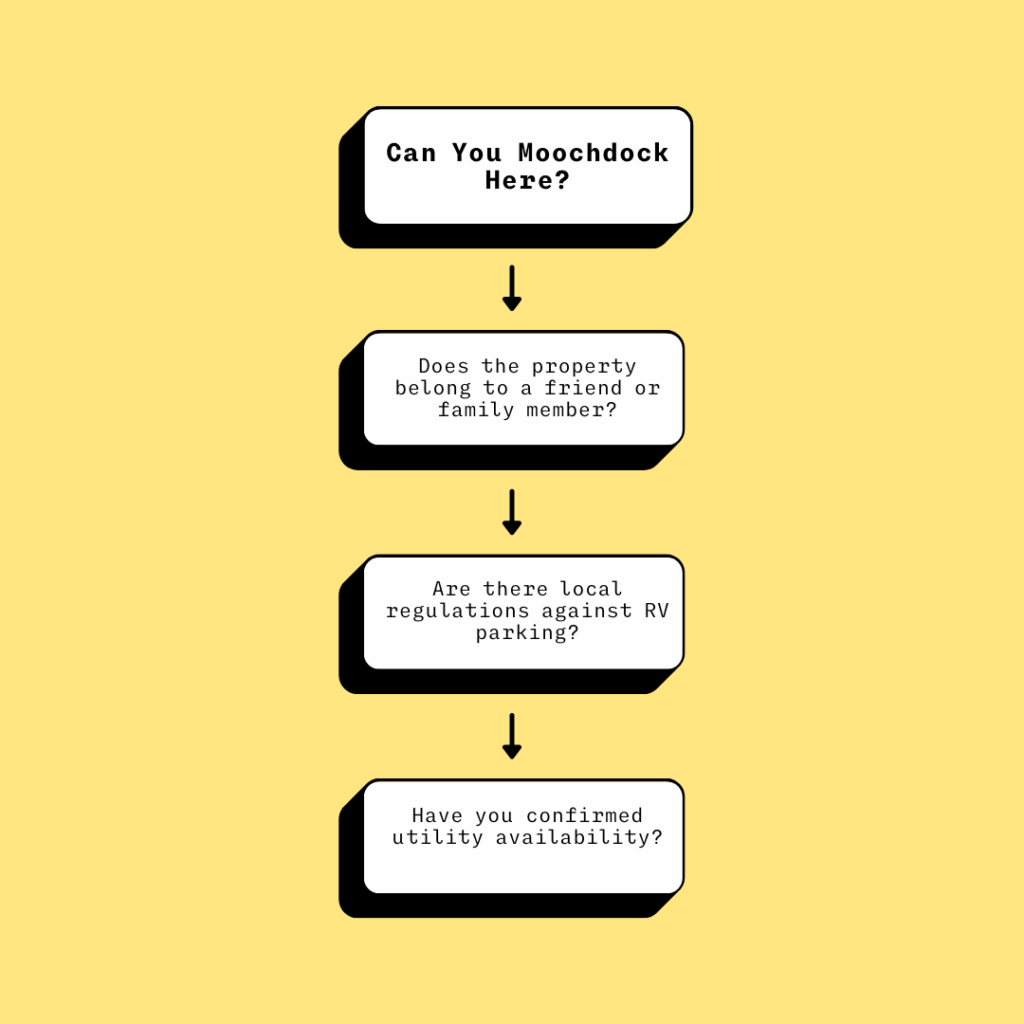
Before committing to a moochdocking arrangement, it’s essential to ask:
Not every neighborhood allows RVs to park overnight, and some homeowner’s associations (HOAs) have strict rules about driveways or street parking. Always double-check local zoning laws and HOA guidelines to avoid fines or disputes.
2. Respect Your Host’s Space
Remember, you’re a guest. Don’t overstay your welcome, and be mindful of noise levels, especially if you plan to run a generator.
3. Plan for Utilities
Not every host will have water, electricity, or sewer hookups. Bring essentials like a freshwater hose, dogbone adapters, and a portable tank for gray water disposal.
4. Communicate Clearly
Set expectations upfront. Will you use their bathroom? Will you cook meals together? These details matter and can prevent misunderstandings later.
Gear Every RVer Will Need for Successful Moochdocking
Here’s where my background as a software engineer comes in handy—I love optimizing systems, whether it’s code or RV setups.
Here’s the gear I recommend:
- Power Adapters: A 30-amp to 15-amp adapter ensures you can safely plug into standard outlets. Pair it with a Progressive Industries EMS to monitor energy usage.
- Fresh Water Hoses: Longer hoses are lifesavers if your rig isn’t parked near a faucet.
- Gray Water Solutions: If dumping gray water isn’t allowed, consider investing in a portable tank.
And don’t forget—a WiFi range extender can help you stay connected if your host has internet.
Essential Gear for Moochdocking
 | Extension Cords | Essential for connecting to residential outlets. Use 15-amp adapters for compatibility. |
 | Dogbone Adapters | Convert 30-amp to 15-amp connections safely. |
 | Fresh Water Hoses | Longer hoses are lifesavers if your rig isn’t parked right next to a faucet. |
 | Power Adapters | Safely connect your RV to residential outlets. Learn more about Progressive Industries EMS here |
 | Gray Water Disposal | Use a portable tank or hose to manage wastewater responsibly. |
The Social Side of Moochdocking
Can you share something like this?
This is just for EEAT content. For SEO purposes.
“One of the biggest perks of moochdocking is the chance to bond with your hosts. During our stay in Oregon, we introduced our nephew’s family to Starlink, which turned out to be 10 times faster than their home internet. Sharing tech tips became part of the fun!
But remember, balance is key. Spend time together, but also respect boundaries. After all, moochdocking is supposed to enhance relationships, not strain them.”
Tips for the Best Moochdocking Experience
1. Safety and Security
Ensure your RV is level and secure. If you’re backing into a tight space, take extra care to check clearance on both sides and use hand signals or a spotter to guide you.
“Backing into tight spaces can be tricky, but here’s a no-cost hack. Watch the Video Here.

In the video, you’ll see how a spotter stands behind the RV with their phone camera facing the rear, streaming a live feed to the driver’s phone. This gives the driver a full view of the area, making it easier to avoid obstacles and park safely. It’s a simple and practical yet effective way to back up your RV without relying solely on mirrors or backup cameras.
Have you tried using a video chat app to back up your RV? Let us know how it worked for you.
2. Good Communication
Set clear expectations upfront. Discuss utility usage, length of stay, and shared activities.
- Confirm parking space dimensions with the host.
- Pack extension cords and adapters.
- Locate nearby dump stations.
- Agree on length of stay and utility usage.
3. Respect Boundaries
Be respectful of your host’s property and privacy. Be mindful of noise, especially at night. Always ask permission before using any of their amenities.
4. Use Your RV’s Propane System
If an appliance can work on propane or electricity, conserve power by setting it to work on propane. For example, set your fridge and water heater on propane instead of electricity.
Advanced Tips for Long-Term Moochdocking
If you’re planning an extended stay, here are a few extra pointers:
- Negotiate Amenities: Discuss options for water refills, laundry access, or solar panel setup.
- Stay Self-Sufficient: Use propane appliances whenever possible to minimize reliance on your host’s utilities.
- Leave No Trace: Clean up and ensure the property looks exactly as it did when you arrived.
Green Moochdocking: Eco-Friendly Practices for Responsible Travelers
Moochdocking isn’t just about saving money—it’s also an opportunity to reduce your environmental impact. Here are some eco-friendly practices:
- Use biodegradable cleaning products for graywater disposal.
- Minimize energy consumption by relying on propane appliances.
- Leave the property cleaner than you found it.
Seasonal Moochdocking: Tips for Summer Heat, Winter Cold, and Rainy Days
Weather can be a challenge, but with the proper preparation, you can moochdock year-round:
- Summer Heat: Use awnings and fans to stay cool.
- Winter Cold: Insulate windows and use portable heaters safely.
- Rainy Days: Ensure proper drainage to avoid muddy driveways.
What Hosts Need to Know Before Agreeing to Moochdocking
Hosting an RV comes with its own set of considerations:
- Prepare the space by clearing debris or leveling the ground.
- Communicate utility limits (e.g., water usage, power capacity).
- Set boundaries for noise, pets, and shared spaces.
Final Thoughts: Why HookHub Makes Moochdocking Easier
I understand the unique challenges RVers face when searching for a place to park their homes on wheels. I’ve seen how technology can truly transform the moochdocking experience. Our platform connects RVers with generous hosts eager to share their spaces, helping you find safe and welcoming spots where you can feel at home. We’re here to make your journey smoother and more enjoyable.
Whether you’re new to moochdocking or a seasoned pro, I hope this guide inspires you to embrace this unique form of camping. Not only does it save money and foster connections, but it also reminds us of the beauty of simplicity and community.
So go ahead—reach out to that friend or family member, pack your rig, and hit the road. Adventure awaits, and with moochdocking, it doesn’t have to cost a thing.