Moochdocking vs. boondocking: These terms often confuse RVers. This guide clarifies the difference between boondocking and mooch docking, helping you choose the right camping style. We’ll explore each option, comparing their pros, cons, and key distinctions to make your RV adventures more enjoyable.
Moochdocking vs. Boondocking: A Head-to-Head Comparison
| Feature | Moochdocking | Boondocking |
| Location | Private property (friend or family member’s) | Public lands (BLM, National Forest) |
| Hookups | May be available (water, electricity) | Not available (dry camping) |
| Cost | Free or low-cost | Free |
| Amenities | Variable (depends on host) | None (unless at a designated campground within public lands) |
| Privacy | Variable (depends on location) | High |
| Social Aspect | Interacting with host | Solitude |
| Regulations | Host’s rules | Public land rules (check and follow local rules) |
Understanding the Difference Between Boondocking and Dry Camping
The terms “boondocking” and “dry camping” are sometimes used interchangeably, but they have slightly different definitions. Dry camping means camping without hookups. Boondocking, while also without hookups, often implies camping on public lands in remote locations. So, all boondocking is dry camping, but not all dry camping is boondocking.
Defining Moochdocking: The “Friendly” RV Stay
Moochdocking is camping on private property, typically belonging to family and friends. It’s like boondocking but with a personal connection. You park your RV in their driveway, a spot on their property, or a designated area, and you may have access to amenities like electricity and water hookups. Think of it as a guest bedroom for your RV. It’s a great way to visit family and friends.
Moochdocking: Pros and Cons
Moochdocking offers several advantages:
Pro: Cost savings – you avoid campground fees.
Pro: Personal connection – you get to spend time with people you’re close to.
Con: Dependence – you rely on your host’s property and schedule.
Con: Privacy may vary depending on the setup.
Defining Boondocking: Off-Grid RV Adventure
Boondocking is camping in your RV in remote locations without hookups. This often means dry camping on public lands like BLM or National Forest areas. Boondocking sites are usually dispersed campsites, not designated campgrounds. It’s a true off-grid adventure.
Boondocking: Pros and Cons
Boondocking offers a different set of benefits and challenges:
Pro: Immersion in nature – you can enjoy secluded and scenic locations. Pro: Solitude – you can get away from crowds. Con: Self-sufficiency – you must manage your water, power, and waste independently. Con: Limited amenities – you won’t have access to hookups or other campground facilities.
Planning Your Stay: Tips for Both Moochdocking and Boondocking
Planning is key for both types of RV stays.
Moochdocking Tips:
- Communicate clearly with your host about your needs and expectations. Let them know when you’ll arrive and depart.
- Be prepared for potentially limited hookups.
- Follow good guest etiquette (discussed later).
Boondocking Tips:
- Research suitable locations on public lands (BLM, National Forest).
- Plan for water and power management.
- Have a proper waste disposal plan.
Essential Gear for Boondocking Adventures

Boondocking requires some specialized gear:
| Water | A large freshwater tank and gray/black water tanks. |
| Power | A generator, solar panels, or a robust battery system |
| Waste | A portable toilet or composting toilet. |
| Safety | A first-aid kit and an emergency communication device. |
Choosing the Right RV Stay for You
When choosing between mooch docking and boondocking, consider your travel style, desired comfort level, and budget.
Do you prefer social interaction or solitude?
Are you comfortable with limited amenities?
RV Parks: A Third Option
RV parks offer a third option with varying amenities, from essential hookups to full-service sites. They are expensive but provide convenience and access to showers, laundry, and dump stations.
Debunking Common Myths About Boondocking
Myth: Boondocking is dangerous. With proper planning and safety precautions, it can be a safe and enjoyable experience. Myth: Boondocking is illegal. Camping on designated public lands is allowed, but checking local regulations and obtaining necessary permits is essential.
Boondocking Etiquette: Respecting Public Lands
Responsible boondocking is crucial for preserving these natural spaces. Follow “Leave No Trace” principles: pack out all trash, minimize your environmental impact, and respect wildlife.
Resources for Finding Boondocking Locations
Several resources can help you find boondocking locations:
BLM website: Provides information on public lands and dispersed camping. FreeRoam, Campendium, The Dyrt: Apps and websites with user-submitted reviews and campsite information.
RV Camping: Tips for Every Type of Trip
Regardless of your camping style, some general RV tips apply:
Regular RV maintenance: Check tires, fluids, and other essential components. Proper packing: Bring only what you need to avoid overloading your RV. Safety first: Have a well-stocked first-aid kit and an emergency communication plan.
Different Types of RVs and Their Suitability
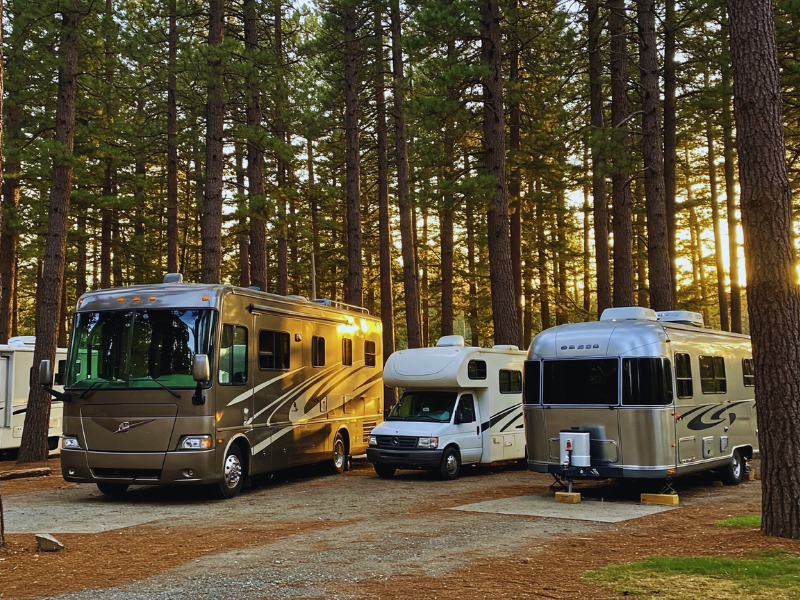
Different RV types are better suited for different camping styles. Class A motorhomes are spacious but may have difficulty accessing remote boondocking locations. Class B RVs (camper vans) are more nimble and better suited for off-grid adventures. Travel trailers and fifth wheels balance space and towability but require a suitable tow vehicle.
Matching Your RV to Your Camping Style
When choosing between mooch docking, boondocking, and staying at RV parks, consider your RV’s size, capabilities, and self-sufficiency.
Conclusion
Moochdocking and boondocking both offer unique ways to experience the RV lifestyle. Moochdocking offers a social and often more comfortable experience, while boondocking provides a more rugged, nature-immersive adventure. Choosing the right style depends on your personal preferences and travel goals. You can make informed decisions about your RV trips by understanding the key differences between moochdocking and boondocking.