Starting an RV park or campground can be a rewarding business venture. Imagine, you create a haven for travelers and nature lovers alike where they can rest and rejuvenate in a beautiful setting. Moreover, it capitalizes on the growing demand in the outdoor recreation industry. In this blog, we will guide you through the essential steps to bring your vision to life.
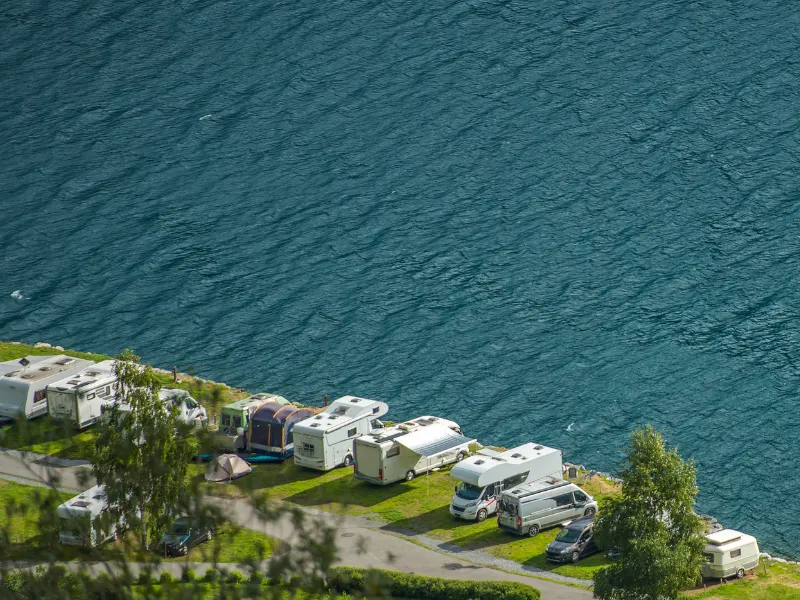
With the right approach, you can create a thriving RV park that not only generates revenue but also provides a unique experience for visitors. The process involves several key steps, including market research, business planning, and securing financing. By understanding these elements, you can set your campground and RV park up for success
Planning and Research Before You Start an RV Park
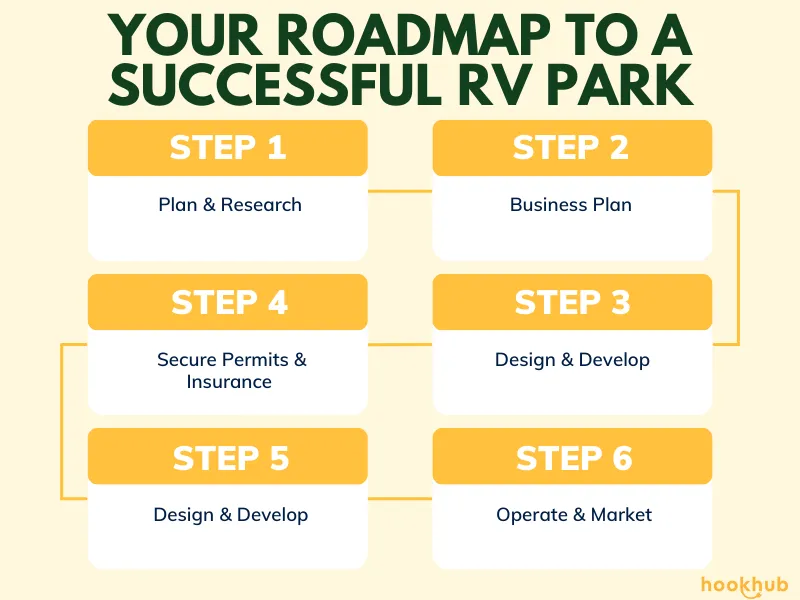
Starting an RV park requires careful planning and research. This step is key to making smart decisions and ensuring success.
1. Conduct Market Research and Identify Your Target Audience
Just like any other businesses, knowing your market is essential. We must look at tourism data, trends, and RV traveler needs. This helps us create an RV park that meets our audience’s expectations.
To do good market research, we should:
- Study local tourism statistics and camp trends
- Identify the demographics of typical RV travelers
- Survey potential customers to understand their preferences
Did you know that there are people who consider doing full-time RV living? Help them decide by letting them use our RV Living Cost Calculator.
2. Analyze Competitors and Find Your Unique Selling Proposition
It’s important to know what makes us different from competitors. We need to find and highlight our unique features.
A thorough competitor analysis includes:
- Identifying existing RV parks and campsites in the area
- Evaluating their amenities, pricing, and customer reviews
- Determining our unique selling proposition (USP)
3. Create a Comprehensive Business Plan
A detailed business plan is vital for getting funding and guiding our RV park’s development. It outlines our goals, strategies, and financial plans.
Key parts of a business plan are:
| Component | Description |
| Executive Summary | Overview of the RV park concept and goals |
| Market Analysis | Detailed analysis of the target market and competition |
| Financial Projections | Revenue and expense forecasts |
By taking these steps and making a solid business plan, we can set our RV park up for success.
Finding and Securing the Perfect Location
Finding the right spot for your RV park is key. It affects how attractive and profitable it can be. Think about several important factors.
Key Factors to Consider When Selecting Land
Look for land that’s big enough, easy to get to, and has natural beauty. A spot near a major highway with large acreage and nice views or attractions is great for travelers.
A big piece of land with different landscapes can make your park stand out. Also, think about how close it is to places RVers might need, like stores and repair shops.
Land Use Regulations and Zoning Requirements
It’s vital to know the local land use regulations and zoning requirements to avoid legal trouble. Make sure your RV park follows all local rules.
Do your homework and talk to local officials to understand what’s needed. For more help, check out RV park location analysis for tips on finding the best spot.
| Regulation | Description | Compliance Requirement |
| Zoning Regulations | Dictate how land can be used | Ensure RV park is zoned for commercial recreational use |
| Environmental Regulations | Protect natural resources | Conduct environmental impact assessments as needed |
| Health and Safety Codes | Ensure facilities meet health and safety standards | Regular inspections and compliance with health codes |
Evaluating Existing Campgrounds for Purchase
Buying an existing campground is another good option in building an RV park. It lets you jump into the market fast, since the site is ready for RVs.
When looking at an existing campground, check its facilities, how full it is, and if it can grow or get better. This can be smart, using an already built customer base and setup. Moreover, knowing all seasons for RV travel living will help you design your business perfectly.
Navigating Legal Requirements and Permits
Starting an RV park is more than just picking a location. It’s about dealing with a lot of legal matters. Knowing the law is key to avoid problems and run your business smoothly.
Obtaining Necessary Business Licenses and Permits
To run an RV park, you need different licenses and permits. These depend on where you are, so check your area’s rules.
In general, you’ll likely need:
- A business license to run a commercial place
- Zoning permits to follow local land-use rules
- Health department permits for things like pools or food services
- Environmental permits, which we’ll talk about more below
It’s a good idea to talk to local officials and maybe get help from a pro. This way, you’ll make sure you have all the right papers.
Understanding Environmental Regulations
Environmental rules are very important for RV parks. They help keep nature safe and make sure your business is green.
Focus on:
- Water management: Follow water-saving and waste rules.
- Waste disposal: Use good systems for recycling and throwing away trash.
- Land use: Stick to rules about how you use your land, if it’s near nature.
Great tip: Following these rules not only protects the environment but also makes your RV park more appealing to green travelers.
Insurance Requirements for RV Park Owners
Insurance is key to managing risks in your RV park. You’ll need to get several kinds, like the list below.
| Insurance Type | Description |
| General Liability | Covers injuries or damages to others on your property |
| Property Insurance | Keeps your investment safe from disasters, theft, etc. |
| Business Interruption Insurance | Pays for lost income if you have to close temporarily |
Get help from an insurance expert who knows RV parks. They can make a policy that fits your needs.
Follow and incorporate these legal steps and get the right permits, licenses, and insurance, and you’re on your way to a successful RV park.
How to Start an RV Park: Design, Development, and Operations
Starting an RV park is more than just picking a location. It’s about creating a great experience. A well-designed RV park boosts customer happiness, leading to more reviews and return visits.
Creating Optimal RV Site Layouts and Hookups
Designing RV site layouts is about planning site placement for easy access and enough hookups for water, electricity, and sewage for wastewater. Sites should have enough space for RVs and their awnings.
A good layout also allows traffic to flow smoothly, making it easy for guests to get around. For more tips on designing the perfect RV park, check out our guide on RV park infrastructure planning.
Essential Amenities and Facilities
Offering essential amenities makes your park welcoming. Amenities like clean bathrooms, laundry, and a pool or hot tub are must-haves. Wi-Fi connectivity for RV is also crucial for today’s travelers and campers.
We also need to offer the following:
- Clean and well-maintained restrooms and showers
- Laundry facilities with washers and dryers
- Recreational areas, such as a swimming pool or playground
- Convenience store or on-site dining options
- Infrastructure Development: Roads, Utilities, and Wi-Fi
Building the right infrastructure is crucial. This includes strong roads, utilities like water and electricity, and reliable Wi-Fi connectivity.
Good infrastructure improves the guest experience and boosts park efficiency and profits. We must ensure our utilities can handle guest demands, even in busy seasons.
Financial Considerations and Revenue Streams
Understanding RV park finances is another key to success. This means managing costs and finding ways to make money. Money can come from renting sites, laundry services, and retail or dining options.
To increase revenue, we should watch market trends and adjust prices. Offering good deals during slow times can keep guests coming back.
For more insights on opening a successful campground, explore resources like TouchStay’s guide. It offers valuable information on managing and operating a campground.
Key Takeaways
- Conduct thorough market research to understand your target audience.
- Develop a comprehensive business plan that includes budgeting and forecasting.
- Secure appropriate financing to cover initial investments.
- Choose a location that’s accessible and appealing to RV travelers.
- Obtain all necessary permits and licenses to operate your RV park.
Conclusion: Keys to Success in the RV Park Business
Starting a successful RV park business needs careful planning and good management. It also requires a focus on making guests feel welcome. By following this guide, we can make a thriving RV park that draws visitors and makes money.
To improve our RV park, we should focus on design, development, and money matters. We need to create great RV site layouts, offer important amenities, and manage our finances well. This will ensure that our RV park continues to do well.
By putting guests first and focusing on hospitality and their needs, we can make a friendly and profitable RV park. With hard work and a commitment to being the best, we can succeed in the RV park business and build a loyal group of customers.
FAQs
What are the key factors to consider when selecting land for an RV park?
When picking land for an RV park, we look at size, accessibility, and attractions nearby. We also check local zoning and land use rules to follow them.
How do I navigate the process of obtaining necessary permits and licenses for my RV park?
We get business licenses and follow environmental rules. We also get insurance. Knowing these steps helps us avoid legal problems and run our park smoothly.
What are the essential amenities and facilities that I should provide in my RV park?
We need to have bathrooms, showers, and laundry. Wi-Fi, a pool, and activities can make the stay better for guests.
How can I create optimal RV site layouts and hookups?
We plan RV site layouts based on RV size and our services. We make sure sites have water, sewage, and electricity hookups.
What financial considerations should I take into account when starting an RV park?
We think about money like revenue, occupancy, and costs. A good business plan helps get funding and makes smart decisions.
How can I ensure the profitability of my RV park?
Focus on design, development, and money matters. A welcoming place, great service, and smart management help make money and save costs.
What are the benefits of evaluating existing campgrounds for purchase?
Buying an existing campground can speed up starting our business and cut costs. We use the place’s setup and customers to make money.
How can I streamline the process of building a campground or RV park?
We do market research, make a detailed plan, and follow laws. Good design, development, and money planning are key for success.
What type of insurance coverage do I need for my RV park?
We need insurance to protect our business from risks. This includes general liability, property, and other specific coverages.