Finding moochdocking locations is a top priority for many RV owners. This guide provides a comprehensive approach to finding free camping spots and ensuring you’re a welcome guest. We’ll cover everything you need to know, from leveraging your personal network to online resources, and offer essential etiquette tips for a successful moochdocking experience.
Understanding Moochdocking: What It Is and What It Isn’t
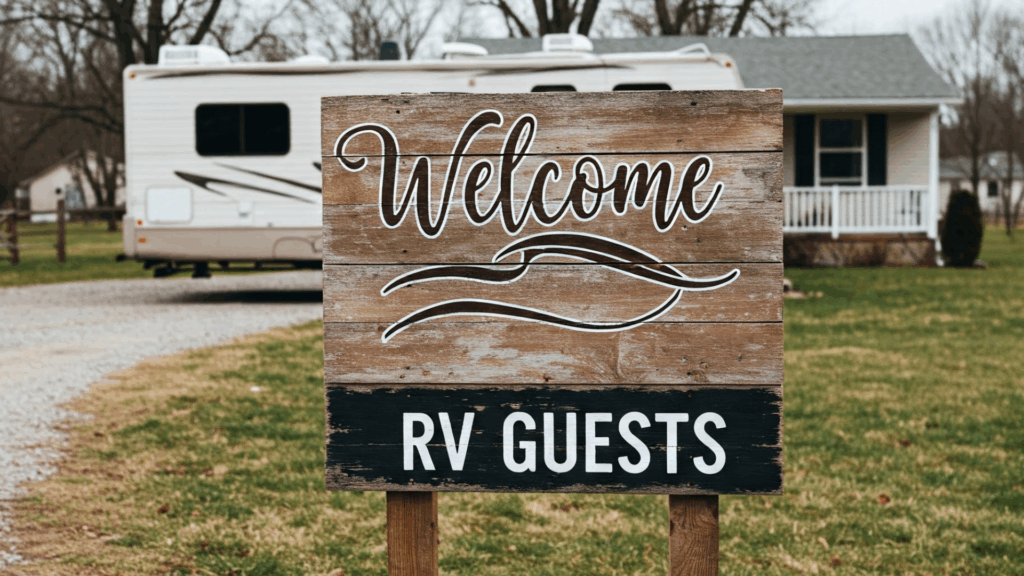
Moochdocking is when you park your RV on private property, usually owned by a friend or family member. It’s a great way to visit family and friends while saving money on campground fees.
Moochdocking is different from staying at a traditional RV park with amenities like hookups and a dump station. It is also distinct from boondocking, which typically involves camping on public land.
While it might seem similar to driveway surfing, moochdocking often involves a closer relationship with the host and may include access to their utilities.
Moochdocking vs. Boondocking: Key Differences
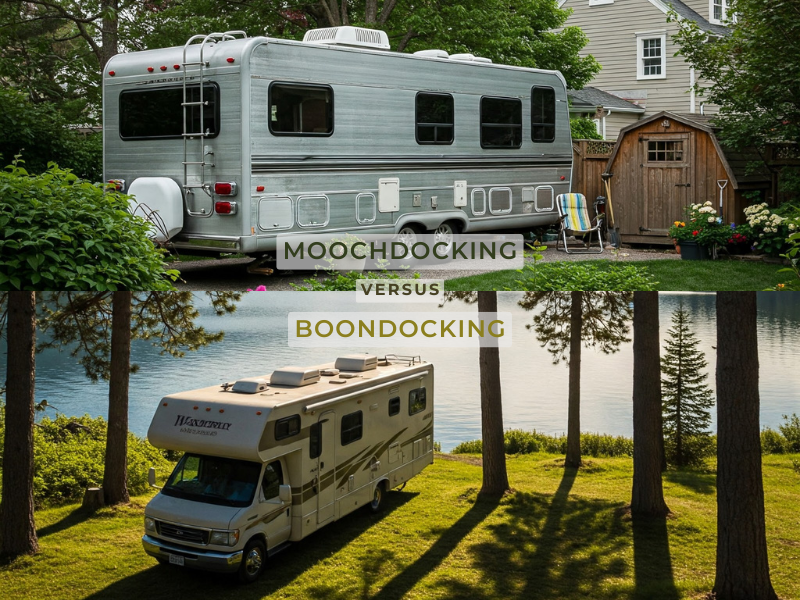
Moochdocking and boondocking, while similar in their lack of full hookups, differ significantly in location and available amenities.
Boondocking is dry camping on public land (often BLM-managed), whereas moochdocking occurs on private property with the owner’s consent and may include access to utilities. Knowing these distinctions is key to both site selection and proper etiquette
Where to Find Moochdocking Locations
Finding moochdocking locations involves a combination of networking and research.
- Personal Network: Start with your friends or family. They are the most likely to allow you to park on their property. Think about friends or family members who own land, have large driveways, or live in areas you want to visit. It’s a great way to visit family and friends. Don’t overstay your welcome.
- Online Communities: While there isn’t a dedicated “moochdocking” app, online RV communities and forums are a great way to connect with other RVers and potentially find leads. You can also find boondocking sites that are usually listed in various apps.
- Networking: Talk to other RVers you meet on the road or at campgrounds. They may have had positive moochdocking experiences and be willing to share their contacts.
- Local Connections: If you visit a specific area, consider contacting local businesses or landowners directly. Explain your situation and ask if they would be open to hosting you for a short stay. Be sure to check and follow local rules and ordinances.
Utilizing Online Tools to Find Boondocking Sites
Several apps and websites can help you find boondocking sites on public land, which can be a good option if you can’t find a moochdocking location. These tools often provide information about BLM land, dispersed camping areas, and other public lands that allow free camping. Remember, check and follow regulations regarding maximum stay, fire rings, and other local ordinances.
Asking Permission: Approaching Potential Hosts
You must approach the host respectfully when you find a potential moochdocking location. Do you want to ask someone to host you? Here’s a simple script you can adapt:
“Hi [Host’s Name], my name is [Your Name], and I’m traveling in my RV. I noticed you have a beautiful property, and I was wondering if you might consider allowing me to park my RV on your land for a few nights. I’m a responsible RVer, and I would be happy to [offer something in return, e.g., help with chores, offer a small gift]. I understand if you’re uncomfortable, but I thought I’d ask.”
Be clear about your needs (hookups, RV size, etc.), and be prepared for a “no” answer. Don’t let disappointment turn into pressure.
Moochdocking Etiquette: Being a Fantastic Guest
Good moochdocking etiquette is essential for building relationships and ensuring future opportunities.
- Respect Property: Park where you’re told to, and don’t trespass on other parts of the property. Ensure you don’t draw too much power and blow a breaker. Be sure to leave the property as clean as you found it.
- Manage Resources: Use water and electricity responsibly. If you have a freshwater tank and water tanks for gray water and black water, use them. Ask your host about their preferences for wastewater disposal. Using a generator, be mindful of noise and run it only when necessary. If you are using shore power, ensure you don’t draw too much power and cause an inconvenience.
- Communicate: Keep your host informed of your plans. Let them know when you’ll arrive and depart. If you’re extending your stay, ask for permission first. Communicate openly about any issues or concerns.
- Express Gratitude: A thank-you note, a small gift, or an offer to help with chores is a nice gesture. Let your host know you appreciate their hospitality. Even something as simple as a bottle of wine can make a big difference.
Considerations When Choosing a Moochdocking Location
Several factors should influence your choice of a moochdocking location.
- RV Size and Access: Ensure your RV can easily access and maneuver around the property. Consider road conditions, overhangs, and tight turns. If you have a Class C or a traditional RV, be sure they can accommodate you. You’ll also want to ask them to measure their driveway to ensure you don’t use someone’s driveway that may not work.
- Hookups: Determine if you need hookups for water and electricity. If you plan to use their electricity, ask them to measure to ensure you don’t draw too much power and cause an inconvenience. Ask about the amperage of their power supply (e.g., 30-amp, 50-amp). Do they have potable water available?
- Amenities: Consider how close you want to be to grocery stores, gas stations, and other amenities.
- Safety: Choose a location that feels safe and secure. A quiet neighborhood is often preferable.
- Local Rules: Be aware of local ordinances regarding overnight parking or RV stays. Some areas, especially areas like HOAs, may not allow it. You’ll also want to closely monitor local rules and ordinances regarding human waste and graywater disposal.
Moochdocking and RV Parks: A Balanced Approach
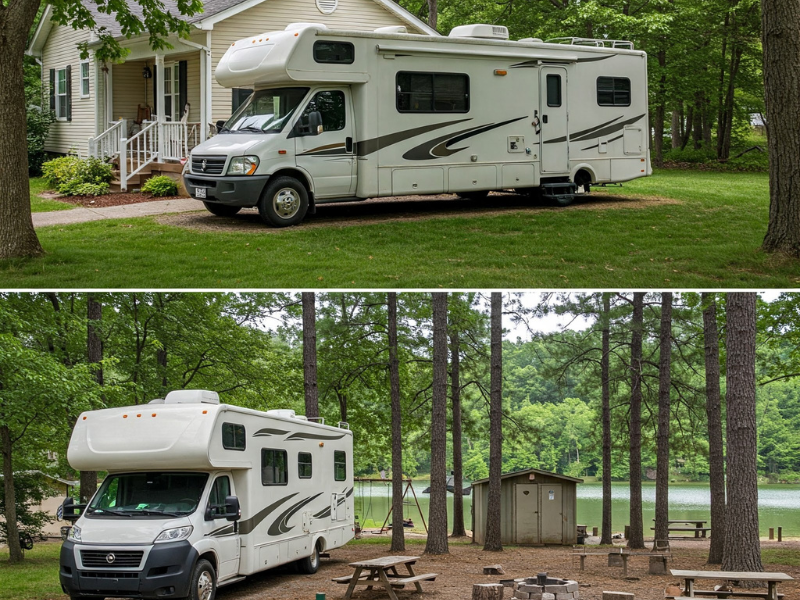
While moochdocking is convenient for visiting family and friends, it’s not a binary decision. Many RVers use a combination of moochdocking and staying in a campground. Moochdocking is ideal for short visits, while RV parks offer more amenities for longer trips.
You might moochdock for a few days and then spend a night or two at an RV park to dump your tanks, restock supplies, and access amenities like laundry facilities.
Conclusion
Finding moochdocking locations requires some effort, but the rewards are well worth it. You can enjoy free RV stays and build lasting connections by leveraging your network, utilizing online resources, and following proper etiquette. Remember, being a considerate guest is paramount to successful moochdocking. So, start planning your next trip and explore the world of moochdocking locations!