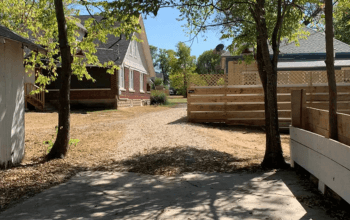
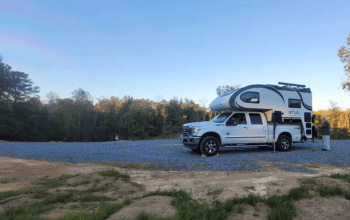
Screening long-term RV guests is not about being suspicious. It is about protecting your property, your neighbors, and the guest experience for a 30- to 90 night stay.
If you are hosting on private land in Arizona, your screening process should match your offer: one RV, one spot, and one long-term stay, with clear expectations from day one. If you want the full context for how monthly hosting works, start with the monthly RV hosting playbook.
Quick takeaways
- Screen for fit, not perfection.
- Ask questions that affect safety, utilities, and house rules.
- Keep your process consistent so it feels fair.
- Put the most important details in writing before arrival
- Avoid questions that feel personal, intrusive, or unrelated
- Use systems that reduce how much screening you personally have to do
What screening is really for (and what it is not)
A monthly booking is longer than a weekend reservation, so fit matters more. You are choosing a good match for your land, and the guest is choosing a stable place to park and live in their RV for a while.
That means your questions should focus on:
- The RV and setup (size, hookups, power needs).
- The stay details (dates, length of stay, work schedule)
- The people and pets (head count, pet type, children, and families)
- The house rules that protect the property
It should not turn into a lifestyle evaluation or an interrogation.
When to screen (simple timing that works)
For monthly stays, screening works best in three moments:
- Before you approve the booking request, confirm basics and deal-breakers.
- Right after you accept: confirm arrival plan, check-in details, and utility expectations.
- A week into the stay: a quick check-in to catch small issues before they become big ones.
This keeps the process calm and prevents last-minute surprises.
The best screening questions to ask (Copy + Paste)
Use these as a starting list. You can send them by message or email, then keep the answers in your notes.
The RV and site fit
- What type of RV are you bringing (travel trailer, 5th wheel, or motorhome)?
- What is the length of the RV, and do you tow a vehicle?
- Do you need 30 or 50 amps of power?
- Will you be using space heaters or other high-draw appliances?
Utilities and waste
- Are you expecting full hookups, or are you comfortable with a partial hookup setup?
- Do you understand how water and sewer work at this spot?
- If a sewer is not available, are you comfortable with the waste plan (holding tank, pump-out service, dump station routine)?
If you want a simple way to keep utility expectations consistent across guests, point them to your utilities policy for monthly stays.
Stay details
- What dates are you targeting, and what is your ideal length of stay?
- What brings you to the area (work, family, or seasonal travel)?
- What is your typical daily schedule (quiet hours fit matters)?
People, pets, and visitors
- How many people will be staying in the RV?
- Are you traveling with pets? If yes, what kind and how many?
- Do you expect frequent visitors, and will anyone park an extra vehicle on site?
House rules alignment
- Have you read the house rules, and do you agree to them?
- Are you comfortable with a no-party policy and quiet hours?
- Do you smoke, and if yes, where?
What not to ask (and what to do instead)
Some questions create friction, even if you mean well. Keep your screening focused on the stay.
Avoid:
- Questions about personal background that do not affect the booking
- Anything that sounds like you are judging someone’s lifestyle
- Vague questions like “Are you responsible?”
Do this instead:
- Ask about the RV, the setup, and the plan
- Ask about house rules compliance in plain language
- Ask for complete details that affect the property
Red flags that matter for long-term stays
A red flag is not a new RV or a first-time camper. It is a mismatch.
Watch for:
- Refusing to answer basic questions about the RV or headcount
- Pushing for exceptions to house rules before arrival
- Unclear plans for waste when sewer is not available
- A pattern of last-minute changes to dates or people
How Hookhub Handles Screening (So You Don’t Have To)
Everything above works — but you shouldn’t have to personally manage all of it every time.
This is where Hookhub changes the experience for private land hosts.
Built-in guest vetting
Hookhub verifies guests before they ever arrive, reducing mismatches before the first message is sent. You’re not starting from zero trust.
Structured booking terms that prevent squatter risk
Monthly stays on Hookhub are governed by platform-enforced agreements that:
- Clearly define the stay length
- Prevent tenant-style claims or squatter scenarios
- Establish enforceable move-out terms
You’re hosting — not becoming a landlord.
Guaranteed monthly payments
With Hookhub, you’re paid on schedule, even if a guest pays late. You don’t chase rent, reminders, or awkward conversations.
Damage protection and insurance included
If something goes wrong, you’re not navigating it alone. Hookhub provides built-in protection so issues don’t become personal or financially stressful.
Support for unruly or misaligned guests
If a guest violates rules or creates conflict, Hookhub assists with communication, enforcement, and resolution. You’re not left to manage confrontation on your own property.
Messaging and documentation that protects you
Key details are documented through the platform:
- Utilities
- Rules
- Stay terms
- Payments
This creates clarity and reduces disputes without constant back-and-forth.
After Screening: Confirm Once, Then Relax
Before arrival, confirm in writing:
- Dates and length of stay
- Utility setup and allowances
- Key house rules
- Arrival and check-in plan
With Hookhub, much of this confirmation is standardized and enforced automatically, so hosting stays calm even for longer stays.
The Real Goal of Screening
Good screening isn’t about control.
It’s about removing uncertainty.
The best monthly hosts ask fewer questions because:
- Their listing sets expectations
- Their platform enforces terms
- Their income and property are protected
Hookhub exists to make long-stay hosting feel structured, predictable, and low-drama — even for first-time hosts.
If you want monthly RV income without managing every detail yourself, start with the 15-Minute Property Assessment and see how Hookhub supports screening, payments, protection, and communication from day one.
References
RoverPass Annual Report (industry context on campground marketplace trends)