Pricing a monthly RV spot is less about copying an RV park price sheet and more about answering one question: what is a fair monthly rate for this specific RV site, given its hookups, access, and the kind of guest you want for a monthly stay?
If you’re building a long-stay offer on private land in Arizona, start with the Arizona monthly-stay hosting guide. It sets the expectations that make pricing feel reasonable on both sides.
A good price does two things at once: it protects your budget (utilities, wear, time) and it stays competitive against the cost of staying at an RV park without trying to be a luxury RV resort.
Quick takeaways
- Price monthly first, then back into per night only for comparison.
- Separate your base rate from variable utility use so you don’t undercharge.
- Charge for value, not just amenities like wi-fi.
- Use a simple three-tier model: basic, standard, and premium.
- Keep fees minimal and explain them in plain language.
Step 1: Define what you’re selling (site type + guest fit)
Before you do math, decide what your rental is.
On private land, you’re usually offering one of three experiences:
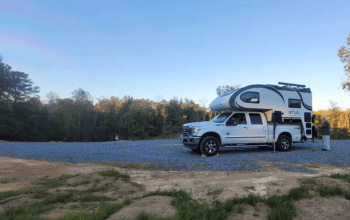
- Basic: a safe place to park, simple access, limited amenities, maybe dry camping.
- Standard: reliable hookup, clear arrival instructions, and a setup that works for months.
- Premium: full hookups, extra privacy, and site features that feel closer to an RV resort experience.
This matters because different rates based on experience are normal. Many RV parks do the same thing with per-site pricing.
Step 2: Anchor your price with comps (without copying them)
Guests will compare you to RV park prices, even if you’re not a campground.
Your goal is to understand the range, not to match it.
A simple comp check:
- Pick 5 to 10 nearby options (RV parks located near your town, plus one monthly RV park option closer to nearby cities).
- Write down their monthly rates and any weekly rates they publish.
- Note what they include: sewer, laundry facilities, swimming pools, pet parks, cable TV, fitness centers, and any recreational activities.
- Look for add-ons: parks may charge for extra people, extra vehicles, or metered electricity.
You’ll notice RV park costs vary significantly. That’s your permission slip to price your private RV offer based on what you actually provide.
Step 3: Build your base monthly rate (the simple formula)
Start with a base number that covers your fixed costs and pays you for the spot itself.
Here’s a clean framework:
- Base site value (what the pad, access, and privacy are worth)
- Fixed monthly costs (insurance, maintenance, trash if you provide it)
- Host time buffer (messages, check-ins, small fixes)
Then sanity-check it against the overall cost of local comps.
If you want a simple way to present this clearly in your listing, use the long-stay listing template. It helps you explain what’s included and what could cost extra without sounding defensive.
Learn how to calculate your numbers step by step in this video guide.
Step 4: Handle utilities the way long-stay guests expect
Utilities are where pricing breaks.
If you include everything without guardrails, you risk paying higher rates than you planned. If you nickel-and-dime, you create friction.
Before you pick a model, write a clear utilities policy for long-stay guests so guests know what’s included and what triggers overage.
Use one of these models:
- All-in: simplest for guests, best for low-variability sites.
- Allowance + overage: include a reasonable utility allowance, then pay extra only if usage exceeds it.
- Metered: cleanest for fairness if you can measure it.
Electric is the usual swing factor. Water can be a swing factor on wells. Sewer is binary: either you have it, or you need a plan.
If you’re hosting without a sewer, price the inconvenience honestly and explain the routine. A dump station plan can work, but it changes what guests are willing to pay extra for. If you’re unsure whether your setup is viable for a monthly stay, start with the no-sewer decision guide.
Step 5: Add fees only when they map to real costs
Fees are fine when they’re tied to something real.
Common examples:
- Pet fee if pets increase, cleanup or wear.
- Extra vehicle fee if parking is tight.
- Utility overage if electric use is high.
Avoid stacking surprise charges. If you do charge additional fees, put them in one place and keep the language calm.
Step 6: Use examples to pick a number (three scenarios)
These are rule-of-thumb examples to help you plan and budget. Your numbers will change by location, access, and demand.
Example A: Basic monthly spot (dry camping)
You’re offering a safe pad, decent access, and a quiet setting. No hookup. Guests are likely boondock-friendly RV travelers who want a sense of community and a stable base near local attraction options.
Pricing logic:
- Lower base rate
- Clear expectations
- Optional add-ons (trash, water fill)
Example B: Standard monthly spot (power + water)
You’re offering power and water, with a straightforward arrival guide. This fits many monthly RV guests who plan to stay for work, family, or seasonal weather.
Pricing logic:
- Mid-range base rate
- Utility allowance + overage
- Minimal fees
Example C: Premium monthly spot (full hookups)
You’re offering full hookups and a setup that feels closer to what RV parks offer, without the density of a resort.
Pricing logic:
- Higher base rate
- Fewer add-ons (keep it simple)
- Strong photos and clear rules
Step 7: Convert monthly to nightly only for comparison
Some guests will ask, “How much does it cost per night?” That’s normal.
You can share a per-night equivalent for context, but keep the offer framed as a monthly stay. Long-term rates are meant to reduce turnover and offer discounted rates compared to nightly.
If you do accept shorter bookings, keep separate nightly pricing so you don’t undercut your monthly rates.
Step 8: Make your price feel fair (the messaging matters)
A price feels fair when it’s explained.
Say what’s included, what’s optional, and why. Guests are willing to pay extra when they understand what they’re getting: privacy, quiet, easy access, and a stable setup.
If your site is near national or state parks, don’t price it like a resort just because those parks are popular. Price it like a private land monthly offer with clear value.
References
- 2024 KOA North American Camping Report (top-level overview) (market context on camping participation)
- OHIO 2023 Benchmarking Report (industry benchmarking context)
- RoverPass Annual Report (campground marketplace trends and context)