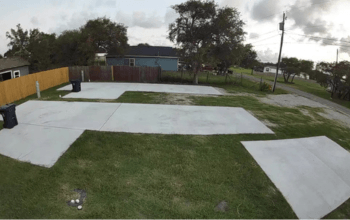
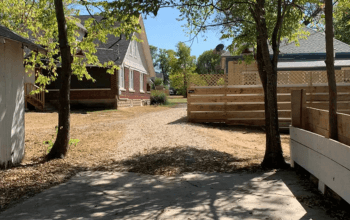
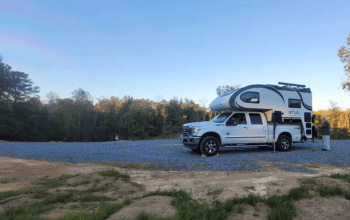
The RV industry is booming, and many landowners are thinking about renting their land for RV parking.
But, you might wonder: do you need a permit to make your property an RV park?
Dealing with regulations can be tough, but we’re here to guide you. With more people traveling in RVs, there’s a big need for parking spots. Landowners can make money by using their unused property for RV parking.
To start, you need to know about permits. In this article, we’ll cover everything about renting land for RV parking. We’ll tell you what you need to succeed.
Key Takeaways
- Understanding permit requirements is crucial for renting land for RV parking
- The RV industry is growing, presenting opportunities for landowners
- Monetizing unused property can be a lucrative venture
- Regulations vary, and it’s essential to know what’s required
- Researching local regulations is the first step to getting started
Overview of RV Parking Permits
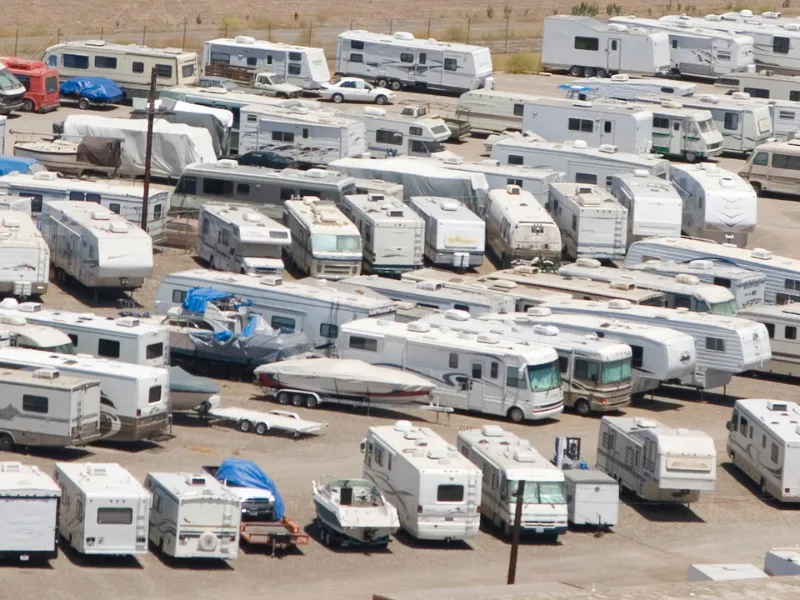
If you want to rent land for RV parking, you need to understand permits and licenses. RV park owners must get the right permits before they start. The rules for these permits change a lot based on where you are.
What is an RV Parking Permit?
An RV parking permit is a legal document. It’s given by local or state authorities. It lets landowners run an RV park or rent out land for RVs. This permit makes sure the land follows local laws and health rules.
As the Lee County RV Guide says, “getting a permit involves a few steps. You need to apply and meet certain land-use rules.”
Why Are Permits Required?
Permits are needed to keep RV parks safe and healthy. They control how many RVs can be in one area. They also make sure RVs follow environmental rules. This gives RV owners peace of mind, knowing the land is legal for RVs.
“The main goal of these permits is to protect public health and safety,”
which is very important for both landowners and RV travelers.
Legal Considerations for Renting Land
It’s important to know the legal side of renting land for RV parking. We’ll look at key points that affect your decision to rent out your land.
Zoning Laws and RV Parking
Zoning laws are key in deciding if you can rent your land for RV parking. These laws split areas into different zones for different uses. Some zones are for homes, while others allow businesses or recreational activities.
To follow the rules, you need to know your property’s zoning. You can reach out to your local planning department or use online tools. Here are some important things to remember:
- Make sure your property is zoned for commercial or recreational use.
- Find out if there are any rules or limits on RV parking.
- Learn how to get any needed permits or variances.
For more details on RV park legal rules, check out our guide on understanding RV park legal regulations.
Property Ownership and Liability
As a landowner, you must think about the risks of renting your land for RV parking. This includes making sure RV owners and their guests are safe. You might need to:
- Keep the area safe and secure.
- Offer good amenities and services.
- Get liability insurance to protect yourself and your business.
By understanding and dealing with these legal issues, you can reduce risks. This will help you have a successful RV parking rental business. As the RV community grows, knowing the law will help you succeed.
State-Specific Permit Requirements
Knowing the rules for RV parking permits is key for RV owners and landowners. The rules change a lot from state to state. It’s important to know the laws in your area.
California Regulations
California has strict rules for RV parks. Owners must follow health and safety rules, like water and sewage systems. RV parks need good waste disposal and clean water access.
California also checks local zoning laws. These laws can differ a lot between counties.
Some important rules in California are:
- Following the California Code of Regulations, Title 25, for RV park standards.
- Getting a permit from the local health department before starting.
- Having regular inspections to keep up with state rules.
Texas Regulations
Texas has less strict rules for RV parks than California. But, owners still need to follow state and local laws. For example, Texas has rules for water and sewage.
Important things for RV parks in Texas include:
- Registering with the Texas Department of State Health Services.
- Following local zoning laws, which can change by area.
- Meeting health and safety standards in the Texas Administrative Code.
Florida Regulations
Florida has its own rules for RV parks. They focus on safety and health. Owners must follow Florida Department of Health rules, like water and sewage.
To start an RV park in Florida, you should:
- Get the right permits from local health departments and other places.
- Follow the Florida Building Code and local zoning rules.
- Keep the RV park up to date to meet state and local rules.
For more info on starting an RV park, check out this resource. It offers detailed advice on the process.
How to Apply for a Permit
We help you understand the steps to apply for an RV park land lease permit. This process is detailed and involves many agencies. It can take several months to finish.
As Mark Twain once said, “The secret of getting ahead is getting started.” For RV park land leases, starting means knowing what documents and steps you need.
“The permitting process is a critical step in ensuring that your RV park land lease operates within legal and environmental guidelines.” –
Caylee Harrington
Necessary Documentation
To apply for a permit, you’ll need to gather and submit several key documents, including:
- Detailed site plans that outline the layout and infrastructure of your RV park land lease
- Environmental impact studies to assess the potential effects on the local ecosystem
- Proof of property ownership or a lease agreement
- Other documents as required by local regulations
Application Process
The application process typically involves several steps:
- Submit your application and supporting documents to the relevant authorities
- Pay the required application fees
- Wait for your application to be reviewed and processed
- Address any issues or concerns raised by the authorities
- Receive your permit and begin operating your RV park land lease
It’s essential to be patient and thorough during this process, as any mistakes or omissions can lead to delays or even rejection.
By understanding the necessary documentation and application process, you can successfully navigate the permit application process for your RV park land lease.
Costs Associated with RV Parking Permits
Getting RV parking permits can cost a lot, depending on several things. Landowners who rent out their land for RV parking need to think about the costs of permits.
Permit Fees
Permit fees are a big part of the cost. These fees change based on where you are, the type of permit, and local rules. Some places have a flat fee, while others charge more based on land size or RV numbers.
Understanding Permit Fees is key for planning your budget. It’s a good idea to talk to local authorities or a permitting expert for a clear estimate.
Additional Costs to Consider
There are more costs to think about for RV parking rental. These include insurance, maintenance, and the cost of utilities like water, electricity, and sewage.
- Insurance: Liability insurance is key to protect against risks.
- Maintenance: Keeping the land and facilities in good shape is important for safety and appeal.
- Utility Hookups: Having access to basic amenities makes the land more appealing to renters.
Knowing these costs helps landowners plan and budget better. This way, they can make their RV parking rental business successful and profitable.
Finding Land for RV Parking
Finding the right spot for RV parking can be tough. But, with the right tools, landowners can make money from unused land. It’s key to know the different lands and how to meet potential renters.
Types of Land Available
Landowners can rent out various lands for RV parking. These include rural, urban, and coastal areas. Each has its own benefits and meets different RV traveler needs.
- Rural areas are peaceful and great for those wanting to get away from city life.
- Urban areas are close to amenities and services, perfect for RV owners who like to be in the action.
- Coastal areas are loved by RV travelers for their stunning views and calm vibe.
As RV parking permissions open up, landowners can tap into the growing RV parking demand. Knowing local rules and zoning laws is crucial. This ensures their land is ready for renters. For example, checking what zoning is needed for an RV park helps.
Platforms for Renting Land
Many platforms and marketplaces help landowners and RV owners find each other. These make it simpler to rent out land and find parking.
Online marketplaces and RV websites are popular. They offer tools and resources for managing properties and finding renters.
“The rise of online platforms has made it easier than ever for landowners to rent out their land for RV parking, creating a win-win situation for both parties.”
Caylee Harrington
By using these platforms and knowing the land types, landowners can rent out their land for RV parking. This way, they can benefit from the increasing demand.
Responsibilities of Landowners
As a landowner renting out your property for RV parking, you’re not just earning extra income. You’re also taking on significant responsibilities. It’s crucial to ensure your land is safe and follows regulations for the well-being of RV travelers and your rental business success.
To fulfill your responsibilities effectively, you need to be aware of key areas. Two critical aspects are health and safety regulations and maintenance and upkeep.
Health and Safety Regulations
Compliance with health and safety regulations is paramount. This includes ensuring access to clean water, proper waste disposal facilities, and adequate sanitation. For instance, you might need to install or maintain facilities such as dump stations and potable water supply points. It’s also essential to adhere to local health codes and regulations, which may require periodic inspections.
Some key health and safety considerations include:
- Ensuring that waste disposal facilities are clean and accessible
- Providing safe and reliable access to potable water
- Maintaining cleanliness and hygiene in common areas
For more information on the legal aspects of RV parking on residential property, you can check out this article that provides valuable insights.
Maintenance and Upkeep
Regular maintenance and upkeep are vital to providing a safe and enjoyable experience for RV travelers. This involves ensuring that the land is free from hazards, that facilities are in good condition, and that any necessary repairs are carried out promptly.
Some maintenance tasks you might need to perform include:
- Regularly inspecting the land for potential hazards such as potholes or uneven terrain
- Maintaining facilities such as restrooms and showers
- Ensuring that all amenities, such as electricity and water supply points, are functioning correctly
By prioritizing health and safety regulations and maintenance and upkeep, you can create a welcoming and safe environment for RV travelers. This enhances your reputation and encourages repeat business.
Tips for Successful RV Parking Rentals
Getting RV parking rentals right needs clear communication, strict rules, and a clean site. Both landowners and RV owners must know their roles and what to expect.
Best Practices for Landowners
Landowners should set clear rules for RV parking.
This means:
- Creating a detailed rental agreement
- Listing what’s included and what’s not
- Setting rules like quiet hours and waste disposal
Effective communication is key. Landowners should answer RV owners’ questions quickly and clearly explain the rules.
To keep things running smoothly, landowners should keep their property in good shape.
This includes:
| Maintenance Task | Frequency | Benefits |
| Lawn mowing and landscaping | Weekly | Looks better and attracts more RV owners |
| Waste disposal and recycling | Daily | Keeps the place clean and safe |
| Facility maintenance (e.g., restrooms, showers) | Daily | Ensures RV owners have clean amenities |
Tips for RV Owners
RV owners are also important for a good rental experience.
To enjoy their stay, RV owners should:
- Read and understand the rental agreement and rules
- Respect the property and other RV owners
- Talk to the landowner about any problems or concerns
Being considerate and following the rules helps make a positive experience for everyone.
By following these tips, both landowners and RV owners can have a great RV parking rental experience. This includes getting the right land rental permit and RV parking approval from local authorities.
Conclusion: Key Takeaways on RV Parking Permits
Getting the right RV parking permits is key for a great RV rental experience. We’ve covered the basics of renting land for RVs. This includes knowing what permits you need and following local rules.
Key Points to Remember
RV owners and landlords need to know the parking permit rules in their area. This means understanding zoning laws, who owns the land, and who’s liable. Knowing this helps avoid problems and makes RV travel safer and more welcoming.
Additional Resources
If you want more help or info, check out industry groups and online guides. These can offer great advice and support. They help RV owners and landlords succeed in their RV rental ventures.
Ready to get started?
Visit HookHub to list your land and manage RV rentals with ease.
FAQ
What is an RV parking permit, and why do I need one to rent my land for RV parking?
An RV parking permit lets you legally park RVs on your land. It ensures you follow health and safety rules. This protects both you and RV owners.
How do I determine if my land is zoned for RV parking?
Check with your local planning or zoning department to see if your land is zoned for RV parking. You can also look at your local government’s website or talk to a land use attorney for help.
What are the typical costs associated with obtaining an RV parking permit?
The cost of an RV parking permit varies by location. It includes permit fees, inspection fees, and more. Plan your budget to include these costs in your business plan.
Can I rent my land for RV parking if I don’t have the necessary permits?
No, it’s not safe to rent your land for RV parking without the right permits. You could face fines, penalties, or lawsuits. Always get the necessary permits to ensure a safe and successful rental experience.
How do I apply for an RV parking permit, and what documentation is required?
To apply for a permit, you’ll need to submit an application and provide documents like property deeds and liability insurance. You’ll also need to pay fees. Check with your local authorities for specific requirements.
What are the health and safety regulations I need to comply with as an RV park landowner?
As a landowner, you must follow health and safety rules. This includes providing clean water, sanitation facilities, and waste disposal. Make sure to meet local regulations to keep your guests safe and healthy.
How can I find RV owners looking to rent parking spaces on my land?
List your property on online platforms like RV park directories or land rental websites. You can also advertise locally or on social media to attract renters.
What are some best practices for maintaining a successful RV parking rental business?
To succeed, communicate well with guests, keep your space clean and safe, and enforce rules fairly. Be responsive to guests’ needs for a positive experience.
Are there any specific regulations or permits required for RV parking in California, Texas, or Florida?
Yes, each state has its own rules and permits for RV parking. Research the specific requirements for your state and follow them to avoid fines or penalties.
What kind of liability insurance do I need as an RV park landowner?
Get liability insurance to protect yourself against lawsuits or claims. Talk to an insurance professional to find the right coverage for your situation.
Can I use online platforms to manage my RV parking rental business?
Yes, online platforms can help manage your business. Use them to list your property, manage bookings, and communicate with guests. Explore different options to find what works best for you.